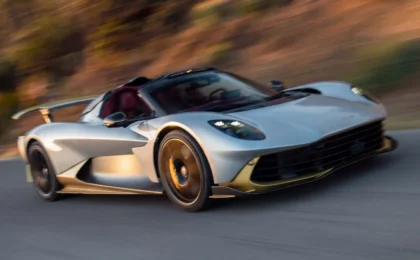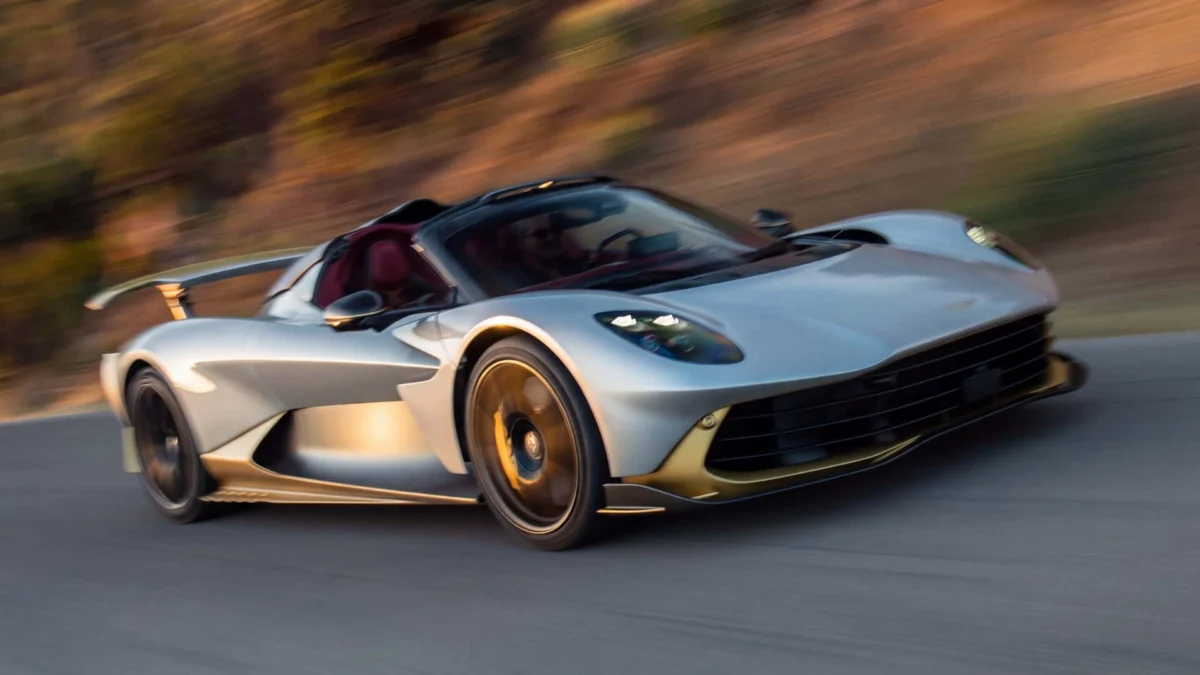
Aston Martin is redefining the boundaries of the supercar segment. By stripping the roof off its flagship mid-engined machine, the British luxury manufacturer has introduced the Valhalla Spider—a vehicle that marries the ferocious, track-ready DNA of a hypercar with the visceral, sensory-rich experience of a convertible. Making its global debut this weekend at the prestigious Concours at Wynn in Las Vegas, the Valhalla Spider stands as a testament to Aston Martin’s aggressive evolution under its current leadership.
The Evolution of the Valhalla: From Concept to Open-Top Reality
The journey of the Valhalla began as a project to bring Formula One-inspired engineering to the road. Originally conceived as a mid-engined hybrid, the coupe variant set a high bar for performance, technical complexity, and aerodynamic sophistication. The decision to engineer a Spider variant was not merely a matter of removing the roof; it was a structural undertaking.
To maintain the rigidity and handling characteristics required of a vehicle with over 1,000 horsepower, Aston Martin’s engineers had to lean heavily on the car’s existing carbon-fiber monocoque chassis. The result is a vehicle that manages to retain the structural integrity of the coupe while offering a transformative driving experience. For purists who feared that the transition to a convertible might dilute the Valhalla’s track prowess, the specifications suggest otherwise: the Spider retains the exact same powertrain, the same active aerodynamic suite, and the same aggressive, downforce-generating silhouette as its hard-topped sibling.
Technical Specifications: The Heart of the Beast
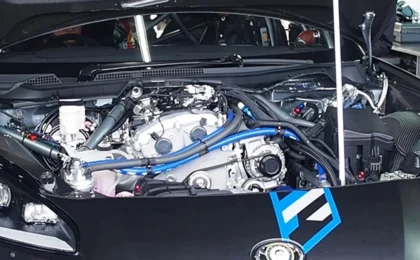
At the core of the Valhalla Spider lies a sophisticated, high-performance hybrid powertrain. The heart of the system is a bespoke, twin-turbocharged 4.0-liter V8 engine, which has been meticulously tuned to provide a linear and explosive power delivery. This internal combustion powerhouse is augmented by a trio of electric motors—one integrated into the transmission and two mounted on the front axle—creating an all-wheel-drive system that provides unparalleled traction and cornering speed.
- Combined Output: 1,064 horsepower
- Total Torque: 811 pound-feet
- Top Speed: 217 mph (350 km/h)
- Powertrain Architecture: Plug-in Hybrid (PHEV) with triple electric motors
The integration of the hybrid system allows for more than just brute force; it enables precise torque vectoring, allowing the car to rotate through corners with an agility that defies its curb weight. The active aerodynamics—a signature of the Valhalla line—work in concert with the chassis to keep the vehicle glued to the tarmac at triple-digit speeds, whether the roof is deployed or stowed.
A Tale of Two Roofs: Practicality Meets Performance
Perhaps the most impressive feat of the Valhalla Spider’s engineering is how Aston Martin has handled the transition between driving modes. The automaker offers a dual-approach to the open-air experience:
- The Removable Fabric Top: Designed for convenience, this lightweight solution allows for a traditional open-top experience. When equipped, the vehicle’s top speed is electronically limited to 124 mph to ensure structural safety and interior comfort.
- The Carbon-Fiber Hardtop: For those who refuse to compromise on performance, the optional carbon-fiber hardtop maintains the car’s full aerodynamic profile, enabling the Spider to achieve its maximum velocity of 217 mph.
Crucially, the car includes a clever, stowable wind deflector. When the roof is removed, this component rises to minimize cabin turbulence, a common pain point in high-speed convertibles. When the roof is replaced, the deflector folds neatly into dedicated storage compartments, ensuring that the driver never has to choose between storage space and the aesthetic purity of the car’s lines.
Aston Martin’s First Mid-Engined Convertible Supercar
The introduction of the Valhalla Spider marks a significant milestone in Aston Martin’s 111-year history. While the brand has long been synonymous with grand tourers and front-engined sports cars, the mid-engined segment represents the new frontier. To create an open-top version of their first true mid-engined production supercar is a bold statement of intent.
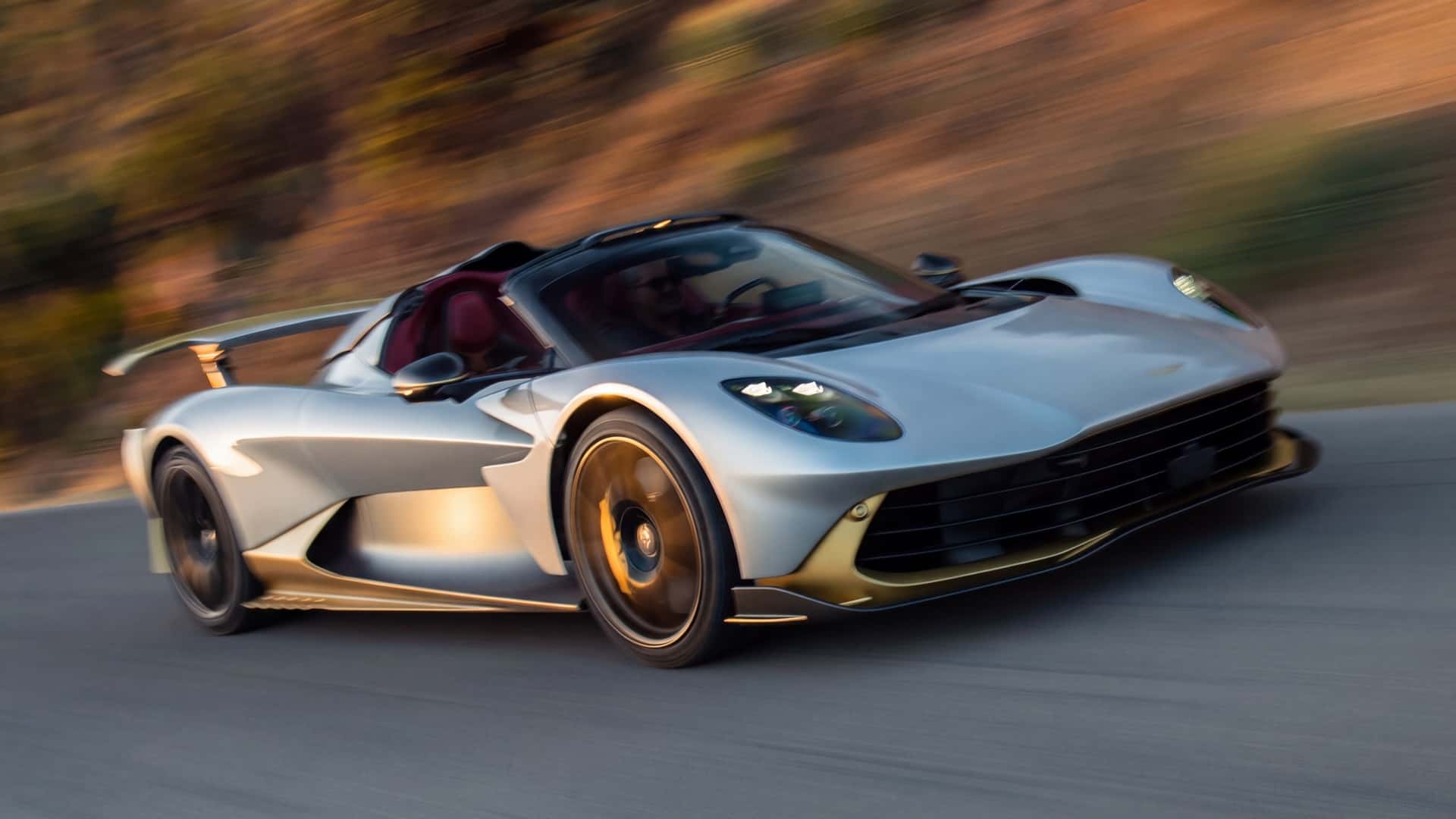
The interior has been reimagined to suit the open-top lifestyle. Standard equipment now includes a new "Touring Seat" crafted from carbon fiber, which provides both the comfort required for long-distance driving and the support necessary for high-G maneuvers on a circuit. However, for the track-focused buyer, Aston Martin continues to offer the more aggressive, lightweight carbon-fiber bucket seats found in the coupe at no additional cost. The signature upward-swinging "dihedral" doors remain, though the entry-and-exit geometry has been subtly tweaked to make getting in and out of the low-slung cockpit easier for occupants.
Official Commentary and Brand Vision
Aston Martin CEO Adrian Hallmark, who has been instrumental in steering the company toward a more performance-oriented future, emphasized that the Valhalla Spider is designed to be the ultimate multi-purpose machine. During the announcement, Hallmark noted:
"High speed or low speed. Rain or shine. Roof on or roof off. Road or track. Valhalla Spider ticks every box."
This sentiment reflects the broader strategy at Gaydon: move away from the image of a manufacturer that only builds elegant, gentlemanly grand tourers and toward one that produces high-octane, technologically advanced supercars that can compete directly with the likes of Ferrari, McLaren, and Lamborghini. The Valhalla Spider is not just a car; it is a manifestation of the brand’s confidence in its engineering capabilities.
Market Implications and Future Outlook
The arrival of the Valhalla Spider in the third quarter of 2027 puts the industry on notice. With a long lead time, Aston Martin is effectively signaling to potential buyers that the wait for the ultimate open-top driving experience will be worth it. While pricing has yet to be finalized, market analysts expect it to carry a significant premium over the coupe, firmly cementing its place in the ultra-luxury, low-volume segment.
This launch is part of a larger, ambitious refresh of the Aston Martin lineup. By balancing its heritage with cutting-edge electrification and lightweight material science, the company is insulating itself against the volatility of the automotive market.
Why This Matters:
- Brand Positioning: The Spider validates the Valhalla platform’s flexibility, suggesting that the architecture could underpin future variants or limited-edition specials.
- Technological Maturity: The ability to move from a fixed-roof supercar to a high-performance spider without losing the 1,000+ horsepower rating demonstrates a high level of mastery over chassis stiffness and computational fluid dynamics.
- Market Demand: There is a distinct, high-spending demographic that demands the theater of a convertible alongside the technical sophistication of a hybrid hypercar. The Valhalla Spider targets this "have-it-all" consumer segment perfectly.
Conclusion
As the automotive world pivots toward an electrified future, Aston Martin’s approach with the Valhalla Spider serves as a masterclass in compromise-free engineering. By refusing to sacrifice the raw performance of its hybrid powertrain for the sake of the open-air experience, the company has created a machine that is as capable on the Mulsanne Straight as it is on the Pacific Coast Highway.
The wait until 2027 will be long for enthusiasts, but the promise of a 1,064-horsepower, mid-engined convertible is exactly the kind of automotive ambition that keeps the spirit of the supercar alive. Whether the roof is on for a high-speed dash or off for a spirited weekend drive, the Valhalla Spider is poised to be one of the most significant, and most sought-after, vehicles of the late 2020s. For now, all eyes are on Las Vegas, where the world gets its first real-world look at the next chapter of the Aston Martin legend.