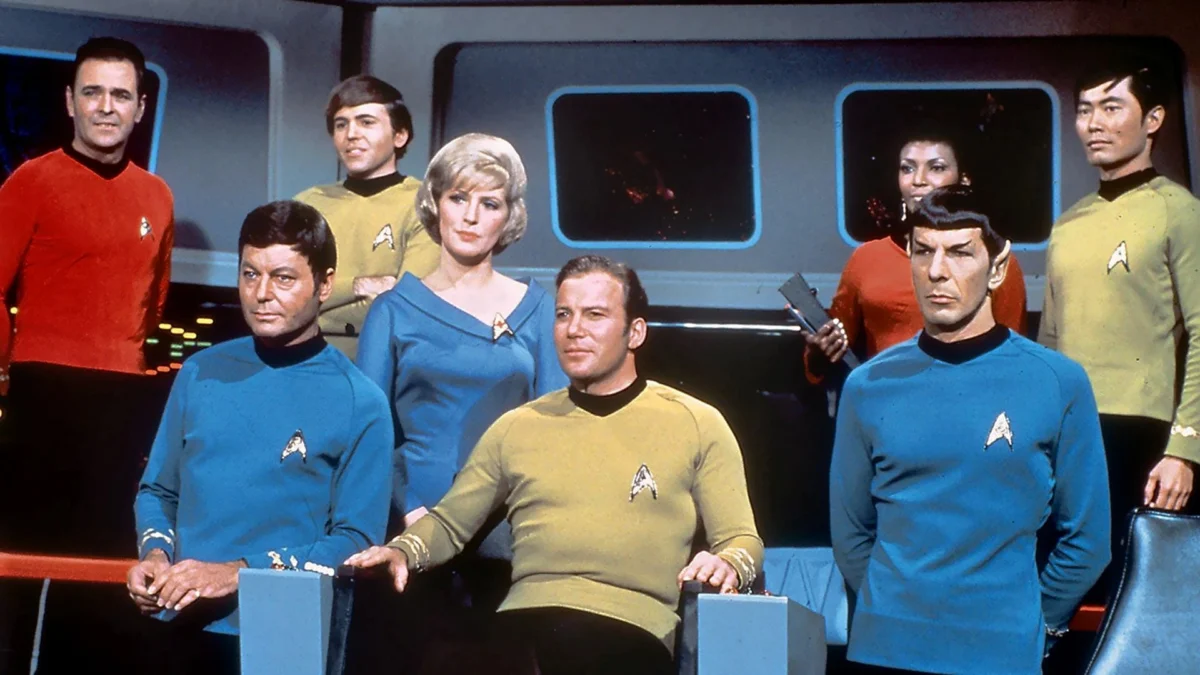
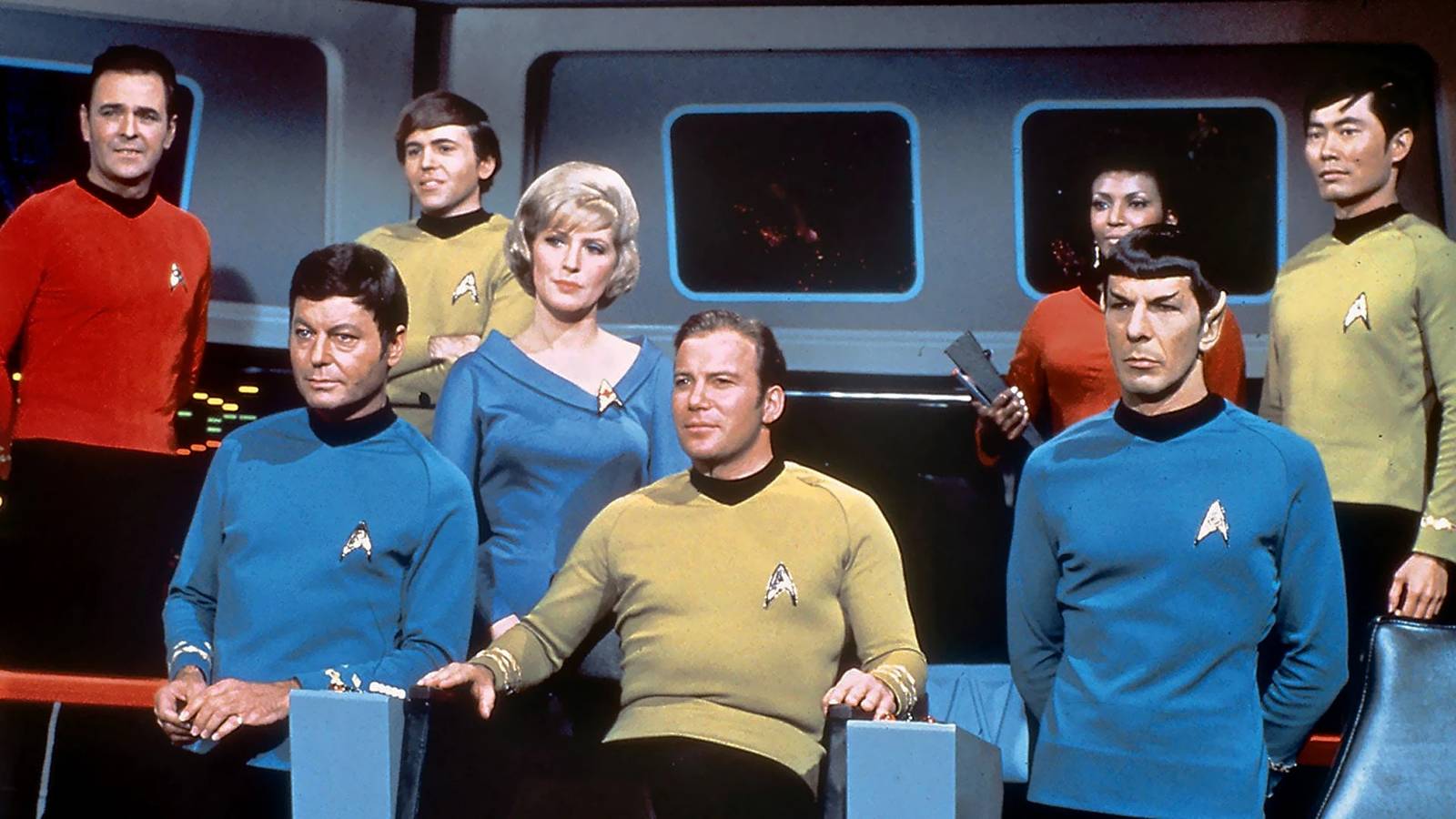
When Star Trek premiered on NBC in September 1966, it was a television anomaly. While its contemporaries were largely focused on simple space-age escapism or creature-feature horror, creator Gene Roddenberry utilized the infinite canvas of the cosmos to dissect the finite frailties of the human condition. Nearly 60 years later, the cultural footprint of The Original Series (TOS) remains gargantuan, providing the foundational DNA for a sprawling multimedia franchise.
Asking a devotee to curate a "best of" list is an exercise in futility, as the series balances high-concept science fiction, Shakespearean drama, and campy B-movie aesthetics in equal measure. However, certain episodes transcend mere nostalgia, serving as quintessential pillars of the franchise. From the high-stakes courtroom drama of Starfleet’s bureaucracy to the deeply personal, heart-wrenching sacrifices of its central trio, here are 10 episodes that showcase Star Trek at its very best.
The Philosophical Core: Why These Stories Resonate
The enduring appeal of The Original Series lies in its insistence that technology is secondary to ethics. Whether the crew is facing a sentient cloud or a Klingon battle cruiser, the resolution almost always hinges on a moral choice rather than superior firepower. The following chronology highlights how the series evolved from its experimental roots to the sophisticated character-driven narratives that cemented its place in television history.
A Chronology of Excellence
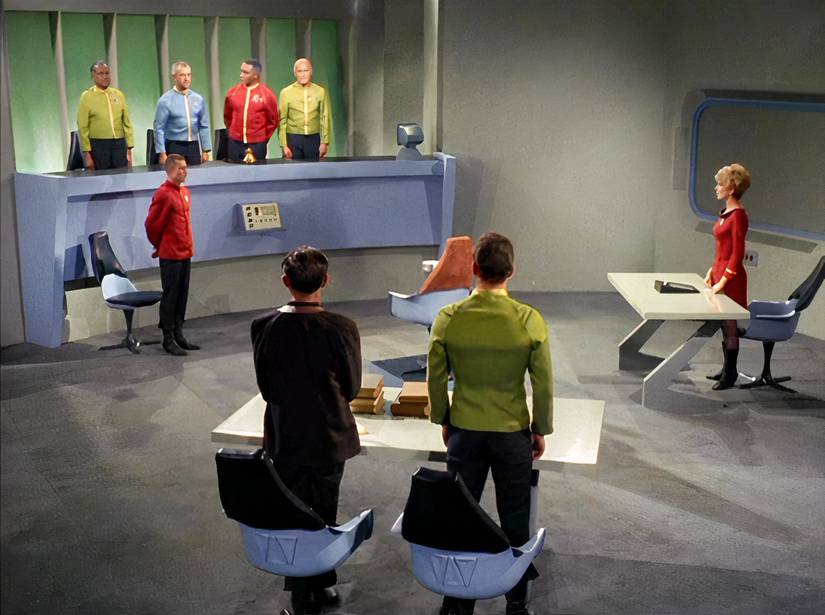
10. "Court Martial" (Season 1, Episode 21)
Often overlooked in favor of flashier space battles, "Court Martial" remains a masterclass in tension. When Captain James T. Kirk is accused of criminal negligence following the death of a crewman, the episode shifts the focus from the bridge to the courtroom. The introduction of Samuel T. Cogley, a curmudgeonly attorney who distrusts computers, serves as a poignant commentary on the dangers of over-reliance on technology. It proves that the most dangerous enemies aren’t always aliens—sometimes, they are the systems we build to protect ourselves.

9. "The Enterprise Incident" (Season 3, Episode 2)
In a rare departure into the genre of high-stakes espionage, this episode sees the Enterprise deliberately violating the Neutral Zone. The narrative layers are complex, involving a staged psychological breakdown by Kirk and an elaborate deception by Spock. By humanizing the Romulans through the formidable Commander (played with icy brilliance by Joanne Linville), the episode elevates the series from simple good-versus-evil tropes to a nuanced political thriller.
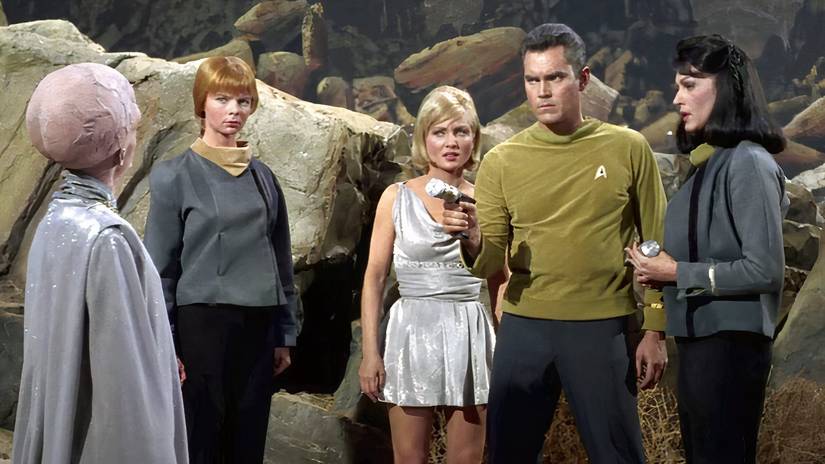
8. "The Cage" (Original Unaired Pilot)
Though it was rejected by NBC executives for being "too cerebral," "The Cage" is the blueprint for everything that followed. Starring Jeffrey Hunter as the weary, introspective Captain Christopher Pike, the episode introduces the Talosians—aliens who trap humans in a web of perfect, idealized illusions. It remains a haunting meditation on the nature of reality and the price of safety, setting the standard for the philosophical depth that Roddenberry would later refine for Kirk’s crew.
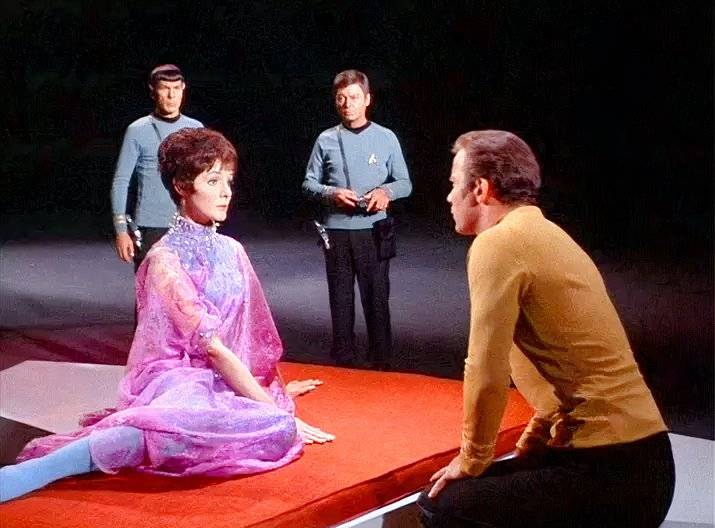
7. "The Empath" (Season 3, Episode 12)
Staged with the minimalism of a black-box theater production, "The Empath" focuses on a mute alien named Gem who absorbs the pain of others. Dr. McCoy’s arc in this episode is arguably his finest hour, as he faces a brutal ethical dilemma regarding the value of individual life versus the greater good. It is a haunting, uncomfortable, and deeply humanizing episode that proves Star Trek could succeed on pure character performance without the need for expensive sets or complex special effects.
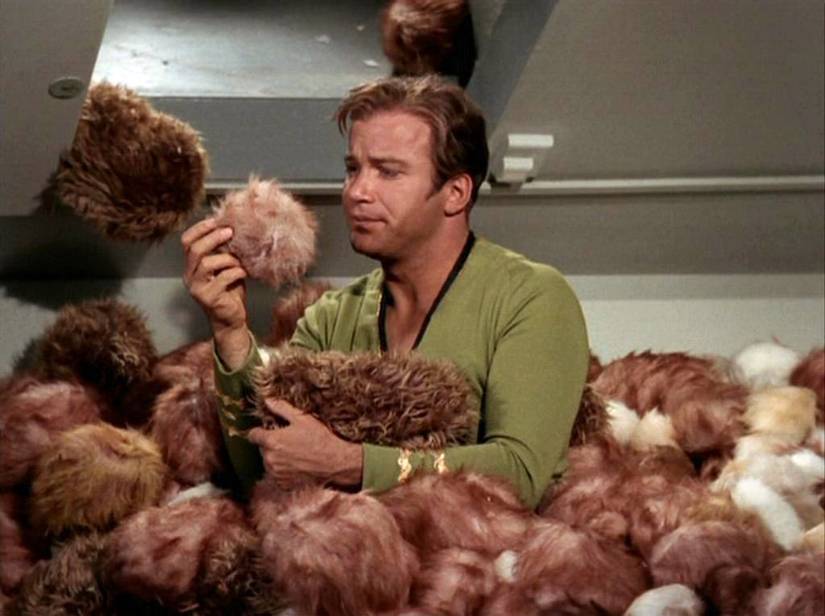
6. "The Trouble with Tribbles" (Season 2, Episode 15)
Sometimes, the best way to explore humanity is to surround it with absurdity. David Gerrold’s script is the definitive comedic entry in the franchise. The plot is simple: a space station is overrun by rapidly breeding, cooing balls of fur. It is a lighthearted romp that manages to skewer military bureaucracy and Klingon aggression simultaneously. The iconic image of Kirk buried under a literal mountain of tribbles is not just a gag; it is a symbol of the levity that kept the show balanced.
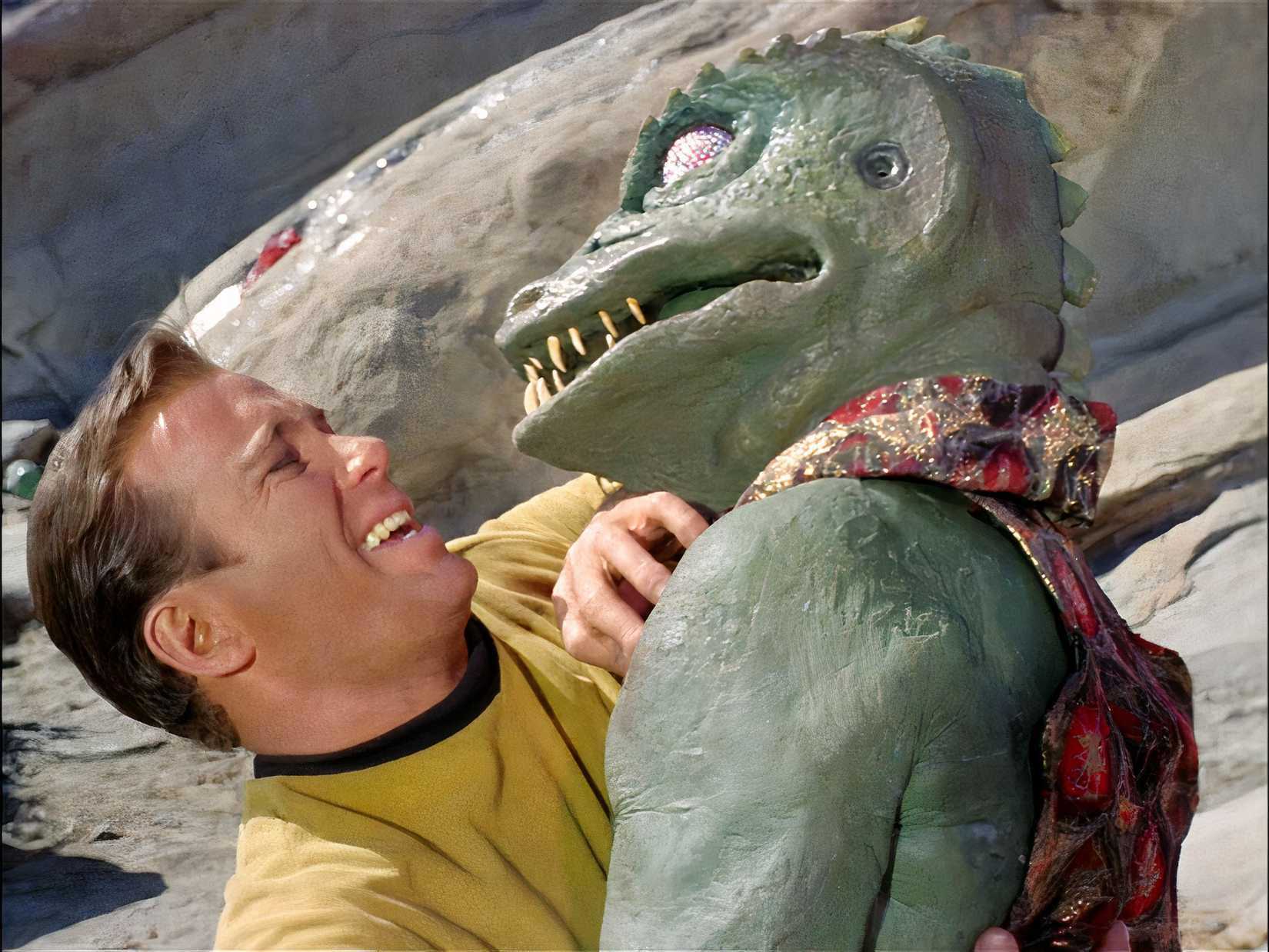
5. "Arena" (Season 1, Episode 19)
"Arena" is perhaps the most parodied episode of the series, thanks to the slow-motion, rubber-suited fight between Kirk and the Gorn. However, the core of the story is profound. When a god-like race forces a duel to the death, Kirk’s eventual refusal to execute his defeated enemy is the moment he truly becomes a Starfleet captain. It serves as a definitive statement on mercy and the rejection of mindless, systemic violence.
4. "Space Seed" (Season 1, Episode 23)
Ricardo Montalbán’s portrayal of Khan Noonien Singh is the gold standard for Star Trek villains. As a genetically engineered despot from the 20th century, Khan represents the hubris of humanity. The episode’s tension stems from a clash of ideologies: the "superman" who demands total submission versus the democratic principles of the Federation. Its narrative weight is immense, providing the direct setup for the seminal Star Trek II: The Wrath of Khan.
3. "The Doomsday Machine" (Season 2, Episode 6)
In this episode, the series explores the psychological toll of command. Commodore Matt Decker, the sole survivor of his crew, is driven to suicidal obsession by a planet-killing machine. William Windom’s performance is harrowing, depicting a man whose morality has been shattered by grief. The episode serves as a grim warning about the dangers of unchecked vengeance, contrasted against the cool, analytical command style of Spock and the tempered leadership of Kirk.
2. "The City on the Edge of Forever" (Season 1, Episode 29)
Widely cited by critics and fans alike as the greatest hour of Star Trek, this episode forces Kirk to make an impossible choice: save the woman he loves, or save the future of humanity. The tragic romance with Edith Keeler (Joan Collins) is handled with heartbreaking sensitivity. It is a quintessential exploration of the "great man" theory—that sometimes, the most noble people must be sacrificed for the timeline to survive.
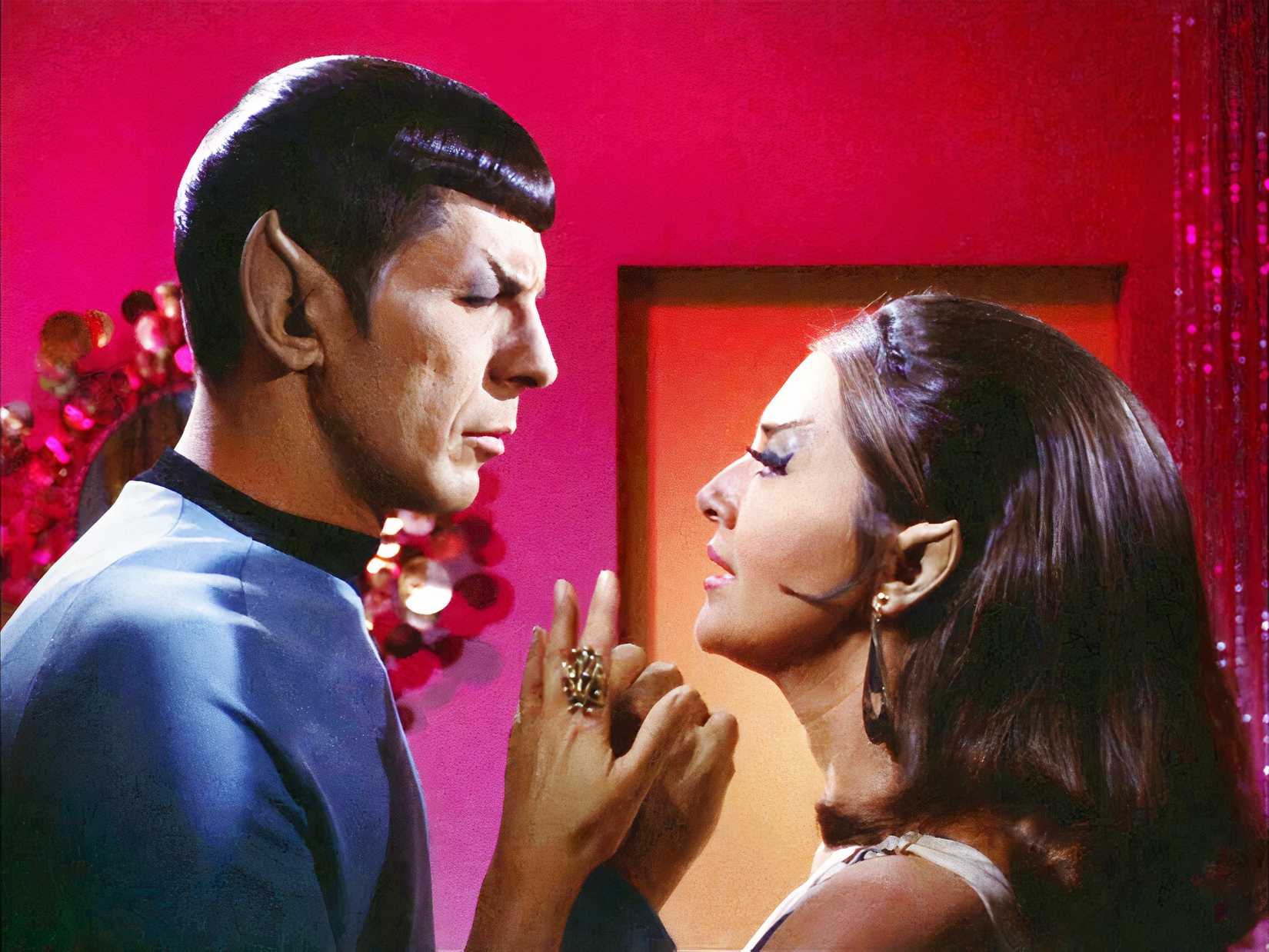
1. "Amok Time" (Season 2, Episode 1)
"Amok Time" takes the top spot for one singular reason: it moves the heart of the series to the Vulcan homeworld. The pon farr ritual forces Spock into a primitive, violent struggle, stripping away his logical facade. The moment Spock discovers that he hasn’t actually killed his captain—and his subsequent, uncharacteristic display of raw, unrestrained joy—is the most powerful character moment in the franchise. It defines the bond between Kirk and Spock as something that transcends logic, duty, and even death.
Supporting Data: Legacy and Impact
While The Original Series only ran for three seasons and 79 episodes, its impact on the television landscape is immeasurable. According to industry tracking, TOS was one of the first shows to benefit significantly from the "syndication model," where its popularity actually grew in the years after its cancellation. This success forced Paramount to pivot from a failed attempt at a feature film in the 1970s to the eventual launch of Star Trek: The Motion Picture in 1979, proving that the characters had become cultural icons.
Official Responses and Cultural Context
Gene Roddenberry famously described his vision for Star Trek as a "Wagon Train to the stars." He sought to create a future where humanity had overcome its base instincts of racism, sexism, and war. While the production values of the 1960s often limited his vision, the writing room—staffed by legendary sci-fi authors like Harlan Ellison and Theodore Sturgeon—consistently pushed the boundaries of what television could address.
Modern Star Trek creators, from those working on Strange New Worlds to Discovery, often cite these specific episodes as the "North Star" for their own production ethics. They recognize that the success of the franchise relies on the balance between the "Strange New World" of the week and the internal consistency of the core crew.
Implications for Future Storytelling
The success of these episodes implies a crucial lesson for modern media: high-concept science fiction does not need to be bleak to be intelligent. As the franchise continues to expand into new eras, the enduring popularity of The Original Series suggests that audiences are still hungry for stories about empathy, diplomacy, and the messy, beautiful reality of friendship.
Whether it is through the lens of a courtroom drama, a psychological character study, or a simple space-faring adventure, Star Trek remains a mirror for humanity. By examining the best of the past, creators can continue to chart a course toward a future that is, in the words of the franchise, "boldly going where no one has gone before."