By Oli Welsh | Published June 28, 2026
The video game industry is currently navigating its most precarious inflection point in decades. As we reach the mid-point of 2026, the convergence of ballooning hardware costs, the erosion of physical media, and a fragile labor market has left many wondering if the “Golden Age” of gaming has finally reached its terminal velocity. From the $800 price tag on the latest generation of consoles to the transition of flagship titles like Grand Theft Auto 6 into digital-only “licensing” experiences, the industry is undergoing a structural transformation that feels less like evolution and more like a retreat.
The Cost of Admission: A Barrier to Entry
The most immediate and jarring symptom of the industry’s current state is the soaring cost of hardware. With the Xbox Series X now retailing at $800—a staggering $300 increase from its original launch price—the barrier to entry for high-fidelity gaming has become prohibitive for the average consumer.

This pricing strategy is not a mere corporate whim but a direct consequence of global memory and semiconductor shortages. Both Microsoft and Valve have been uncharacteristically transparent, if not frustrated, regarding these supply chain bottlenecks. The irony, however, is palpable: Microsoft, a leader in the gaming space, is simultaneously pouring billions into the development of AI hyperscalers—massive data centers that are aggressively consuming the global supply of advanced chips and memory, effectively cannibalizing their own gaming hardware division’s ability to keep costs down.
A Chronology of the Decline
To understand how we arrived at this "end times" atmosphere, one must look at the last four years of industry mismanagement:
- 2022-2023: The Pandemic Mirage. The global lockdowns created a temporary, artificial explosion in demand. Companies mistook this surge for permanent market expansion, leading to reckless over-investment and unsustainable hiring sprees.
- 2024: The Reckoning. As the market corrected, the industry saw waves of layoffs affecting thousands of developers. The talent that served as the backbone of the industry was discarded to appease shareholders who had been promised infinite growth.
- 2025: Strategic Missteps. Major acquisitions, such as Sony’s purchase of Bungie, began to look increasingly like millstones around the necks of their parent companies. The promised synergies failed to materialize, and development costs for "AAA" titles continued to climb toward the $300-400 million mark.
- 2026: The Digital-Only Standard. With the release of GTA 6, the industry has solidified a new, consumer-unfriendly standard: the "code-in-a-box." This transition effectively kills the concept of secondary markets and physical preservation.
The GTA 6 Phenomenon: A Cultural Monolith in a Fragile System
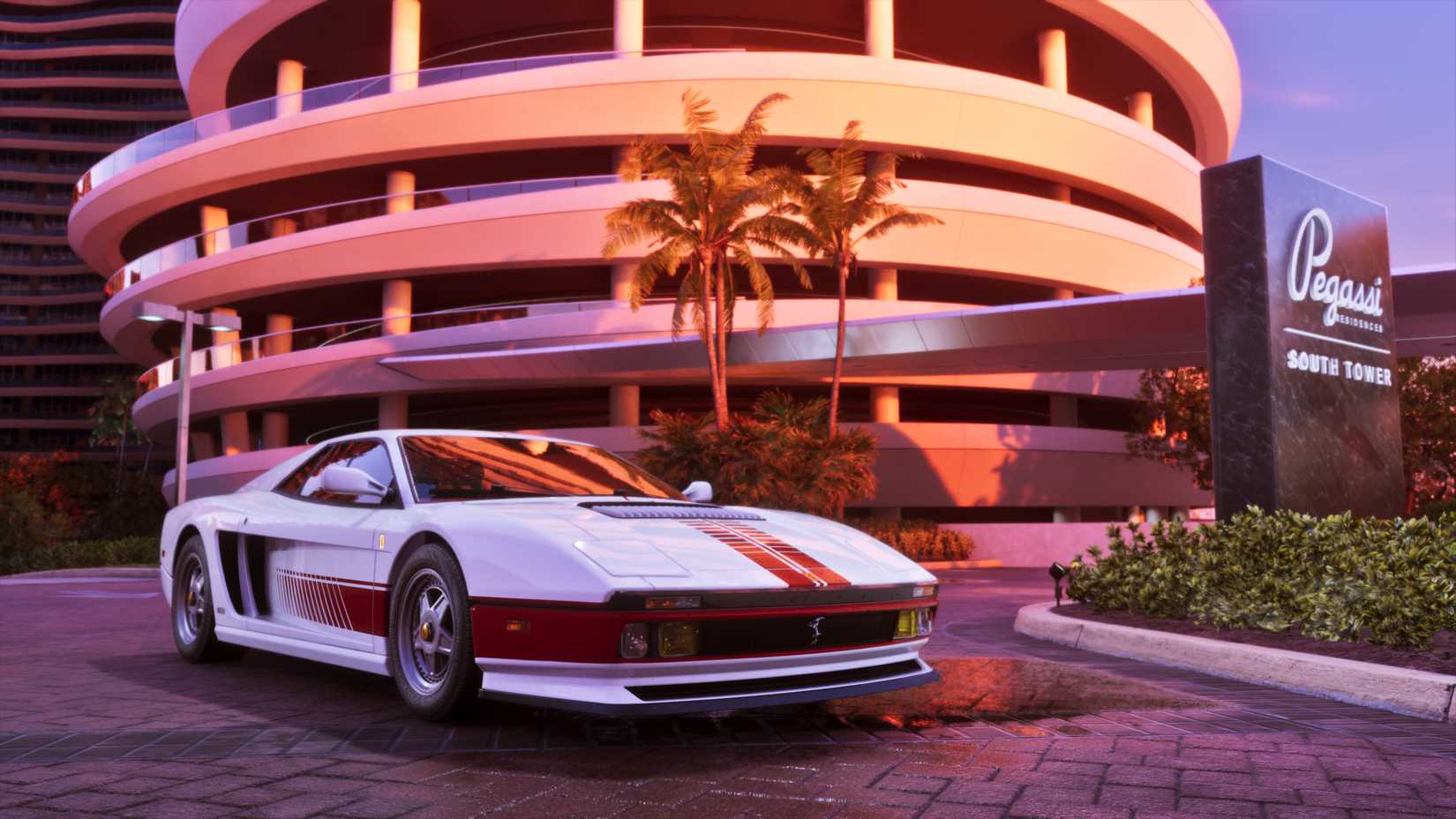
Despite the industry’s instability, Rockstar Games remains the exception that proves the rule. The recent reveal of Grand Theft Auto 6 screenshots—showcasing unparalleled environmental detail, from the physics of mud to the intricate lighting of its urban landscapes—reminds us that the medium still possesses immense cultural weight.

GTA 6 will undoubtedly serve as a “shot in the arm” for an industry currently struggling with flatlining growth. However, the game is also a symbol of the “fall of Rome.” Its extreme extravagance and reliance on massive, resource-heavy development cycles may well be the industry’s final, grand statement before the bubble bursts. While the $80 price point for the software is actually lower than many analysts feared, the hardware required to run it is becoming a luxury item that excludes a massive portion of the potential player base.
The Erosion of Ownership
Perhaps the most troubling trend is the death of physical media. When GTA 6 hits shelves, it will arrive as a digital license in a physical box. For the consumer, this is a dangerous shift. You no longer own the game; you own a revocable right to access it.
While reports suggest this may be a temporary anti-leak measure—with true physical discs potentially arriving later—the precedent is set. Without physical backups, we are looking at a future where one of the most important artistic works of our time could simply be deleted from existence if a server goes offline or a publisher decides to shutter a storefront. This is not just a consumer issue; it is a catastrophe for the preservation of digital art.
Supporting Data: The Memory Shortage
The "RAM crisis" is the primary engine behind the hardware price hike. Gaming consoles are competing with the massive, high-margin AI industry for the same pool of HBM (High Bandwidth Memory).
| Component | 2023 Price Index | 2026 Price Index | Impact |
|---|---|---|---|
| Console RAM (DDR6) | Baseline | +65% | Higher Unit Cost |
| Semiconductor Wafers | Baseline | +40% | Reduced Supply |
| Storage (NVMe SSD) | Baseline | +25% | Increased Console Price |
This data confirms that the "affordability crisis" is not a failure of marketing, but a failure of the broader tech economy to sustain the hobbyist gaming model.
Official Responses and Industry Sentiment
In recent investor calls, leadership across the sector has pivoted to "Efficiency" and "Platform Longevity." Valve, in its promotion of the new Steam Machine, has framed its hardware as a "third way"—a move toward modularity that attempts to escape the closed-ecosystem traps set by Sony and Microsoft.

However, the sentiment among developers is grim. During the 2026 Annecy International Animation Film Festival, industry veterans expressed concerns that the pursuit of "bigger, better, more" has become a treadmill that no one knows how to get off. "We are building monuments to excess," noted one lead developer, "while the foundation of the house is rotting."
Implications: The Future of the Art Form
So, is video game culture dying?
If the definition of "gaming" is the current model of hyper-expensive, proprietary console hardware and digital-only, live-service software, then yes—the current era is unsustainable. However, the history of art tells us that when a medium hits a wall, it evolves.

We may see a return to "mid-budget" indie titles that prioritize design over graphical fidelity. We may see a stronger shift toward hardware-agnostic gaming, where the power of a custom console is replaced by cloud-based streaming or portable, lower-power devices like the Steam Machine.
The theatrical film industry survived the streamer wars by focusing on the "event" experience. Gaming may have to do the same. If the industry can pivot away from its obsession with infinite scaling and back toward the intrinsic joy of play, it will survive. But if it continues to treat players as a captive audience for increasingly expensive, ephemeral digital services, it risks losing the very community that turned gaming into the most successful entertainment medium in human history.
The "end times" feeling is real, but it is not the end of games. It is the end of an era of gluttony. What comes next will be defined by necessity, and for the first time in a decade, that might be exactly what the industry needs.