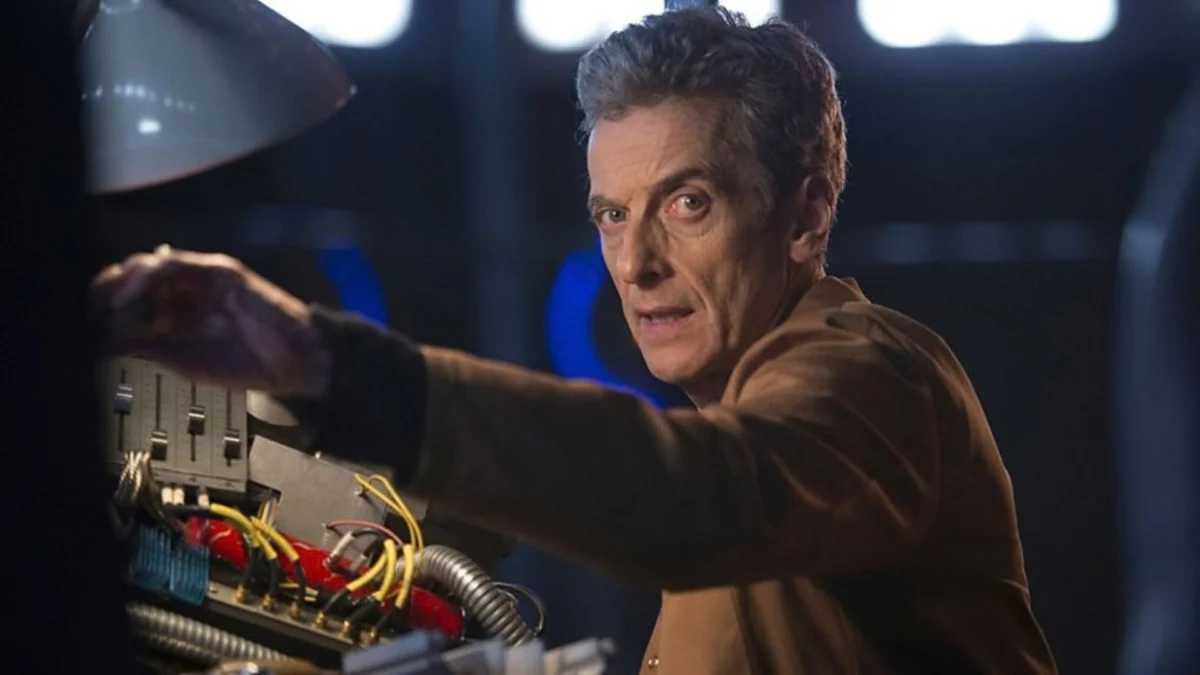
Twelve years after its original broadcast, the Doctor Who episode "The Caretaker" remains a divisive yet essential piece of television history. While often categorized as a standard "monster-of-the-week" outing—complete with a forgettable alien threat in the Skovox Blitzer—the episode serves as a masterclass in character deconstruction. Written by Gareth Roberts, it strips away the veneer of the heroic Time Lord to reveal a figure defined by insecurity, hypocrisy, and a deep-seated, often ugly, disdain for the very humanity he claims to protect.
The Context: A Doctor in Flux
To understand the significance of "The Caretaker," one must look at the landscape of Doctor Who in 2014. Peter Capaldi’s Twelfth Doctor had arrived as a stark departure from the whimsical, bow-tie-wearing charm of Matt Smith’s Eleventh Doctor. The transition was not merely cosmetic; it was a fundamental shift in personality. Capaldi’s iteration was abrasive, emotionally detached, and frequently blunt.
Clara Oswald, portrayed by Jenna Coleman, found herself caught in the crossfire of this transition. Having grown accustomed to the "puppy-dog" affection of the Eleventh Doctor, she was forced to navigate a relationship with a man who viewed his own companion’s life with a mix of academic curiosity and aristocratic superiority. "The Caretaker" acts as the crucible for this tension, bringing the Doctor’s secret life at Coal Hill School into direct, violent collision with Clara’s domestic reality.
Chronology of a Collision
The plot begins with a simple premise: The Doctor, operating under the guise of a school janitor, is tracking a dangerous piece of alien technology, the Skovox Blitzer, which has manifested in the school’s basement.

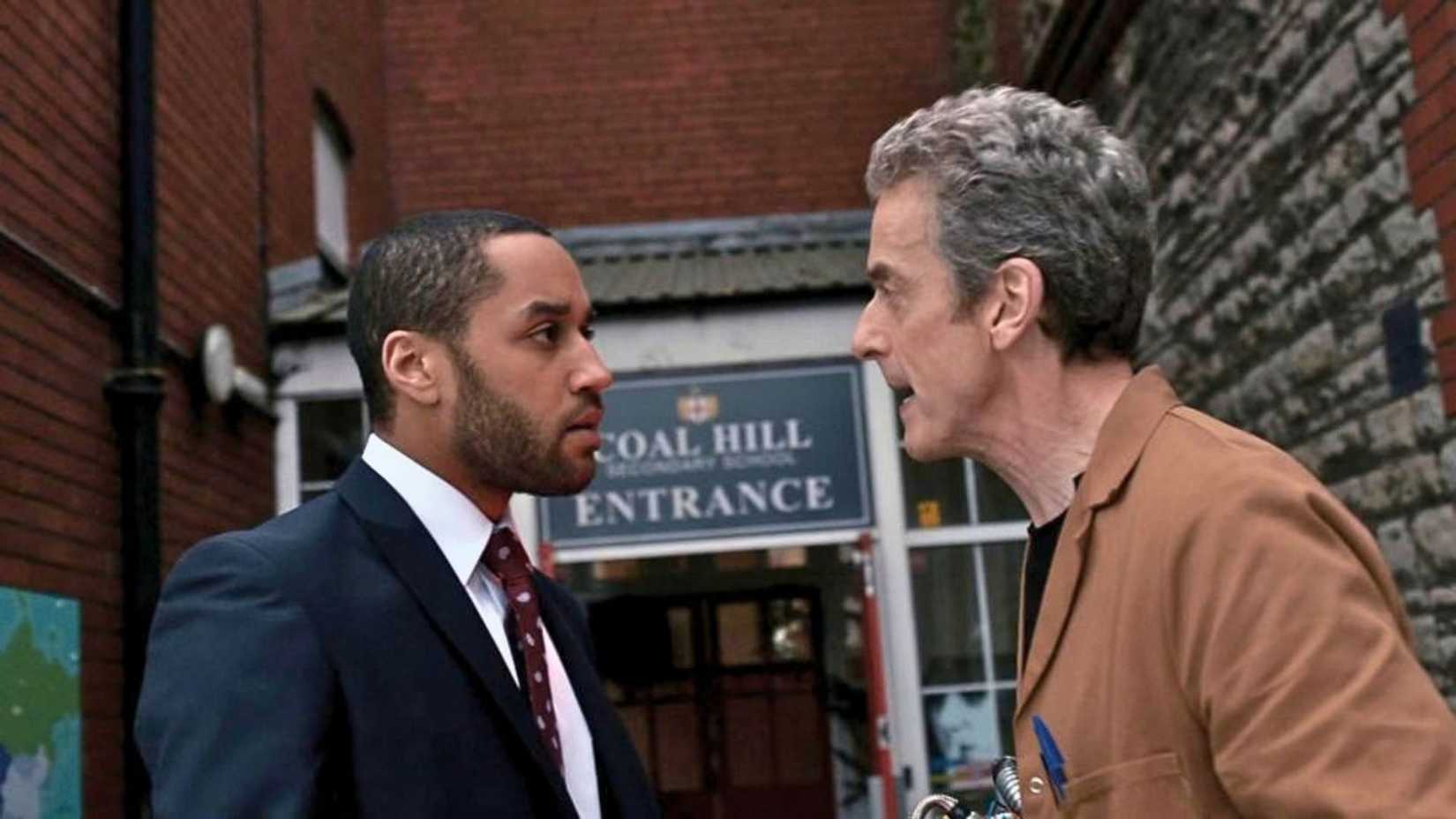
The chronological friction of the episode centers on the introduction of Danny Pink (Samuel Anderson), a former soldier-turned-math teacher and Clara’s boyfriend. The interaction between the Doctor and Danny is immediate and vitriolic. The Doctor, upon discovering that Danny is a former soldier, adopts a posture of reflexive condescension. He refuses to see Danny as an individual, labeling him merely as a "PE teacher"—a derogatory shorthand for someone he deems intellectually and morally inferior.
The irony, of course, is that the Doctor has spent centuries recruiting soldiers, working alongside UNIT, and fashioning "ordinary people" into warriors to serve his own ends. Yet, when faced with a man who embodies the very traits he has utilized throughout his travels, the Doctor reacts with a projection of his own self-loathing. He attempts to sabotage the relationship, not out of concern for Clara, but out of an ego-driven need to maintain control over her narrative.
Supporting Data: The Anatomy of Hypocrisy
The brilliance of "The Caretaker" lies in its subtext. Throughout the episode, the Doctor assumes Clara is dating a teacher named Adrian. Adrian is a caricature of the Eleventh Doctor—quirky, soft-spoken, and "safe." The Doctor’s immediate approval of Adrian is telling; it highlights his desire to be replaced by an image of his past self, rather than being forced to confront the reality of who he has become.
When the truth about Danny is revealed, the Doctor’s mask slips. His treatment of Danny is not merely rude; it is deeply exclusionary. He weaponizes his superior intellect to belittle Danny, ignoring the fact that Danny’s military background, much like his own, is a source of trauma and regret.

As the villain Davros famously noted in the Series 4 finale, the Doctor has a penchant for taking ordinary people and transforming them into soldiers. "The Caretaker" serves as a meta-textual confirmation of this. The Doctor’s hatred of the "soldier" archetype is, in truth, a hatred of the soldier within himself. By denigrating Danny, he is attempting to distance himself from the "War Doctor" persona that he spent so much of the 50th Anniversary trying to reconcile.
The Implications of the "Ugly" Hero
The central implication of "The Caretaker" is that the Doctor is not a perfect moral compass. He is jealous, petty, and deeply insecure. When Danny asks Clara if she loves the Doctor, and she responds, "Not in that way," the shift in the Doctor’s demeanor is palpable. It is a moment of profound vulnerability that the show rarely allows its lead character to experience.
The episode forces the audience to reconcile the man who saves the universe with the man who can be a cruel, condescending bully to a high school teacher. This complexity is exactly what makes the Twelfth Doctor one of the most compelling incarnations in the show’s sixty-year history.
Why This Matters for the Franchise
The legacy of this episode is its refusal to sanitize the protagonist. In the broader scope of the Doctor Who mythos, episodes like "The Waters of Mars" and "A Good Man Goes to War" showed the Doctor’s arrogance and his propensity for "playing God." "The Caretaker," however, brings this to the domestic sphere. It suggests that the Doctor’s "ugliness" isn’t just displayed during cataclysmic events—it is present in his daily interactions.
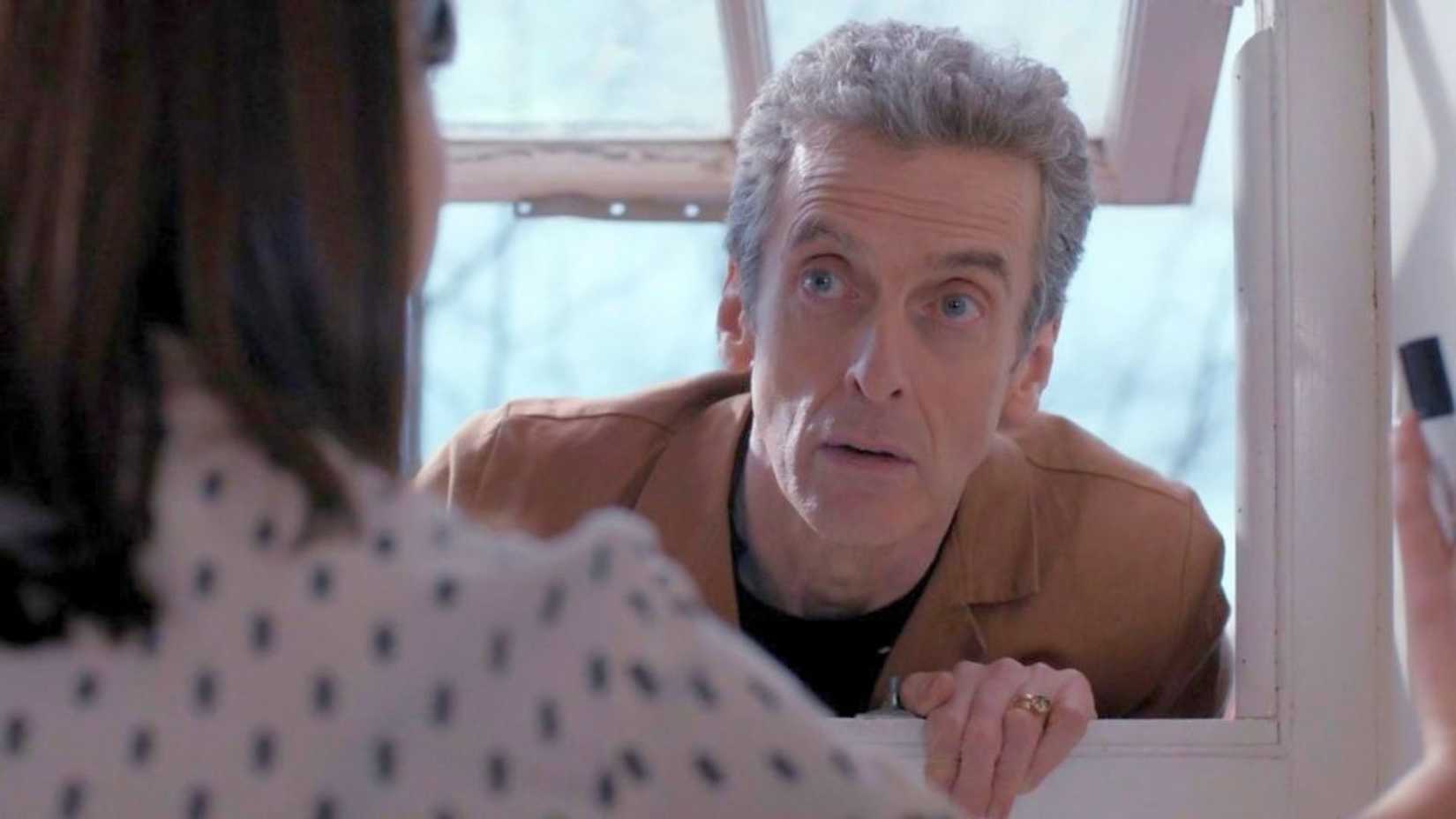
This characterization paved the way for the nuanced, introspective arcs of later series. It reminded viewers that the Doctor is an alien, fundamentally incapable of fully understanding human emotion, and prone to making catastrophic errors in judgment when his own ego is at stake.
Official Perspectives and Retrospective View
While the BBC has never released an "official response" to the critical analysis of the episode, the trajectory of the Twelfth Doctor’s arc following "The Caretaker" suggests that the showrunners intended to lean into these flaws. The subsequent exploration of the Doctor’s "duty of care" and his relationship with the concept of the "soldier" culminates in the Season 9 finale, "Hell Bent," where the Doctor is finally forced to reckon with the lengths he will go to for those he loves—often at the cost of his own morality.
Critics have noted that Gareth Roberts’ script was a turning point for the Twelfth Doctor. By stripping away the need for the Doctor to be liked, the series opened the door for a more honest examination of what it means to be a "good man." As the Doctor himself asks in later seasons, "Am I a good man?" "The Caretaker" provides the most unflinching, and perhaps the most accurate, answer: he is a man who tries to be good, but who is fundamentally scarred by the wars he has fought and the power he wields.
Conclusion: The Necessity of Flaws
"The Caretaker" is a reminder that the appeal of Doctor Who does not lie in the Doctor’s perfection. If the Doctor were an infallible hero, the stakes would be mechanical, not personal. By showing us the Doctor at his most unhinged—jealous of a PE teacher, condescending to his companion, and unable to admit his own hypocrisy—the show makes him real.
Twelve years later, we can look back at this episode as a pivotal moment where the series matured. It challenged the audience to support a protagonist who was, in that moment, entirely unlikable. In doing so, it elevated the character from a mythic hero to a deeply flawed, agonizingly human—or, at least, human-adjacent—individual. We do not watch Doctor Who for a perfect hero; we watch to see how a flawed one continues to try, time and time again, to get it right.