In the pantheon of automotive history, few vehicles command the same reverence as the Mercedes-AMG "Hammer." It was the car that transformed a respectable, middle-class executive sedan into a terrifying autobahn stormer, single-handedly establishing AMG as a performance powerhouse long before it was absorbed into the corporate structure of Mercedes-Benz. Now, nearly four decades after it first shattered perceptions of what a luxury sedan could achieve, the Hammer is poised for a rebirth.
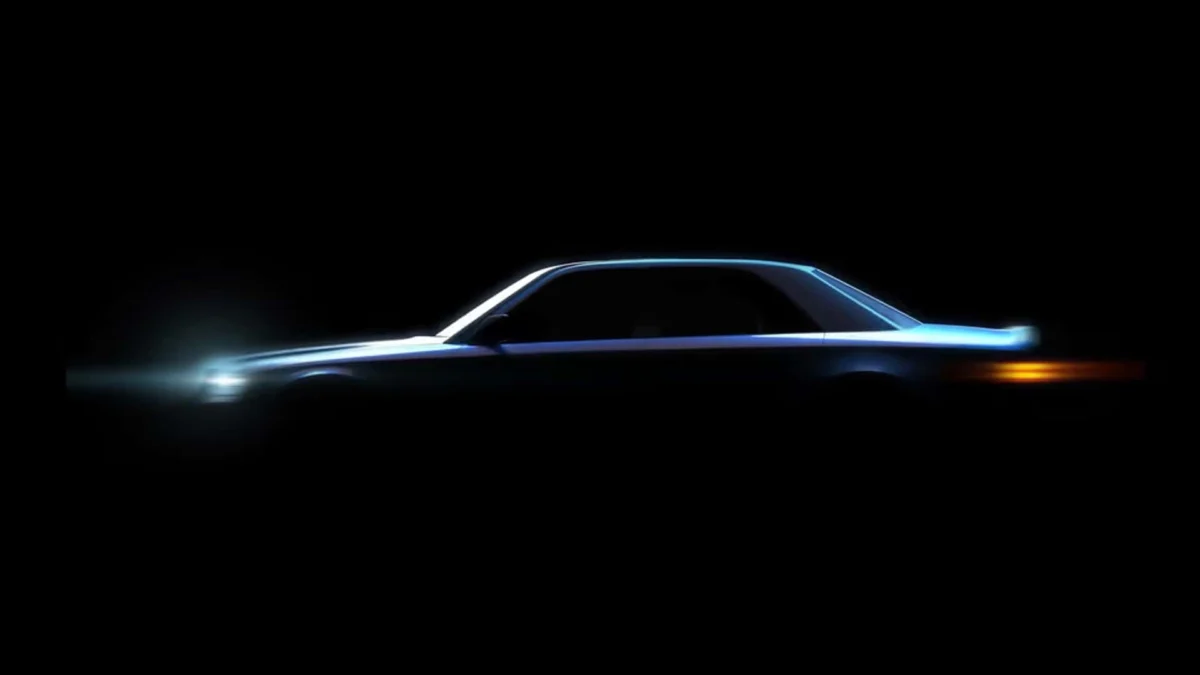
German engineering firm HWA AG, a company with deep ties to the legacy of Mercedes-Benz motorsport, has begun teasing a restomod project that aims to bring the spirit of the W124 Hammer into the modern era. While official technical specifications remain under wraps, the industry is buzzing with anticipation. For enthusiasts of the "old school" Mercedes era, this is not merely a car launch; it is the resurrection of a cultural icon.
The Genesis of the Hammer: A Chronology of Power
To understand the gravity of a new Hammer, one must first appreciate the original. The story begins in the mid-1980s, an era when Mercedes-Benz was known for bulletproof reliability and stately, conservative design. AMG, then an independent tuning house, sought to inject a dose of adrenaline into the brand’s W124 E-Class platform.
1984–1986: The Transformation
In 1984, AMG began experimenting with the 300E. The objective was simple but ambitious: create a car that could maintain the comfort of a luxury sedan while offering the straight-line performance of a supercar. AMG technicians pulled the factory 3.0-liter inline-six engine and replaced it with a custom-built 5.5-liter V8.
This was not a "parts bin" transplant. AMG painstakingly bored out the block, installed custom four-valve cylinder heads, and recalibrated the fuel injection. By 1986, the Hammer was officially unleashed. Producing 355 horsepower and 388 pound-feet of torque, it was capable of hitting 186 mph (300 km/h)—a figure that, in 1986, was virtually unheard of for a four-door sedan.
1987–1990: Global Recognition
The automotive press of the late 80s was stunned. The Hammer was faster than contemporary Ferraris and Lamborghinis while retaining the ability to carry four adults in leather-clad comfort. It was this dual-personality—the "Iron Fist in a Velvet Glove"—that put AMG on the global map and eventually forced Mercedes-Benz to recognize the value of a formal partnership, leading to the acquisition that defines the brand today.
HWA: The Architects of the New Legend
If any entity is qualified to revive such a storied nameplate, it is HWA AG. Founded in 1998, HWA is far from a typical aftermarket tuner. The company is inextricably linked to the lineage of AMG. Its founder, Hans Werner Aufrecht—the "A" in AMG—is a titan of German automotive history. Having served as a development engineer at Daimler-Benz, Aufrecht has spent his life refining the performance potential of the three-pointed star.
HWA’s credentials go beyond mere tuning. The firm has been the backbone of Mercedes-Benz’s DTM (Deutsche Tourenwagen Masters) racing efforts for years, building the machinery that dominated the world’s most competitive touring car series. Recently, HWA has pivoted toward high-end restomods, most notably with the "HWA Evo," a radical, modern-day interpretation of the legendary Mercedes-Benz 190E 2.5-16 Evolution II.
The HWA Evo served as a proof-of-concept for the firm’s philosophy: take a classic silhouette, preserve its soul, and integrate cutting-edge materials, chassis dynamics, and powertrain technology. By applying this same "restomod" ethos to the W124, HWA is signaling that the upcoming Hammer will not just be a retro-styled homage, but a high-performance vehicle capable of competing with the most sophisticated modern sports sedans.
Anatomy of the New Hammer: Technical Expectations
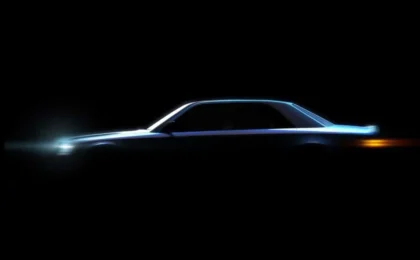
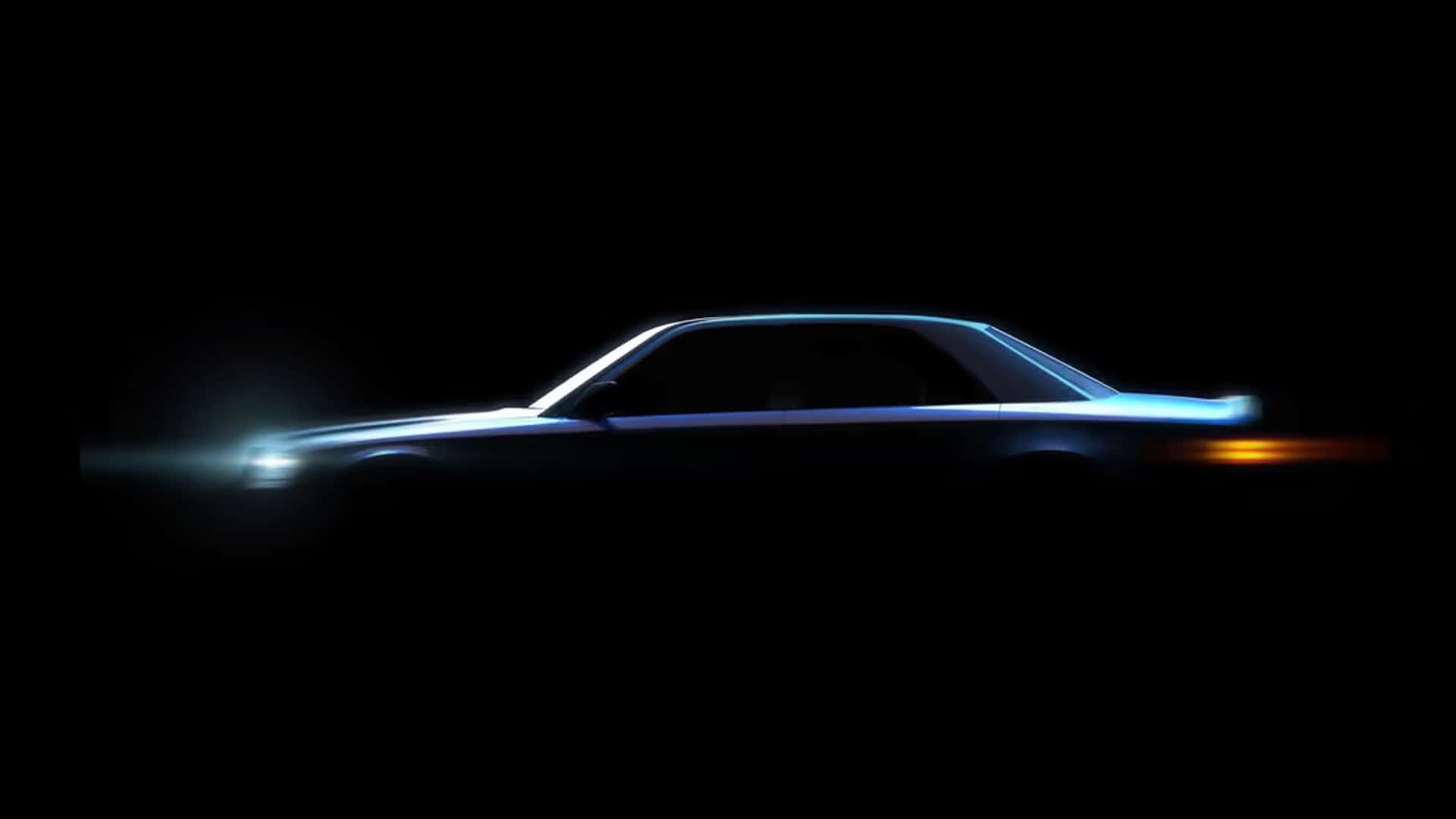
While the teaser images provided by HWA are deliberately shadowy, they reveal a clear adherence to the iconic W124 proportions. However, modern enthusiasts expect more than just a fresh coat of paint. Based on HWA’s previous projects, we can infer several key areas where the new Hammer will likely push boundaries.
Chassis and Weight Reduction
The original Hammer was heavy by 1980s standards, but for a modern interpretation, HWA will likely employ carbon fiber body panels and high-strength, lightweight alloys. This will be essential to achieving the agility required to justify the "Hammer" moniker in a world where electric hypercars are setting sub-three-second 0-60 mph times.
Powertrain Evolution
The heart of the original was a massive V8. While the industry is shifting toward electrification, the community that idolizes the Hammer is deeply attached to the visceral experience of a combustion engine. It is highly probable that HWA will source a modern Mercedes-AMG V8—perhaps a twin-turbocharged unit—and tune it to exceed the power-to-weight ratios of the original significantly. Expect output figures to easily eclipse the 500-horsepower mark, paired with a modern dual-clutch or advanced automatic transmission to ensure the power is delivered effectively to the rear wheels.
Cabin Technology
A true restomod bridges the gap between eras. While the exterior will retain the boxy, aggressive lines of the W124, the interior will likely feature bespoke leatherwork, modern climate control systems, and perhaps a subtly integrated infotainment interface that doesn’t distract from the classic dashboard layout.
The Implications: Why Now?
The resurgence of interest in 1980s and 90s "youngtimer" performance cars is at an all-time high. Collectors are increasingly shunning the sterile, screen-dominated cockpits of modern luxury cars in favor of the tactile, analog engagement provided by vehicles from the era of the Hammer.
By announcing a Hammer restomod, HWA is tapping into a lucrative and passionate market. However, the project also serves a broader strategic purpose. It reinforces the heritage of the Mercedes-Benz brand, reminding a new generation of buyers that the company’s performance pedigree was built on a foundation of raw, uncompromised engineering.
Market Impact
The limited-edition nature of HWA’s projects—as seen with the HWA Evo—suggests that the new Hammer will be an instant collector’s item. These cars are not built for mass consumption; they are built for a select few who appreciate the engineering nuance of the original while demanding the reliability and performance of a modern supercar.
Conclusion: A Legacy Reaffirmed
The teaser for the HWA Hammer is more than just a marketing tactic; it is an invitation to revisit one of the most exciting chapters in automotive history. In a world where the future of the automobile is increasingly defined by software and electrification, the prospect of a new, HWA-engineered Hammer feels like a defiant, gasoline-fueled celebration of the past.
If the HWA Evo is any indication, the new Hammer will not just be a replica—it will be a refinement. By combining the legendary DNA of the W124 with the racing expertise of Hans Werner Aufrecht’s team, the project promises to capture the "Hammer" spirit: that perfect, elusive balance of luxury, everyday usability, and sheer, heart-stopping power. As we await further details, one thing is certain: the automotive world is watching, and for fans of the three-pointed star, the wait for the next Hammer promises to be well worth it.