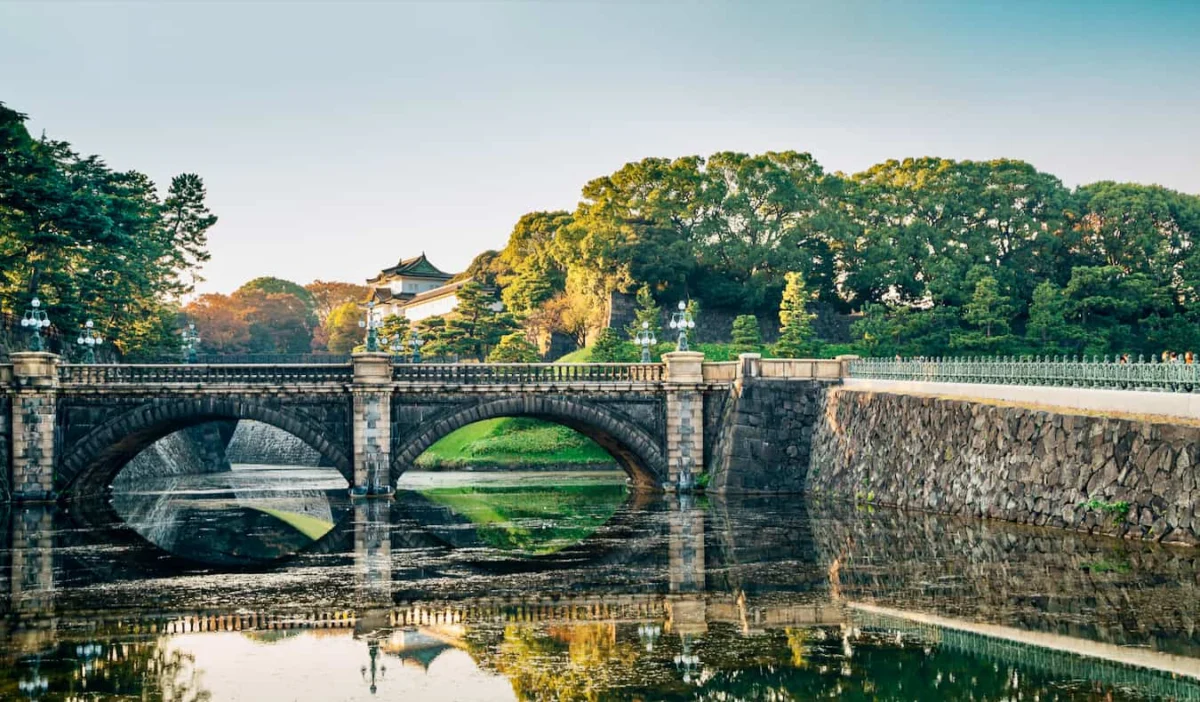
Tokyo is not merely a destination; it is a sprawling, multi-dimensional metropolis that defies easy categorization. For the uninitiated, it is a blur of neon signage and hyper-modern transit hubs. For the seasoned traveler, however, Tokyo reveals itself as an intricate tapestry of tradition and innovation, where hidden shrines sit in the shadows of glass skyscrapers and centuries-old culinary crafts coexist with the latest third-wave coffee trends.
Having visited the Japanese capital nearly a dozen times, I have come to realize that the city’s true character is not found on the observation decks of the Tokyo Skytree, but in the quiet, narrow alleyways of its residential neighborhoods. While guidebooks offer a functional roadmap, the most profound connections are forged through "Airbnb Experiences"—a platform that allows local experts to act as cultural conduits for travelers.
The Shift Toward Experiential Tourism
For decades, international visitors relied on traditional, large-group tour operators to navigate the complexities of Japanese culture. While companies like Arigato Travel continue to set the gold standard for high-end, professional guided tours in the city, the rise of the "Experience" economy has shifted the paradigm.
Travelers are increasingly eschewing the "cookie-cutter" bus tour in favor of intimate, hands-on learning. Data from recent tourism studies suggests that modern travelers prioritize "transformational experiences"—defined by personal skill acquisition and direct interaction with local residents—over passive sightseeing. This trend has turned Tokyo into a classroom, where the syllabus is written by sushi masters, sake sommeliers, and neighborhood historians.
Curated Immersion: A Deep Dive into Eight Tokyo Experiences
To navigate the saturated market of local tours, one must be selective. The following experiences have been vetted for their ability to provide genuine cultural insight, hands-on engagement, and an authentic glimpse into the daily life of Tokyoites.
1. The Art of the Omakase: Sushi Mastery
Sushi-making is a staple of Japanese culinary education, yet most tourist-facing classes remain superficial. The standout experience here occurs within the walls of a working omakase restaurant. Led by a sushi master or his apprentice, this morning session moves beyond basic rice-shaping. Participants gain an understanding of the philosophy of shari (sushi rice) seasoning and the meticulous art of ingredient pairing. By learning why specific cuts of fish require specific treatments, students emerge with a profound respect for the balance of flavor and texture that defines Japanese cuisine.
2. Shibuya’s Hidden Nightlife
The Shibuya district is often associated with the world’s busiest pedestrian crossing, but its true heart beats in the izakaya (Japanese pubs) tucked away from the main thoroughfares. Led by local experts like Suemi and Shugo, these nightlife tours offer more than just a drink; they provide a lesson in social etiquette. Navigating the "untouristy" side of Shibuya—where the menu is often written only in kanji—becomes an exercise in cultural immersion. These tours often include unlimited food and drink, providing a safe, guided gateway into the complex dynamics of Japanese drinking culture.
3. The Sake and Whiskey Craft
For those seeking to understand the nuanced world of Japanese spirits, specialized tasting classes are essential. The best experiences in this category utilize small, intimate groups—typically capped at six—to ensure pedagogical quality. Beyond the tasting, participants are guided through the production processes, visual identification of grades, and the historical evolution of nihonshu (sake). These sessions remove the intimidation factor of traditional Japanese liquor shops, turning a simple tasting into a masterclass.
4. Shinjuku’s Izakaya Labyrinth
Shinjuku represents a different, more chaotic energy than Shibuya. Here, the challenge is finding the right venue among the thousands of tiny, upstairs, or basement-level izakayas. Engaging a guide who acts as a sake sommelier provides the necessary translation and navigation skills to thrive in this environment. By the end of the tour, guests learn to decipher menus and understand the unspoken rules of izakaya dining, transforming from a confused tourist into a confident participant in the city’s nocturnal life.
5. Historical Narratives: Walking Through Time
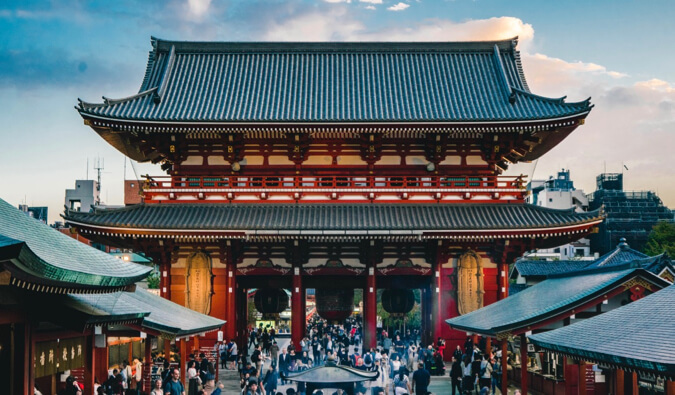
Tokyo’s rapid modernization often obscures its Edo-period roots. A dedicated historical walking tour, led by an academic or a specialist in Japanese culture, is the antidote to this erasure. By exploring neighborhoods like Yanaka—which survived the bombings of World War II—visitors can trace the arc of the Meiji Restoration and the changing role of the samurai. Walking through the iconic red torii gates of Nezu Shrine under the guidance of a historian provides a context that no signage could ever replicate.
6. The Third-Wave Coffee Revolution
Tokyo’s coffee scene is a meticulous blend of historic kissaten (old-school coffee houses) and cutting-edge, third-wave specialty roasters. Tours in neighborhoods like Jimbocho and Kanda allow travelers to witness this dichotomy firsthand. Participants learn about the evolution of Japanese brewing techniques, the chemistry of flavor profiles, and the unique pairing of coffee with wagashi (traditional Japanese sweets). It is a testament to the Japanese ability to take a global commodity and refine it through a lens of extreme craftsmanship.
7. The Ritual of Matcha
The Japanese tea ceremony is an exercise in mindfulness. A one-hour organic matcha experience serves as a necessary meditative break from the frantic pace of the city. Beyond the act of whisking tea, the focus remains on the philosophy of the ceremony and the ability to distinguish high-grade, ceremonial matcha from culinary varieties. It provides a tactile connection to a ritual that has sustained Japanese society for centuries.
8. Ramen: The Culinary Philosophy
Ramen is more than a quick meal; it is a religion in Japan. A comprehensive ramen tour visits multiple shops, each representing a specific regional or stylistic approach (e.g., tonkotsu, shoyu, or miso). The educational value lies in understanding the chemistry of the broth and the specific noodle-to-soup ratios. These tours are designed for the hungry traveler, offering a deep dive into the modern trends that keep the industry in a state of constant, delicious evolution.
9. The Underground Street Art Scene
While Japan is not traditionally known for graffiti, a vibrant, if quiet, street art scene exists in the alleyways of Shibuya and Harajuku. Guided tours in this niche reveal the complex legal and cultural environment in which these artists operate. By comparing "before and after" visual documentation, visitors gain a nuanced understanding of how creative expression persists in a society that values order and aesthetic harmony.
Logistical Implications for the Modern Traveler
While these experiences enrich a trip, successful navigation of Tokyo requires a robust logistical framework.
Transportation and Connectivity
The backbone of any Japanese itinerary is the Japan Rail Pass. For travelers planning to traverse multiple cities, the 7-, 14-, or 21-day options offer substantial cost savings. Within Tokyo, the efficiency of the subway system is unparalleled, though the sheer scale can be daunting. Relying on digital mapping tools and local guides to navigate transit hubs is a recommended strategy for first-time visitors.
Accommodation Strategies
The choice of lodging dictates the tenor of the visit. For those seeking community and budget-friendliness, Hostelworld remains the industry leader for Tokyo’s high-quality hostel scene. Conversely, for those desiring more privacy, Booking.com provides the most comprehensive database of guesthouses and boutique hotels. Regardless of the choice, research into neighborhood-specific vibes—whether it be the quiet, residential feel of Yanaka or the frenetic pulse of Shinjuku—is crucial before booking.
The Role of Travel Insurance
The unpredictability of international travel—ranging from medical emergencies to sudden flight cancellations—necessitates comprehensive travel insurance. It is a non-negotiable safeguard that ensures that a minor setback does not escalate into a financial catastrophe. Given the cost of medical care in Japan for non-residents, investing in a robust policy is a standard professional recommendation for all travelers.
Conclusion: The Value of the Human Connection
The transformation of tourism in Tokyo from a series of checked boxes to a series of human interactions is a welcome shift. While the city’s architectural wonders are impressive, they are static. The true essence of Tokyo is found in the conversations shared over a glass of sake, the hands-on instruction in a sushi kitchen, and the historical anecdotes told while walking through an ancient shrine.
As you plan your next journey to Japan, prioritize these localized experiences. They do not merely provide a tour; they provide a lens through which the complexity and beauty of Tokyo become accessible. By moving beyond the conventional, you allow yourself to participate in the city’s living, breathing culture, ensuring that your memories of Japan are as deep and multifaceted as the city itself.