Tokyo is a city that defies easy categorization. It is a sprawling, neon-lit metropolis that simultaneously functions as a collection of quiet, tradition-bound villages. To the uninitiated, the Japanese capital can feel overwhelming, a dense labyrinth of transit hubs and skyscraper forests. However, for those who peel back the layers, Tokyo reveals itself as a city of endless depth. Whether you are a first-time visitor or a veteran of the city, there is always a hidden shrine, a centuries-old craft, or a subterranean dining culture waiting to be discovered.
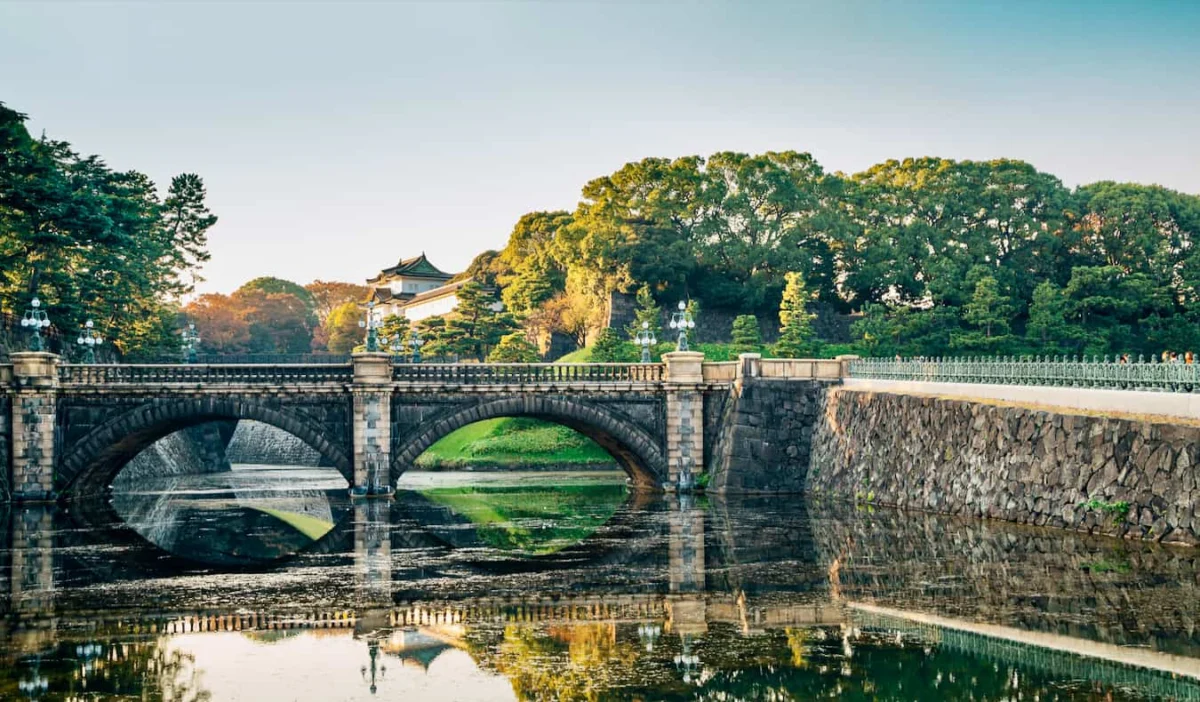
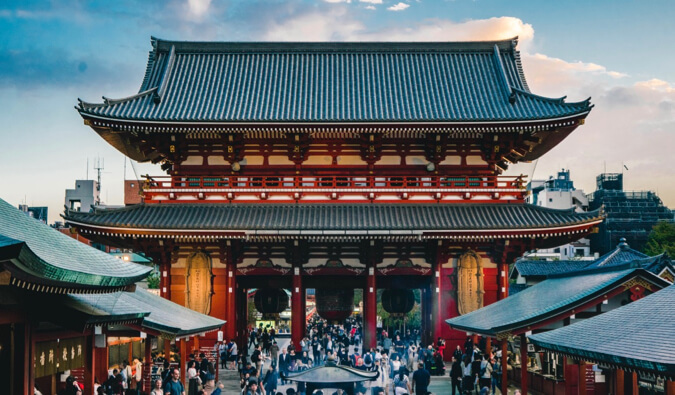
While the city’s major landmarks—the Shibuya Crossing, the Imperial Palace, and the temples of Asakusa—are essential, they only tell a fraction of the story. To truly grasp the pulse of Tokyo, one must pivot from the tourist-heavy paths toward curated, local-led immersion.
The Shift Toward Experiential Travel in Japan
In recent years, the travel industry in Tokyo has undergone a significant transformation. Traditional, large-group bus tours are increasingly losing favor to "micro-tourism"—smaller, highly specific excursions that focus on cultural craftsmanship, culinary nuances, and neighborhood exploration.
Airbnb Experiences has become a primary driver of this trend. By connecting travelers with long-term residents, artisans, and specialists, these tours provide a "front-row seat" to the city’s authentic rhythm. Unlike the standardized, one-size-fits-all itineraries offered by conventional operators, these experiences are often intimate, allowing for spontaneous discovery and genuine human connection.
While companies like Arigato Travel continue to set the gold standard for traditional, high-end guided tours in the city, the grassroots nature of Airbnb Experiences offers a distinct, personal flavor that is difficult to replicate at scale.
Curated Immersion: A Deep Dive into Tokyo’s Best Experiences
To help navigate the thousands of options available, we have curated a selection of eight experiences that represent the pinnacle of Tokyo’s cultural offerings. These selections balance hands-on learning with the unique social dynamics of the city.
1. Culinary Mastery: The Authentic Sushi Experience
Sushi is often misunderstood by international visitors as a simple quick-service meal. However, in Tokyo, it is a refined art form. The best sushi-making classes, hosted in functional omakase restaurants, offer a profound education in precision. Participants do not merely shape rice; they learn the anatomy of a fish, the critical importance of seasonal ingredient pairing, and the subtle variations in rice seasoning. These small-group sessions, led by master chefs or their apprentices, transform a morning meal into a comprehensive lesson in Japanese culinary philosophy.
2. The Izakaya Circuit: Shibuya and Shinjuku
To understand Tokyo after dark, one must enter the izakaya. These informal, often cramped drinking establishments are the social heart of the city.
- Shibuya Nightlife: Exploring these venues with a local host is vital. The best tours take participants into non-touristy, local-only alleys where the menus are handwritten and the atmosphere is electric. With unlimited food and drink, these tours act as a bridge, demystifying the etiquette of ordering and the "salaryman" culture that defines Japanese nightlife.
- Shinjuku’s Hidden Alleys: Shinjuku represents a different, more chaotic energy. Tours here often focus on the juxtaposition of high-end sake appreciation and the raw, gritty reality of the city’s nightlife hubs. Guided by experts—often certified sake sommeliers—these tours teach participants how to navigate menus and engage with the local drinking culture without the intimidation factor often felt by foreigners.
3. Historical Preservation: Walking Through Time
Beyond the modernization of Tokyo lies the "Edo-period" ghost of the city. Historical walking tours that focus on areas like Yanaka and Nezu allow visitors to escape the glass-and-steel facades of central Tokyo. By exploring red torii gates and old residential neighborhoods, participants learn about the Meiji Restoration and the shifting roles of the samurai class. These tours are less about sightseeing and more about architectural and sociological education.
4. The Craft of the Bean: Tokyo’s Coffee Renaissance
Tokyo’s coffee scene is a blend of the "kissaten" (old-school tea-house style coffee shops) and the high-tech, third-wave specialty movement. Exploring neighborhoods like Jimbocho and Kanda provides a rare glimpse into the Japanese meticulousness applied to brewing. From the precise temperature of the pour-over to the integration of wagashi (traditional sweets), this experience highlights how Japan adapts global trends into its own distinct aesthetic.
5. The Art of Tea: Organic Matcha Ceremonies
Matcha is more than a beverage; it is a ritual. One-hour immersive ceremonies provide a meditative contrast to the sensory overload of Tokyo’s street life. Participants are taught to identify high-grade leaves and practice the whisking technique, gaining a deeper respect for the quiet, deliberate pace of traditional Japanese hospitality (omotenashi).
6. The Ramen Spectrum
Ramen is the soul food of Japan. A specialized ramen tour does more than feed you; it provides a taxonomy of regional variations. From the heavy, pork-bone tonkotsu broths of the south to the lighter, soy-based styles of the north, participants learn the nuances of noodle texture and the "secret" ingredients that define legendary bowls.
7. Urban Aesthetics: Shibuya and Harajuku Street Art
While Japanese urban planning is notoriously orderly, an underground street art scene thrives in the shadows. Tours that track these murals offer a fascinating sociological look at how creative subcultures survive within a rigid, rule-based society. By viewing "before and after" examples of public art, visitors gain insight into the tension between Japan’s conservative public image and its vibrant, rebellious artistic spirit.
Logistical Considerations for the Modern Traveler
To successfully execute a trip centered on these experiences, one must address the logistical framework of Tokyo.
- Transportation: The city’s rail network is complex but efficient. For those planning to move beyond Tokyo to cities like Kyoto or Osaka, the Japan Rail Pass remains an essential financial tool, offering 7-, 14-, or 21-day options that can significantly reduce travel costs.
- Accommodations: The spectrum ranges from high-concept, design-forward hostels to traditional ryokans. Booking platforms like Hostelworld and Booking.com are recommended for their vast inventory and verified user reviews.
- Risk Management: Travel insurance is not merely a suggestion; it is a necessity. Given the potential for unexpected medical costs or travel disruptions, comprehensive coverage—covering illness, theft, and cancellations—is a non-negotiable aspect of responsible trip planning.
The Implications of Immersive Tourism
The shift toward these smaller, localized tours has profound implications for the city’s economy and its residents. By decentralizing tourism and funneling visitors into under-visited neighborhoods like Kanda or Yanaka, these experiences reduce the strain on "over-touristed" zones like Shibuya Crossing or the Ghibli Museum.
Furthermore, these tours foster a more respectful form of tourism. When a visitor spends three hours learning the history of a local izakaya from a resident, they are more likely to behave with the cultural sensitivity that Japanese locals expect. The "cookie-cutter" approach of mass-market bus tours often ignores the social fabric of the city, whereas the immersive approach creates a feedback loop of mutual respect and economic benefit for small-business owners.
As Tokyo continues to evolve, the most rewarding travel experiences will remain those that favor depth over breadth. By choosing to engage with the city through the eyes of those who call it home, travelers can move beyond the surface-level veneer of the "neon city" and discover the profound, quiet, and deeply human heart of Japan.