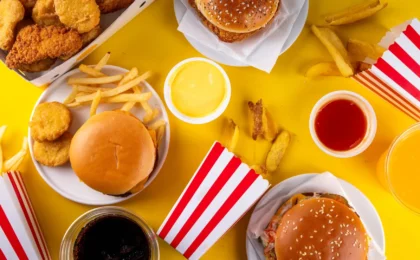

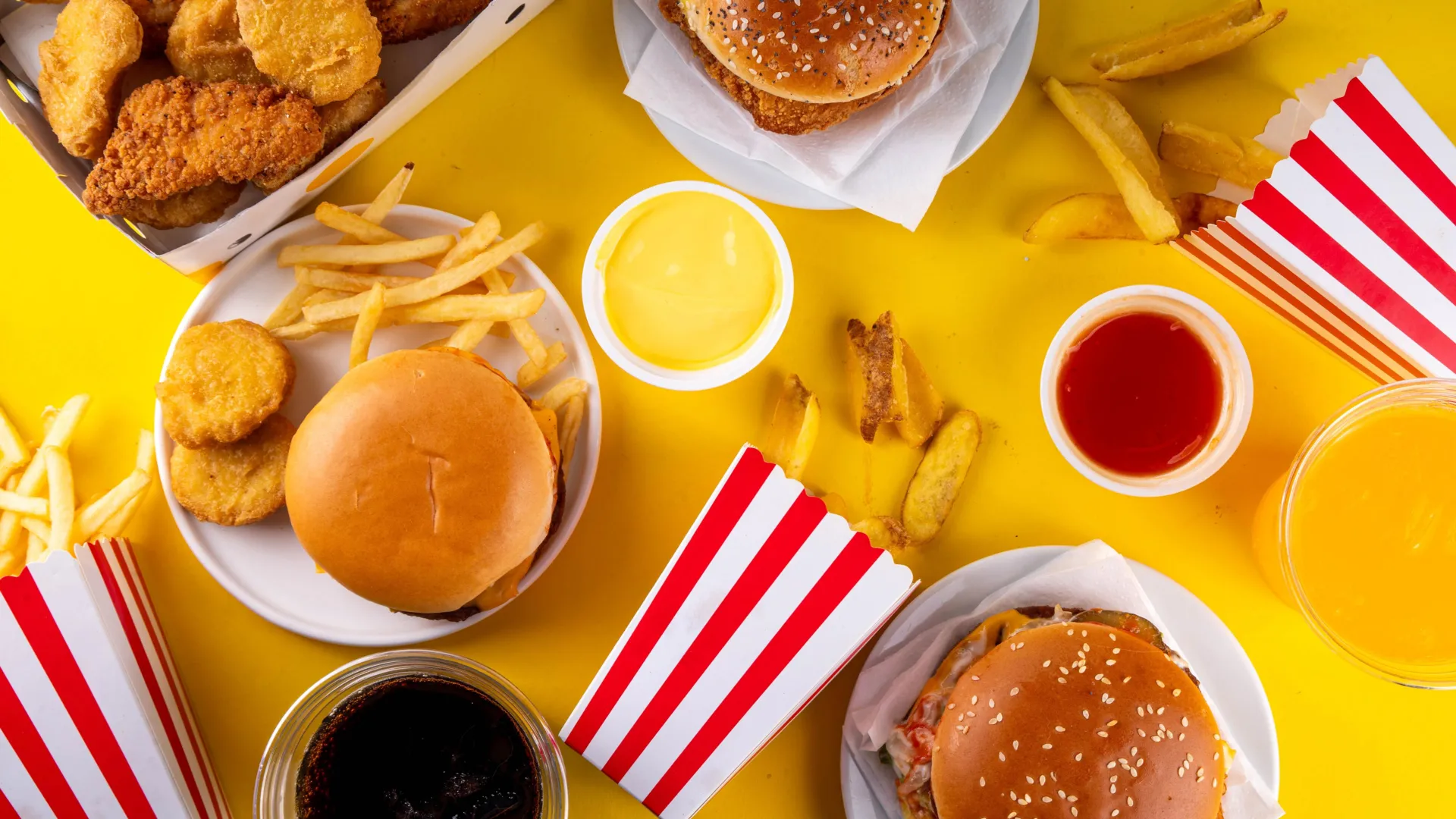
For years, the nutritional narrative surrounding "ultra-processed foods" (UPFs) has been increasingly monolithic. Defined by their industrial manufacturing processes—often involving additives, stabilizers, and high-heat transformation—these items have become the primary focus of public health warnings, frequently lumped together as a singular, uniform threat to human health. However, a landmark study involving nearly half a million Americans is challenging this reductionist perspective, suggesting that the "ultra-processed" label may be a blunt instrument in the pursuit of cancer prevention.
The research, led by Dr. Erikka Loftfield of the National Cancer Institute (NCI) and published in the journal PLOS Medicine, posits that when it comes to colorectal cancer (CRC), the composition of food matters far more than the method of its processing.
The Core Revelation: Deconstructing the UPF Category
The findings, which draw from an extensive analysis of 461,682 participants, reveal a nuanced reality that contradicts the "all or nothing" approach to dietary processing. While the researchers found no statistically significant overall association between total UPF consumption and the incidence of colorectal cancer, the data splintered once they peered beneath the surface of the broad UPF category.
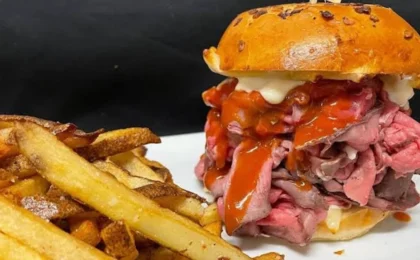
When food items were categorized by their specific nutritional profiles, the results became strikingly clear. Ultra-processed foods that were rich in whole grains, fiber, and dairy products were actually linked to a lower incidence of colorectal cancer. Conversely, ultra-processed meat products were associated with a higher risk.
This dichotomy suggests that a loaf of whole-grain bread—even if it undergoes industrial processing—carries a vastly different biological impact than a processed sausage or deli meat. By focusing solely on the "ultra-processed" classification, public health messaging may inadvertently conflate healthy, fiber-rich staples with nutrient-poor, inflammatory products.
A Chronology of the Study: Tracking Two Decades of Health
To achieve this level of granular insight, researchers utilized the robust framework of the NIH-AARP Diet and Health Study. The project’s timeline underscores the scale and longitudinal nature of the investigation:
- 1995–1996 (Baseline): Recruitment began for 461,682 participants, aged 50 to 71. At this stage, participants completed comprehensive dietary questionnaires to establish baseline eating habits.
- The Follow-Up Period: Researchers tracked these individuals for a median of 18.8 years, culminating in data collection through 2018. This long-term monitoring allowed the team to observe the development of colorectal cancer across nearly two decades of aging.
- Methodological Framework: The research team utilized the NOVA classification system, the industry standard for categorizing foods based on the extent and purpose of industrial processing. By applying this to the baseline dietary data, they could map food consumption patterns against subsequent medical diagnoses of colorectal cancer.
- 2024 (The Findings): The culmination of this decades-long observation was published in PLOS Medicine, providing a definitive, albeit complex, look at how modern diets influence one of the most common forms of cancer in the United States.
Supporting Data: The Substitution Effect
The study’s most actionable insight lies in its "substitution analysis." The researchers modeled what would occur if individuals replaced a portion of their ultra-processed diet with less processed alternatives.
The data revealed that substituting just 10% of one’s ultra-processed food intake by weight with minimally processed or unprocessed foods was associated with a 2% lower incidence of colorectal cancer. While a 2% reduction may seem modest on an individual level, when applied to the population-wide scale of American dietary habits—where ultra-processed foods account for more than 50% of the average adult’s daily caloric intake—the public health implications are profound.
The study also confirmed that the risk profile of these foods remained consistent with existing medical guidance:
- Whole Grains & Fiber: Regardless of their processing status, higher intake correlated with reduced risk.
- Calcium & Dairy: Similarly associated with protective effects.
- Processed Meats: Consistently emerged as a risk factor, regardless of the processing intensity.
Official Responses and Expert Perspective
Dr. Erikka Loftfield, the lead author of the study, emphasized that the goal is not to give a "pass" to all industrial foods, but to refine how we interpret dietary data.
"In this large population of older US adults, we did not observe an association between total ultra-processed food intake and colorectal cancer incidence," Dr. Loftfield noted in the study’s summary. "However, when we looked at food groups… we found that associations were in line with current dietary guidance for colorectal cancer prevention, such that higher whole grain and dairy but lower meat intakes were associated with lower colorectal cancer incidence."
The study was funded by the Intramural Research Program of the National Cancer Institute, and while the findings were robust, the authors were careful to maintain scientific rigor regarding the limitations of the data. They noted that the funding organization had no role in the study design, data collection, or the final decision to publish, ensuring the independence of the analysis.
The Caveats: Why Context Matters
Despite the size and scope of the research, the authors acknowledge several limitations that prevent these findings from being a "final word."
- Demographic Homogeneity: The participant pool was predominantly composed of older, white Americans. This lack of racial, ethnic, and age-based diversity means that the results may not be generalizable to younger populations or to the diverse demographic tapestry of the broader American public.
- The Snapshot Problem: Dietary information was collected via a single questionnaire at the start of the study. Human diets are notoriously fluid; they shift with socioeconomic changes, health trends, and personal preference. The inability to account for these shifts over 18 years represents a significant methodological limitation.
- The Evolving Food Landscape: The variety and availability of ultra-processed foods have exploded since the mid-1990s. The food environment in 2024 is vastly different from that of 1995. As such, the baseline assessments may have underestimated the sheer volume and the "ultra-processed" nature of the diets participants followed in the later years of the study.
- Observational Nature: As an observational study, the research cannot definitively prove causation. It identifies strong correlations, but it cannot claim that ultra-processed foods are the sole driver or preventer of cancer, as other lifestyle factors—such as physical activity, smoking, and genetics—inevitably play a role.
Implications: A Shift Toward Nutritional Literacy
The implications of this study are significant for both clinical practice and public health policy. For decades, the "ultra-processed" label has served as a convenient shorthand for "unhealthy." While this has helped consumers avoid hyper-palatable, nutrient-poor junk food, it has also created a climate of dietary confusion where nutritious, convenient items (like fortified cereals or whole-grain breads) are unfairly vilified.
1. Moving Beyond the "UPF" Blanket Term:
Health professionals should move toward educating the public on nutritional density rather than processing status. A piece of processed meat is fundamentally different from a piece of processed whole grain.
2. Strengthening Dietary Guidelines:
The study reinforces that current guidelines—which focus on fiber intake, calcium, and the limitation of processed meats—are scientifically sound. These guidelines do not need to be replaced by a broad "anti-processing" mandate, but rather bolstered by more specific, actionable advice.
3. The Future of Food Research:
This study serves as a call for more granular food research. Future longitudinal studies should look to capture dietary changes in real-time, perhaps through digital tracking or repeat assessments, to better understand how modern dietary habits fluctuate and impact health over time.
In conclusion, the NCI study provides a vital reality check. By demonstrating that the link between diet and cancer is mediated by the specific nutrients within a food rather than the factory in which it was produced, researchers have opened a more nuanced conversation. It is a reminder that in the complex world of nutrition, there is no substitute for looking at the label, understanding the contents, and prioritizing the core components of a healthy diet—fiber, grains, and dairy—regardless of how they made their way onto the shelf.