Acura, the luxury division of Honda, is embarking on a pivotal chapter in its history. As the automotive landscape pivots toward electrification, hybrid technology, and the insatiable consumer demand for larger, more capable SUVs, Acura is moving to reinvent its portfolio. With a stated goal of reaching 200,000 annual sales in the United States by the end of the decade, the Japanese automaker is aggressively expanding its footprint, moving from a four-vehicle lineup to a robust six-model roster.
This strategic pivot was recently unveiled to dealers during an exclusive meeting in Las Vegas, where company leadership outlined a vision that emphasizes market-specific design, high-capability utility vehicles, and the integration of next-generation hybrid powertrains.
The Strategy: Expanding the Footprint
To hit the 200,000-unit target, Acura recognizes that its current offerings—while reliable and well-regarded—are insufficient to capture the breadth of the luxury market. Following a 2025 sales performance of 133,433 units, the brand is aware that it must bridge a significant gap. The solution, according to industry reports and dealer briefings, is a two-pronged approach: strengthening the core crossover lineup and introducing new, high-margin flagship vehicles.
The expansion to six models is designed to ensure that Acura has a competitive entry point in every major luxury segment, from compact, urban-friendly crossovers to full-size, three-row family haulers that can go toe-to-toe with established German and domestic rivals.
Chronology of the Transformation: What to Expect
Acura’s roadmap is not merely a long-term dream; it is a schedule of near-term product launches and systematic refreshes.
2025: The Transition Phase
The current year marks a period of consolidation. As the brand prepares for its future, the current RDX is slated to go on hiatus following the conclusion of its production run later this year. This is a calculated risk; by clearing the deck, Acura is making room for a modernized, hybrid-first replacement that will define the brand’s design language for the next five years.
2026–2027: The Rise of the Hybrid and the Adventure SUV
The most anticipated arrival is the "adventure-ready" SUV, scheduled to reach showroom floors in the first half of 2028. Drawing its DNA from the Honda Passport, this new model is expected to be more than a simple rebadging exercise. Reports indicate that while the vehicle will share a chassis and architecture with its Honda sibling, it will feature distinct, upscale styling, including a unique hood and an interior focused on premium materials and advanced infotainment.
During this window, Acura will also focus on limited-production runs and special editions of the current ADX and MDX models to maintain consumer interest and dealer traffic while the new architecture is being finalized.
2028–2030: The Flagship Era
The culmination of the brand’s plan is the introduction of an eight-passenger flagship SUV. This vehicle is intended to be the crown jewel of the Acura lineup, signaling a move into the ultra-competitive full-size luxury SUV segment. Expected to share a platform with the next-generation MDX—and potentially a future Honda variant internally dubbed the "Pilot XXL"—this flagship is designed to challenge the dominance of the Cadillac Escalade and the Lexus TX.
Supporting Data and Market Realities
Acura’s target of 200,000 units is an ambitious benchmark, particularly when viewed against the backdrop of the broader luxury "rat race." The current market is hyper-competitive, with legacy luxury brands doubling down on their own volume targets.
For instance, Mercedes-Benz has publicly signaled an intention to hit 400,000 annual units in the U.S. While Mercedes-Benz currently trails this goal—reporting just over 300,000 sales in 2025—the sheer scale of their ambition highlights the pressure on mid-tier luxury players like Acura to evolve or risk losing market share.
Acura’s current sales of approximately 133,433 units suggest that the brand is currently serving a loyal, niche audience. To reach 200,000, the brand must conquest buyers from other premium manufacturers. This is where the "adventure" and "flagship" strategies become critical; by entering the full-size SUV segment, Acura is finally attempting to capture the high-spending families that have historically been forced to look toward Lexus, Cadillac, or Land Rover.
The Technological Pivot: Hybridization
A significant component of this transformation is the brand’s commitment to electrification, specifically through the implementation of a new two-motor hybrid system. The next-generation RDX will be the first model to usher in this technology, serving as a testbed for the brand’s hybrid strategy.
By choosing to prioritize hybrids over immediate, full-scale battery electric vehicles (BEVs) for its volume models, Acura is acknowledging the current reality of the U.S. market: consumers want better fuel efficiency and lower emissions, but many remain wary of charging infrastructure and the range limitations of current EV technology. A hybrid-led strategy allows Acura to offer the performance benefits of electric motors—instant torque and responsiveness—without sacrificing the utility and convenience of a combustion engine.
Implications for the Brand and the Consumer
What does this mean for the loyal Acura buyer? First, it signals a shift in brand identity. The "Precision Crafted Performance" ethos is evolving. The future of the brand is not just in sporty sedans like the Integra Type S, but in "lifestyle-focused" utility vehicles.
Design Language Evolution
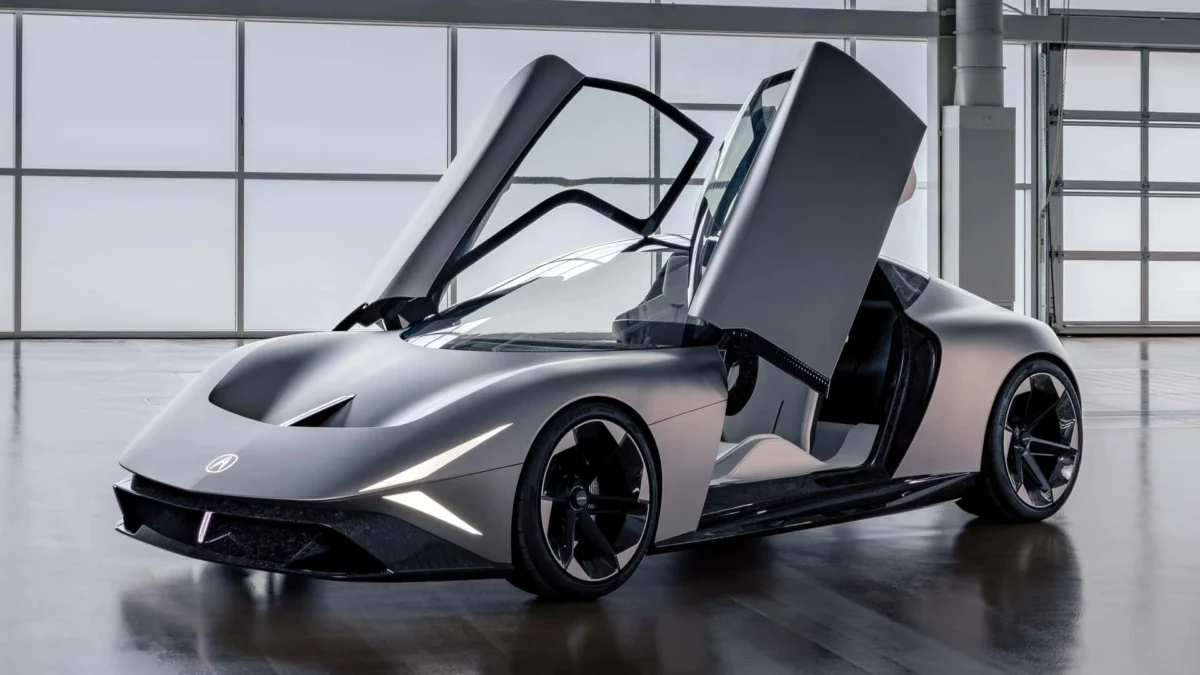
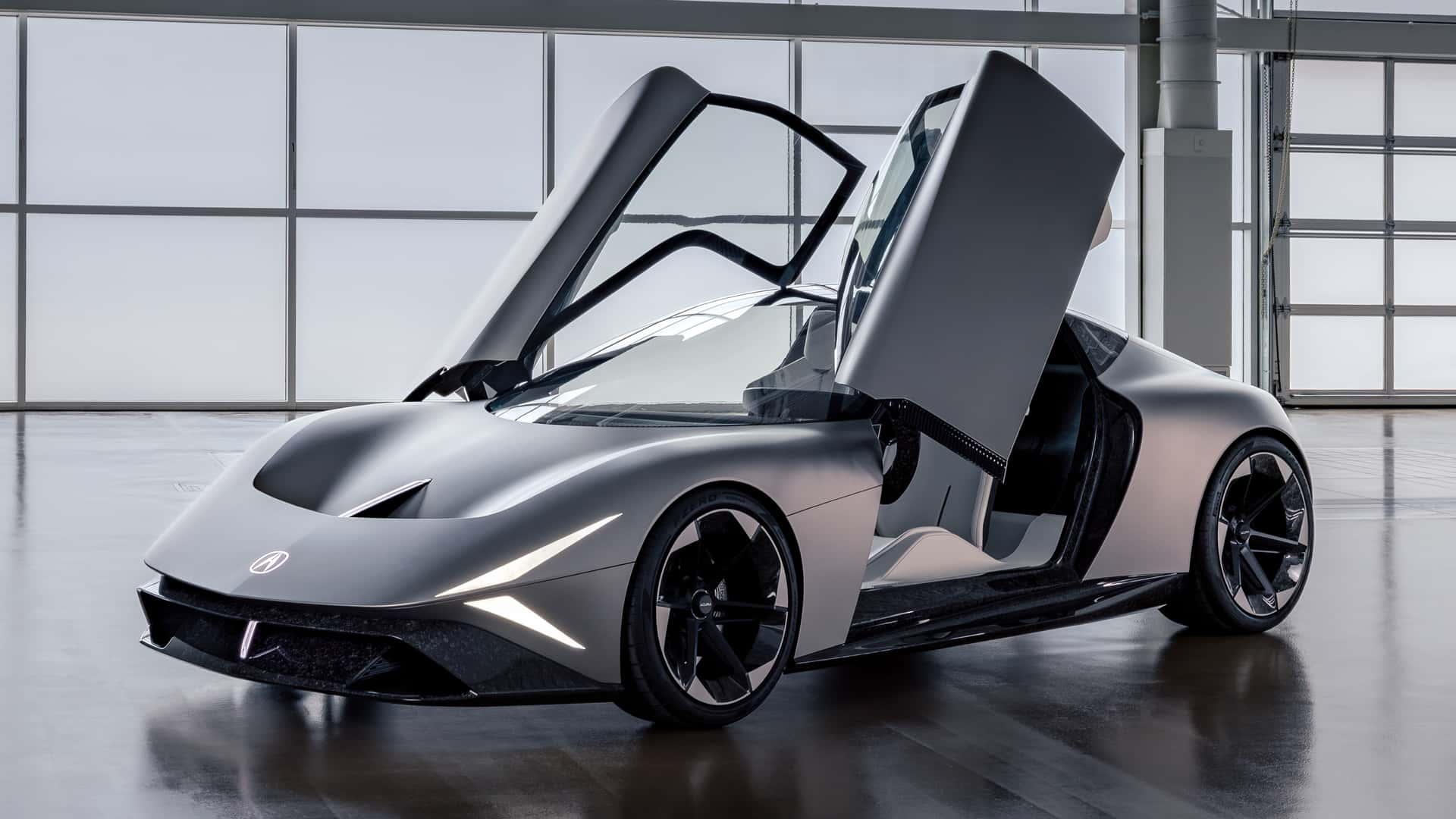
The teaser images released in January hinted at a sleeker, more aerodynamic design language. This shift is essential to differentiate Acura from the more utilitarian look of its Honda parent company. By moving toward a "Range Rover-like" aesthetic for its upcoming flagship, Acura is aiming to capture a more sophisticated aesthetic that resonates with modern, affluent buyers.
The Competitive Landscape
The introduction of a new, large-scale SUV creates a ripple effect throughout the industry. If the "Pilot XXL" and its Acura counterpart succeed, it will force other Japanese and Korean manufacturers to reconsider their own full-size lineups. Furthermore, for the consumer, this creates a new option in a segment that has been largely dominated by American and European luxury brands for decades.
Risks and Challenges
The primary risk for Acura is the execution of its platform sharing. While sharing parts with Honda is a tried-and-true method for increasing profitability, it can sometimes dilute the "luxury" feel of a brand. If the new flagship feels too much like a Honda Pilot, the brand may struggle to justify the price premium required to compete with a Cadillac or a Range Rover. Acura’s success will depend on its ability to offer distinct, segment-leading technology and a cabin experience that feels truly premium.
Conclusion: A High-Stakes Balancing Act
Acura is at a crossroads. The brand has the heritage and the engineering foundation to succeed, but the gap between 133,000 and 200,000 sales is substantial. It requires more than just new models; it requires a wholesale shift in how the public perceives the brand.
By focusing on the most profitable and high-growth segments—specifically the three-row SUV and the adventure-ready crossover—Acura is playing the odds. The company’s decision to maintain internal combustion engines while transitioning to advanced hybrid systems is a pragmatic, well-calculated move that balances current market demands with the inevitability of electrification.
As the decade draws to a close, the automotive industry will be watching closely to see if these "adventure-ready" and "flagship" additions are enough to propel Acura into the upper echelons of the U.S. luxury market. With a clear timeline, a revamped lineup, and a commitment to hybrid innovation, Acura is no longer sitting on the sidelines—it is positioning itself to be a primary player in the next era of luxury mobility.