The automotive world has been buzzing with anticipation since the final Hemi V8 rolled off the assembly line in late 2023. For muscle car enthusiasts, the transition to the new, streamlined Charger platform—defined by its sleek, electrified, and inline-six-powered architecture—felt like the end of an era. However, whispers from the industry have grown into a chorus of credible reports: the internal combustion beast is not just returning; it is being prepared for a grand comeback.
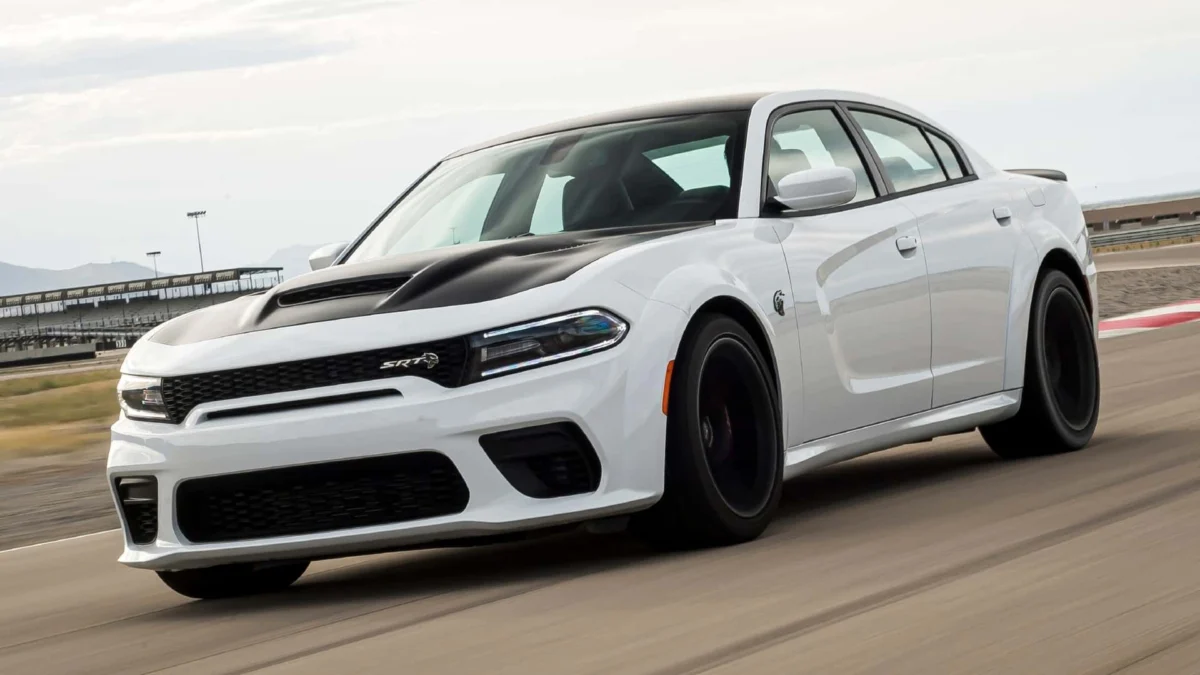
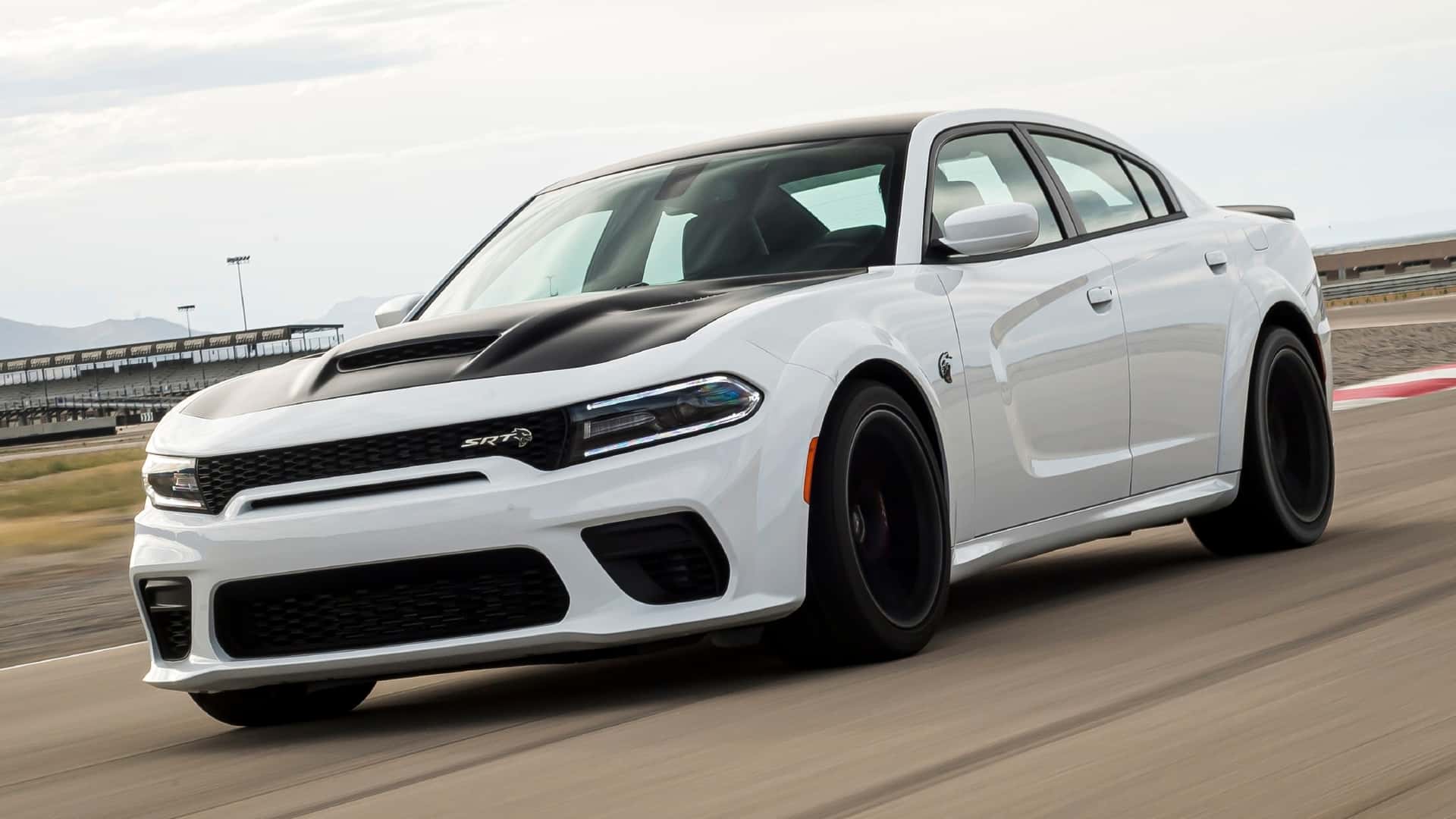
According to a recent report from Automotive News, Dodge is moving forward with plans to revive the legendary Charger SRT Hellcat. Armed with the iconic supercharged 6.2-liter V8 engine, this high-performance powerhouse is reportedly slated for production by the end of 2027, signaling a strategic pivot that prioritizes the brand’s deep-rooted performance heritage.
The Strategic Shift: A Commitment to Muscle
For years, Dodge has walked a tightrope between meeting stringent federal emissions mandates and maintaining the visceral, high-horsepower appeal that defines the "Brotherhood of Muscle." While the current generation of the Charger has introduced innovative battery-electric (BEV) and twin-turbocharged inline-six powertrains, the market’s response has been clear: there is no substitute for the raw character of a Hemi V8.
Industry insiders suggest that Dodge is betting heavily on this return. Reports indicate that the automaker has already engaged suppliers with a production target of 12,000 units per year for the new Hellcat. This volume suggests that Dodge views the V8-powered Charger not merely as a limited-edition collector’s item, but as a core component of its strategy to retain its most loyal and performance-focused customers.
Chronology of a Comeback: From Sunset to Resurgence
To understand the significance of this development, one must look at the timeline of the platform’s evolution.
- December 2023: The final Hemi-powered Dodge Charger and Challenger vehicles officially ceased production, marking the end of a decade-long dominance of the LX platform.
- Late 2024: Production of the new-generation Charger—a versatile architecture designed for both two-door and four-door configurations—commenced, primarily as a battery-electric vehicle.
- 2025: The introduction of the internal-combustion-powered Charger, utilizing the 3.0-liter "Hurricane" twin-turbo inline-six, began reaching dealership floors. While technologically advanced and potent, it faced inevitable comparisons to the outgoing V8 models.
- August 2026 (Projected): Industry analysts anticipate a formal reveal of the resurrected Charger SRT Hellcat at the annual "Roadkill Nights" event. This venue, which previously hosted the debut of the Charger Super Bee featuring a 600-horsepower inline-six, would be the most fitting stage for the return of the Hemi.
- Late 2027: The anticipated start of production for the new Hellcat-badged models.
Supporting Data: Sales Trends and Market Dynamics
Dodge’s decision to reintroduce the V8 is supported by a complex sales landscape. Through September, the brand reported 8,029 sales of the new combustion-powered Charger across both body styles. While this represents a staggering 330 percent increase compared to the same period a year ago, it is essential to contextualize these figures against the historical performance of the previous generation.
In its final year of production, the outgoing platform moved 75,920 Charger sedans and 44,960 Challenger coupes. While the new model is steadily gaining traction, it remains far below the volume achieved during the peak of the Hemi’s popularity. By reintroducing the Hellcat, Dodge is clearly aiming to bridge this gap, capturing the segment of the market that prioritized the V8 experience above all else.
Furthermore, the integration of the supercharged 6.2-liter V8—the same powerplant currently utilized in the revived Ram TRX and the new Rumble Bee—provides a proven, high-performance foundation. With outputs reaching as high as 777 horsepower in other applications, the potential for a new, more powerful SRT variant is significant.
Official Responses and Corporate Strategy
When approached for comment regarding the Automotive News report, a spokesperson for Dodge maintained the company’s standard policy: "We do not comment on future product plans."
However, during an interview in August, Dodge CEO Matt McAlear offered a glimpse into the brand’s long-term vision. When pressed on the future of the SRT brand and the possibility of a V8 return, McAlear was emphatic that the current lineup is not the "finish line."
"We haven’t even started talking about what SRT’s working on," McAlear stated. "So, make no mistake, this isn’t the finish line. We’ll keep pushing. We’ll keep going."
This sentiment aligns with the broader Stellantis "FaSTLAne 2030" roadmap, which previously hinted at the development of an SRT-badged Charger variant. While the company remains tight-lipped on specific engineering details, the message is clear: Dodge is not abandoning its performance roots. Instead, it is diversifying its portfolio to ensure that it has an answer for every segment of the enthusiast market.
Future Implications: What to Expect
The rumored return of the Charger SRT Hellcat is expected to be more than just a transplant of an old engine into a new frame. Enthusiasts should look forward to an aesthetic and functional evolution:
- Aggressive Aerodynamics: Expect a more pronounced hood scoop designed to feed the massive intake requirements of the supercharged V8, along with a functional, high-downforce rear wing.
- Performance Benchmarks: With the current industry standard pushing well past the 700-hp mark, the new Hellcat will likely be tuned to exceed its predecessors, potentially utilizing the 777-hp calibration found in other Stellantis performance products.
- Expansion of the Lineup: Beyond the Charger, Dodge is actively diversifying. The forthcoming GLH crossover, which promises to target the "sedan/hot-hatch" market with a sub-$40,000 starting price for non-SRT variants, shows that Dodge is balancing high-margin halo models with high-volume accessible performance.
- A Brand in Transition: The move to keep the V8 alive alongside the new inline-six and electric platforms suggests a "multi-energy" approach. By offering a variety of powertrains, Dodge is positioning itself to survive the transition to electrification without alienating the base that built the brand’s reputation.
The Broader Context: Why the V8 Still Matters
The enduring appeal of the Hemi V8 in the Dodge lineup is rooted in more than just horsepower. It is a cultural touchstone. In an automotive landscape increasingly dominated by silent electric motors and complex, high-revving four-cylinder engines, the low-end torque, mechanical vibration, and signature exhaust note of a supercharged V8 offer a sensory experience that many buyers are not yet ready to relinquish.
By choosing to bring back the Hellcat, Dodge is acknowledging that "performance" means different things to different people. For some, it is the efficiency and precision of a twin-turbo inline-six; for others, it is the raw, unadulterated power of a V8. By catering to both, Dodge is attempting to maintain its position as the premier American performance brand.
Conclusion: A Calculated Gamble
The path forward for Dodge is as ambitious as it is risky. Developing and producing a high-performance V8 in an era of tightening environmental regulations requires significant investment and engineering ingenuity. Yet, the data suggests that the gamble is worth it.
As we look toward the 2028 model year, the return of the Charger SRT Hellcat represents a bridge between two worlds: the storied history of American muscle and the high-tech future of the automotive industry. If the reports hold true, the next three years will be defined by the sound of superchargers returning to the streets, proving that for Dodge, the "Brotherhood of Muscle" is not just a marketing slogan—it is a promise.
For now, the automotive world waits with bated breath for the next installment of the Dodge story. Whether at Roadkill Nights or through official channels in the coming months, the return of the V8 Charger will undoubtedly be one of the most significant automotive events of the decade. Until then, the industry continues to watch the progress of the Stellantis roadmap with keen interest, knowing that in the world of high-performance vehicles, the most exciting news is often what happens next.