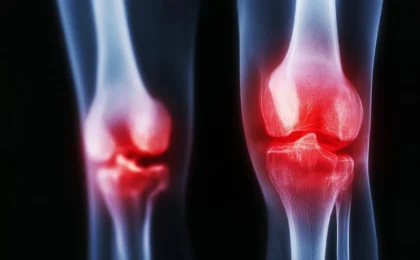
The post-workout "glow" is a universally recognized reward for physical exertion. Yet, for millions of recreational gym-goers, that endorphin-fueled satisfaction is inevitably shadowed by the encroaching onset of Delayed Onset Muscle Soreness (DOMS). This lingering discomfort—a hallmark of microscopic muscle fiber damage—often persists for days, turning mundane activities like climbing stairs or carrying groceries into daunting chores.
In a desperate bid to accelerate recovery and reclaim their physical mobility, fitness enthusiasts are increasingly adopting a suite of professional-grade recovery protocols once reserved for the rarefied world of elite athletes. From the icy depths of cryotherapy plunge pools to the high-tech embrace of pneumatic compression sleeves, the "recovery economy" is booming. Fueled by social media influencers and the high-performance culture of professional sports, these interventions promise to banish soreness and fast-track performance. However, beneath the polished marketing and viral testimonials, the scientific reality is far more nuanced, suggesting that the shortcut to recovery may, in some cases, be a detour from progress.
The Evolution of the Recovery Industry: A Chronology
The transition of recovery techniques from clinical settings to the home gym has been rapid, facilitated by three distinct phases over the last decade:
- The Professional Influence (2010–2015): Recovery technology was largely confined to professional training facilities. Sports scientists began standardizing ice baths and specialized massage therapies for Olympians and professional football teams, aiming to maximize recovery windows between high-intensity fixtures.
- The Social Media Explosion (2016–2020): Platforms like Instagram and TikTok transformed these clinical practices into aesthetic lifestyle markers. "Ice bath influencers" and fitness personalities began showcasing home recovery setups, democratizing access while simultaneously stripping away the clinical oversight that originally governed their use.
- The Commercialization Peak (2021–Present): We are currently in the era of the "smart" recovery market. Consumers can now purchase portable cold plunges, Bluetooth-enabled compression boots, and an endless array of targeted supplements. This phase is characterized by a "more is better" mindset, often prioritizing convenience and speed over physiological necessity.
Supporting Data: Dissecting the Evidence
The scientific community has spent considerable resources scrutinizing these interventions. When we move past the anecdotal evidence, a complex picture emerges: recovery is not a singular physiological event, but a series of competing biological processes.
The Ice Bath Dilemma
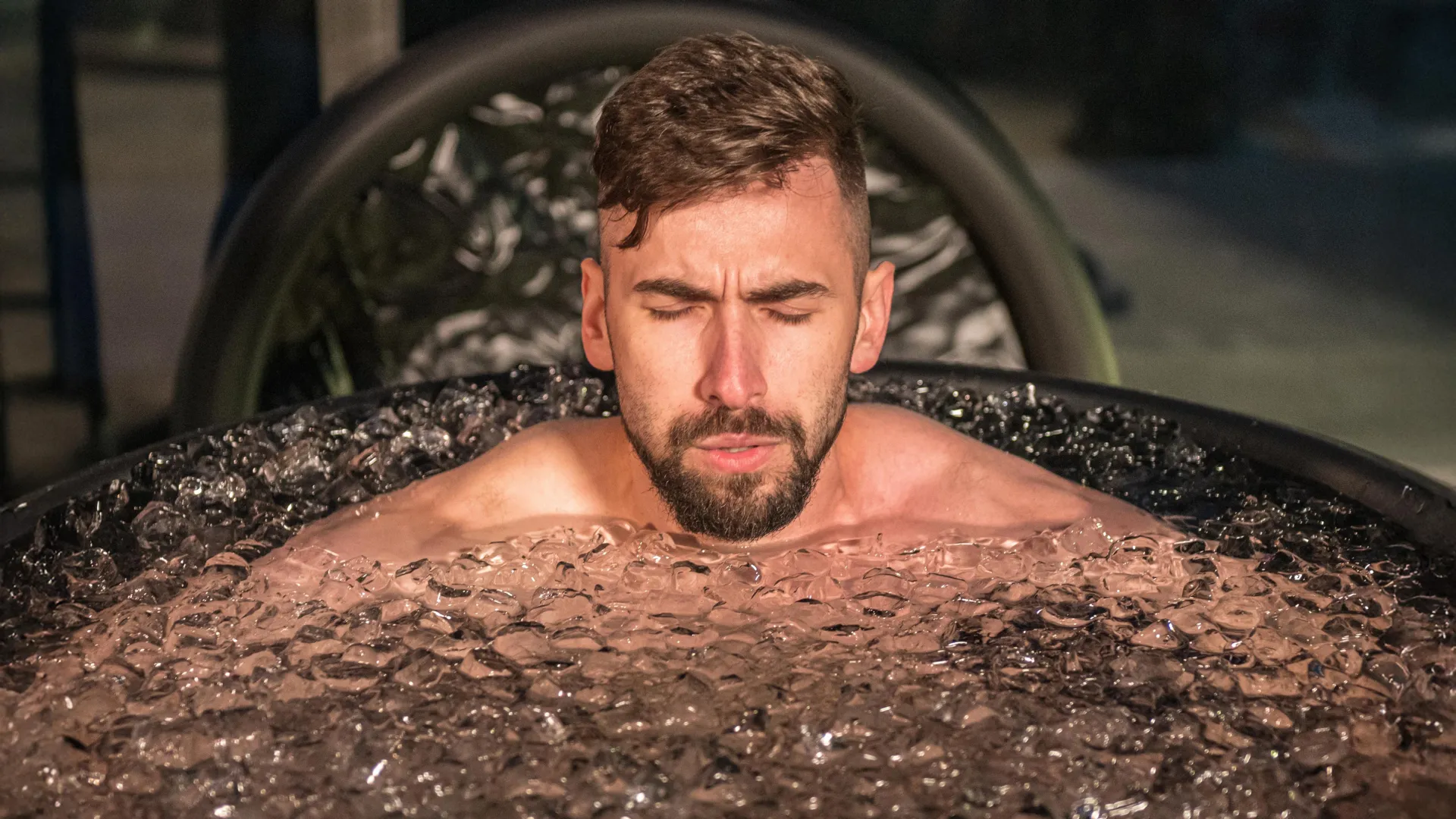
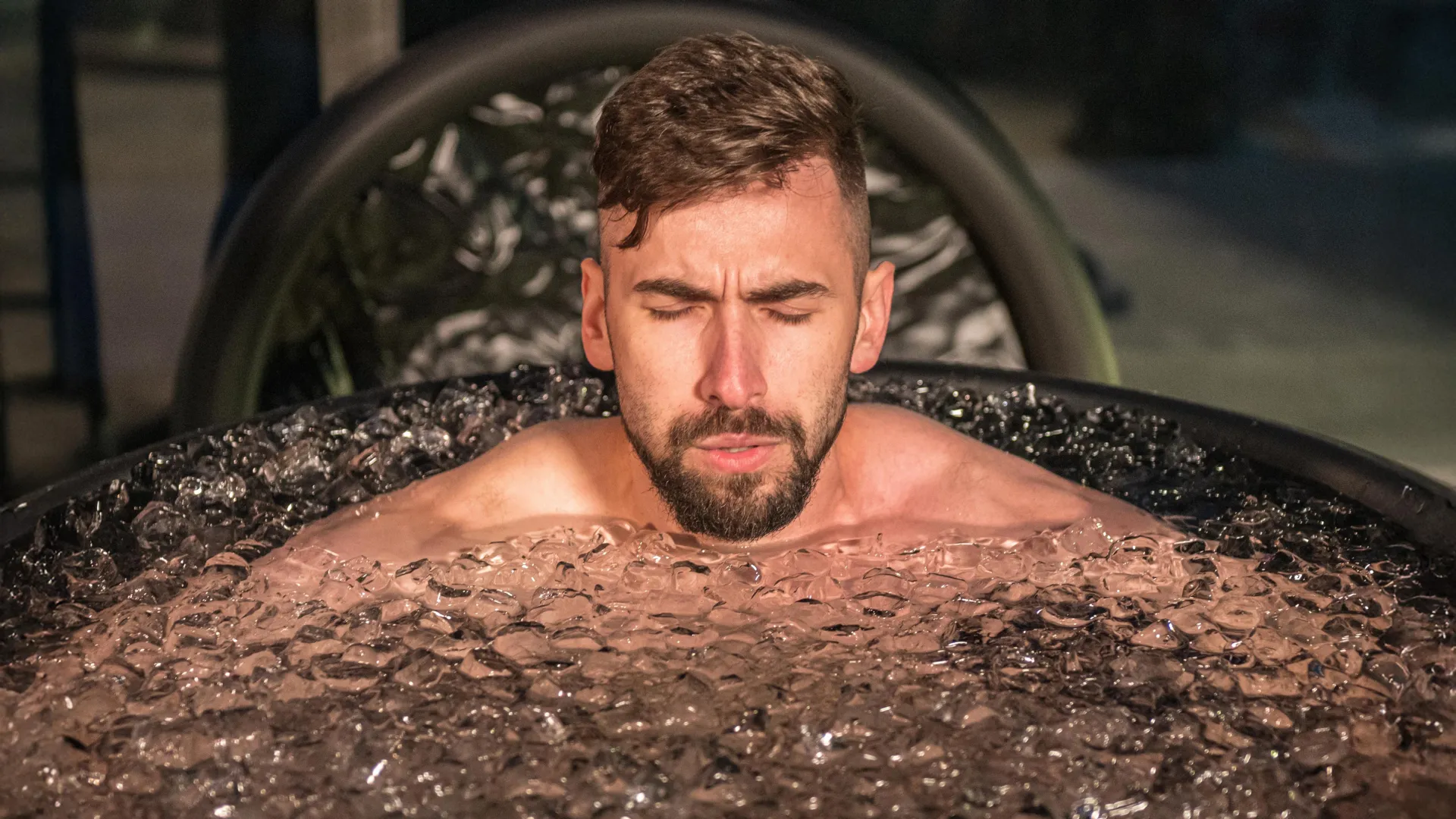
Immersion in water below 15°C is perhaps the most debated intervention in the fitness world. Research confirms that cold-water immersion (CWI) is highly effective at reducing the inflammatory response, which significantly diminishes the sensation of pain within a 24-hour window.
However, the "catch" is profound. Inflammation is not merely a byproduct of exercise; it is a vital signaling mechanism. When we train, we create micro-tears in muscle fibers. The resulting inflammatory response is the catalyst for muscle repair and, ultimately, hypertrophy (muscle growth). By aggressively dampening this response with ice, athletes may be inadvertently "switching off" the very biological adaptations they worked so hard to trigger. Consequently, chronic use of ice baths is increasingly viewed as potentially counterproductive for those seeking long-term muscle development.
Compression Garments: Physiology vs. Perception
Compression gear is designed to apply external pressure to the limbs, purportedly enhancing venous return and lymphatic drainage. While studies demonstrate that these garments can indeed improve blood flow parameters compared to placebo, the impact on actual muscular performance remains underwhelming.
A pivotal 2022 study utilized a double-blind approach, giving one cohort compression garments and another a placebo treatment they believed was equally effective. While the compression group showed improved circulation, there was no statistically significant difference in performance recovery between the two groups. The conclusion? Compression garments may provide a psychological edge—the "feel-good" factor—but they do not serve as a magic bullet for biological muscle repair.
Massage: The Comfort Factor
Massage therapy occupies a unique position in the recovery canon. It is consistently lauded for its ability to reduce perceived muscle soreness and improve the subjective feeling of "readiness." Mechanistically, it is thought to reduce muscle stiffness and promote relaxation, which can lower cortisol levels. Yet, when researchers look for objective improvements in strength or power output post-massage, the results are modest at best. Massage is an excellent tool for stress management and discomfort relief, but it should not be confused with a physiological restorative agent for muscle function.
Supplementation: The Myth of the "Bottle-Necked" Recovery
The dietary supplement industry has successfully marketed recovery as a product to be consumed. While the science supports certain compounds, it largely dismisses the hype surrounding many popular "recovery" potions.
- Whey Protein: This remains the gold standard. As a complete protein source rich in leucine, it is scientifically validated to stimulate muscle protein synthesis. However, it is an aid for repair, not necessarily a cure for soreness.
- BCAAs (Branched-Chain Amino Acids): Once the darling of the supplement world, BCAAs have fallen out of favor in rigorous scientific circles. Because they only provide three of the nine essential amino acids, they are insufficient for comprehensive muscle repair. Whole foods like eggs, lean beef, or soy provide a superior, complete amino acid profile.
- Tart Cherry Juice: Emerging research into the polyphenols found in tart cherries suggests they may indeed help lower markers of oxidative stress and inflammation. While the evidence is promising, the effects remain small-to-moderate.
- Omega-3s: While often touted for their anti-inflammatory properties, the clinical data regarding their direct impact on exercise recovery is inconsistent and, for many, likely negligible.
Official Responses and Expert Consensus
The consensus among leading sports physiologists is shifting toward a "less is more" approach. Dr. Aris Vlachopoulos, a researcher in sports science, notes that "the body is remarkably adept at recovery if the foundational elements are met."
The industry is seeing a pushback against the "bio-hacking" culture. Sports medicine boards are increasingly cautioning athletes against the overuse of cold therapy during hypertrophy-focused training phases. The official advice is clear: prioritize the physiological fundamentals—sleep, nutrition, and periodized training—before considering expensive external interventions.
Implications: The Path Forward
The fundamental takeaway from current research is that recovery cannot be bottled, frozen, or compressed into a shortcut. The modern fitness enthusiast is often chasing the "symptom" (soreness) rather than supporting the "process" (adaptation).
The Implications for the Recreational Athlete:
- Stop chasing soreness: A certain degree of discomfort is a sign of progress. Attempting to eliminate it entirely through ice baths may be sabotaging your long-term results.
- Focus on the "Big Three":
- Sleep: Quality, 7–9 hour sleep cycles remain the most potent recovery tool available, during which the majority of growth hormone is released.
- Nutrition: Prioritize whole-food protein sources and complex carbohydrates to replenish glycogen stores.
- Active Recovery: Light, low-impact movement, such as walking or gentle swimming, often facilitates blood flow more effectively and naturally than static recovery methods.
- Evaluate your investment: Before purchasing high-cost recovery gear, ask if the financial investment is commensurate with the marginal gains provided. Often, the money is better spent on higher-quality food or professional coaching.
In conclusion, while the allure of high-tech recovery gadgets is understandable in our fast-paced culture, the science suggests that we have been looking in the wrong places. Recovery is not a product to be purchased, but a biological state to be supported. By returning to the basics and understanding the role of inflammation in physical growth, athletes can stop fighting their own biology and start working with it. The true "recovery hack" is not a gadget or a supplement—it is the consistent application of rest and nutrition that the body has required since the dawn of human exertion.