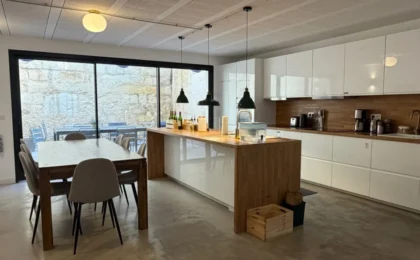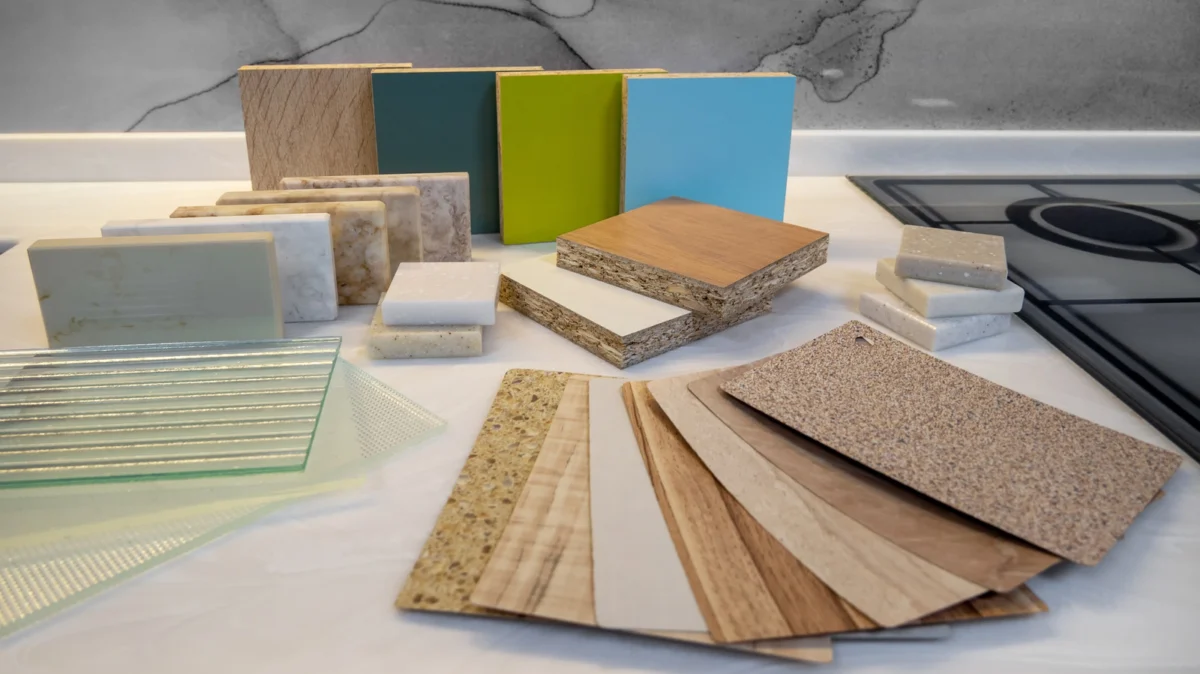
When embarking on a kitchen renovation, the sheer volume of choices can be overwhelming. From the cool, veined elegance of Carrara marble to the industrial, uncompromising durability of stainless steel and the engineered consistency of quartz, homeowners are spoiled for choice. Yet, amidst these premium options, laminate—often referred to by the iconic brand name Formica—remains a ubiquitous presence. Prized for its affordability and ease of installation, it has been a staple in American kitchens since the mid-20th century. However, as interior design trends shift toward longevity and sustainable value, the "budget-friendly" label associated with laminate is increasingly viewed as a double-edged sword. Beneath the glossy, printed surface lies a material with inherent limitations that every homeowner should weigh before committing to a long-term kitchen investment.
The Evolution of a Kitchen Staple: A Brief Chronology
To understand the current standing of laminate, one must look at its origins. The material was not originally intended for the culinary arts. In 1913, the Formica brand was established to manufacture a high-pressure laminate designed specifically for electrical insulation—a material meant to handle high heat and resist electrical conductivity.
By the 1930s, the company pivoted toward decorative applications, realizing that the heat-resistant, durable layers of resin-impregnated paper had aesthetic potential. The real explosion in popularity occurred in the post-World War II era. As American homes underwent a housing boom in the 1950s, laminate became the face of the modern kitchen. It was inexpensive, easy to manufacture in vibrant colors and patterns, and perfectly suited for the burgeoning "space-age" design aesthetic of the time.
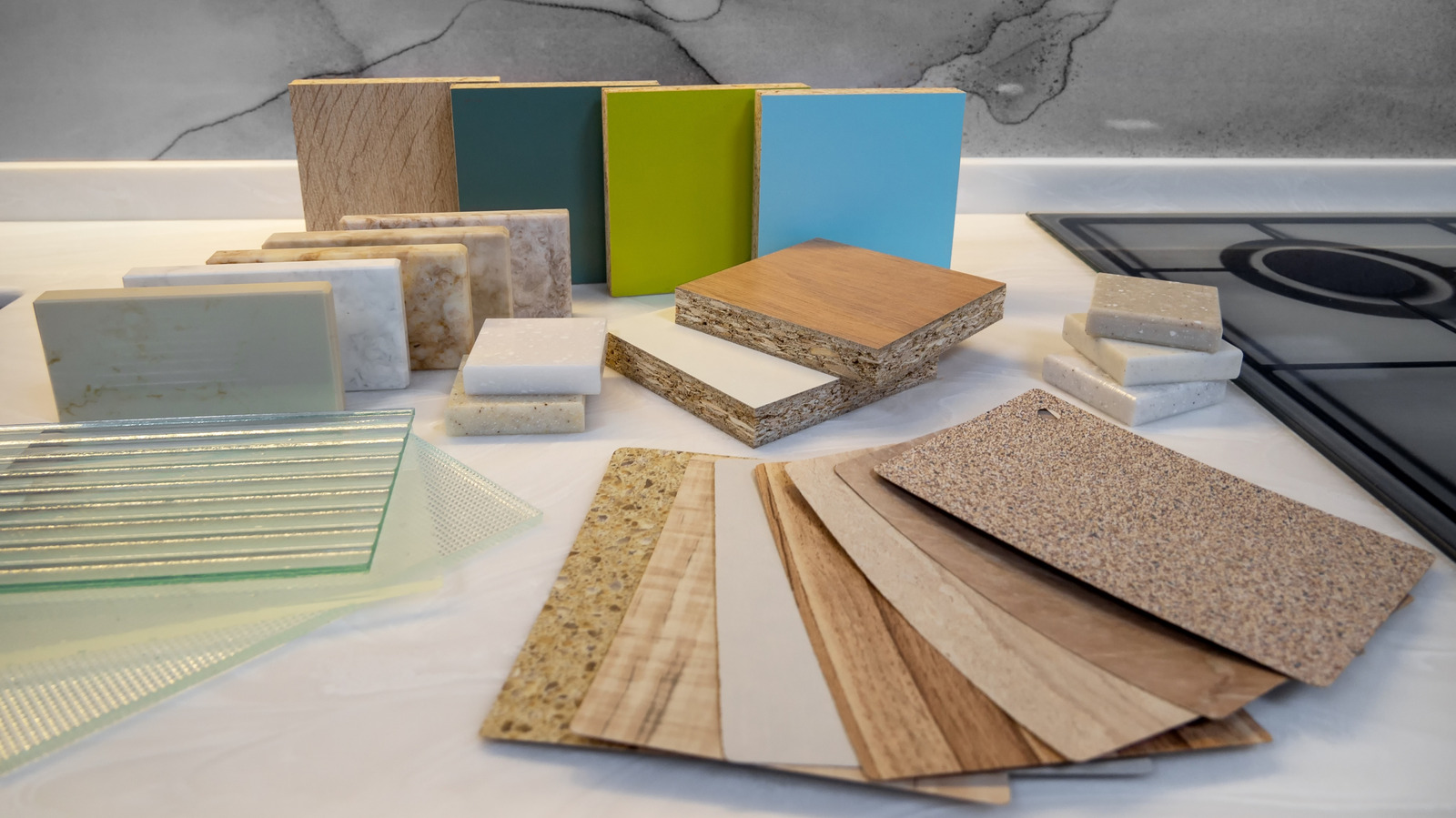
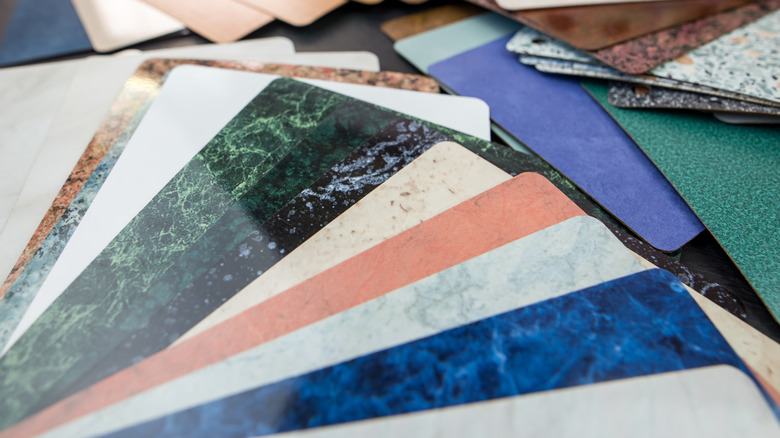
For decades, it was the gold standard of the middle-class kitchen. However, as the 21st century progressed, the rise of "open-concept" living and the increasing role of the kitchen as the central hub of home life—and as a major driver of resale value—pushed laminate to the sidelines in favor of stone and composite materials. While modern printing technology allows laminate to mimic exotic hardwoods and rare marbles with startling accuracy, the underlying material composition remains largely unchanged, creating a disconnect between visual appeal and functional performance.
The Economics of Installation: Why Cheap Isn’t Always Cost-Effective
The primary allure of laminate is, undeniably, its price point. For homeowners on a strict budget or those renovating a property for a quick rental turnover, the low cost of materials and labor is a significant advantage. However, from a real estate appraisal perspective, this is a "low-ceiling" investment.
Professional real estate analysts often note that kitchen renovations are among the few home improvements that offer a significant return on investment (ROI). Surfaces such as quartz, granite, or solid surface materials are viewed by prospective buyers as permanent, high-value assets. Conversely, laminate is widely perceived as a "disposable" surface. When a potential buyer walks into a kitchen featuring laminate countertops, they often mentally calculate the cost of a future replacement. This can lead to lower purchase offers or a reluctance to engage in a bidding war for a home that feels "dated" or "entry-level." In essence, while you save money on the front end, you may inadvertently depress the future value of your home, effectively canceling out the initial savings.
Durability and Lifespan: A Comparative Analysis
When evaluating the longevity of a kitchen surface, the difference between stone and laminate is stark. Materials like granite, marble, and quartz are designed to last for decades, often outliving the cabinetry itself. Stainless steel, the hallmark of the professional kitchen, offers a lifetime of service, with the added benefit of being fully recyclable at the end of its life.
In contrast, laminate has a typical lifespan of roughly 10 to 15 years. This limitation is not merely a matter of material fatigue; it is a consequence of its construction. Laminate consists of layers of wood-based substrate topped with a thin, decorative plastic veneer. Because the material is non-porous but relatively soft, it is exceptionally vulnerable to the daily rigors of a high-traffic kitchen.
Unlike natural stone, which gains a "patina"—an accumulation of minor scratches and color changes that many homeowners view as an aesthetic benefit—laminate does not age gracefully. Signs of wear on laminate, such as thinning patterns or surface dullness, make the entire kitchen appear tired and neglected. There is no "lived-in charm" to be found here; there is only the aesthetic of a surface that has reached its expiration date.
The Vulnerability Factor: Heat, Knives, and Moisture
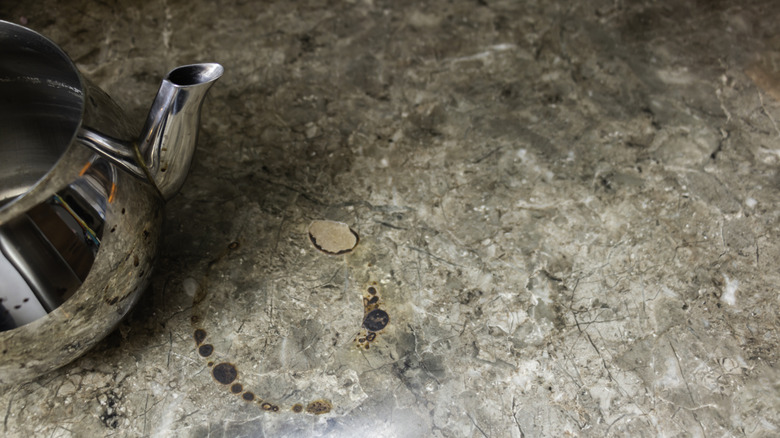
Laminate’s greatest weakness is its fragility in the face of environmental stressors. While advancements have been made in heat resistance, laminate is still, fundamentally, a plastic-based product. It is highly susceptible to thermal shock. Placing a hot pot or pan directly on the surface can result in irreversible scorching, warping, or bubbling of the resin layer. This necessitates the constant use of trivets and heat-resistant mats, which can be an annoyance for the busy home cook who is accustomed to the heat-defying properties of granite or quartz.
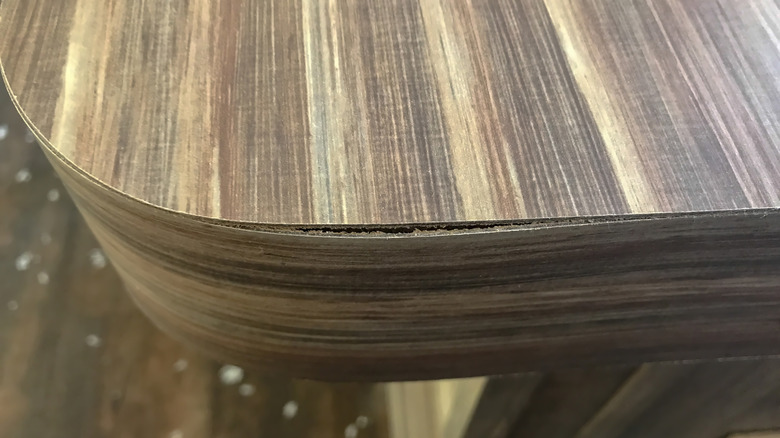
Furthermore, the surface is prone to mechanical damage. Knife marks are a common issue; because the surface is relatively soft, regular meal preparation without a cutting board will leave deep, visible scars that trap bacteria and debris. Even dropping a heavy piece of cookware can lead to chips along the edges—a particularly problematic issue because, unlike stone, the core of a laminate countertop is often a different color than the surface, making any chip immediately visible and unsightly.
Perhaps the most insidious threat to laminate is water. While the surface is designed to be moisture-resistant, the integrity of a laminate countertop depends entirely on the seams and the edges. If water is allowed to seep into a crack, or if the sealant around a sink or cooktop begins to fail, the moisture infiltrates the substrate. Once the wood-based core absorbs water, it begins to swell, causing the laminate to bubble, peel, and delaminate. This process is often invisible until it is far advanced, turning a minor cleaning lapse into a catastrophic structural failure of the countertop.
The Repairability Myth: Why Replacement is Often the Only Option
There is a pervasive belief in the DIY community that laminate can be easily repaired with off-the-shelf kits. While these products can fill a chip or mask a minor scratch, they are, at best, a cosmetic band-aid. They rarely match the color or texture of the original finish perfectly, and the "repaired" area is often weaker than the surrounding surface.
Professional restoration is largely non-existent for laminate. Where a granite countertop can be resurfaced, polished, and sealed to look brand new even after years of use, a damaged laminate surface is almost always destined for the landfill. If a countertop suffers from significant bubbling, deep scorch marks, or widespread peeling, there is no viable way to restore it to its original glory. The only logical recourse is to replace the entire section. While this is cheaper than replacing marble, the aggregate cost of multiple replacements over a 30-year period can easily approach the cost of a single, high-quality, long-lasting surface.
Final Implications: Making an Informed Choice
The choice of countertop material is a defining factor in the character and utility of a kitchen. Laminate serves a specific purpose for a specific demographic—it is the ultimate solution for extreme budget constraints and short-term utility. However, for the homeowner looking to create a space that offers enduring value, durability, and a professional aesthetic, the disadvantages of laminate are difficult to ignore.
When planning your kitchen, consider the "cost of ownership" rather than just the "cost of acquisition." If your kitchen is the heart of your home, where families gather and meals are prepared daily, the investment in a more durable material—even if it requires a larger initial outlay—will almost certainly yield a better return in both personal satisfaction and property value. Laminate may have been the king of the 1950s, but in the modern era, it is a material that requires an informed buyer to look past the attractive price tag and see the long-term reality beneath the surface.