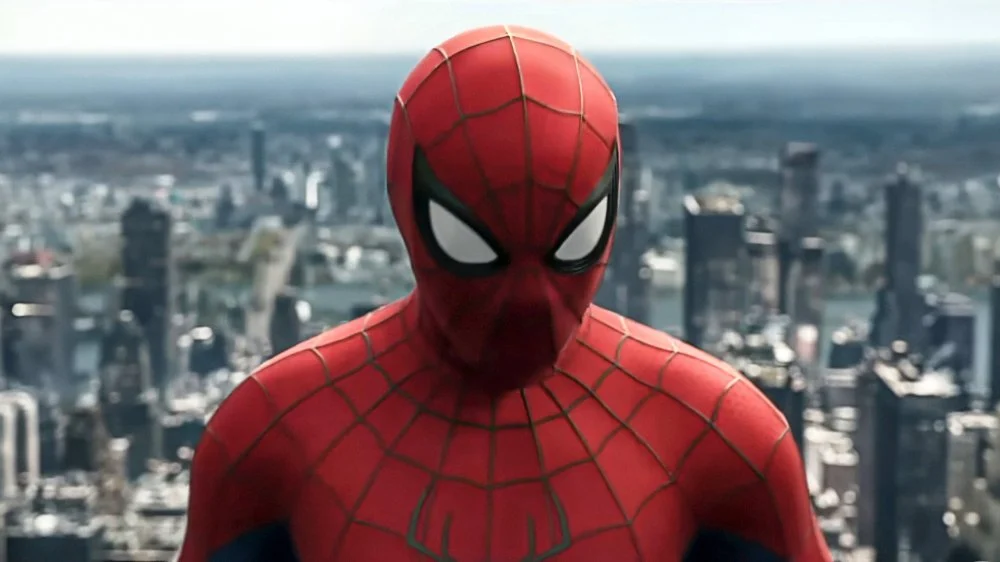
In the landscape of modern cinema, where the term "superhero fatigue" has become a recurring diagnosis for the ailing box office, one figure remains impervious to the malaise: Spider-Man. With the release of Spider-Man: Brand New Day, the franchise has once again shattered expectations, positioning itself to become the highest-grossing film of all time. This performance follows the historic success of 2021’s Spider-Man: No Way Home, which raked in $814 million domestically, effectively neutralizing the narrative that audiences were growing tired of spandex-clad crusaders.
But what is it about the wall-crawler that resonates so deeply with the contemporary global psyche? To understand the current dominance of Peter Parker, one must look beyond the spectacle of the multiverse and examine the sociological evolution of the superhero archetype.
The Chronology of the Cape and Cowl
To appreciate Spider-Man’s current zenith, we must trace the lineage of the cinematic superhero. For over half a century, the throne was occupied by two distinct monarchs: Superman and Batman.
The Age of the Icon (1978–1989)
Christopher Reeve’s turn as Superman remains the gold standard for the "Golden Age" hero. His portrayal was the embodiment of Olympian majesty—a figure of chiseled, indomitable virtue. In 1978, the cultural atmosphere was one of earnest, if scruffy, optimism. Superman was a beacon, a symbol of what humanity could aspire to be.
The Age of the Antihero (1989–2010s)
As the 1980s gave way to more cynical times, the cultural appetite shifted. Enter Batman. Beginning with Tim Burton’s 1989 vision and culminating in Christopher Nolan’s The Dark Knight—widely considered the greatest comic-book film ever made—the Caped Crusader became the defining figure of our age. Batman was the brooding noir god, a hero who possessed no inherent superpowers, making him deeply relatable to a public grappling with alienation. Even the campy 1960s Batman television series, with Adam West’s wry gravitas, laid the groundwork for this, proving that a hero’s vulnerability was just as compelling as his strength.
The Spider-Man Paradigm (2010s–Present)
While Superman represented our dreams and Batman represented our darkness, Spider-Man has emerged as the synthesis of both. Starting with his 1962 debut—a concept Stan Lee fought his publishers to release—the character has steadily climbed the ranks, moving from a niche comic-book favorite to the global face of superhero cinema.
Supporting Data: The Anatomy of Success
The box office numbers for the modern Spider-Man era tell a story of consistent, exponential growth. No Way Home was not merely a financial success; it was a cultural event. By uniting three generations of actors—Tom Holland, Andrew Garfield, and the original Tobey Maguire—the film successfully leveraged the "multiverse" concept pioneered by the critically acclaimed Spider-Man: Into the Spider-Verse.
However, Brand New Day has proven that the franchise’s appeal is no longer dependent on nostalgic gimmicks. Even in a narrative where the protagonist is stripped of his romantic connection to MJ and faces a more grounded, intimate struggle, the film is poised to topple all-time records. This shift indicates that the audience is not just paying for the spectacle of multiple heroes; they are paying for the character of Peter Parker himself.
Official Responses and Creative Vision
The architects behind the recent films have been candid about the challenge of keeping the character fresh. While No Way Home was criticized in some circles for being "overstuffed" or pandering, Brand New Day represents a pivot toward a more focused, character-driven narrative.
Industry analysts suggest that the "team-up" model—exemplified by the Avengers or the X-Men—has become exhausting for audiences. When the screen is crowded with god-like figures, the stakes often feel detached from the human experience. By contrast, the Holland-led films maintain a "politics is local" approach. Peter Parker remains tethered to his home turf of New York City, his struggles remain rooted in high school anxieties, and his evolution from a shy teenager to a young adult mirrors the life cycle of his primary audience.
The Relatability Factor: Why Peter Parker?
The "Spider-Man" brand succeeds because of its foundational premise: the intersection of the extraordinary and the mundane.
The Adolescent Crucible
Peter Parker is the James Dean of the superhero world. He is a misunderstood kid navigating the biological equivalent of a spider bite—the awkward, volatile transition of puberty. He must manage his newfound strength alongside the very human problems of bullies, romantic rejection, and the burden of a secret identity.
The Synthesis of Superman and Batman
Spider-Man is the perfect spiritual fusion of the two titans that came before him.
- The Superman Side: He is an Eagle Scout believer in his own destiny, clad in iconic red and blue, capable of exhilarating feats of flight (or, more accurately, rhythmic soaring through the urban canyons of Manhattan).
- The Batman Side: He is masked, furtive, and profoundly traumatized. His power is not a birthright; it is a weight he carries.
In Brand New Day, when his abilities begin to fail him, we see a hero who is literally discombobulated—unable to tell "which end is up." This resonates with a modern audience living through a period of intense American and global turmoil. We are all yearning to stand up to the darkness, yet we feel mired in it. Spider-Man embodies this paradox: he is a romantic teen idol who is constantly, painfully figuring out who he is.
Implications: The Future of the Genre
The runaway success of the Spider-Man franchise suggests that the future of the superhero genre lies not in bigger explosions or more expansive multiverses, but in intimacy.
As Tom Holland has grown in confidence as an actor, he has moved beyond the "cuddly" boy-band aesthetic of his early appearances to inhabit a more complex, burdened adult Peter Parker. This evolution is crucial. A generation has grown up alongside him, and they are now ready to see him grapple with the existential crises that define adult life.
Furthermore, the Spider-Verse films have set a high bar for storytelling, forcing the live-action franchise to elevate its own narrative ambitions. By addressing issues of identity and belonging, these films provide a cathartic relief from the "pumped iconography of invincibility" that has dominated the genre for years.
A Hero for Our Time
Ultimately, the enduring appeal of Spider-Man is that he makes us feel like we are all hanging by a thread. He is the mirror of our anxieties and the vessel for our dreams. In a world of gods and monsters, Spider-Man remains the kid from Queens, swinging through the canyons of the city, reminding us that being a hero isn’t about being perfect—it’s about getting back up, even when you don’t know who you are anymore.
As long as he continues to reflect the human condition with such raw, web-spinning sincerity, Spider-Man will likely remain the king of the box office—at least until the next adventure arrives to rewrite the playbook all over again.