By International News Desk
October 13, 2026
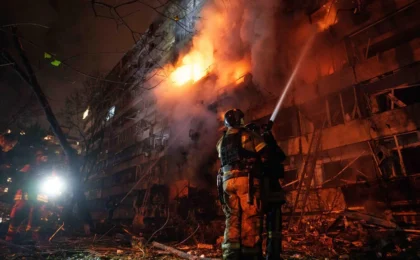
The streets of Paris, usually synonymous with culture and commerce, transformed into a theater of volatility today as student-led demonstrations spiraled into violent clashes with security forces. Thick plumes of black smoke billowed over the Latin Quarter, and the stinging scent of tear gas permeated the air, marking one of the most intense days of civil unrest seen in the French capital in recent years.
The Main Facts: A City Under Siege
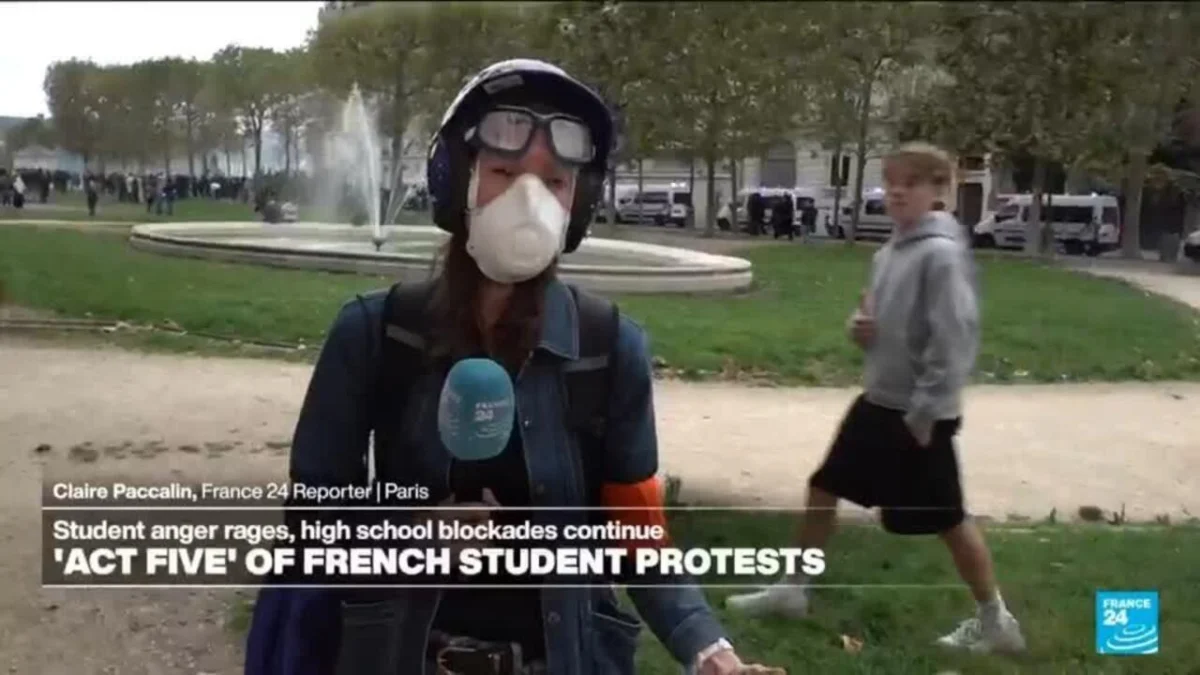
The unrest, which began early Monday morning, saw thousands of university and high school students mobilize across major thoroughfares, including the Boulevard Saint-Michel and near the Place de la Sorbonne. What began as organized, peaceful protest marches rapidly devolved into chaotic confrontations as unidentified groups within the crowd began erecting barricades and setting fire to refuse bins and public property.
The French National Police, deployed in heavy riot gear, responded with aggressive crowd-control tactics, including the systematic firing of tear gas canisters and the use of flash-bang grenades to disperse the surging masses. By mid-afternoon, the situation had reached a fever pitch, with transit lines disrupted, major retailers shuttering their doors, and central Paris effectively locked down by a massive security perimeter.
Chronology of the Escalation
The descent into chaos followed a meticulously planned timeline that caught municipal authorities off guard.
- 08:00 AM: Initial gatherings formed at key student hubs. While early chants focused on policy grievances, the mood remained relatively contained.
- 10:30 AM: The first signs of friction emerged near the university districts. Police attempted to funnel protesters away from government buildings, leading to the first scuffles.
- 12:15 PM: As crowds swelled, agitators—some masked—began dismantling street furniture to build makeshift barricades. Small fires were ignited in the middle of major intersections.
- 02:00 PM: The Prefecture de Police declared the gathering illegal, citing the destruction of public property. The order to disperse was met with projectiles thrown at police lines.
- 03:30 PM: The situation intensified as heavy smoke obstructed traffic flow. Riot police deployed tear gas in dense, repetitive salvos.
- 05:00 PM: Pockets of running battles continued across the Left Bank as nightfall approached, prompting a massive cleanup effort and a heightened security presence to prevent further escalation.
Supporting Data: Contextualizing the Anger
While the immediate visual of burning barricades captures the headlines, the unrest is rooted in a complex socio-economic landscape. Data provided by student unions and independent sociological observers suggests a deep-seated frustration among the youth demographic.
Current economic indicators for French youth are troubling:
- Unemployment Rates: Youth unemployment in France has remained stubbornly high, with current projections placing it well above the European Union average, fueling anxiety about future job security.
- Cost of Living: Inflationary pressures on housing and food in Paris have rendered the student experience increasingly precarious. Many students report that state stipends have failed to keep pace with the hyper-inflationary reality of the capital.
- Educational Reform Fatigue: The demonstrations appear to be a culmination of long-standing disagreements regarding proposed changes to higher education funding models and the digitalization of the curriculum, which many students argue creates an exclusionary environment for those without high-speed access or modern hardware.
Sociologists note that the demographic present in today’s protests is broader than previous iterations, encompassing a cross-section of university students, vocational trainees, and high schoolers who feel "squeezed" by an aging political establishment that they believe does not reflect their values or their economic struggles.
Official Responses: Government and Police Statements
The response from the Elysée Palace and the Ministry of the Interior has been one of stern condemnation.
"The right to protest is a pillar of our democracy," stated a spokesperson for the Ministry of the Interior during a televised press briefing this evening. "However, the violence witnessed today—the targeting of law enforcement officers and the destruction of our common spaces—is an assault on the Republic. Those who engaged in criminal acts will be prosecuted to the fullest extent of the law."

The Prefect of Police defended the heavy-handed tactics, noting that the "proportionality of force was maintained in the face of direct physical threats to officers." The official narrative remains that the protests were infiltrated by radicalized agitators—a common refrain in French civil unrest—intended to hijack a legitimate grievance movement for the sake of causing disorder.
Conversely, student union leaders have accused the police of "systemic provocation." In a joint statement, several prominent student organizations claimed that the police used excessive force against peaceful marchers, arguing that the presence of heavy-duty riot control equipment acted as a catalyst for the very violence they were ostensibly deployed to prevent.
Implications: A Fragile Future
The events of October 13 carry significant political and social implications for the remainder of the year.
1. Political Stability
The government is currently navigating a fragile coalition. If the student unrest persists, it could alienate the moderate base and force the administration to either make sweeping policy concessions—which would be a blow to its fiscal credibility—or adopt a "law and order" stance that could risk further alienating the youth vote.
2. Social Cohesion
There is a growing concern among urban planners and sociologists that Paris is becoming a city of two halves: the affluent elite and the marginalized youth. The visible fires in the heart of the city serve as a metaphor for the disconnect between the government’s technocratic approach to governance and the lived experience of the younger generation.
3. Economic Fallout
The immediate economic impact includes the cost of damages to public infrastructure, the loss of revenue for local businesses forced to close during peak hours, and the potential decline in tourism as images of the burning streets circulate globally. Long-term, the uncertainty may deter international investment if the capital is perceived as a site of persistent political instability.
Conclusion
As the sun sets over Paris, the city remains under high alert. While the fires have been extinguished and the streets are being swept of the debris, the underlying tensions that sparked the flames remain unaddressed. The government faces a narrow window to initiate a dialogue with student representatives before the cycle of protest repeats.
History has shown that the streets of Paris are a barometer for the nation’s health. If today’s events are any indication, the pulse of France is currently irregular, marked by a deep, systemic fever that neither policy tweaks nor riot squads can easily cure. The coming days will be critical in determining whether this is a fleeting outburst of frustration or the beginning of a prolonged season of national discontent.
Observers across Europe are watching closely, as the French model of protest often sets the tone for broader continental movements. For now, Paris waits—not in silence, but in a tense, watchful pause.