By Mike Axisa | October 14, 2026
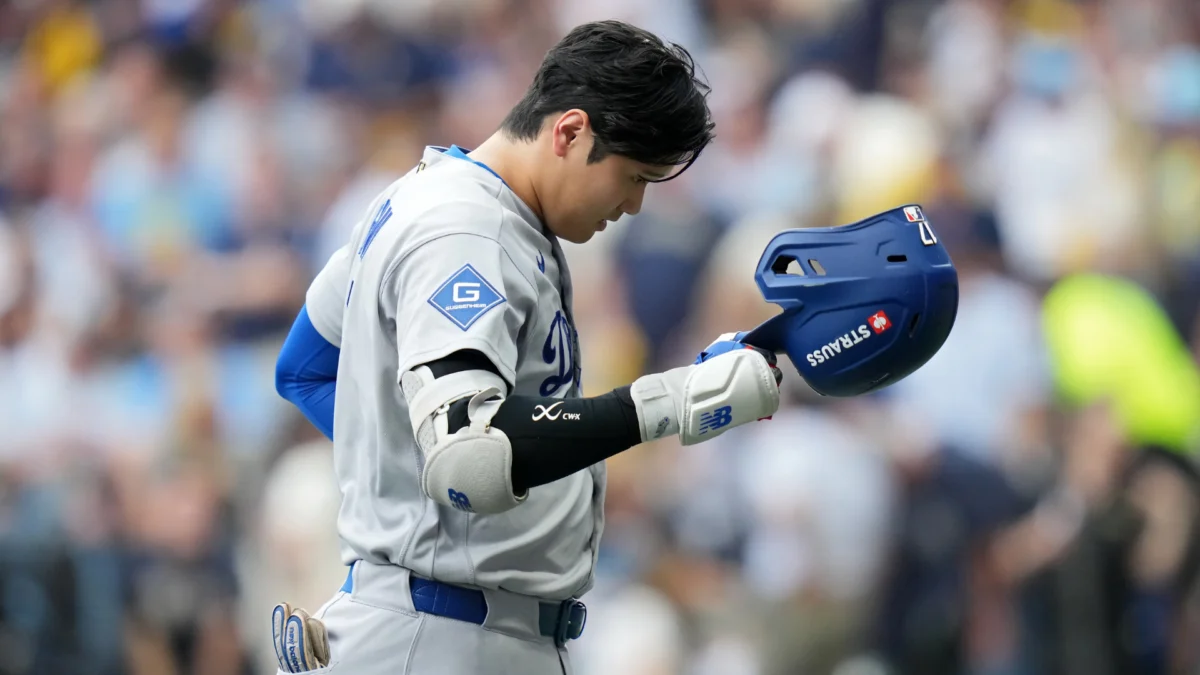
The atmosphere inside Dodger Stadium is heavy, a sharp departure from the typical October optimism that usually permeates the Los Angeles clubhouse. Down 2-0 in the National League Championship Series against a surging Milwaukee Brewers squad, the Los Angeles Dodgers find themselves staring into an abyss. Yet, the most significant narrative of this series remains the physical and statistical decline of their marquee superstar, Shohei Ohtani.
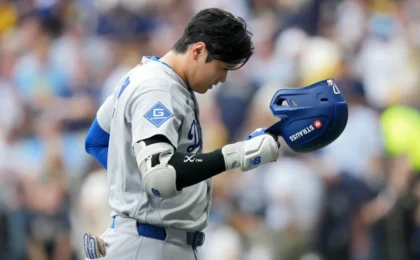
Despite a postseason slump that has seen him record just three hits in 20 at-bats, Dodgers manager Dave Roberts confirmed on Tuesday that Ohtani will remain in the starting lineup for Wednesday’s pivotal Game 3. As the team faces the daunting 83% historical probability that teams trailing 2-0 in a best-of-seven series lose the series, the decision to keep an ailing Ohtani at the heart of the batting order is both a testament to his stature and a gamble that could define the franchise’s 2026 legacy.
The Current Crisis: A Statistical Deep Dive
To understand the gravity of the situation, one must look at the numbers. Ohtani’s struggles are not merely a brief "slump"; they are the continuation of a malaise that has haunted him since late August. Since August 18, Ohtani has slashed a meager .157, recording just 11 hits in 70 plate appearances. Most alarmingly, his power—the primary engine of the Dodgers’ offense—has vanished; he has failed to record a single home run in his last 24 games.
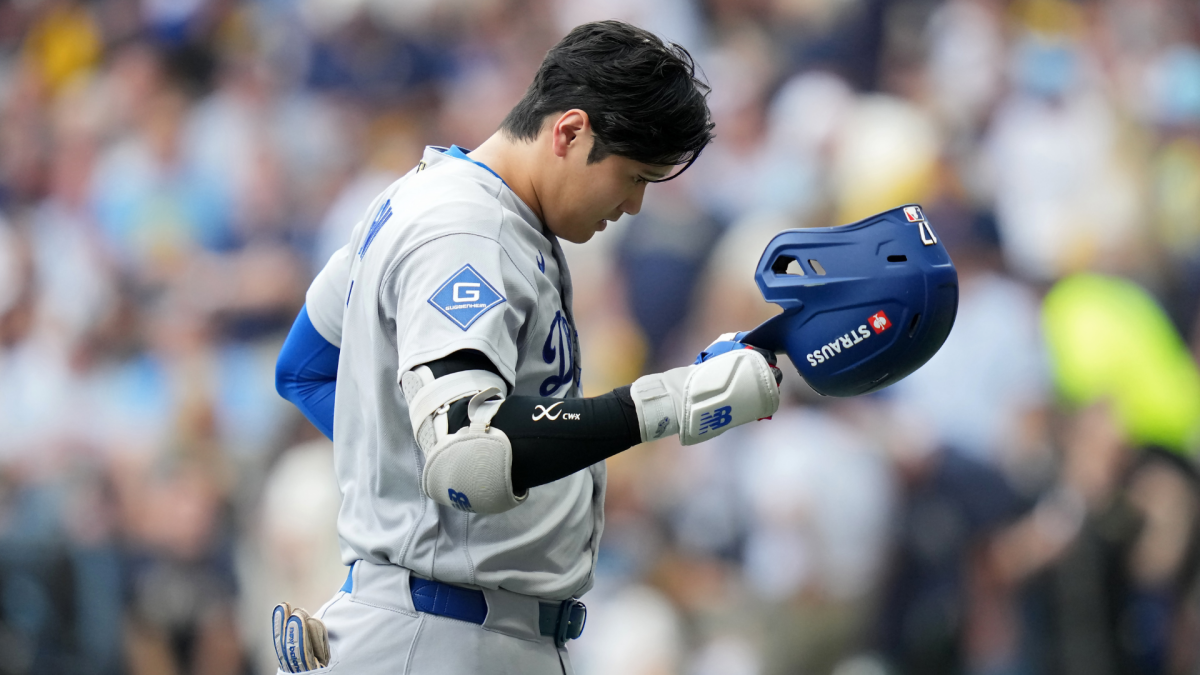
In the ongoing NLCS, his output has been virtually nonexistent. With just one hit in eight plate appearances against the Brewers’ disciplined pitching staff, Ohtani has looked uncharacteristically vulnerable. His swings, usually rhythmic and explosive, appear stiff and labored. He is frequently off-balance, chasing pitches outside the zone, and failing to generate the exit velocity that made him a league MVP favorite for much of the year.
The injury report tells the story: Ohtani is managing lingering issues in both his knee and biceps. While he spent 12 days on the injured list in September, the downtime appears to have done little to restore his peak physical form.
Chronology of the Slump
The trajectory of Ohtani’s 2026 season can be segmented into three distinct phases: the dominant first half, the late-summer injury onset, and the current postseason malaise.
- Pre-July 3: Ohtani was arguably the most valuable player in baseball, acting as a two-way force. He posted a stellar 1.79 ERA across 85 innings while maintaining his usual offensive excellence.
- July 3 – August 18: The first sign of the wall. Following his final pitching appearance of the year, Ohtani began to shift focus entirely to the DH role. While his bat remained productive, the durability that defined his earlier career began to show cracks.
- Late August – September: The onset of the "symptoms." As the playoff race tightened, Ohtani’s OPS plummeted. The 12-day stint on the injured list was intended to be a reset, but upon his return, his contact quality remained suppressed.
- The NLCS (October 12–Present): With the Dodgers trailing 2-0, the pressure has mounted. Ohtani has failed to spark the offense, and the team has managed only nine singles and one double throughout the first two games of the series.
Official Responses: The Manager’s Faith and the Player’s Admission
The decision to keep Ohtani in the lineup is as much about psychology as it is about physical capability. Manager Dave Roberts, facing mounting criticism from a restless fanbase, defended his star player with unwavering conviction during Tuesday’s press conference.
"He’s adamant he feels good enough to be in there. He’s close to finding something with his swing. I feel great about it," Roberts stated. "He wants to be in there and help us win a ballgame and win a championship. Great conversation, and I’m excited about having him in there."
For his part, Ohtani has been remarkably candid about his failures, opting for accountability over excuses. Speaking through his interpreter, he addressed the media with the stoic demeanor that has become his trademark.
"The results, I take full responsibility," Ohtani said. "That’s all I can really say, why the results haven’t been where I wanted it to be. I think there’s different approaches to this, whether that be focusing on reducing the symptoms and getting rid of the pain and/or just making sure that I’m moving well in the swing."
He added that the process is a daily grind: "The symptoms have subdued a lot… As of now with the swing, it’s a daily process of trying different things, different feel on a daily basis."
The Strategic Dilemma: The De Paula Factor
The looming question for the Dodgers organization is whether loyalty to a superstar is compromising their competitive edge. The bench holds a compelling alternative in top prospect Josue De Paula. At just 21 years old, De Paula has provided a spark when called upon, reaching base 21 times in 11 regular-season appearances and displaying a level of discipline that has been absent from the rest of the lineup during this series.
While De Paula lacks the pedigree of Ohtani, his presence in the lineup would offer a high-on-base threat that the Dodgers desperately need to extend innings. However, benching Ohtani—even an injured one—is a franchise-altering decision that would require a level of audacity rarely seen in Major League Baseball.

The Respect Factor: Why the Brewers Aren’t Celebrating Yet
Despite the 2-0 lead, the Milwaukee Brewers are treating the Ohtani situation with extreme caution. They are well aware that a player of his caliber is one swing away from altering the course of a series.
"We remember vividly at this time last year that he maybe had the best baseball game ever played the day he pitched against us and hit a home run every time up, it seemed like," Brewers manager Pat Murphy noted on Wednesday. "You can’t forget that, his capabilities."
The Brewers’ pitching staff has been masterful, but they are not underestimating the threat. They know that in the postseason, reputation and "clutch" history often outweigh current-month statistics.
Implications: A Season on the Brink
The implications of Wednesday’s Game 3 are profound. If the Dodgers lose, they head to a 3-0 deficit, a hole from which few teams ever recover. If Ohtani fails to produce again, the criticism of Roberts’ lineup management will reach a fever pitch. Conversely, if Ohtani finds his rhythm and leads a comeback, it will be hailed as one of the great gut-check performances in Dodgers history.
Ohtani’s 2026 campaign—a year where he hit .275/.377/.512 with 30 home runs—is statistically impressive, but it feels like a disappointment relative to the astronomical expectations he has set for himself. With his pitching career on hold until next season, his bat is his only weapon.
As the sun sets on Dodger Stadium for Game 3, the lights will shine directly on Shohei Ohtani. The injuries, the stats, and the mounting pressure all culminate in this singular moment. He is not just fighting the Brewers; he is fighting his own biology in a high-stakes environment where mercy is nonexistent. Whether this is the final chapter of a frustrating postseason or the beginning of a legendary turnaround, the world will be watching to see if the superstar can summon one last miracle.