In the hyper-competitive world of real estate, a listing is far more than a technical document detailing square footage and bedroom counts. It is a narrative—a visual invitation designed to help potential buyers step across the threshold and envision their future lives within a space. Whether you are selling a charming, narrow-lot shotgun house in the historic districts of New Orleans or a sprawling, multi-acre estate in the suburbs of Milwaukee, the strategy for capturing buyer interest remains the same: you must curate an experience that begins at the curb and extends to the furthest corners of the property line.
To achieve this, sellers must move beyond traditional interior staging. Today’s market demands a holistic approach that synchronizes outdoor presentation with sophisticated aerial cinematography. By harmonizing what a buyer sees from the driveway with the "big picture" captured by drones, sellers can create a compelling, cohesive story that resonates on an emotional level.
The Foundation: Why Outdoor Spaces Define the First Impression
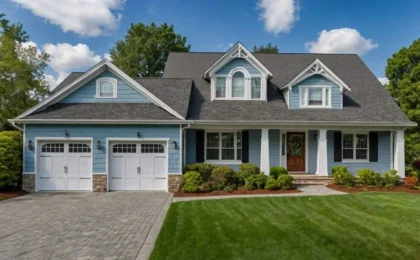
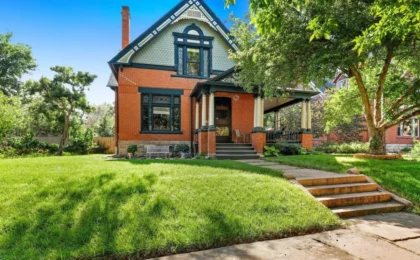
The psychology of home buying is rooted in the "curb appeal" phenomenon. However, in the modern digital age, curb appeal is no longer limited to a freshly painted front door. It now encompasses the entire outdoor footprint. Outdoor staging is the art of making every square inch of your exterior space feel intentional.
The primary mistake sellers make is over-decorating. Outdoor staging should not mimic a cluttered showroom; instead, it should clearly communicate the function of each zone. If a buyer cannot immediately grasp the purpose of a space—whether it is for dining, relaxing, or entertaining—they will mentally gloss over it.
The Ground-Level Audit
Before a photographer arrives, homeowners should conduct a rigorous property walk-through. Adopt the mindset of a first-time visitor. Start at the curb, traverse the side yards, and end in the backyard. The guiding principle here is "curated realism." You want to leave enough furniture to show how the space lives, but remove anything that feels neglected, overly temporary, or distracting.
If you have a front porch, place two high-quality chairs and a small table to suggest a space for morning coffee or neighborhood conversation. If you have a covered patio, set the scene for a meal, but keep the table setting simple. A few well-placed, modest accessories are far more effective than a patio crowded with excessive decorative objects. The goal is to provide enough visual cues for the buyer to project their own lifestyle onto the scene, not to impose a specific aesthetic upon them.
The Aerial Perspective: A New Dimension of Real Estate Marketing
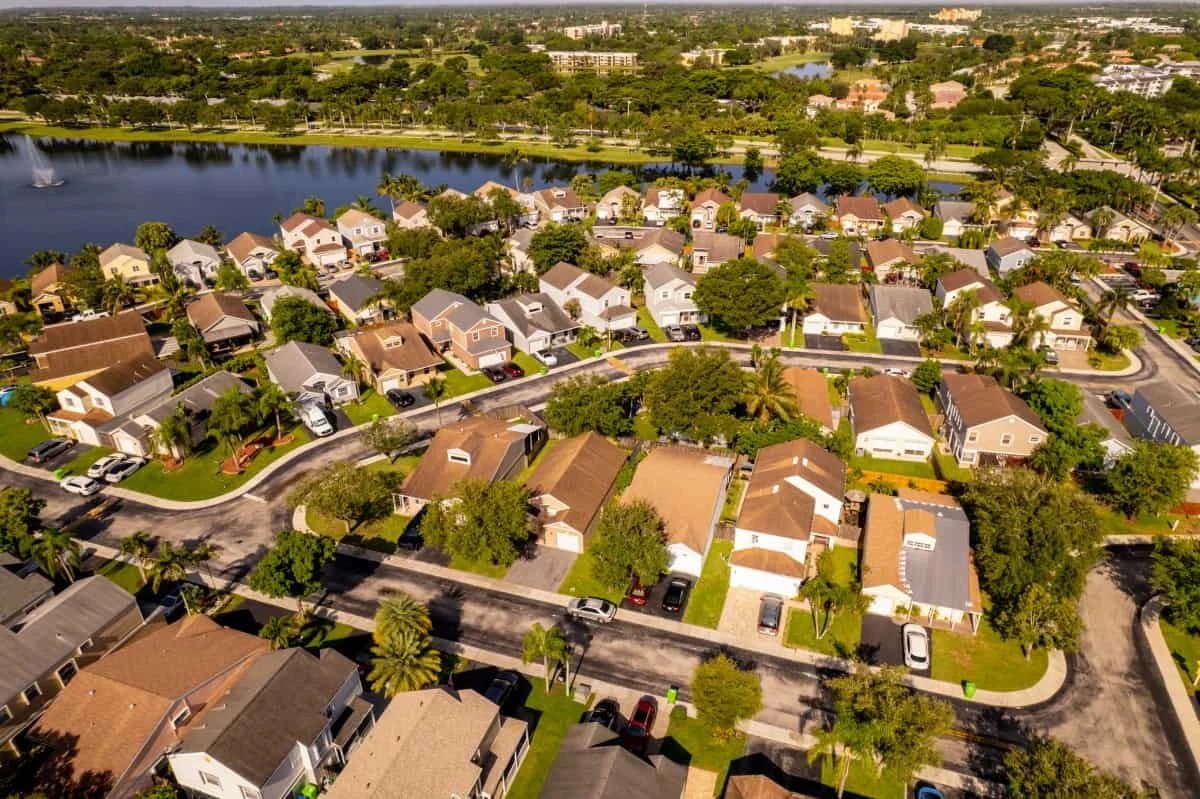
While ground-level photography captures the intimacy of a patio or the warmth of a garden, drone photography provides the crucial context of location. It reveals how the home sits within its neighborhood, its relationship to nearby amenities, and the true extent of the lot.
However, there is a common misconception that drone photography exists to make a property look artificially massive or dramatic. In reality, the best use of drone technology is to reveal the parts of a property that traditional photography simply cannot reach. This includes rooflines, the flow of a landscaped backyard, or the proximity of a home to local walking trails and water features.
The "Drone-Ready" Standard
Because a drone offers a 360-degree, top-down view, it forces a new, higher standard for "photo-shoot readiness." It is no longer enough to tidy the front walkway. A drone can easily expose a cluttered side yard, a neglected roof, or an uneven patch of lawn that was hidden from the ground.
Felix Guan, Founder of VideoGuru, emphasizes that the preparation must be comprehensive. "Before a drone shoot, sellers should make the property look just as polished from above as it looks from the ground," Guan explains. "It’s also helpful to open up patios, decks, pools, and other outdoor areas so the drone can capture the full lifestyle appeal of the property rather than just the house itself."
Integrating the Strategy: Expert Perspectives
Professional photographers and real estate experts agree that the synergy between ground-level detail and aerial context is what drives engagement.
The Importance of Property Footprint
Scott Rose of DroneVideos.com underscores the importance of pre-planning with the photography team. "Make sure to prepare your entire property, including side yards and areas behind the house," Rose advises. "Turn off sprinklers before the shoot so driveways and patios have time to dry evenly. Most importantly, share the property boundaries and highlight features like a large backyard, waterfront access, or nearby walking trails so your photographer can plan shots that showcase what makes the home special."
This level of communication is vital. When a photographer understands that a property backs up to a protected nature reserve, they can adjust the flight path to highlight that privacy. Without that context, a drone might simply capture a generic shot of a fence.
The 25-Foot Sweet Spot
There is a prevailing myth that the higher the drone flies, the better the shot. In practice, the most effective imagery often comes from the "mid-level" altitude. Eli Zafrani, owner of Pick Three Photography, notes that a 25-to-30-foot perspective is often more valuable than a high-altitude overhead shot.
"The most valuable drone shot usually isn’t the overhead one," Zafrani explains. "It’s the frame from 25 or 30 feet high, where the camera sits above the landscaping and below the roofline. It shows the house in a way no tripod can, capturing the depth of a porch or the connection between a deck and a mature tree canopy." This perspective feels grounded and relatable, providing the buyer with a view that is elevated but still feels like an extension of the human experience.
The Narrative Arc: Building the "Grand Reveal"
When incorporating drone video into a listing, timing is everything. A common, ineffective tactic is to show the entire property in a rapid-fire sequence of high-altitude zooms and spins. This exhausts the viewer’s interest in the first five seconds.
Ben Wagner, CMO of InboundREM.com, advocates for a "storytelling" approach to flight paths. "Think about a grand reveal," Wagner suggests. "If there’s a feature hidden from the street—like a private pool, a secluded garden, or a stunning mountain view—plan the flight path to save it for the climax of the video. The drone should be a guide, leading the buyer through the property in a way that builds anticipation."
This does not require a Hollywood production budget. It requires a logical flow. By deciding what the viewer should see first (the street appeal), second (the home’s exterior architecture), and last (the hidden backyard oasis), the seller creates a journey that keeps the buyer engaged until the final frame.
Implications for the Modern Seller: Why It Matters
The investment in professional, multi-dimensional photography is not just an aesthetic choice; it is a financial one. In a market where buyers spend the vast majority of their time vetting properties online before ever stepping into a car, your digital footprint is your first showing.
Defining Boundaries and Expectations
A critical, often overlooked aspect of aerial imagery is the honest representation of boundaries. On large lots, or properties adjacent to open fields or water, it is easy for a buyer to misinterpret where the property line ends. A professional photographer can use strategic angles to clarify the setting without misleading the viewer. Honesty in representation builds trust—and in real estate, trust is the currency that closes deals.
The Emotional Connection
The ultimate goal of combining backyard staging with professional drone work is to illuminate a lifestyle. When a potential buyer clicks on a listing, they are searching for a sense of "belonging." They want to see a deck that looks ready for a summer evening, a yard that feels like an extension of the living room, and a home that fits seamlessly into its environment.
When the staging and the photography are aligned, the property stops being an object of transaction and starts becoming a place of possibility. You are not just selling a house; you are selling the Saturday morning coffee on the porch, the afternoon swim in the pool, and the feeling of living in a well-maintained, welcoming space.
By taking the time to curate the exterior, preparing the property for the scrutiny of an aerial camera, and working with professionals to tell a cohesive story, sellers can differentiate their listing in a crowded market. The result is a more polished, professional, and persuasive presentation that doesn’t just attract more clicks—it attracts the right buyer.