Chicago is a city of profound contrasts, where the relentless energy of a global financial hub meets the serene, expansive horizon of Lake Michigan. While the "Windy City" is frequently lauded for its world-class museums, Michelin-starred culinary scene, and towering architecture, its true heart often beats outdoors. From the industrial-turned-green corridors of the North Branch to the sun-drenched sands of its 26 public beaches, Chicago offers a tapestry of recreational opportunities that cater to everyone—from the lifelong resident to the prospective homeowner looking to plant roots in the Midwest’s crown jewel.
The Essence of the Chicago Outdoors: Main Facts
At its core, Chicago’s outdoor identity is defined by its relationship with water and public space. The city boasts over 600 parks, 26 miles of public shoreline, and an ambitious commitment to urban ecological restoration. Whether you are navigating the historic Chicago River or exploring the elevated trails of the 606, the city is designed to encourage movement.
The geography of Chicago facilitates a unique outdoor lifestyle. The lakefront acts as a natural anchor, providing a recreational backbone that connects the city’s diverse neighborhoods. Unlike many urban environments where green space is an afterthought, Chicago’s urban planning—dating back to Daniel Burnham’s visionary 1909 Plan of Chicago—explicitly protected the lakefront as a "public ground" for all to enjoy.
Chronology of Development: From Industrial Hub to Green Oasis
To understand the Chicago outdoors, one must look at its evolution. In the early 20th century, the city’s industrial base dominated the riverfronts. Today, that narrative has shifted toward sustainability and public access.
- 1909: The Burnham Plan establishes the philosophy that the lakefront should remain permanently open and accessible to the public.
- 1980s: The emergence of House music in local clubs like The Warehouse sets the cultural stage for the city’s future festival-driven outdoor identity.
- 2015: The opening of The 606 (Bloomingdale Trail) marks a milestone in urban reuse, transforming an abandoned elevated rail line into a 2.7-mile multi-use recreational trail.
- 2015: Maggie Daley Park opens, replacing the outdated Bicentennial Plaza with a world-class, multi-seasonal playground and skating ribbon.
- Present Day: Ongoing efforts in urban agriculture—spearheaded by organizations like Growing Home Inc.—continue to convert vacant lots into thriving, educational organic farms in underserved neighborhoods like Englewood.
Water-Based Adventures: The Pulse of the City
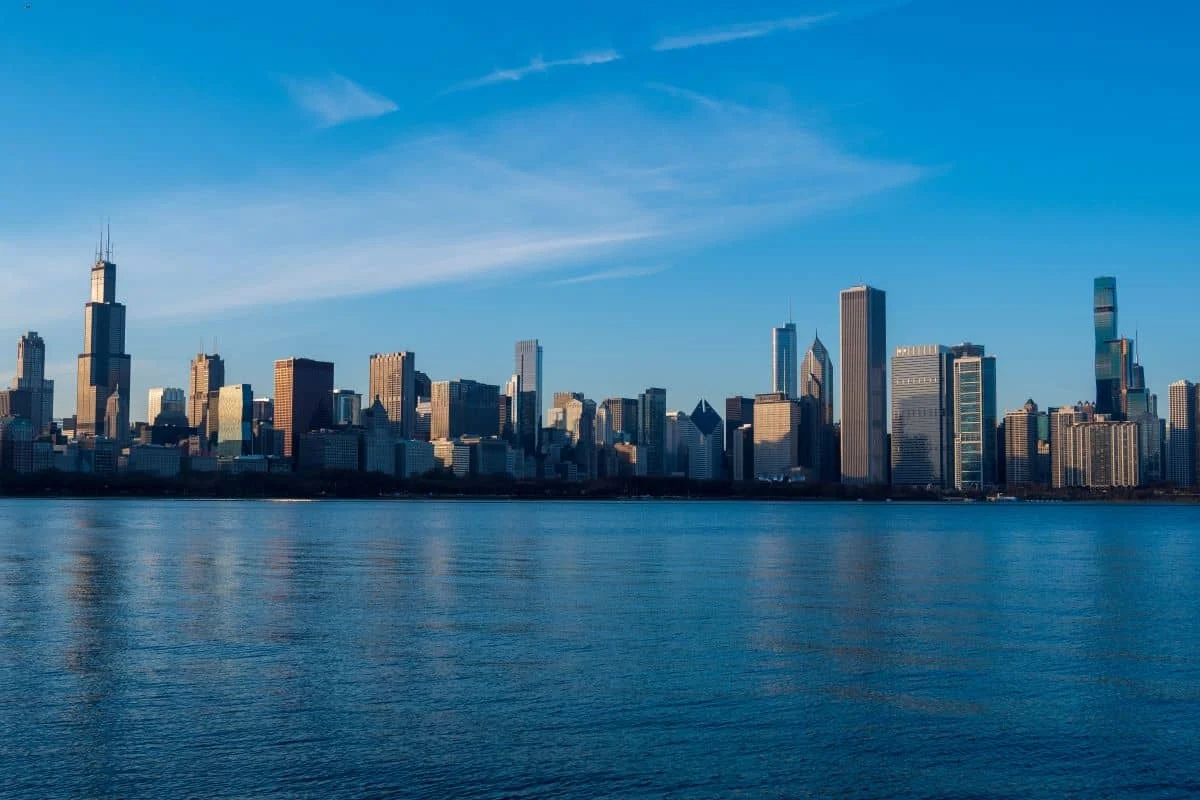
Chicago’s relationship with water is multifaceted. For those seeking a perspective on the city’s iconic skyline, sailing remains the premier choice. Tristan Loescher of the Columbia Sailing School notes that sailing provides a "sense of scale and serenity" that is impossible to grasp from the sidewalk. Whether you are an advanced sailor or a novice, navigating Lake Michigan offers a front-row seat to the city’s architectural evolution.
For a more intimate experience, the Chicago River has transformed from an industrial conduit into a recreational highway. While traditional architecture cruises are a staple, there is a growing trend toward personal exploration. Nicole Fauls of Urban Allure Events suggests skipping the tourist-heavy riverbanks for a kayak trip up the North Branch. "Drift to the quiet North Branch past turtles and herons," she suggests, noting that this area allows visitors to witness the city’s successful ecological restoration firsthand.
Maggie Daley Park: A Masterclass in Urban Planning
No discussion of Chicago’s outdoor recreation is complete without mentioning Maggie Daley Park. Located in the heart of the Loop, this 20-acre space is a marvel of landscape architecture. Cheryl Eugenio, founder of O the Places We Go, describes the park as an "urban oasis."
The park’s design features a three-acre Play Garden, a climbing wall that rivals any professional facility, and a Chicago-themed mini-golf course. By integrating verticality and whimsical, interactive play structures, the park manages to accommodate thousands of visitors without feeling overcrowded—a rare feat in a dense urban center.
House Music and the Rhythm of the Outdoors
Chicago’s outdoor culture is not just physical; it is deeply rhythmic. As the birthplace of House music, the city’s parks are often transformed into massive dance floors. Vojtech Schlesinger of Ride in Bliss highlights the importance of the annual House music festival in Millennium Park. "It focuses on the past, present, and future of the genre," he explains. Beyond the festivals, the city pays homage to its roots with memorials like Honorary Franklin Knuckles Way, ensuring that the history of the "Warehouse" remains a tangible part of the city’s outdoor landscape.
Neighborhood Green Spaces and Urban Agriculture
While the lakefront draws the crowds, the city’s soul is found in its neighborhood parks and urban farms. Melinda Craigs-Ingram of Growing Home Inc. emphasizes that some of the most profound outdoor experiences occur in places like Englewood. Here, urban farms are not just aesthetic; they are functional community hubs.
Similarly, Amy Beth Treciokas, founder of Yoga Now Chicago, advocates for visiting smaller, hidden-gem parks such as Washington Square Park. "Explore Chicago’s smaller parks," she advises, noting that they provide a "peaceful place that showcases the city’s natural beauty" and offer a much-needed reprieve from the urban cacophony.
Beach Culture and Pet-Friendly Exploration
Chicago’s beach culture is vast and diverse. North Avenue Beach serves as the city’s social hub, offering a lively atmosphere with volleyball courts and expansive views. However, for those seeking a more tranquil experience, Montrose Beach provides a wider, more relaxed shoreline.
The city is also exceptionally welcoming to pets. Rendy Schuchat of Anything Is Pawzible points to unique amenities like private dock-diving pools, while Michael Jaurigue of Sparky Steps highlights the Montrose Dog Beach as a "joyful" space for canine social interaction. These spaces reflect a city that prioritizes the health and happiness of its four-legged residents as much as its human ones.
Active City Discovery: The "Amazing Race" Model
For those who prefer a structured approach to the outdoors, Chicago offers "eventertainment." Warren Press of Feet First Eventertainment champions the use of interactive, race-style games through the Loop. This transforms a standard walk into a quest, encouraging participants to discover murals, statues, and historical markers they might otherwise pass by.
For a more traditional but equally immersive experience, walking tours in the Pilsen Historic District are essential. Iesha Vincent, a local blogger, recommends using the Chicago Greeter program. These volunteer guides offer a deep dive into the neighborhood’s thriving art scene and history, proving that the best way to know Chicago is to walk its streets with someone who loves them.
Implications for Future Residents and Visitors
Whether you are buying a home or visiting for the weekend, Chicago’s outdoor accessibility is a primary factor in the city’s quality of life. The abundance of transit-accessible trails, the ongoing investment in park maintenance, and the integration of nature into the urban core mean that a healthy, active lifestyle is not just an option—it is a standard.
As we look toward the changing seasons, the city’s adaptability remains its greatest asset. From the summer beach season to the crisp, colorful transition of autumn and the winter ice-skating sessions, Chicago’s outdoor life is a year-round commitment. By prioritizing public access and environmental stewardship, the city continues to set a benchmark for what it means to live, play, and grow in a modern metropolis.
Summary Table: Chicago Outdoor Quick Guide
| Activity | Recommended Location | Best For |
|---|---|---|
| Sailing | Lake Michigan | Panoramic Skyline Views |
| Kayaking | North Branch (Chicago River) | Wildlife & Industrial History |
| Family Fun | Maggie Daley Park | Playgrounds & Climbing |
| Urban Farming | Englewood Community Farms | Education & Sustainability |
| Beach Day | North Avenue or Montrose | Sunbathing & Volleyball |
| Active Commute | The 606 Trail | Biking & Walking |
In conclusion, Chicago’s outdoor recreation is a testament to the city’s resilience and ingenuity. By transforming industrial remnants into green corridors and protecting its most valuable natural resource—the lakefront—Chicago ensures that the great outdoors is always just a short walk, ride, or paddle away. Whether you are seeking the adrenaline of a kayak race or the quiet reflection of a neighborhood garden, the city is ready to welcome you outside.