By Bryan DeArdo
October 12, 2026
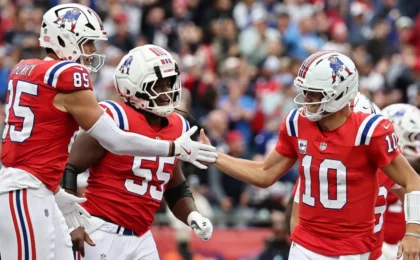
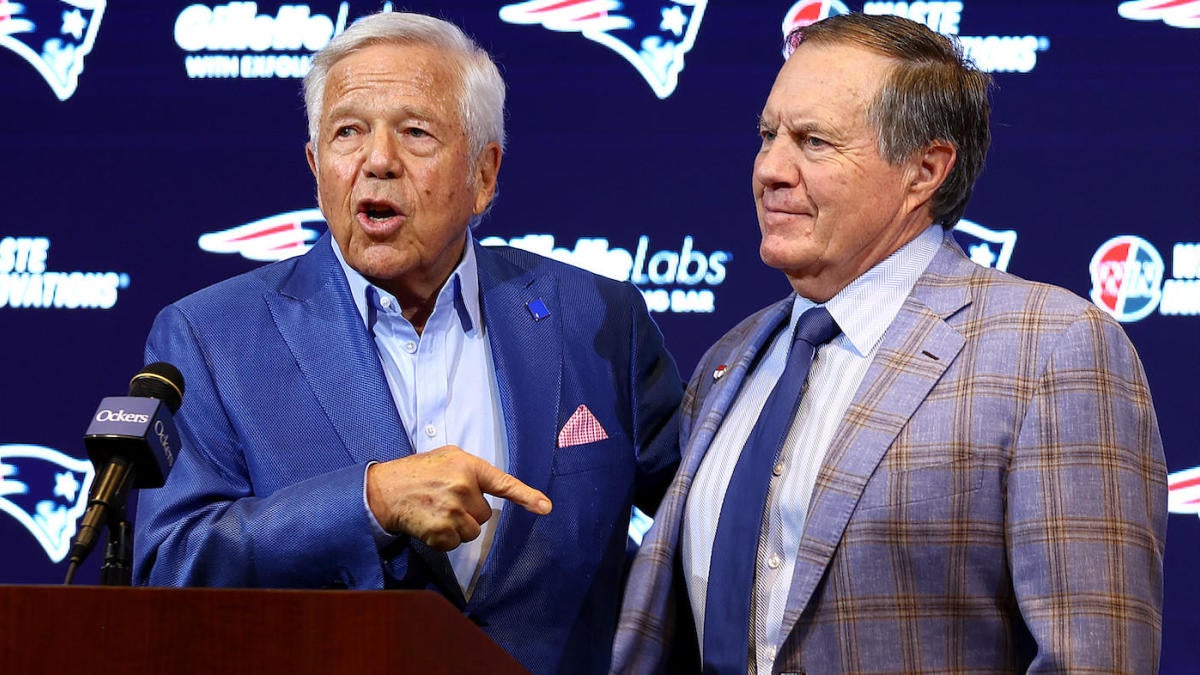
The spectacle of a championship reunion is designed to be a bridge—a nostalgic crossing back to a time when the world seemed to bow before a single organization. This past weekend, the New England Patriots gathered to commemorate the 25th anniversary of their 2001 Super Bowl-winning squad, the team that ignited the most dominant dynasty in NFL history. Yet, as the cheers rained down at Gillette Stadium during the halftime ceremony, the absence of the two men most responsible for that glory—Bill Belichick and Tom Brady—loomed larger than the presence of anyone who actually walked onto the turf.
While Tom Brady’s absence was easily reconciled by his professional commitments as a color commentator in Seattle, Bill Belichick’s choice to remain away from Foxborough has reignited a firestorm of speculation regarding his fractured relationship with the franchise that defined his legacy.
A Tale of Two Reunions: The Giants vs. The Patriots
The intrigue surrounding Belichick’s absence is amplified by his recent, deliberate appearance at the New York Giants’ 40th-anniversary celebration of their first Super Bowl victory. Belichick, the defensive architect of that legendary Giants squad, made a point to attend a private dinner with his former players, proving that when the incentive is right, he is more than capable of navigating a crowded schedule.
He departed before the Giants’ game against the Cardinals, perhaps signaling that his interest lies in the brotherhood of the players rather than the corporate pageantry of the modern NFL. However, the contrast is stark. If Belichick can carve out time for a celebration four decades removed, why is the 2001 Patriots anniversary—the bedrock of his own myth-making—deemed unworthy of his presence? The answer likely lies in the cold, unhealed wounds of his departure from New England.
Chronology of a Disintegrating Partnership
To understand the current frostiness, one must look at the timeline of the unraveling. The narrative presented to the public in 2024 was one of "mutual parting," a polite euphemism for what has since become clear was a forced exit following a disastrous 2023 season.
- 2000: The union begins. Robert Kraft takes a gamble on a coach who had previously struggled in Cleveland and was currently under contract with the Jets.
- 2001: The birth of the dynasty. A 0-2 start gives way to an 11-5 finish, culminating in an upset victory over the St. Louis Rams.
- 2001–2023: Twenty-three seasons of unprecedented success, yielding six Super Bowl trophies and a stranglehold on the AFC.
- 2023-2024: The decline. A stagnant offense and a series of questionable personnel decisions lead to the end of the Belichick era.
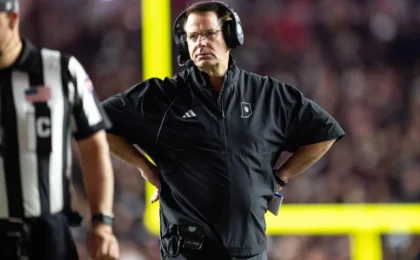
- 2024-2026: The "Cold War." Belichick transitions to the college ranks at North Carolina, while the Patriots move into a rebuilding phase. The professional distance between the two parties has morphed into a personal prohibition.
The Institutional Chill: "Not Welcome"
The friction is no longer merely whispered; it is systemic. During his inaugural year as the head coach at the University of North Carolina, Belichick made the stunning revelation that Patriots scouts were barred from his facilities.
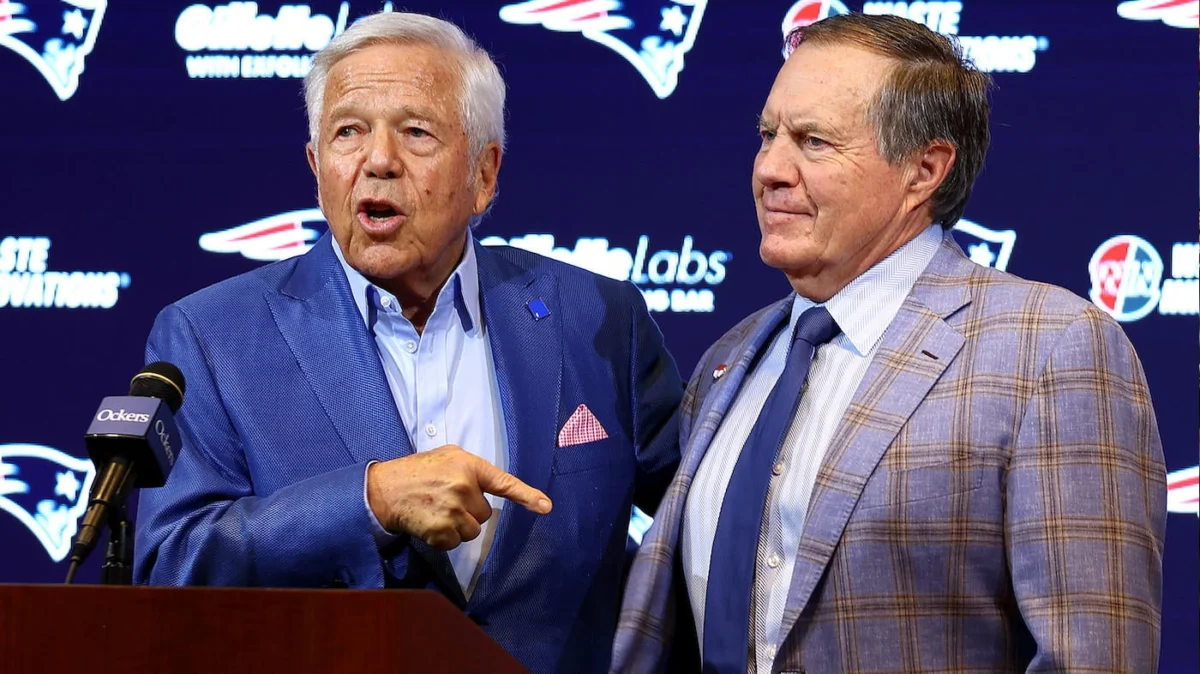
"It’s clear I’m not welcome there at their facility. So they’re not welcome at ours," Belichick stated bluntly. This is not the language of a coach who simply moved on; it is the language of a man who feels betrayed. The public barbs exchanged between Belichick and Robert Kraft regarding who took the "greater risk" in the year 2000 have stripped away the veneer of the mentor-protégé dynamic. Kraft has cited his willingness to trade for a coach under contract as a massive risk; Belichick, meanwhile, has publicly reminded the world that he was the one walking into an unstable ownership situation.
Supporting Data: The Dynasty’s Statistical Foundation
It is difficult to overstate what was missing from the field this past weekend. The 2001 Patriots were not merely a team; they were a systemic shift in NFL philosophy.
Key Metrics of the 2001 Turnaround:
- The "Bledsoe-to-Brady" Transition: After Drew Bledsoe’s injury, the team pivoted to a game-manager style of quarterbacking that emphasized ball security and situational football.
- Defensive Dominance: The 2001 unit allowed an average of just 17 points per game, a staggering figure that laid the blueprint for every Belichick defense that followed.
- Playoff Efficiency: The 2001 team defeated the Raiders, Steelers, and Rams in succession, a gauntlet that remains one of the most impressive postseason runs in history.
- Dynastic Output: Over 23 years, the partnership delivered 9 AFC titles and 17 division titles—a record of sustained excellence that is mathematically unlikely to be repeated.
The fact that the architect of these statistics was absent for the 25-year milestone is a statistical anomaly in the history of professional sports reunions.
Official Responses and the "Statue" Dilemma
Robert Kraft has, in various interviews, attempted to soften the public perception of the rift. He has spoken about the inevitability of the team’s evolution and has even teased the idea of erecting a statue to honor Belichick.
Yet, for a man like Belichick—who famously values the "process" over the "product"—a bronze statue is a poor substitute for respect. The implication from the Patriots’ front office is that the time for mourning is over and the era of moving on has begun. However, Belichick’s continued silence and refusal to participate in team-sponsored events suggest that he does not view the "New England era" as a closed book that he is ready to memorialize.
Implications for the Franchise and the Coach
What does this mean for the future of the Patriots organization and Bill Belichick’s legacy?
For the Patriots, there is a clear danger in alienating the greatest coach in their history. As the franchise attempts to rebuild its identity in the post-Belichick era, the absence of the "Old Guard" at milestones like this weekend’s reunion creates a visual representation of a fractured culture. Fans want to celebrate the glory days, but they are forced to confront the reality that the primary author of those days is currently persona non grata.
For Belichick, the implications are more personal. He is building a new life in Chapel Hill, and his focus is undoubtedly on the success of the Tar Heels. However, there is a historical precedent for great coaches finding their way back home. The question is whether the damage done in the final year of his tenure in New England is permanent.
The 2003 team’s 25th anniversary is scheduled for 2028. It is a long way off, and much can change in the interim. But if the current cold war continues, the Patriots run the risk of holding reunions that feel hollow—celebrations of a dynasty whose leaders have no interest in revisiting the site of their greatest triumphs.
Bill Belichick is a man who deals in absolutes: winning and losing, execution and failure. By staying away from the 2001 reunion, he has executed his own form of game management. He has decided that if he cannot control the narrative of his exit, he will not participate in the narrative of the celebration. For now, the ghost of the Patriots’ dynasty remains exactly that: a ghost, haunting the halls of Gillette Stadium, refusing to be summoned by anyone but himself.