In the rapidly evolving landscape of international travel, the "digital nomad" lifestyle has moved from a fringe movement to a global standard. Yet, for all our advancements in remote work, one archaic hurdle has remained remarkably persistent: the mobile connection. For years, travelers have been forced into a tedious ritual of hunting for local SIM cards, navigating language barriers in foreign kiosks, or suffering through exorbitant roaming fees from home-country carriers.
That narrative is shifting. With the rise of eSIM technology—a digital, hardware-integrated alternative to physical SIM cards—connectivity has become significantly more fluid. Among the leaders in this space is Holafly, a company that has recently upended the market with the introduction of "Holafly Plans." This new, subscription-based model promises to replace the fragmented, trip-by-trip purchase cycle with a seamless, borderless data experience.
Main Facts: The Paradigm Shift in Mobile Data
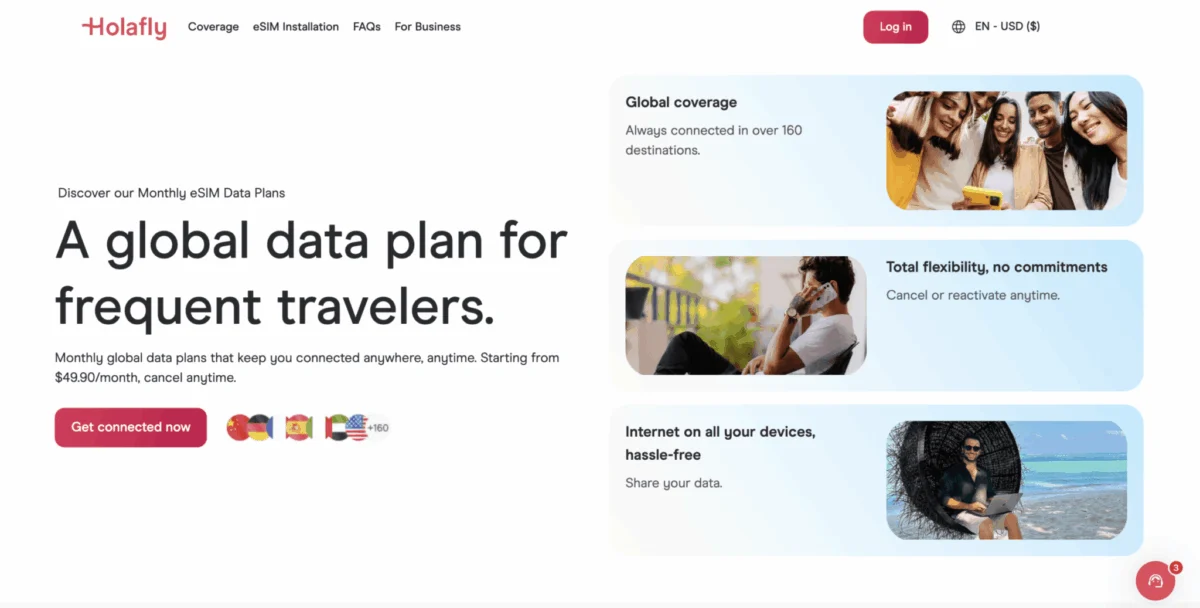
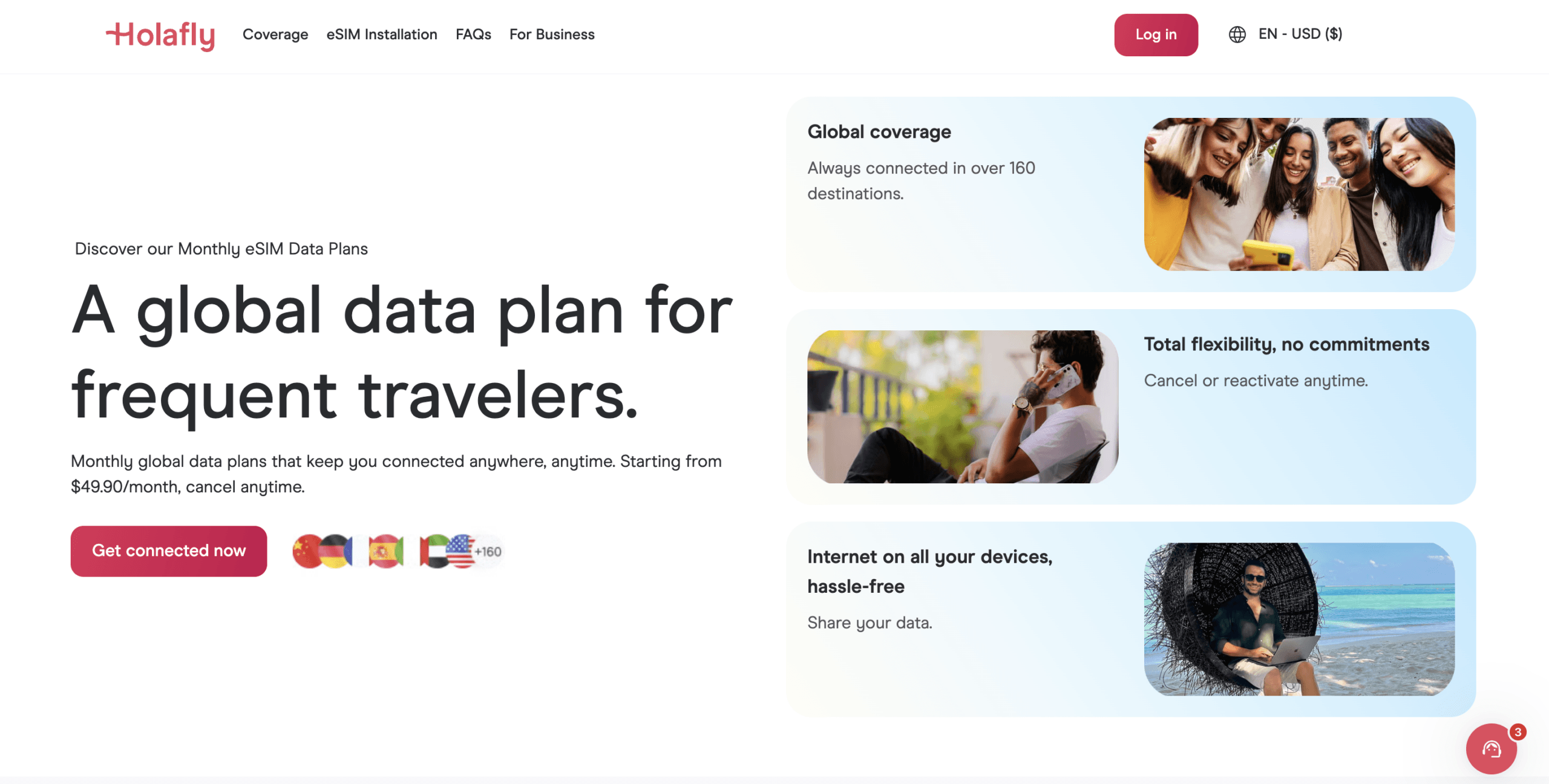
At its core, a Holafly Plan is an ongoing, global subscription that eliminates the need for episodic, country-specific data purchases. Unlike traditional eSIMs, which require a user to download a new profile, scan a new QR code, and configure settings every time they cross a border, Holafly Plans are designed for the "perpetual traveler."
Once activated on a smartphone, the eSIM functions as a persistent digital tether to a network that spans over 160 destinations. It operates similarly to a domestic carrier plan, but with the flexibility of a global reach. Users subscribe to a monthly, quarterly, or annual billing cycle, effectively turning their phone into a truly global device that requires zero manual intervention when moving between countries.
Chronology: From Physical SIMs to Global Subscriptions
The evolution of travel connectivity can be categorized into three distinct eras:

- The Physical Era: For decades, travelers landed in a new country and immediately sought out a local carrier store. This involved purchasing a plastic card, manually swapping it with their home SIM (with the constant fear of losing the original), and dealing with local bureaucracy.
- The Single-Use eSIM Era: As Apple and other manufacturers began integrating eSIM technology, the market saw an influx of apps allowing users to buy data packages for specific regions. While this removed the need for physical hardware, it was still a "transactional" experience. Each trip required a new purchase and a new installation.
- The Subscription Era: Launched in response to the demands of long-term travelers and digital nomads, Holafly Plans represent the current frontier. By moving to a subscription model, the industry has finally caught up to the reality of the modern remote worker who may visit three countries in a single month.
Supporting Data: The Economic and Functional Case
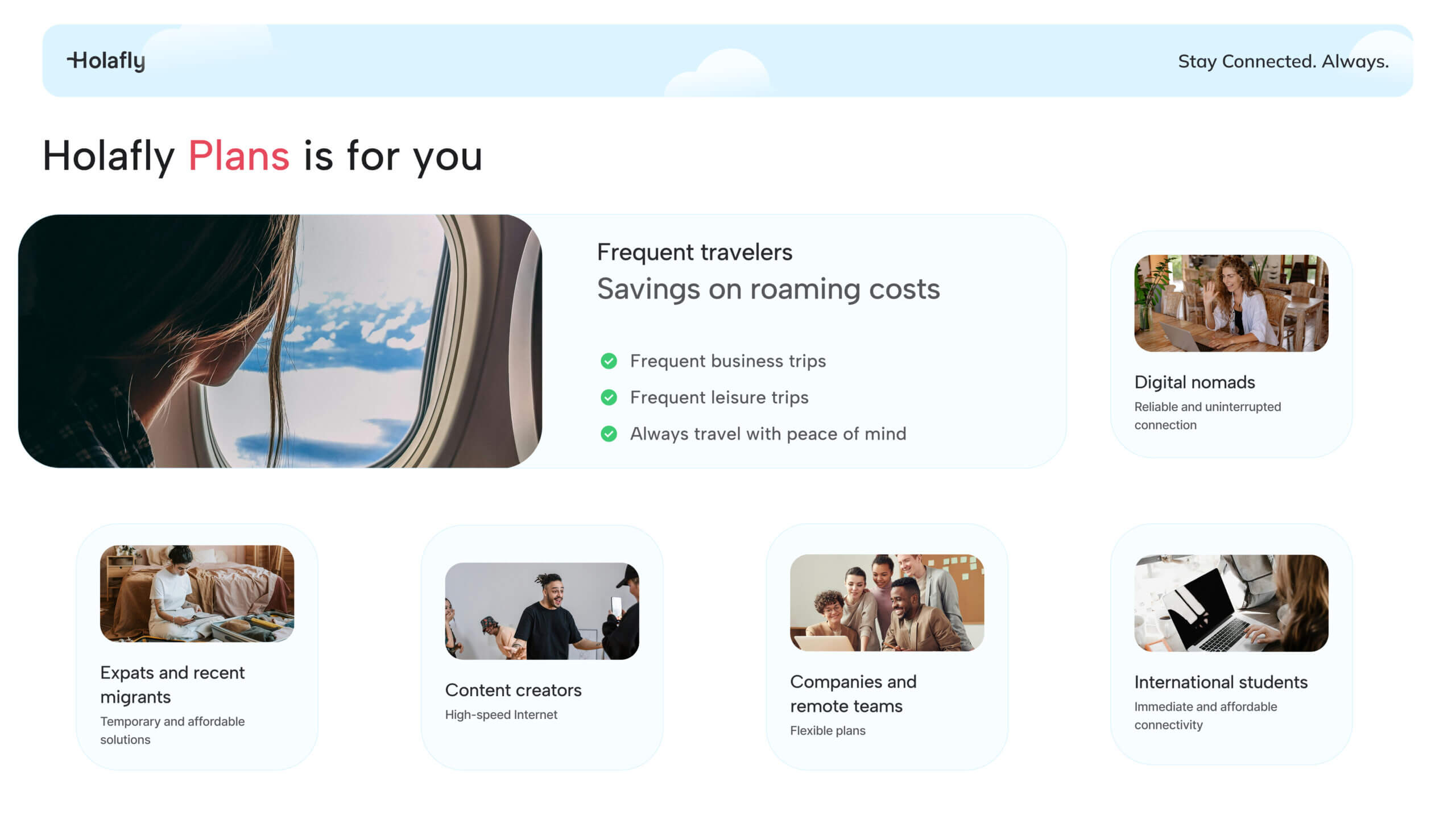
The financial implications of switching from traditional roaming to a global eSIM subscription are significant. When compared to the "major carrier" model, where daily roaming passes often cost $10–$15 per day, the savings are immediate.
For a frequent traveler, a one-month trip across multiple borders could cost upwards of $300 in daily roaming fees from a US-based major carrier. Even with the best-case scenario—an "international-friendly" plan—users are often subjected to data throttling after a certain threshold.
Comparison Matrix: Connectivity Solutions
| Feature | Holafly Plans (Unlimited) | US Major Carrier Roaming | Single-Use eSIMs |
|---|---|---|---|
| Monthly Cost | ~$55–$65 | $100–$300 | $60–$120 |
| Data Allowance | Unlimited | Capped/Throttled | Varies (5GB-10GB) |
| Hassle Factor | Zero (Install once) | Low (Expensive) | High (Multiple installs) |
| Hotspotting | Included | Restricted | Varies by carrier |
The math is compelling. At approximately $55 per month for an unlimited, high-speed plan, the cost-to-value ratio favors the subscription model, especially for users who require consistent access to video conferencing, cloud-based applications, and high-bandwidth uploads.
Official Perspectives: The Value of "Always On"
What distinguishes Holafly Plans from standard market offerings is the integration of the "Always On" feature. Recognizing that travel plans often fluctuate—and that budget constraints can lead to cancelled subscriptions—Holafly has instituted a permanent 1GB monthly data buffer.
According to product developers, this feature was implemented as a safety net. Even if a traveler pauses or cancels their primary subscription, they retain enough data to use critical navigation apps, messaging services, and ride-sharing tools upon landing in a new location. This provides a baseline of security that no traditional carrier currently offers.
Implications for the Modern Traveler
The shift toward subscription-based eSIMs has profound implications for how we perceive international travel.
1. The Death of the "Roaming Anxiety"
For years, the phrase "turn off data roaming" was the first instruction given to any traveler heading abroad. The fear of a $500 bill shock for a few accidentally downloaded emails kept many from being truly "connected." Holafly Plans effectively kills this anxiety. By providing an unlimited, predictable monthly cost, the user is liberated to use their device exactly as they would at home.
2. Operational Efficiency for Digital Nomads
For the digital nomad, time is currency. The manual labor involved in configuring APN settings, troubleshooting connection drops at border crossings, and managing a rotating roster of temporary SIMs is a significant "hidden cost" of travel. By consolidating connectivity into a single, permanent subscription, the traveler recovers hours of lost time per year.
3. Sustainability and Digital Infrastructure
While often overlooked, the move to eSIMs is a massive victory for environmental sustainability. Eliminating the production, shipping, and disposal of millions of plastic SIM cards and their associated packaging is a tangible benefit of this technological transition.
How to Get Started: A Practical Guide
The setup process has been engineered for simplicity, aimed at users who may not be technically proficient:
- Subscription Selection: Users choose between the "Light" (25GB) or "Unlimited" tier based on their anticipated bandwidth needs.
- QR Integration: Upon purchase, a QR code is sent to the user. Scanning this triggers the installation of the eSIM profile.
- Activation: The plan becomes active upon arrival in a supported destination. The system automatically selects the best local network, ensuring 5G or 4G LTE speeds.
- 24/7 Support: Unlike automated bot services, Holafly provides human-led, 24/7 support to troubleshoot any configuration issues, ensuring that the transition to the network is seamless.
Final Verdict: Is It Right for You?
It is important to acknowledge that this technology is not a "one-size-fits-all" solution. For the casual traveler taking a single, five-day trip to a single country, a classic, destination-specific eSIM remains the most cost-effective and logical choice.
However, for the cohort of travelers who spend more than 90 days a year outside their home country, or for the digital nomad who requires a "plug-and-play" solution that functions across continents, Holafly Plans are objectively superior. They offer a level of convenience, data reliability, and cost-predictability that traditional roaming models simply cannot match.
In an age where our devices are the primary tools for our work, social lives, and safety, consistent connectivity is no longer a luxury—it is a necessity. By simplifying the infrastructure of the global mobile network, Holafly is not just selling a data plan; they are selling the freedom to work and live anywhere on the planet without the tether of outdated telecom restrictions.
For those looking to optimize their travel toolkit, you can secure a 10% discount on Holafly Plans by using the promo code NOMADICMATT at checkout. Whether you are a weekend adventurer or a permanent digital nomad, the era of hunting for SIM cards is officially behind us.