In the modern era of wanderlust, travel has largely become an extractive process. We arrive, we photograph, we consume, and we depart. It is a passive cycle of visiting landmarks recommended by algorithms, dining at “authentic” restaurants curated by guidebooks, and retreating to the familiar comfort of hostels or hotels. Even for the self-proclaimed “long-term traveler,” the experience often remains peripheral. We slow the pace and watch our budgets, but we rarely penetrate the social or cultural fabric of the places we visit.
The harsh truth, often obscured by social media’s curated aesthetic, is that most travelers remain outsiders. We fantasize about cinematic encounters—the serendipitous friendship with a local or the profound cultural breakthrough—but such moments are statistically rare. Locals, for the most part, are not looking to integrate transient tourists into their lives.
However, a shift is occurring. A growing segment of the global travel community is rejecting the “pass-through” model in favor of deep immersion. This movement suggests that to truly understand a destination, one must cease to be a tourist and start becoming a temporary resident.
The Evolution of the Working Holiday
For the last decade, the “digital nomad” has held the crown of aspirational travel. The narrative was simple: work remotely, earn in a strong currency, and enjoy a lower cost of living in a foreign land. Yet, this model is inherently exclusionary. It requires a specific remote career, a high level of income, and the career stability that eludes most younger travelers.
Enter the rise of the “Working Holiday Maker.”
Unlike the digital nomad, who remains tethered to a home-based office, the working holiday maker arrives in a country and integrates into the local labor market. By securing employment locally, these travelers move beyond the isolation of coworking spaces and into the reality of local workplaces. They gain coworkers, a set schedule, and a reason to stay long-term. This isn’t just travel; it is a grounded, accessible lifestyle that fosters genuine, lifetime connections.
The Scaffolding of Modern Immersion: Global Work & Travel
Transitioning from a two-week vacation to a six-month stint abroad is logistically daunting. The barriers are significant: visa bureaucracy, the competitive local job market, finding stable housing, and the inherent anxiety of navigating a new culture alone.
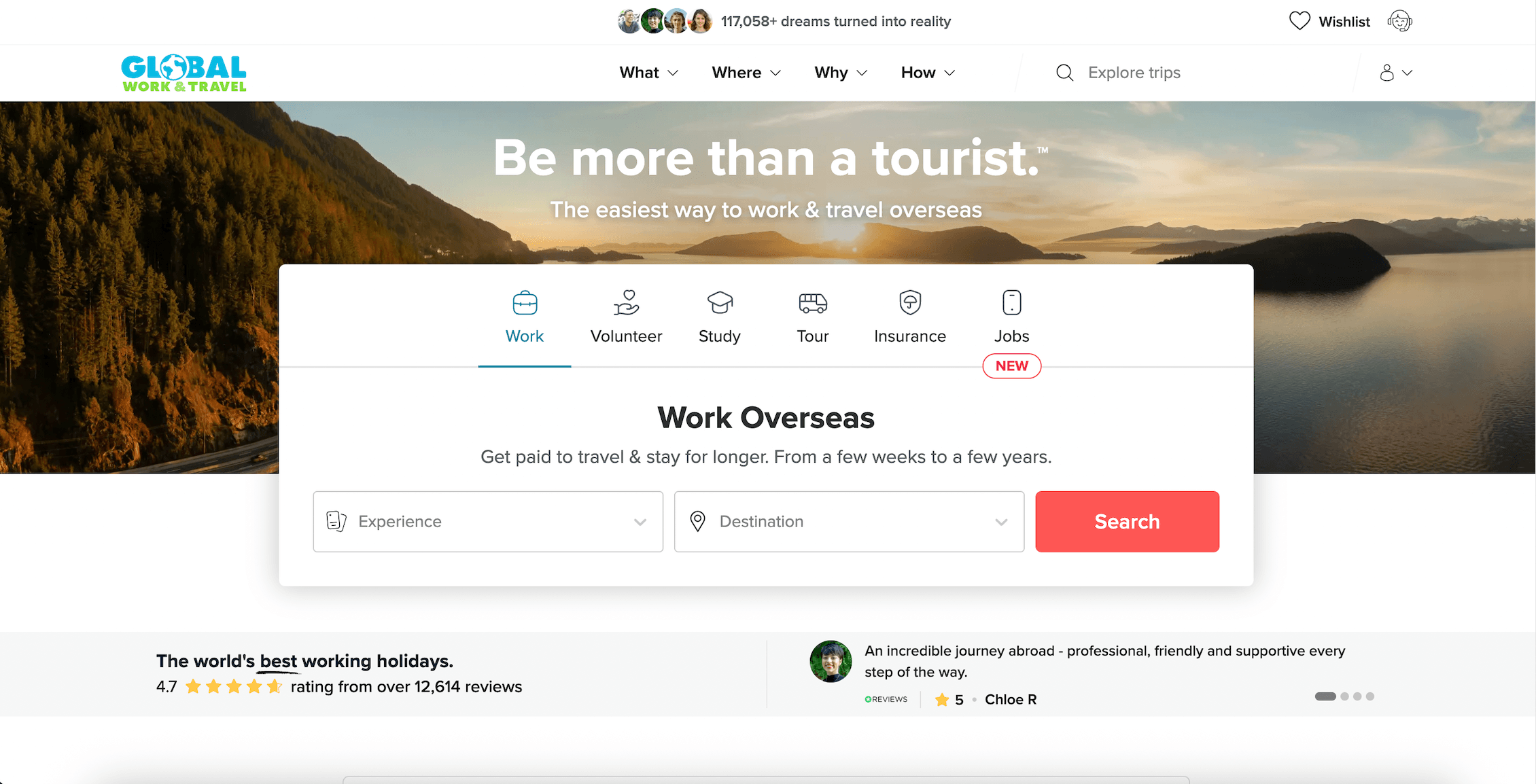
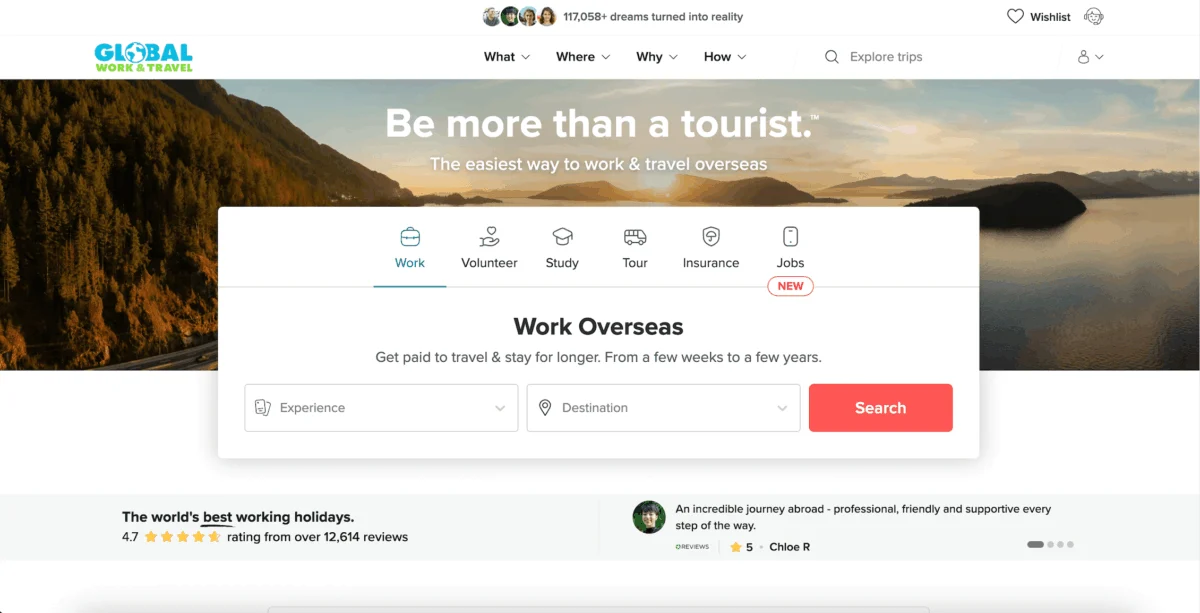
Organizations like Global Work & Travel have emerged as the "scaffolding" for this transition. With nearly two decades of experience and a track record of placing over 116,000 individuals, the company provides the infrastructure necessary to make long-term travel feasible. Their model moves beyond simple placement; it offers pre-departure support, legal visa guidance, and ongoing assistance via their gWorld portal—a centralized digital hub that manages every facet of the trip.
For first-time travelers, this support structure acts as the difference between a dream that never leaves the planning phase and an experience that changes the trajectory of a life. By handling the logistical friction—job matching and regulatory hurdles—these programs allow the traveler to focus on the cultural exchange itself.
The Ethics of Volunteering: A Critical Appraisal
Volunteering abroad has long carried a complicated, sometimes tarnished reputation. The proliferation of "voluntourism"—profit-driven programs that prioritize the traveler’s experience over the local community’s actual needs—has created a justifiable skepticism.
However, when structured correctly, volunteering is perhaps the most potent tool for deep travel. The key lies in vetting. Organizations like Global Work & Travel prioritize programs where the local community defines the priorities. Whether it is working alongside residents in Zanzibar on development projects, engaging in wildlife conservation in South Africa, or assisting with elephant rehabilitation in Thailand, the focus remains on tangible, long-term impact.
The ethical case for this is clear: when a traveler contributes to the preservation of a local ecosystem or the improvement of a community’s infrastructure, the power dynamic shifts. The traveler is no longer a consumer; they are a participant. This provides a level of insight into a country’s struggles and triumphs that no guided tour could ever provide.
Chronology of the Shift: From Tourism to Integration
The history of the "traveller" vs. the "tourist" has moved through three distinct phases:
- The Package Tour Era (1970s–1990s): Travel was standardized, safe, and heavily curated by travel agencies. The goal was to see the "must-see" sites with minimal risk.
- The Digital Nomad Era (2010–2023): Technology allowed for remote work, shifting the focus to "lifestyle design." The emphasis was on portability, coworking, and maintaining a high quality of life while moving between jurisdictions.
- The Immersive/Integration Era (2024–Present): A realization that "floating above" a culture is inherently unfulfilling. The current trend prioritizes long-term stays, local employment, and meaningful service, driven by a desire for human connection over mere sight-seeing.
Supporting Data: Why Working Holidays Work
Recent data suggests that the "Working Holiday" demographic is becoming more diverse. While it was once the domain of recent graduates, we are now seeing an influx of professionals taking "career breaks" or "sabbaticals."
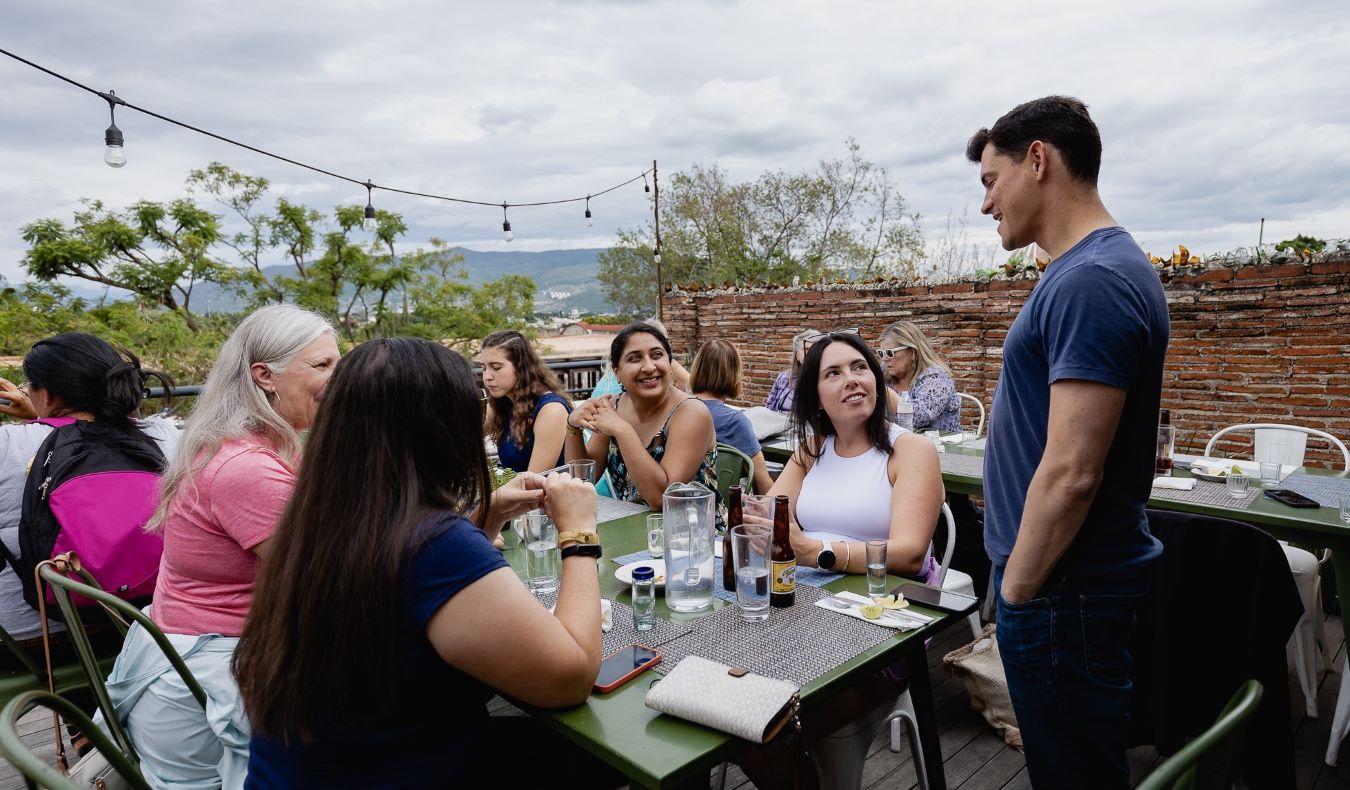
- Age Flexibility: While working holiday visas typically cap at 35 for specific countries, volunteer and teaching programs offered by agencies like Global Work & Travel are open to individuals from 18 to 80.
- Economic Sustainability: By entering the local labor market, travelers mitigate the high costs of long-term travel. A paycheck in the local economy acts as a hedge against inflation and currency fluctuations.
- Career Benefits: Employers are increasingly viewing international work experience as a significant asset. A candidate who has navigated a foreign labor market, mastered a new workplace culture, and managed the complexities of life abroad demonstrates resilience and adaptability—two of the most sought-after soft skills in the global economy.
Implications for the Future of Global Mobility
The transition toward structured, long-term travel has profound implications for both the host countries and the travelers themselves.
For the host nations, this influx of skilled, motivated, and culturally curious individuals provides a steady stream of human capital. Unlike the "fly-in, fly-out" tourist, the working holiday maker spends in the local economy, pays taxes, and integrates into the social fabric.
For the traveler, the implications are even more personal. The moments that remain with us five, ten, or twenty years later are never the ones where we stood in a queue to photograph a landmark. They are the moments of connection: the difficult conversation in a language we are still learning, the pride in mastering a local task, and the realization that the world is not a collection of destinations, but a collection of people.
Conclusion: Doing Something Deep
If you are currently deliberating whether to take the plunge into long-term travel, the logistics should not be the deterrent they once were. The "do-it-yourself" approach to working abroad is often fraught with failure; by contrast, the utilization of established, vetted platforms allows you to bypass the bureaucratic red tape and land directly into the heart of a culture.
The world is waiting, but it requires more than a casual visit. It requires presence. Whether through a working holiday that integrates you into the local economy or a volunteer placement that addresses a critical community need, the goal remains the same: to stop being a visitor and start being an inhabitant.
For those ready to move from planning to action, Global Work & Travel remains the industry leader in making this transition accessible. Use code NOMADICMATT to unlock a $100 discount on your next journey—the first step toward a more profound, and more permanent, way to travel.