NEW DELHI – A volatile standoff between the Indian government and opposition activists reached a boiling point this weekend as security forces launched a sweeping crackdown on protesters demanding the resignation of the country’s top election official. The unrest, which has gripped the capital and several provincial hubs, coincides with the controversial release of several prominent political figures dubbed "cockroach leaders" by their detractors, further inflaming tensions in an already polarized climate.
The protests represent a significant escalation in the ongoing debate regarding the independence of India’s constitutional bodies. As the nation approaches a critical political juncture, the intersection of judicial intervention, executive pressure, and street-level activism has created a state of high alert across the subcontinent.
I. The Main Facts: A Crisis of Institutional Legitimacy
The primary catalyst for the current unrest is a widespread perception among opposition parties that the Election Commission of India (ECI) has become compromised. Critics argue that the commission’s recent rulings—specifically regarding electoral boundaries and campaign oversight—have unfairly benefited the ruling administration.
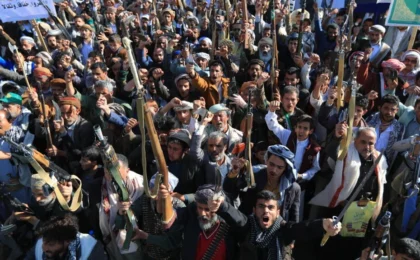
On Saturday, October 11, 2026, thousands of protesters gathered in New Delhi, attempting to march toward the ECI headquarters. The demonstration, led by a coalition of student unions, civil society organizations, and opposition party cadres, was met with a swift and heavy-handed response from the Delhi Police.
Authorities utilized water cannons and tear gas before initiating mass detentions. While the government claims these measures were necessary to maintain "public order and safety," human rights observers have characterized the crackdown as an attempt to stifle legitimate democratic dissent. The core demand remains the immediate resignation of the Chief Election Commissioner, whom protesters allege has facilitated the erosion of democratic checks and balances.
II. Chronology: The Road to October 11
The path to this weekend’s unrest was paved by a series of events that began in early 2026:
- February 2026: The ECI announces a controversial redrawing of constituencies. Opposition parties label the move "gerrymandering" designed to disenfranchise marginalized urban voters.
- May 2026: A series of corruption allegations surface against several regional political leaders. Known colloquially in the press as the "Cockroach Scandal"—referencing a leaked audio tape where a senior aide described political opponents as "vermin that need to be flushed out"—the case captures national attention.
- August 2026: The "cockroach leaders" are formally charged with misappropriation of state funds. They are taken into custody, sparking protests across the southern and eastern states.
- September 2026: A surprise court ruling grants bail to these leaders, citing lack of "conclusive evidence." The ruling triggers public outrage, with supporters of the ruling party labeling it a "judicial failure."
- October 10, 2026: The opposition coalition calls for a "March for Democracy," demanding the removal of the ECI chief, citing his failure to intervene in the corruption scandals or ensure a level playing field.
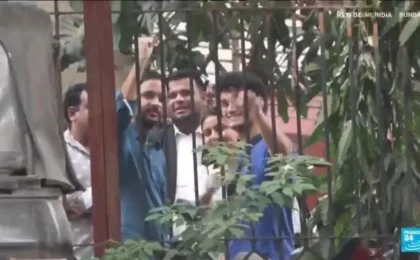
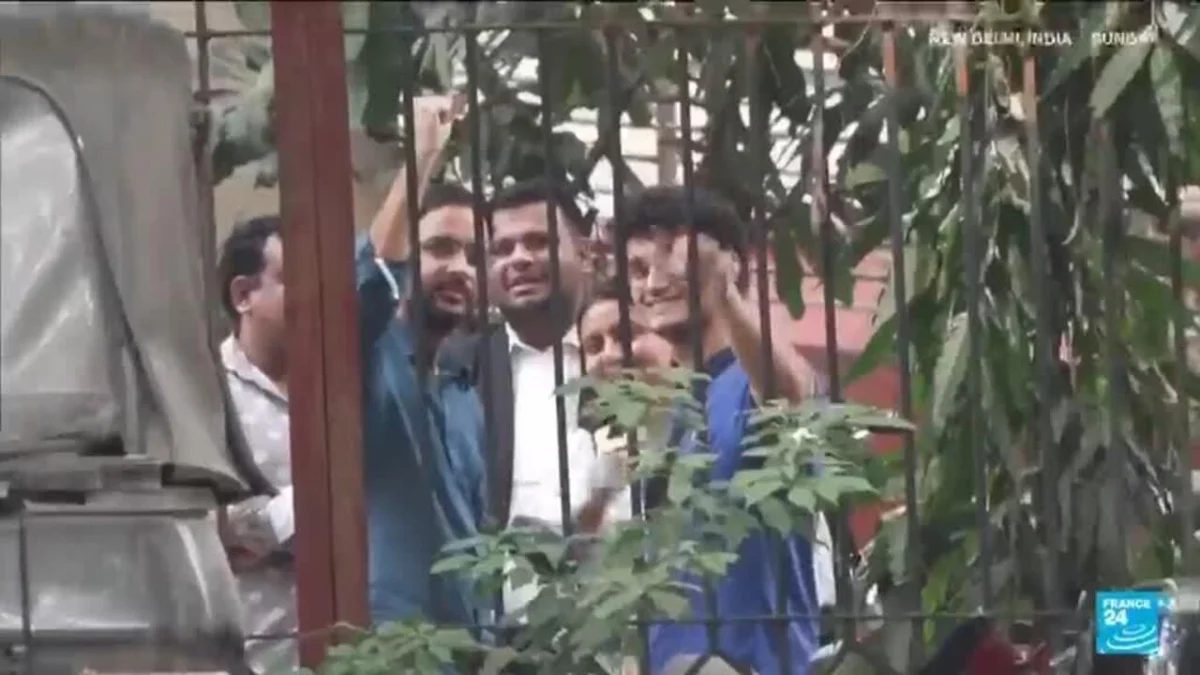
- October 11, 2026: The demonstration in New Delhi is met with mass detentions. Simultaneously, the "cockroach leaders" are released from prison amid chaotic scenes as thousands of their supporters gather to celebrate.
III. Supporting Data: Democracy in Decline?
The recent unrest is not an isolated incident but part of a broader trend identified by international observers. According to the 2026 Global Democratic Index, India has seen a steady decline in its "Institutional Trust" score, dropping to its lowest point since the late 1990s.
Key Metrics:
- Freedom of Assembly: Reports indicate that in the first three quarters of 2026, the number of "preventive detentions" during protests has increased by 42% compared to the same period in 2025.
- Public Sentiment: A recent independent survey by the Delhi Political Institute found that 58% of urban voters lack confidence in the ECI’s ability to conduct "free and fair" elections in the upcoming cycle.
- Economic Impact: The instability has caused a slight dip in the National Stock Exchange (NSE) indices, with foreign institutional investors expressing "cautious concern" over the potential for prolonged political instability.
The data suggests that the ECI is fighting an uphill battle for credibility. With election cycles approaching, the commission’s inability to reconcile its actions with the expectations of the electorate remains a primary driver of the current instability.
IV. Official Responses: The Government vs. The Opposition
The government has remained steadfast in its support of the Election Commission, framing the protests as a "sponsored attempt to destabilize the nation."

The Government’s Stance:
A spokesperson for the Home Ministry stated: "The Election Commission is a constitutional body, and its sanctity must be upheld. The individuals protesting are not concerned with democracy; they are concerned with protecting their own political interests. The detention of agitators is a standard procedure to prevent the disruption of critical infrastructure in the capital."
The Opposition’s Stance:
Conversely, the leader of the opposition bloc, addressing a makeshift press conference following the detention of his colleagues, stated: "We are witnessing the death of the referee. When the Election Commission stops being an umpire and starts being a player, the game is rigged. The release of the so-called ‘cockroach leaders’ is merely a distraction—a sideshow meant to keep the public focused on petty corruption while the foundations of our democracy are being hollowed out."
V. Implications: What Lies Ahead for India?
The events of October 11 are likely to have profound implications for the Indian political landscape in the coming months.
1. The Legal Battle
The detention of protesters will likely lead to a series of high-profile legal challenges. If the courts rule that the police response was disproportionate, it could further embarrass the government and embolden the opposition. Conversely, if the courts side with the state, it may cement the perception that the judiciary is moving in lockstep with the executive.
2. The Credibility of the ECI
The ECI faces a "do or die" scenario. To regain public trust, it must demonstrate transparency in its upcoming procedural decisions. Failure to do so could lead to a permanent loss of legitimacy, potentially resulting in a crisis where opposition parties refuse to participate in future elections—a move that would trigger a constitutional crisis of unprecedented proportions.
3. Civil Society and Political Polarization
The term "cockroach leaders" reflects a dangerous dehumanization of political opponents. This linguistic escalation suggests that the political discourse in India has moved past policy debate into a realm of existential antagonism. The social fabric of the country, already strained by religious and regional tensions, risks further tearing if the political elite does not prioritize reconciliation over retribution.
4. International Scrutiny
India’s global partners are watching closely. While the country remains a vital strategic ally, the erosion of democratic norms could complicate diplomatic relations, particularly with Western nations that place a high premium on human rights and the rule of law.
Conclusion
As the dust settles in New Delhi, the situation remains fluid. The detention of protesters and the release of controversial political figures have left the nation in a state of suspended animation. Whether this marks the beginning of a genuine democratic renewal or a slide into deeper authoritarianism will depend largely on the actions taken by the ECI and the judiciary in the coming weeks. For now, the streets of India remain a theater of conflict, where the future of the world’s largest democracy is being contested in the face of deep-seated distrust and institutional fatigue.