The global water cycle, the fundamental engine of human civilization and ecological stability, is undergoing a profound and potentially irreversible transformation. A stark, comprehensive report released this week by the United Nations World Meteorological Organization (WMO) has issued a clarion call to world leaders: the world’s "savings account" of freshwater—the glaciers, groundwater, and river systems that sustain life—is being depleted at an alarming, unprecedented rate.
According to the WMO’s State of Global Water Resources 2025 report, the planet is no longer merely experiencing cyclical droughts but is entering a new era of systemic hydrological instability. With the intensification of climate change, the rapid expansion of water-intensive industries, and a decade-long pattern of record-breaking consumption, the stability that defined the Holocene is rapidly evaporating.
The State of Global Water: Main Facts and Current Realities
The WMO data paints a harrowing picture of a world running dry. In 2025, the planet experienced one of the driest years for river flows in the last three and a half decades. Nearly 36 percent of the world’s river basin areas recorded below-normal discharge, signaling a widespread failure in the natural replenishment of surface water.
This is not a localized phenomenon; it is a global hydrological crisis. Secretary-General of the WMO, Celeste Saulo, highlighted that terrestrial water storage—the total amount of water stored on land—has been in a steady decline since 2014. More concerning, nearly two-thirds of all monitored groundwater wells are now falling outside their normal operating ranges. Rather than seeing the typical seasonal recovery, many regions are shifting into a permanent state of "deficit," where the ground is unable to absorb enough water to replenish the aquifers that feed agriculture, industry, and municipal supplies.
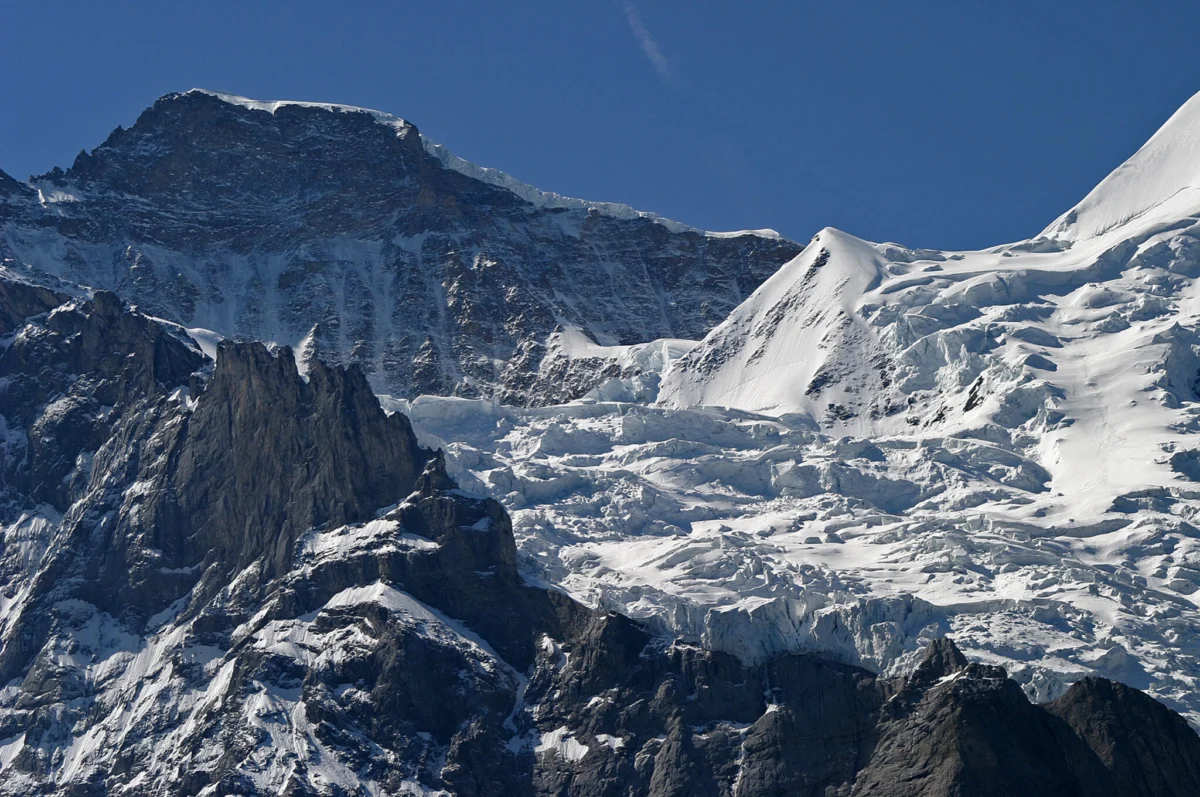
The crisis is also characterized by "peak water" in key regions. As noted by the WMO’s Director of Hydrology and Cryosphere, Wayne Jenkinson, areas such as Central Europe, western Canada, and the United States have already passed the point where they can rely on the historical reliability of glacial melt and snowpack. Once these reserves are exhausted, the flow of rivers in these regions will diminish permanently, altering the economic and social landscape for millions.
Chronology of a Crisis: From Warnings to Reality
The current state of affairs is the result of years of mounting environmental stress, manifesting in increasingly frequent and severe failures of water infrastructure:
- 2014: The beginning of the consistent downward trend in global terrestrial water storage, as identified by satellite data.
- 2021: The Institute for Economics and Peace (IEP) publishes research linking natural resource depletion to the rising probability of violent conflict, setting the stage for modern geopolitics to be increasingly shaped by water scarcity.
- 2023: Rising tensions over water security, particularly exemplified by the protracted dispute over the Grand Ethiopian Renaissance Dam, underscore the potential for water to become a casus belli for armed conflict.
- 2025: The WMO identifies this as one of the driest years in 35 years, with massive groundwater deficits recorded globally.
- May 2025: UN leadership issues an international alarm regarding the rapid, dangerous melting of Himalayan glaciers in Nepal, signaling the threat to downstream populations.
- August 2026: A critical, tangible manifestation of the crisis occurs in Romania, where record-low water levels in the Danube River force the emergency shutdown of the Cernavoda nuclear power plant. The event serves as a harbinger for how water scarcity can directly destabilize national power grids.
- September 2026: The WMO releases its latest findings, coinciding with a humanitarian catastrophe in Nepal, where a glacier collapse and subsequent flash floods claimed thousands of lives.
Supporting Data: The Erosion of Earth’s "Savings Account"
To understand the severity of the crisis, one must view freshwater as a capital reserve. Celeste Saulo defines groundwater, glaciers, and snowpack as Earth’s "savings account"—a buffer that provides essential flow during the hot, dry months of the year.
The data indicates that this account is being drained without replenishment. For the fourth consecutive year, every major glacier region on Earth has reported significant net ice loss. This is not merely a tragedy for mountain ecosystems; it is an economic crisis for those who rely on the "slow release" of glacial melt to irrigate crops during the summer.
Furthermore, the pressure on water is no longer solely coming from agriculture and human consumption. The rise of Artificial Intelligence (AI) and the proliferation of high-density data centers have introduced a massive, largely uncalculated water demand. These facilities require millions of gallons of water for cooling purposes, often in regions already suffering from chronic water stress. The WMO report explicitly points to these industrial shifts as major contributors to the current water deficit, noting that the combination of climate-induced variability and industrial demand creates a "perfect storm" for resource depletion.
Official Responses and Strategic Recommendations
The WMO’s leadership has been unequivocal in its demands for policy reform. The primary recommendation is a transition from reactive disaster management to proactive, data-driven resilience.
- Monitoring and Data Sharing: The WMO urges nations to abandon fragmented, localized water data collection in favor of a coordinated global network. Without granular, real-time data on groundwater levels and river flows, effective governance is impossible.
- Coordinated Early Warning Systems: The recent disaster in Nepal underscores the lethal cost of failing to anticipate hydrological events. The WMO is pushing for universal access to early warning systems that can predict both floods and droughts with greater accuracy.
- Climate Mitigation: Narelle van der Wel, the WMO’s Head of Cryosphere Monitoring, Predictions, and Services, provided a vital note of cautious optimism. While she admits that further glacier loss is now "inevitable" due to existing warming, she emphasizes that the scale of this loss is not yet predetermined. Aggressive reductions in carbon emissions can still arrest the most catastrophic outcomes, preserving what remains of the cryosphere.
- Integrated Industrial Policy: Governments are being asked to evaluate the water footprint of new industries, particularly AI and digital infrastructure, to ensure that the pursuit of technological progress does not come at the expense of fundamental water security.
Implications: The Nexus of Conflict and Contamination
The implications of this water crisis extend far beyond environmental conservation; they touch on the very stability of international order and human rights.
The Conflict Risk
Water scarcity is increasingly viewed by security analysts as a "threat multiplier." When resources become scarce, the competition for access—whether between agricultural and urban sectors or between neighboring nations—frequently leads to social unrest and political volatility. The 2021 IEP report remains a seminal reference for understanding how water insecurity is intrinsically linked to state failure and cross-border conflict.
The Health Crisis: "Forever Chemicals"
While the volume of water is declining, the quality of what remains is also under siege. Parallel to the scarcity crisis is the issue of contamination, particularly the prevalence of polyfluoroalkyl substances (PFAS). These "forever chemicals" have permeated the water cycle, creating a dual-front crisis: not only is there less water, but the water that is available is increasingly tainted, threatening human rights to safe, clean drinking water.
Conclusion: A Call for Radical Adaptation
The findings from the WMO are not merely a report on the past; they are an urgent, structural warning for the future. The era of water abundance is over. Whether through the failure of nuclear reactors in Europe due to low river levels or the loss of entire mountain ecosystems in the Himalayas, the world is witnessing the breakdown of its most vital life-support system.
To avert a future defined by systemic thirst, conflict, and economic stagnation, the global community must fundamentally rethink its relationship with water. This requires a radical departure from the "extract and exhaust" model. It necessitates the integration of hydrology into every facet of national and international planning, from the regulation of high-tech industries to the diplomacy of transboundary rivers. As the WMO has made clear, the reserves are running low, and the window to secure our hydrological future is closing with every passing year. The "savings account" is nearing empty; the time to invest in a sustainable water future is now.