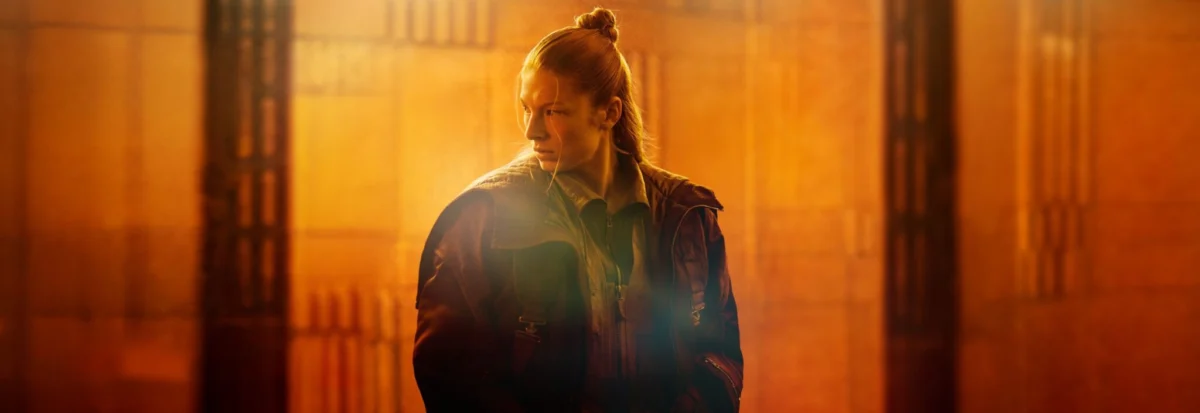
The neon-soaked, rain-drenched aesthetic of the Blade Runner universe is returning to the small screen with a vengeance. During a high-profile panel at New York Comic Con, Prime Video unveiled a gripping new trailer for the highly anticipated series Blade Runner 2099. With a release date locked for November 25, the series promises to expand the existential, noir-steeped mythology established by Ridley Scott in 1982 and further explored by Denis Villeneuve in 2017.
The latest footage provides our most comprehensive look yet at the series’ core conflict: a sprawling conspiracy involving missing replicants, a world where synthetic humans have tipped the scales of power, and a tense alliance between two women caught in the crosshairs of a dying society.
The Core Mystery: A Noir Investigation into the Unknown
At its heart, Blade Runner 2099 is positioning itself as a hard-boiled detective procedural. The narrative hook centers on the sudden disappearance of 38 replicants over the course of a single year. In a world where these artificial beings are tracked, managed, and manufactured, the mass vanishing of nearly four dozen models is not merely a statistical anomaly—it is a cataclysmic breach of the status quo.
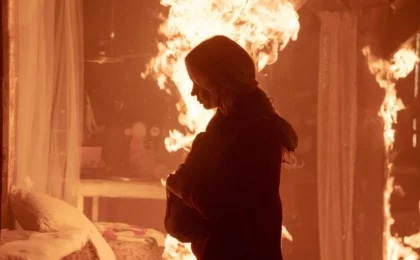
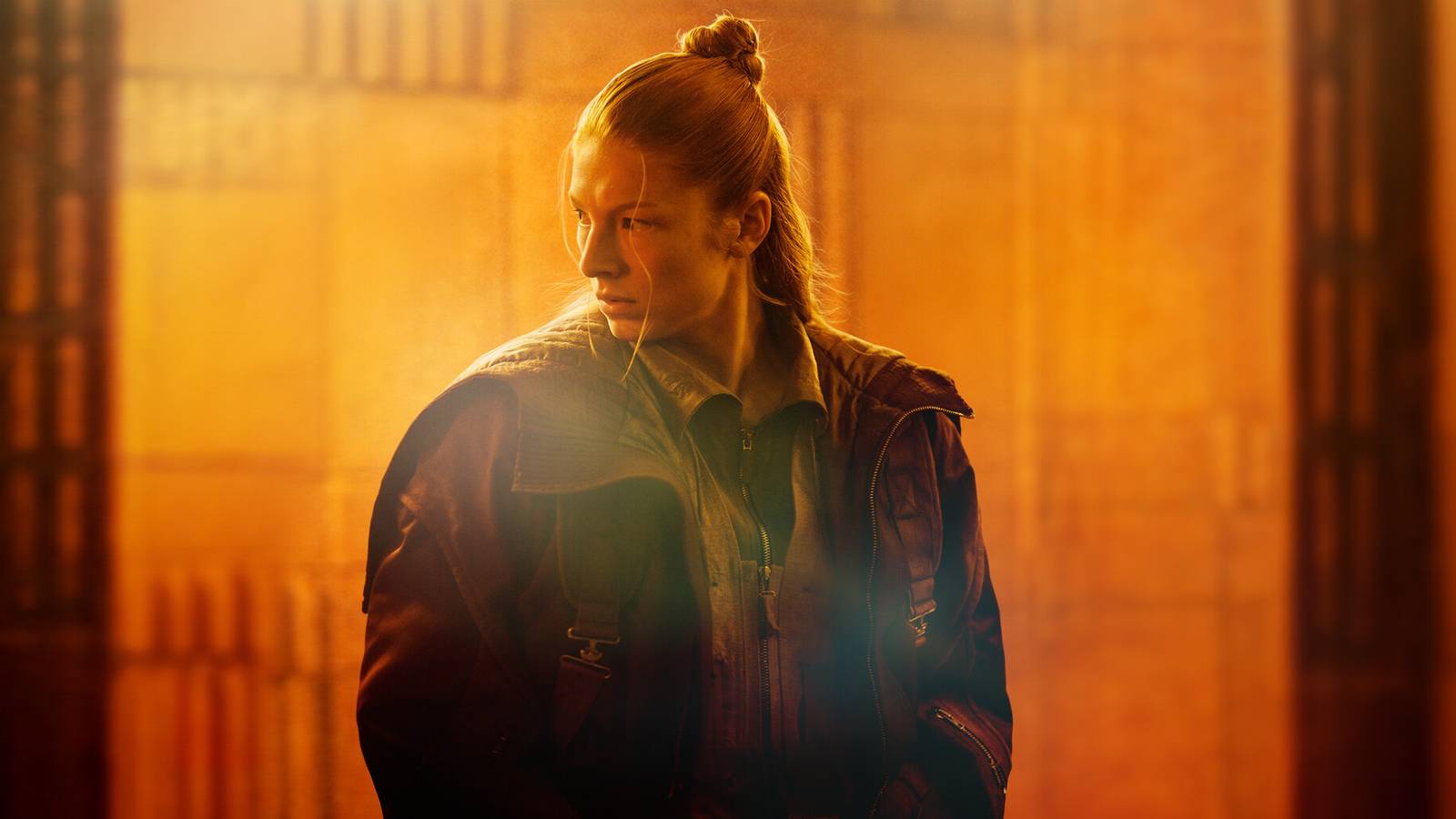
The trailer introduces us to the central dynamic of the show: the unlikely partnership between Cora, played by Hunter Schafer, and Olwen, portrayed by Academy Award winner Michelle Yeoh. Cora is introduced as a fugitive, a woman living on the margins of a hyper-technological Los Angeles. Olwen, by contrast, is a replicant nearing the end of her operational lifespan.
As their paths cross, they are forced to confront a radical faction of replicants who have abandoned the desire to emulate humanity. This group, operating from the shadows, rejects the "human-like" constraints placed upon them by their creators. The resulting mystery promises to blend the grit of 1970s neo-noir with the high-concept science fiction that has defined the franchise for decades.
A Legacy Reimagined: From 1982 to 2099
To understand the weight of Blade Runner 2099, one must look at the progression of the timeline. The original film, set in 2019, focused on the morality of "retiring" rogue androids. Blade Runner 2049 shifted the focus toward the possibility of replicant reproduction and the soul. Now, by jumping forward to 2099, the series enters a territory where humanity’s influence has significantly waned.
Showrunner Silka Luisa, in a recent interview, aptly described the series as "Chinatown set in the world of Blade Runner." This comparison is telling. Chinatown is a masterpiece of cynical, systemic corruption, where the protagonist uncovers a rot that goes to the very top of the social order. By positioning Blade Runner 2099 in this mold, the showrunners are signaling that this won’t just be a series about hunting androids; it will be a deep dive into the political and existential architecture of a world that has outlived its masters.
Implications: A World Controlled by the Artificial
The new promotional poster for the series bears a haunting tagline: "Welcome to a future we no longer control." This is not merely marketing fluff; it is a thematic pillar of the narrative.
For the first time in the franchise’s history, the setting of Los Angeles is depicted as being dominated by replicants rather than their human counterparts. The implications for the viewer are profound. If the "slaves" have become the architects of their own society, what happens to the concept of the "Blade Runner"? Are they still enforcers of human law, or are they merely agents in a power struggle between different factions of synthetic life?
The trailer hints at a shift in visual language. While the signature verticality and perpetual gloom of the cityscape remain, there is an increased focus on the internal lives of the replicants. We see glimpses of a society that is not just surviving but thriving in its own way—a cold, calculated, and terrifyingly efficient evolution of the Tyrell Corporation’s vision.
Chronology of the Blade Runner Universe
The release of Blade Runner 2099 marks a significant milestone in a franchise that has been notoriously protective of its legacy. To understand the stakes of the new show, it is worth tracking the development of this cinematic universe:
- 1982: Ridley Scott releases Blade Runner, based on Philip K. Dick’s Do Androids Dream of Electric Sheep?. The film introduces the concept of the Voight-Kampff test and the existential dread of replicants like Roy Batty.
- 2017: Denis Villeneuve directs Blade Runner 2049, an ambitious sequel that expands the lore to include the "Blackout" event—a massive EMP that erased databases and led to the prohibition of replicants.
- 2021: Amazon Studios confirms the development of Blade Runner 2099 as a limited series, with Ridley Scott serving as an executive producer.
- 2024: Production hurdles and shifts in the industry stall momentum, but the series remains a priority for Amazon MGM Studios.
- 2026 (Present): The series is finalized for a late-year release, with a definitive 8-episode arc that promises to conclude the immediate narrative threads.
Production and Creative Vision
The transition to a television format allows Blade Runner 2099 to explore the "world-building" aspects that films often have to compress. With eight episodes at their disposal, the creative team has the luxury of pacing.
Silka Luisa has confirmed that the show is designed as a "complete story." In an era of television where every show is seemingly designed to launch a decade-long universe, there is a refreshing confidence in the decision to craft a self-contained narrative. This allows for a tighter, more focused exploration of the themes of memory, identity, and the blurring lines between organic and synthetic life.
The involvement of Michelle Yeoh, coming off her historic awards season run, provides the show with a gravitational center. Her portrayal of a replicant nearing the end of her life offers a unique perspective—one that is weary, experienced, and deeply aware of the expiration date stamped on her existence. When paired with the raw, chaotic energy of Hunter Schafer’s character, the show promises a dynamic conflict that is as much about character growth as it is about sci-fi spectacle.

The Streaming Strategy: All at Once
A notable aspect of the release strategy is that all eight episodes will drop on Prime Video on November 25. This "binge-drop" model suggests that Amazon is confident in the narrative momentum of the series. By releasing the entire arc simultaneously, the platform is inviting viewers to treat the series as a long-form feature film, encouraging the kind of deep immersion that the Blade Runner aesthetic demands.
Furthermore, by making Blade Runner: The Final Cut and Blade Runner 2049 available on the same platform, Amazon is essentially curating a "franchise hub." This is a strategic move to capture both the die-hard fans of the original films and a new generation of viewers who may be drawn in by the star power of the cast.
Conclusion: A High-Stakes Gamble
Blade Runner 2099 is not just another spin-off; it is a major creative undertaking that aims to prove that the themes of Philip K. Dick are more relevant today than ever. As we stand on the precipice of our own advancements in artificial intelligence, the questions posed by the Blade Runner universe—what does it mean to be human? What do we owe the things we create?—have moved from the realm of speculative fiction to the center of our cultural discourse.
Whether the series can live up to the visual and philosophical standard set by its predecessors remains to be seen. However, based on the tone, the creative team, and the ambitious narrative structure unveiled at New York Comic Con, Blade Runner 2099 is poised to be one of the most important television events of the year.
On November 25, the neon lights of Los Angeles will turn back on. For those waiting to see if humanity has any place left in that city, the wait is almost over. As the tagline warns, we are entering a future we no longer control—and that is exactly where the best stories happen.