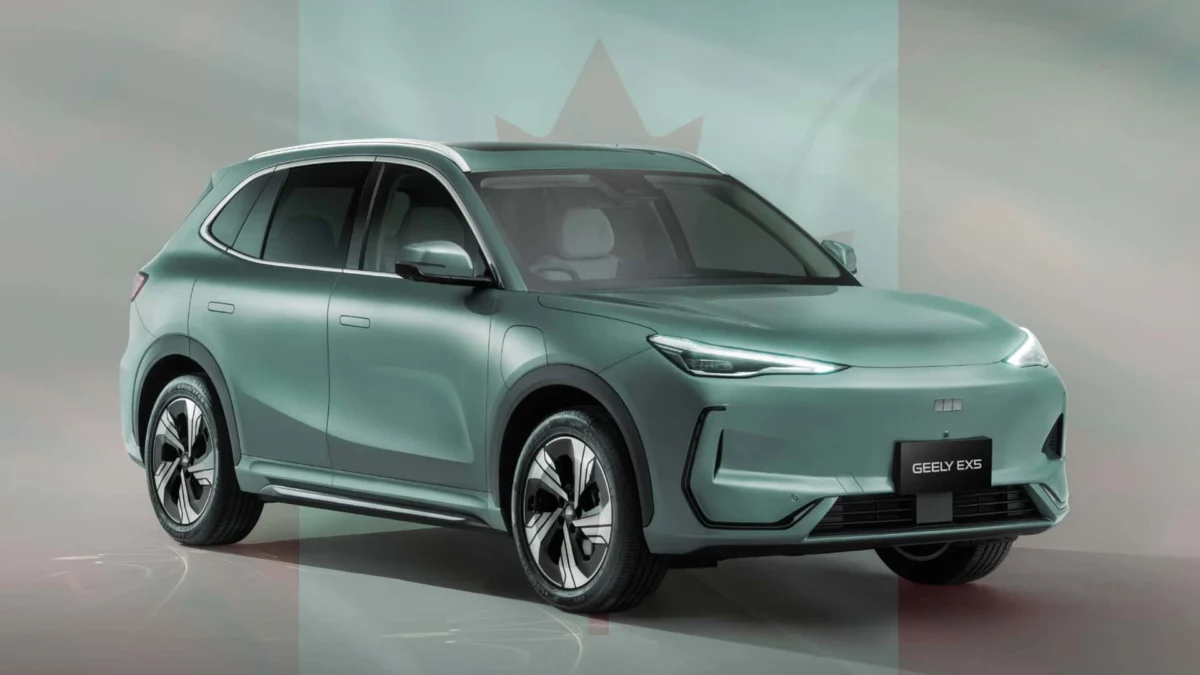
The automotive landscape in North America is poised for a significant transformation as Geely, one of China’s most formidable automotive giants, has officially announced its entry into the Canadian market. In a move that signals a broader push to solidify its footprint in the Western hemisphere, the company confirmed on Friday the establishment of Geely Auto Canada. This new corporate entity will serve as the foundation for the automaker’s operations, with the first fleet of vehicles expected to roll onto Canadian roads by 2027.
While Geely has been a quiet force in the global industry for years—owning or holding significant stakes in legacy brands like Volvo, Polestar, and Lotus—the introduction of the "Geely" brand itself into the North American retail sector marks a pivotal chapter in the company’s history.
The Strategic Blueprint: Building from the Ground Up
The establishment of Geely Auto Canada is not merely a formality; it is the first phase of an intensive multi-year strategy. Unlike manufacturers that rely on third-party distributors, Geely is taking a hands-on approach by building its own domestic retail and service infrastructure.
According to company representatives, the focus for the next 24 to 36 months will be the identification and vetting of retail partners. These partners will be tasked with more than just vehicle sales; they are being selected based on their capacity to provide a premium service experience that aligns with Geely’s global standards. This "ground-up" approach suggests that Geely is prioritizing long-term stability and customer trust over a rapid, potentially chaotic, market penetration.
"Canada represents an important next step in Geely Auto’s international growth," said Bryan Wu, managing director of Geely Auto Canada. "We are entering this market with a long-term commitment, bringing our global technology and engineering capabilities to Canadian drivers while building strong local partnerships and the support customers need to feel confident in choosing Geely."
A Chronology of Global Expansion
To understand the weight of the Canadian announcement, one must look at Geely’s trajectory over the past decade.
- 2010: Geely acquires Volvo Cars from Ford, a move that surprised many at the time but proved to be the catalyst for the brand’s technical sophistication and global reputation.
- 2017: The acquisition of a controlling stake in Lotus and a significant investment in Proton, Malaysia’s national carmaker, expanded the group’s influence into high-performance and emerging markets.
- 2023-2024: Geely intensifies its push into Europe, with models like the Monjaro EM-i making high-profile debuts at major trade shows like the Paris Motor Show.
- 2025: Geely concludes a massive year, reporting over 3.02 million vehicles sold globally, with a staggering 1.69 million of those being electrified models.
- 2026 (Year-to-Date): Through September, the group has already moved over 2.23 million units, maintaining its aggressive growth pace.
- 2027 (Projected): The official launch of the first Geely-branded vehicles in the Canadian market.
This timeline illustrates a deliberate, methodical approach. Geely rarely enters a market unprepared; it spends years building supply chains, local engineering teams, and regulatory compliance frameworks before selling a single car to the public.
Technical Capabilities and Product Philosophy
While the specific models for Canada have not yet been named, industry analysts are looking closely at the brand’s recent offerings, such as the Geely E5 and the Galaxy Cruiser 700. These vehicles represent the intersection of what Geely calls its "global engineering" and "local expertise."
Geely’s strategy relies heavily on the integration of cutting-edge technology. This includes:
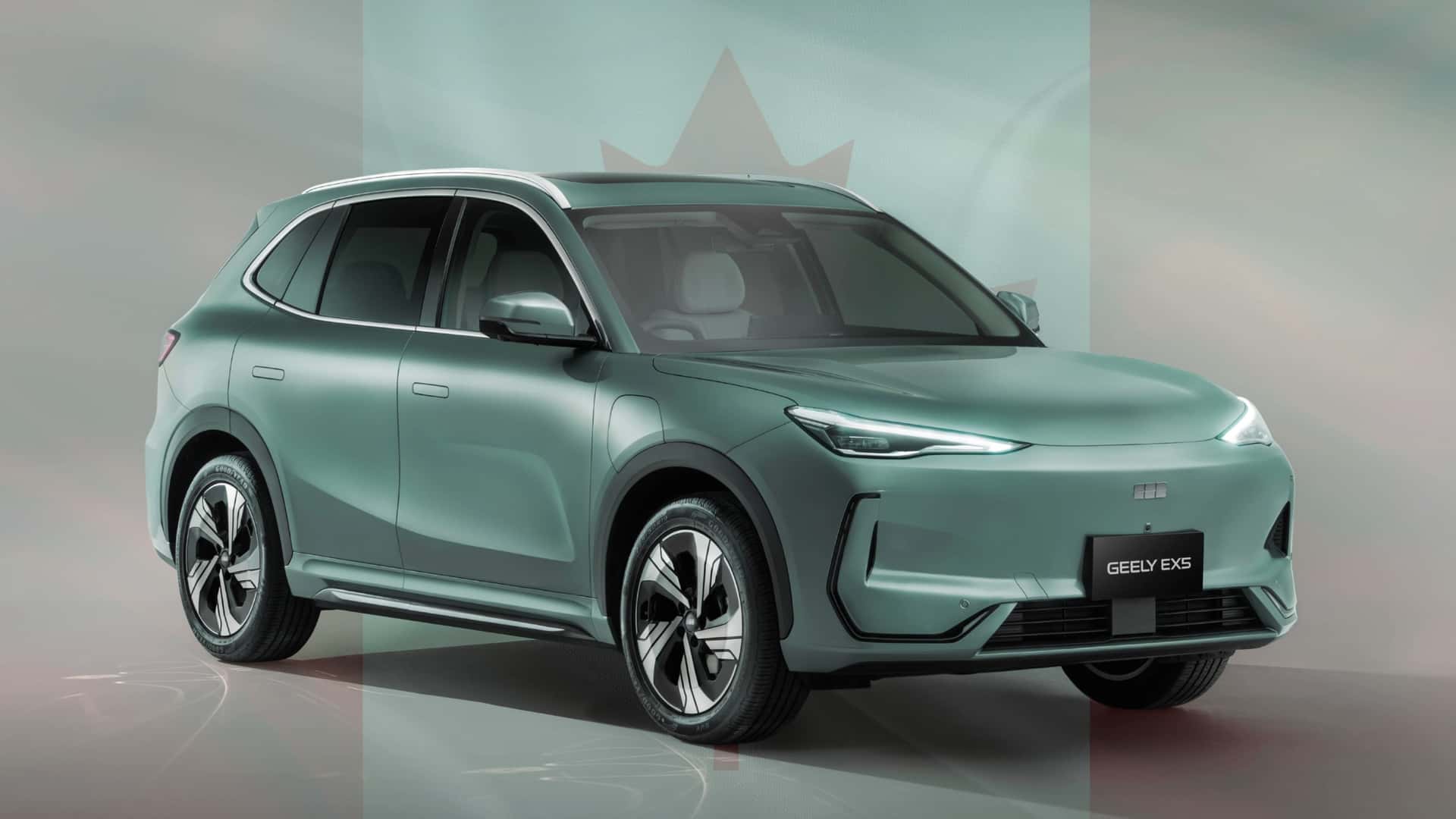
- Advanced Electrification: With its massive experience in EV production, the company is expected to lead its Canadian charge with hybrid and fully electric models designed to withstand cold climates—a critical factor for Canadian consumers.
- Intelligent Features: Geely’s vehicles are renowned for their high-tech cabins, featuring advanced AI-driven infotainment systems, autonomous driving aids, and seamless connectivity, which are highly valued in the tech-savvy North American demographic.
- Safety Engineering: Benefiting from the technology-sharing ecosystem with Volvo, Geely vehicles consistently perform well in global safety testing, a key selling point that the company will undoubtedly leverage when marketing to safety-conscious Canadian families.
Implications for the North American Market
The entry of a major Chinese OEM into Canada presents both opportunities and challenges. On one hand, it introduces a new tier of competition. For consumers, this could lead to increased choice and potential downward pressure on pricing in the mid-size SUV and sedan segments, where Geely is particularly strong.
On the other hand, the move arrives during a period of heightened scrutiny regarding international trade and the automotive supply chain. Geely will need to navigate Canadian trade regulations, tariff structures, and public perception regarding the origin of the vehicles. However, by emphasizing "local partnerships" and "local expertise," Geely is signaling its intent to become a corporate citizen rather than just an importer.
The decision to establish a dedicated Canadian operation shows that Geely views Canada as a distinct market with specific needs, rather than just an extension of the United States. This could allow for a more curated product strategy that respects the unique geography, climate, and driving habits of Canadians.
Official Responses and Future Outlook
The industry response to the announcement has been one of cautious observation. Competitors are likely to monitor the development of Geely’s service network closely. In the automotive industry, the brand is only as strong as its service and parts availability. By emphasizing this aspect early, Geely is addressing the "hesitancy factor" that often plagues new entrants in the Canadian market.
"Developing a strong retail and service network is a major part of our Canadian strategy," the company stated in its official press release. "We are working with partners who understand their local markets and can support customers throughout the ownership experience."
As we look toward 2027, the automotive world will be waiting for the next "drop" of information. In the coming months, Geely is expected to reveal:
- The Lineup: Which specific models will be homologated for Canadian roads.
- The Network: Where the first flagship retail centers will be located (with industry experts anticipating hubs in Toronto, Vancouver, and Montreal).
- The Pricing Strategy: How Geely intends to position itself against established Japanese and Korean competitors.
Conclusion
Geely’s entry into Canada is more than just the expansion of a brand; it is the arrival of a global titan that has successfully mastered the art of vertical integration and technological adaptation. With a proven track record of managing diverse automotive brands and a massive, scale-driven manufacturing engine, Geely is well-positioned to disrupt the Canadian status quo.
The next few months of planning will be critical. If Geely can successfully translate its global success into the Canadian context—by balancing its high-tech, electrified portfolio with the reliable, localized service that Canadian consumers demand—it may well define the next decade of the Canadian automotive landscape. For now, the road to 2027 is paved with promise, and the industry is watching every move.