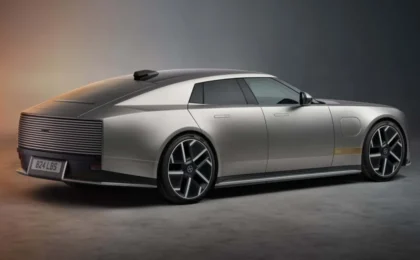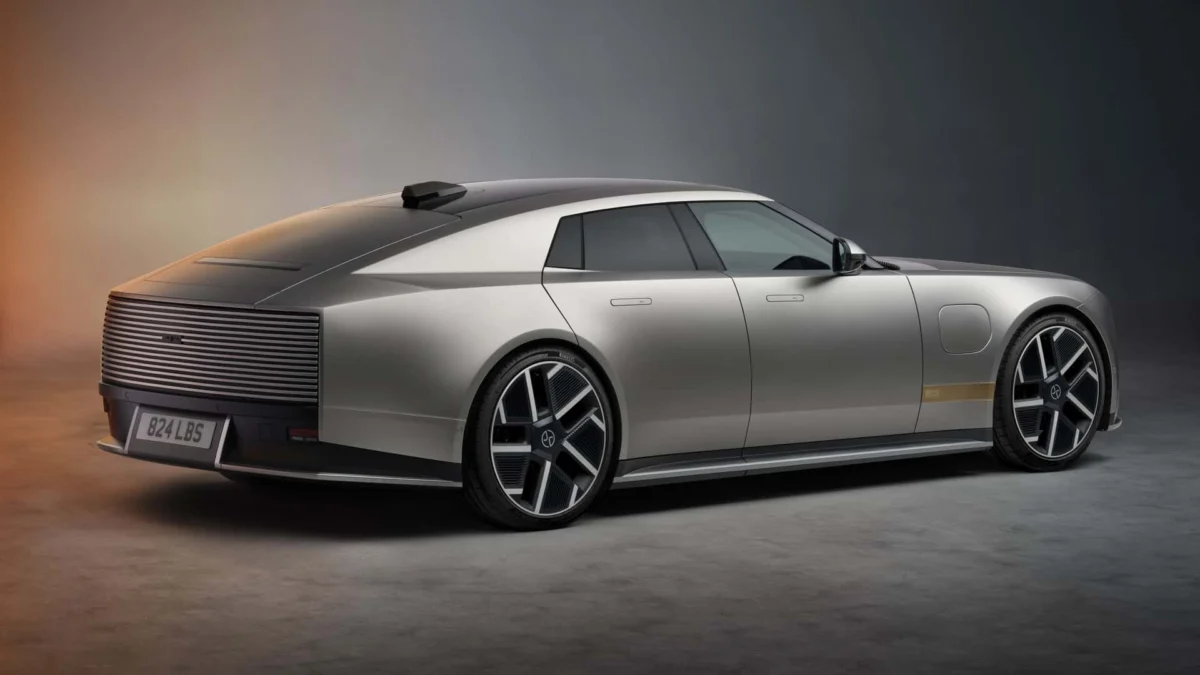
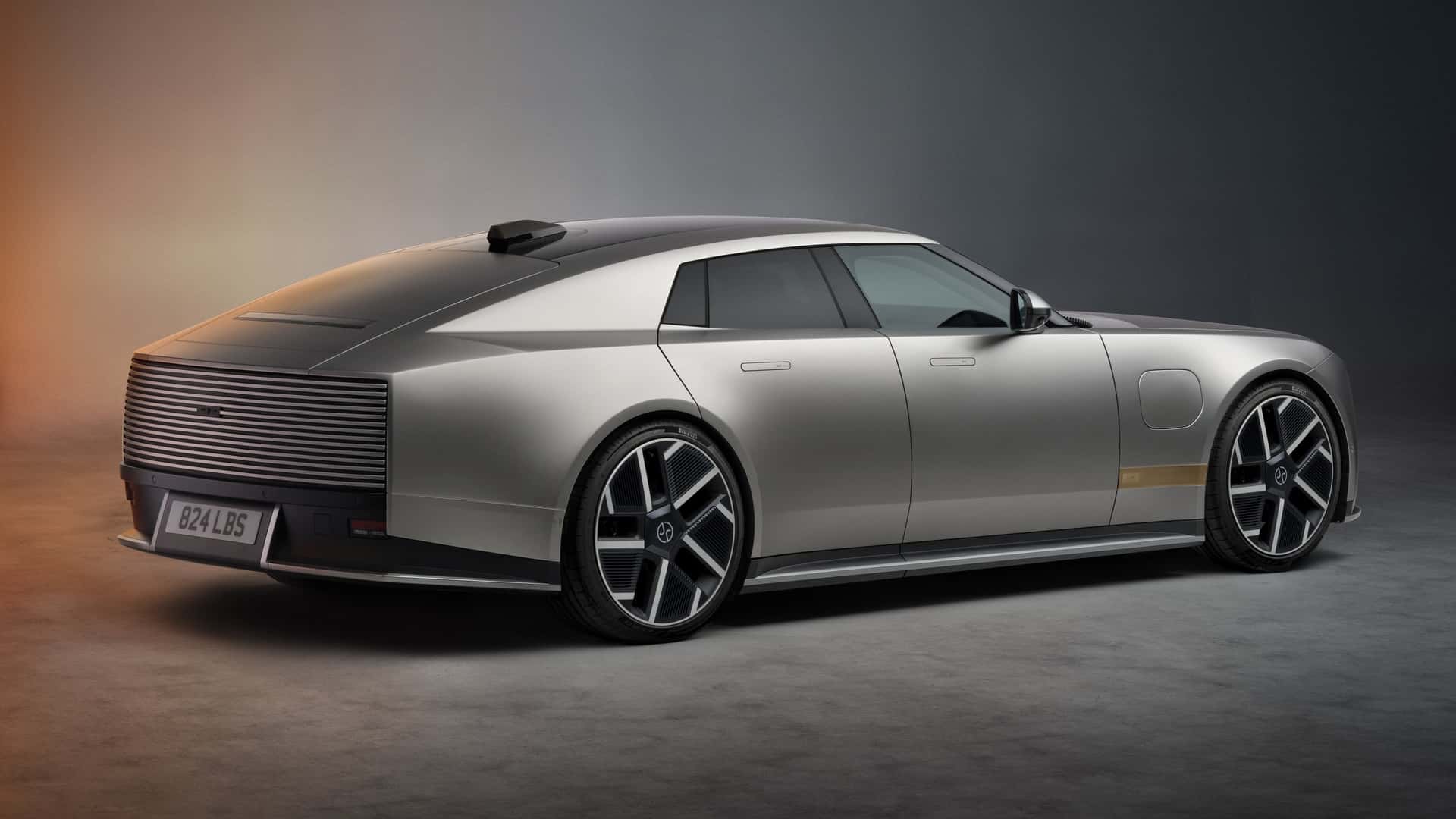
Jaguar, the storied British marque synonymous with elegance, speed, and a certain quintessential "grace," is currently navigating the most significant pivot in its nearly century-long history. With the unveiling of the Type 01, Jaguar has signaled a definitive end to its past era of high-volume competition, opting instead for an ambitious, all-electric future that prioritizes exclusivity, avant-garde design, and a complete departure from industry conventions. As the company prepares for a radical transformation, the automotive world is watching closely to see if this "reimagining" will secure its survival or define its legacy as an bold, if risky, gamble.
The Foundation: The Type 01 as a Catalyst
The Type 01 is not merely a new car; it is the physical manifestation of Jaguar’s total brand reset. A four-door Gran Turismo (GT) that defies traditional styling cues, the Type 01 serves as the inaugural chapter of an electric-only portfolio. It is designed to be a long, wide, and low-slung statement piece, intentionally positioned to sit well above the mass-market premium offerings of rivals like Audi, BMW, and Mercedes-Benz.
By choosing to abandon the "volume-at-all-costs" strategy that defined its previous decade, Jaguar is deliberately moving into a niche market. The brand is betting that by producing fewer, more expensive, and more desirable vehicles, it can command higher profit margins while fostering a sense of exclusivity that has arguably been missing from its showrooms for years.
Chronology: From Concept to Future Roadmap
The path to this transformation has been carefully orchestrated. Here is the timeline for the next phase of the Jaguar revolution:
- 2024-2025 (The Transition): Jaguar concludes the sale of its legacy internal-combustion engine fleet, clearing the floor for the new electric-first lineup.
- Late 2027 (Type 01 Arrival): Official customer deliveries of the Type 01 are expected to commence. This will serve as the litmus test for the new design language and technology stack.
- 2028 (The Second Model): Following the initial rollout of the Type 01, Jaguar is expected to introduce its second all-electric vehicle. While unconfirmed, industry analysts and executive hints suggest this will be a high-riding, practical vehicle—likely a crossover or an SUV-inspired model—to capture the market’s demand for utility.
- 2029 and Beyond (Portfolio Expansion): A third model is already in the development pipeline, with strong speculation pointing toward a large, ultra-luxury sedan that would further cement the brand’s move into the ultra-premium space.
Supporting Data: Why the Shift?
Jaguar’s previous business model—trying to compete head-to-head with mainstream luxury German manufacturers—consistently struggled to gain traction. The brand found itself in a "no-man’s-land," lacking the sheer volume and manufacturing scale of the German giants, yet failing to achieve the bespoke status of ultra-luxury marques.
The data suggests that the "mainstream luxury" segment is currently saturated. By exiting this space, Jaguar avoids the "commoditization" of its vehicles. Internal analysis from Jaguar’s leadership indicates that their future success depends on targeting a specific demographic: young, affluent, and style-conscious buyers who are disillusioned with the ubiquity of current premium electric vehicles. They are looking for "exuberance"—a core tenet of the new Jaguar design philosophy—rather than the predictable, iterative updates seen in the broader market.
Official Responses and Strategic Vision
Rawdon Glover, Jaguar’s Managing Director, has been the primary architect of this new narrative. In interviews, Glover has been remarkably candid about the company’s need to "break convention."
"We are marketing the idea of being unafraid to break convention, or refuse to compromise," Glover noted in recent discussions with InsideEVs. He emphasized that the new portfolio will not be a monolithic block of identical cars; rather, future vehicles will offer "more practicality" and cater to "different things for different audiences."
This acknowledgement is critical. While the Type 01 is a striking GT, the reality of the global market is that high-riding vehicles (SUVs and Crossovers) generate the bulk of luxury profit. By hinting at a crossover, Glover is signaling that Jaguar will maintain its avant-garde design ethos while respecting the functional requirements of its customer base. The "refusal to compromise" applies to the brand’s identity, not necessarily to the utility of its vehicles.
The Implications: A High-Stakes Gamble
The implications of this strategy are profound. Jaguar is effectively "resetting" its brand equity to zero.
1. The Design Risk
By moving away from traditional Jaguar design cues—such as the iconic long-hood, short-deck proportions—the company risks alienating its core enthusiast base. However, management argues that the "legacy" customer is not the target of this new, electric-only era. They are hunting for a new generation of buyers who view Jaguar as a blank canvas, not a heritage brand tethered to the 1960s E-Type.
2. The Economic Pivot
Shifting to a low-volume, high-profit model is a classic "luxury turnaround" strategy. However, it requires an immense amount of capital to sustain. With the automotive industry currently facing headwinds regarding EV adoption rates, infrastructure, and raw material costs, Jaguar’s timing is precarious. If the Type 01 does not capture the imagination of the public, the company will have very little "bread-and-butter" sales to fall back on.
3. The Competitive Landscape
Jaguar is entering a segment currently dominated by high-end boutique electric brands and the "bespoke" arms of established luxury players (like Mercedes-Maybach or BMW’s Alpina/special projects). To succeed, Jaguar must ensure that its software, charging architecture, and interior craftsmanship are not just "good," but class-leading.
Conclusion: Will It Work?
The transition of Jaguar is perhaps the most fascinating case study in the modern automotive industry. It is a rare example of a long-standing manufacturer intentionally shrinking its footprint in order to expand its brand value.
The strategy is clear: stop competing for volume, start competing for desire. Whether this results in a triumphant return to form or a quiet fading into history remains to be seen. What is certain is that the next three years—from the delivery of the Type 01 in 2027 to the arrival of the second and third models—will determine if the "leaper" can successfully jump into a new, electrified century. For now, the company remains in a state of high-profile transition, waiting for the public to decide if this bold, unconventional, and unapologetic new Jaguar is the luxury brand of the future.
As the industry watches, the sentiment remains that while the risk is extreme, the reward for successfully redefining what a "Jaguar" is in the 21st century could be the most significant achievement in the brand’s history. For a company that has spent years in the shadows of its competitors, this era of "exuberance" is the most honest, and perhaps the most necessary, evolution the brand has ever undertaken.