Tudor-style homes hold a unique position in the American real estate landscape. With their steep gables, decorative half-timbering, and imposing masonry, these structures offer a sense of permanence and "storybook" charm that modern, mass-produced architecture often fails to replicate. However, for homeowners looking to sell, the Tudor presents a distinct challenge: how does one modernize a home designed in the early 20th century to meet the demands of today’s buyers without destroying the very character that makes the property valuable?
Increasing the resale value of a Tudor-style home requires a delicate, surgical approach. It is not a matter of simply applying a fresh coat of paint or installing generic upgrades. Instead, it requires a strategic balance of historical preservation and tactical modernization.
What is a Tudor-Style Home? A Historical Context
Tudor-style homes in America were primarily popularized between 1890 and 1940. They served as an architectural homage to medieval English construction, brought to the United States by architects who sought to move away from the rigid symmetry of the Colonial style toward something more organic and rooted in tradition.
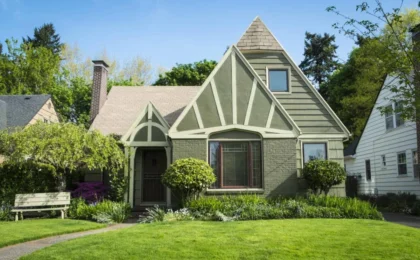
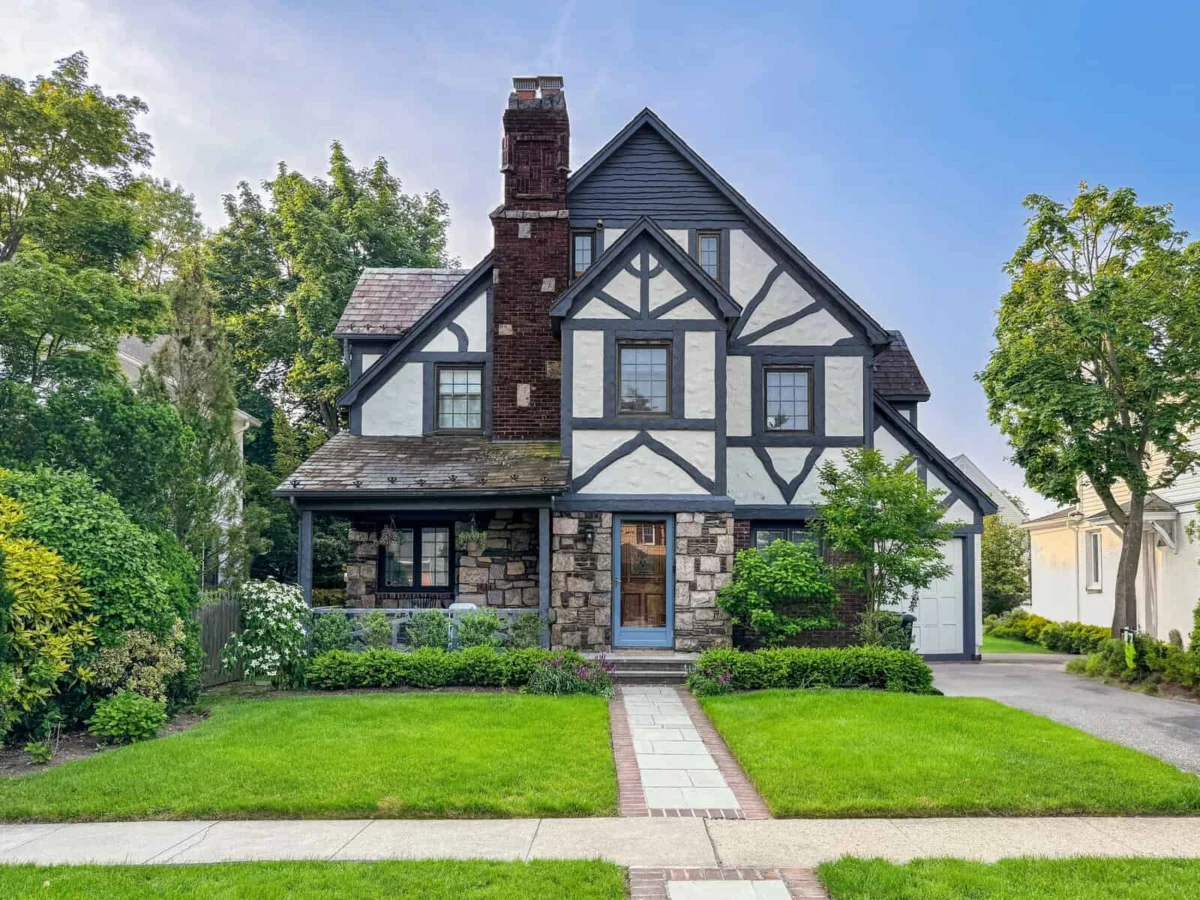
These homes are defined by a specific set of visual cues:
- Steeply pitched roofs often featuring multiple gables.
- Half-timbering, a hallmark of the style where dark wood framing is contrasted against stucco infill.
- Tall, narrow windows, often grouped together and featuring leaded glass or intricate muntin patterns.
- Substantial masonry chimneys, frequently featuring decorative chimney pots.
- Asymmetrical floor plans that emphasize cozy, distinct rooms rather than open-concept living.
Understanding this history is the first step in maximizing resale value. Today’s buyers are increasingly seeking "authentic" living experiences; they want the soul of a historic home with the reliability of modern systems.
Chronology of Investment: Where to Spend First
When preparing a Tudor for the market, the sequence of operations is critical. Many homeowners make the mistake of prioritizing cosmetic "wow" factors, such as kitchen countertops, before addressing the structural health of the building.
1. The "Hidden" Infrastructure (Months 1-3)
Before you touch a paintbrush, focus on the mechanics. A home inspection is the most common point of failure for a historic home sale. Address the following:
- Roofing and Gutters: Tudor roofs are complex. Ensure flashing around chimneys is secure and gutters are free-flowing.
- Drainage: Many older homes suffer from hydrostatic pressure against foundations. Proper grading is a high-ROI, low-visibility investment.
- Electrical and HVAC: If your home is still running on knob-and-tube wiring or an inefficient boiler system, these are "deal-killers." Modernizing these systems is an investment in the home’s longevity and marketability.
2. Preservation and Restoration (Months 3-5)
Once the systems are sound, shift focus to the architectural DNA. If original features like leaded windows or oak millwork have been covered or damaged, restore them. Replacing a high-quality, original solid-wood door with a modern fiberglass alternative can actually lower the resale value of a period home by stripping away its "curb appeal."
3. Cosmetic Refinement (Months 5-6)
Only after the structural and historical elements are stabilized should you turn to the kitchen, bathrooms, and interior color palette. This is where you align the home with contemporary lifestyle preferences.
Supporting Data: The Value of Preservation
Industry experts emphasize that a "gutted" Tudor often performs worse at the closing table than one that has been carefully restored. According to market data from regions with high concentrations of historic stock—such as Bronxville, NY, and Englewood, NJ—homes that retain their original architectural integrity consistently command a premium.

A key metric cited by real estate professionals is "buyer engagement." Listings that highlight preserved, character-defining features—like an original stone fireplace or leaded glass windows—alongside modern kitchen functionality, receive approximately 14% more engagement on digital platforms than generic listings. This suggests that buyers are looking for a narrative. They want to buy into the history of the home, provided that history doesn’t come with the baggage of a drafty, unfunctional living space.
Expert Perspectives: Balancing Old and New
The consensus among contractors and designers is clear: do not modernize to the point of erasure.
Huma, from Jersey Digs, notes that "original features are the selling point." When a homeowner replaces historic woodwork with modern, minimalist trim, they effectively turn a unique asset into a generic commodity. Instead, she advocates for "thoughtful updating."
Aleksandr Shapiro, owner of Bergen Restoration, reinforces this: "Repair the roof, chimney flashing, and stucco before making cosmetic changes. A Tudor that keeps its architectural identity while offering modern comfort will always stand out against a ‘flipped’ property that has been stripped of its soul."
Francie Malina, a design expert, focuses on the common complaint that Tudors feel dark. "Buyers love the character but are intimidated by the gloom," she explains. "We recommend lightening the interior without stripping the character. Use warm white paints, improve lighting fixtures, and refinish floors. You don’t need a massive open floor plan; simply enlarging sightlines between the kitchen and dining area can create the flow buyers want while keeping the cozy, compartmentalized feel that makes a Tudor a Tudor."
Implications for Sellers: The "First Impression" Rule
The exterior of a Tudor-style home is not merely a facade; it is the entire sales pitch. Because these homes have such a strong visual identity, the "curb appeal" phase is where you win or lose the buyer.
Strategic Exterior Upgrades
- Stucco and Timber Maintenance: If the half-timbering is peeling, address it immediately. Fresh, historically accurate paint colors can revitalize the exterior instantly.
- Landscaping: Avoid overly manicured, modern landscaping. Tudors benefit from "mature" or "cottage-style" plantings that complement the verticality of the home.
- The Entryway: The front door is the focal point. Ensure the hardware is polished and the threshold is well-maintained. A custom-colored door that pops against the masonry can be a significant psychological hook for potential buyers.
Increasing Functional Square Footage
Modern buyers prioritize utility. While you shouldn’t break the "scale" of the home by adding massive, glass-walled extensions, you can increase value by maximizing existing space.
- Attic Conversions: Tudor attics, with their dramatic rooflines, make for excellent home offices or secondary suites.
- Basement Refinement: Rather than a generic basement finish, create a space that feels intentional—a wine cellar, a hobby room, or a high-end laundry facility.
- Modernizing Bathrooms: Use "period-appropriate" materials. Subway tile, marble hex flooring, and unlacquered brass hardware provide a "classic" look that feels high-end and modern, but remains sympathetic to the home’s original aesthetic.
Final Thoughts: The Path Forward
The goal of a successful Tudor renovation is to make the home feel "evergreen." When a buyer walks through the front door, they should be able to imagine their modern life unfolding within the frame of 1920s craftsmanship.
If you are planning to list your home, the most significant value-add is your commitment to authenticity. By fixing the unseen structural issues first, preserving the irreplaceable architectural details, and brightening the interior through intentional design, you turn a historic house into a modern masterpiece. The result is not just a higher offer, but a successful transition of a piece of history to a new generation of owners who will appreciate the work you’ve done to keep the Tudor’s legacy alive.