The 2026 Major League Baseball postseason reached a fever pitch on Tuesday, delivering a doubleheader of National League Division Series (NLDS) action that defined the thin margin between championship glory and early vacation. As the autumn leaves fall, so too do the stakes, with the San Diego Padres staving off elimination against the Milwaukee Brewers and the Los Angeles Dodgers flexing their offensive muscles to push the Atlanta Braves to the brink of collapse.
For the Dodgers, Tuesday was a masterclass in opportunistic power, proving that their lineup remains a juggernaut even when their biggest stars are held in check. Meanwhile, in Milwaukee, the Padres demonstrated the grit and bullpen versatility required to survive a hostile road environment, turning a desperate situation into a momentum-shifting victory.
The Main Facts: A Night of Survival and Dominance
The narrative of Tuesday’s slate centered on two distinct storylines: the resurgence of the Dodgers’ veteran core and the sheer, exhausting willpower of the San Diego Padres.
In Atlanta, the Dodgers secured a pivotal victory, handing the Braves their first loss of the series and shifting the pressure squarely onto the shoulders of the home team ahead of Wednesday’s Game 4. The Dodgers’ offense, anchored by the unlikely heroics of Enrique Hernández and the clinical precision of Freddie Freeman, neutralized the dominant Chris Sale.
In the nightcap, the Milwaukee Brewers entered the evening with a chance to complete a series sweep and advance to the National League Championship Series (NLCS). Standing in their way were the resilient Padres, who leaned heavily on a makeshift bullpen strategy to protect a narrow lead. The result was a gritty, defensive-minded win for San Diego, effectively turning the series into a best-of-two sprint where every pitch now carries the weight of a season.
Chronological Breakdown: How the Games Were Won
The Dodgers Take Control at Truist Park
The early tilt featured an anticipated pitching duel between Dodgers ace Yoshinobu Yamamoto and the Braves’ veteran workhorse, Chris Sale. The first two innings were a showcase of pure dominance; Sale was electric, striking out the side in both the first and second frames. His performance etched him into the history books as only the eighth pitcher in MLB postseason history to record six strikeouts in the first two innings of a playoff game.
However, the game turned on its head in the fourth inning. With one runner on, Enrique Hernández—the Dodgers’ No. 9 hitter—capitalized on a 1-0 changeup from Sale, launching it into the seats to provide a 2-0 cushion. The blow was a historic one; it marked Hernández’s 12th career postseason home run with the Dodgers, vaulting him past legends like Duke Snider and current teammate Shohei Ohtani on the franchise’s all-time list.
Moments later, Freddie Freeman delivered the knockout blow, connecting for a home run that extended the lead to 3-0. For Sale, it was a rare lapse in a stellar 2026 campaign. The home run by Freeman was only the second hit by a left-handed batter off Sale all season, and remarkably, only the second time in his decade-long career that he had surrendered a home run to a lefty on a fastball.
The Padres’ Desperate Stand
In Milwaukee, the atmosphere was electric as the Brewers sought to eliminate the Padres in front of a raucous home crowd. The Padres, however, found an early spark. Jake Cronenworth broke a scoreless tie in the fifth inning with a clutch home run, setting the stage for a tense, low-scoring affair.
The game was defined by high-leverage defensive highlights. Jackson Merrill patrolled center field with reckless abandon, making two highlight-reel, hit-robbing catches that frustrated the Milwaukee lineup. Xander Bogaerts added to the defensive clinic, turning a game-ending double play in the ninth that sealed the 2-1 victory.
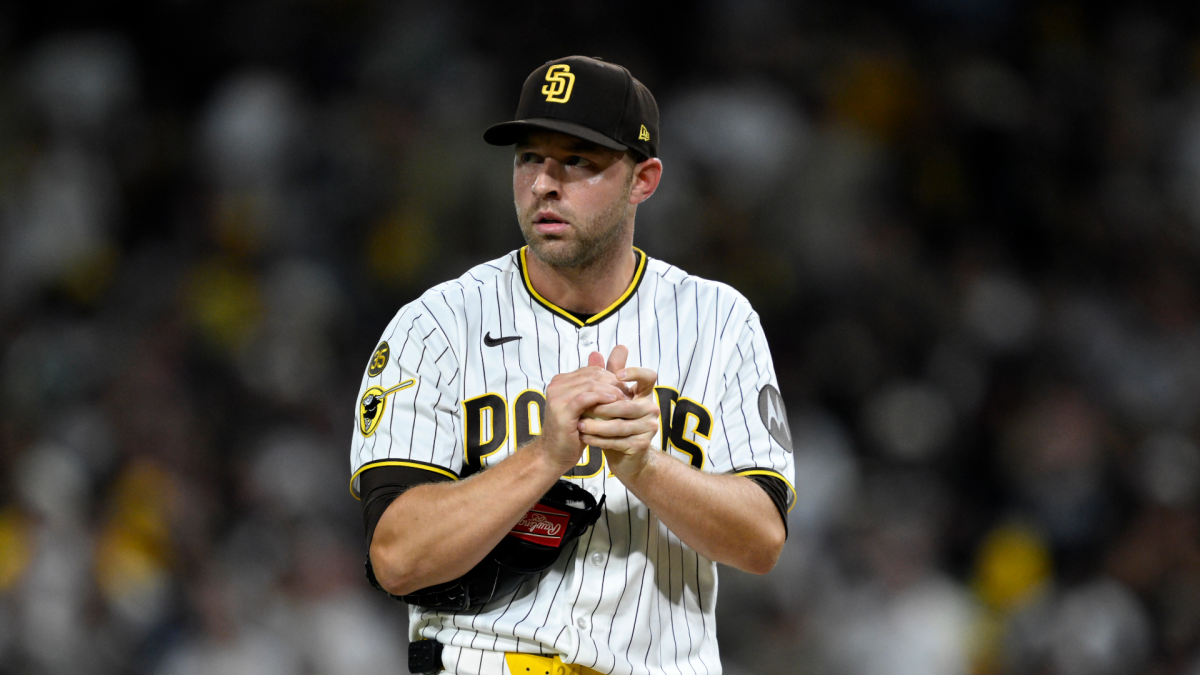
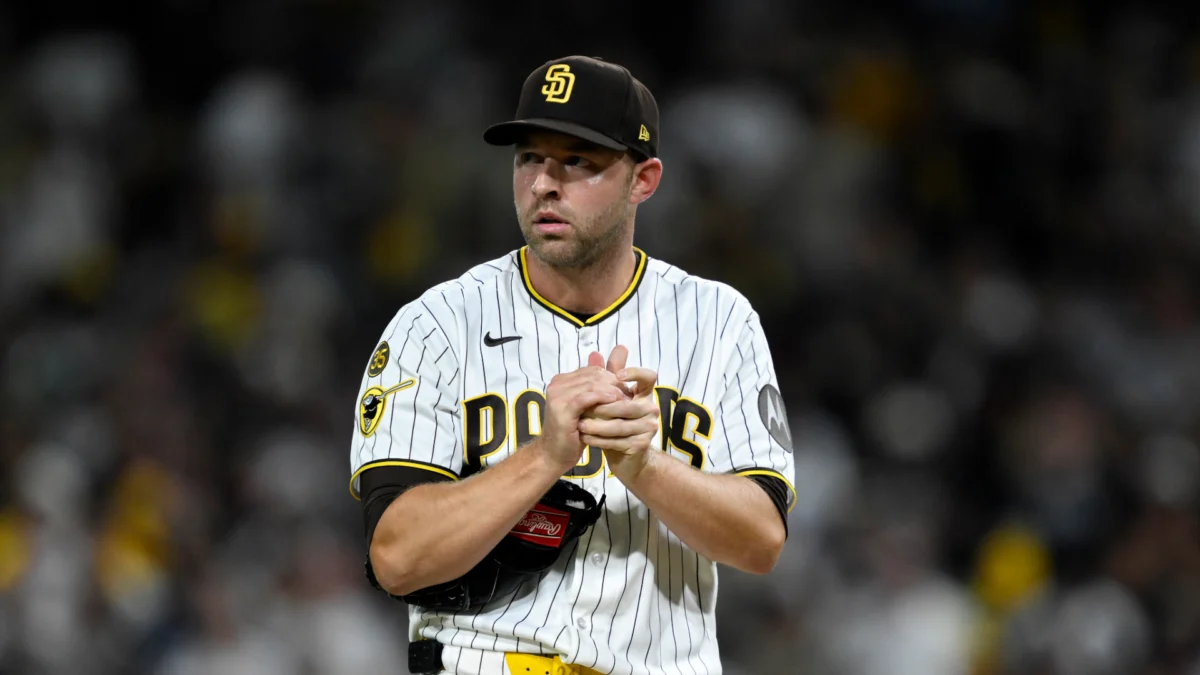
The turning point was undoubtedly the arrival of Michael King. Despite starting Game 2 just 48 hours prior, King was summoned to lock down a six-out save. Navigating 40 high-stress pitches and working around two walks in the final frame, King proved that in October, the traditional boundaries of rest and pitch counts are merely suggestions.
Supporting Data: By the Numbers
The Dodgers’ Offensive Depth
While Shohei Ohtani’s recent struggles at the plate have dominated the headlines, the Dodgers’ depth proved its worth on Tuesday. The team finished the 2026 regular season with nine different players reaching double-digit home runs, a level of distribution that makes them uniquely difficult to navigate for opposing pitchers.
The Brewers’ Postseason Road Woes
The Brewers’ loss highlights a trend that has plagued the franchise for years. With Tuesday’s result, Milwaukee has now posted a 6-24 record in playoff road games. Their .200 winning percentage in away postseason contests is statistically the worst in Major League Baseball history, a haunting statistic that will surely be a point of focus for manager Pat Murphy as they look to rebound.
Michael King’s Relief Heroics
King’s performance was the statistical outlier of the night. It is rare for a starting pitcher to work a multi-inning save on one day of rest. His ability to navigate the heart of the Brewers’ lineup—the 2-3-4 hitters—in the ninth inning while working with a depleted bullpen speaks to the mental fortitude required for deep postseason runs.
Official Responses and Managerial Strategy
Following the Padres’ victory, manager Craig Stammen offered a glimpse into the internal mindset of his clubhouse. "He came in the office today and said, ‘I’m available to pitch, I’m available to pitch the next day, and I’m available to pitch Game 5,’" Stammen remarked regarding Michael King’s availability. Such transparency and commitment are hallmarks of championship-caliber teams, and they clearly resonated with a roster fighting for its life.
On the other side of the ledger, the mood in the Brewers’ clubhouse was one of frustration, particularly regarding the performance of trade-deadline acquisition Dustin May. After a lackluster regular season (5.65 ERA), May struggled to command his pitches on Tuesday. While his fastball touched triple digits early, his inability to work deep into the game forced the Brewers to rely on a bullpen that, while talented, was clearly taxed by the end of the night.
Implications: The Road Ahead
Braves vs. Dodgers
The Braves now face a do-or-die scenario in Game 4. The loss of momentum is significant; the Dodgers’ offense has found its rhythm, and their pitching staff has shown that they can neutralize the Braves’ best options. Chris Sale, despite his early dominance, now carries the burden of a loss that puts his team on the edge of elimination. The Braves must find a way to get to the Dodgers’ secondary arms, as the Los Angeles rotation remains in a position of strength.
Padres vs. Brewers
For the Padres, the Game 3 win is more than just a stay of execution; it is a declaration of intent. By winning in Milwaukee, the Padres have forced the series to remain in a competitive state, and they have successfully taxed the Brewers’ bullpen. The Brewers now carry the historical weight of their poor road playoff record, while the Padres have momentum on their side.
As we look toward the remainder of the week, the 2026 NLDS serves as a reminder that the postseason is rarely about the best team on paper. It is about the team that can make the smallest adjustments, the players who can perform on short rest, and the stars who can step up when the shadows grow long in October. Whether it is the tactical maneuvering of a bullpen or the sudden power surge of a veteran like Hernández, the next 48 hours will decide which of these teams continues their quest for the Commissioner’s Trophy.