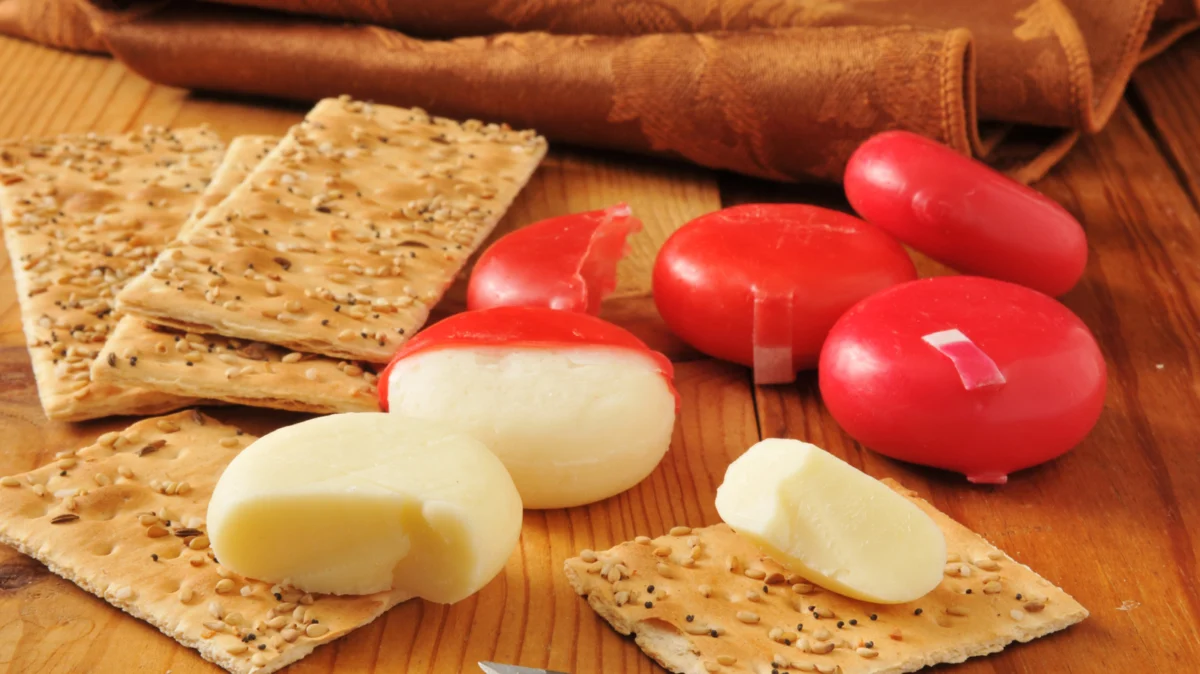
In the fast-paced world of modern gastronomy, the most viral culinary trends are often those that defy expectations through simplicity. While haute cuisine typically demands hours of preparation and a vast array of specialized pantry staples, a new phenomenon is sweeping social media kitchens: the transformation of the humble Babybel cheese wheel into a gourmet-style pastry. By pairing this iconic, wax-wrapped snack with just three other basic ingredients—puff pastry, honey, and butter—home cooks are creating sophisticated appetizers that look and taste like they were plucked from a boutique bakery.
This trend, which has gained significant traction on platforms like TikTok, highlights a broader shift in home cooking: the "hack culture" that prioritizes accessibility without sacrificing flavor. As inflation impacts grocery bills and time remains a luxury for many, these bite-sized, melty pastries serve as a masterclass in culinary efficiency.
The Core Concept: Culinary Alchemy in 15 Minutes
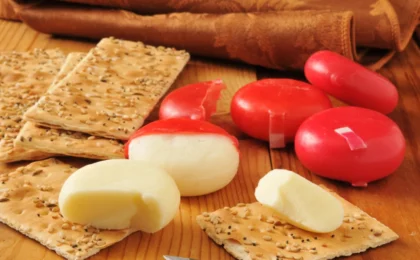
The fundamental appeal of the Babybel pastry hack lies in the marriage of textures and flavor profiles. Babybel, known for its Edam-style base, provides a mild, nutty, and creamy foundation. Edam cheese is uniquely suited for baking because of its excellent melting properties, which allow it to retain structure while becoming velvety when heated.
The Essential Ingredient List:
- Babybel Cheese (Original): The foundation, providing the savory, molten core.
- Puff Pastry Dough: The vessel that offers a buttery, flaky crunch, creating a contrast to the gooey interior.
- Honey: The flavor enhancer, which, when caramelized during the baking process, balances the saltiness of the cheese.
- Butter: The finishing touch used for brushing the pastry, ensuring a deep, golden-brown crust that is visually appealing and texturally satisfying.
Chronology: From Lunchbox Staple to Viral Sensation
The ascent of the Babybel pastry began in the digital sphere, where creators like @MadeByKateryna popularized the technique through short-form video content. The journey from a childhood lunchbox item to a sophisticated appetizer is a testament to the power of social media in democratizing gourmet techniques.
Phase 1: Digital Discovery
The trend emerged as creators began experimenting with "air-fryer toast" and other quick-melt cheese applications. The specific pastry-wrapped iteration gained momentum due to its "aesthetic" appeal—the way the pastry puffs up around the round cheese creates an elegant, uniform presentation that is highly shareable.
Phase 2: Refinement of Technique
Early adopters discovered that "scoring" the cheese—making shallow cuts on the surface—was the critical step that moved the recipe from "snack" to "gourmet." By scoring the cheese, the honey is allowed to penetrate the interior, ensuring that every bite is infused with a sweet-and-savory balance.
Phase 3: The Mainstream Explosion
Once the recipe hit the TikTok algorithm, it moved beyond the niche "foodie" community. It has since become a staple for party planners looking for last-minute, crowd-pleasing appetizers that require minimal cleanup.
Supporting Data and Technical Nuance
The science behind why this recipe succeeds is rooted in thermodynamics and lipid content. Puff pastry is essentially a laminated dough consisting of hundreds of alternating layers of flour and butter. When placed in an oven at 375°F (190°C), the water in the butter turns to steam, causing the layers to expand rapidly.
Simultaneously, the Babybel cheese undergoes a phase change. Because Babybel is a semi-hard cheese, it does not lose its fat content as aggressively as a soft brie might, meaning the pastry remains crisp rather than becoming soggy. The honey acts as a catalyst for the Maillard reaction on the surface of the pastry, leading to a complex, caramelized flavor profile that mimics the depth of a traditional cheese danish.
Optimal Baking Parameters:
- Temperature: 375°F is the "sweet spot." Higher temperatures may burn the honey before the pastry is fully cooked, while lower temperatures may cause the cheese to leak before the pastry layers have set.
- Sealing: Using a fork to crimp the edges of the puff pastry is not merely decorative; it is a structural necessity to trap the melting cheese and honey inside, preventing "blowouts."
Beyond the Original: Customization and Iteration
While the original recipe relies on the classic Babybel, culinary experts and home cooks alike are exploring the versatility of the format.
Flavor Variations
The cheese itself is available in multiple varieties, including White Cheddar and Monterey Jack. These offer distinct melting points and flavor intensities. For example, using a sharper White Cheddar provides a stronger contrast to the sweetness of the honey, whereas the Monterey Jack offers a milder, creamier mouthfeel.
Sweet and Savory Infusions
The honey component is ripe for experimentation. "Hot honey" (honey infused with chili) has become a popular substitute, providing a spicy kick that cuts through the richness of the pastry. Other variations include:
- Savory Herbs: Sprinkling thyme or rosemary over the buttered pastry before baking.
- Fruit Jams: A dollop of fig jam or apricot preserves underneath the cheese creates a more complex, Mediterranean-inspired flavor profile.
- The "Mummy" Aesthetic: During the Halloween season, creative bakers have used the pastry as "bandages," cutting the dough into strips and wrapping the cheese to create a festive, theme-appropriate appetizer.
Implications for Modern Entertaining
The success of this recipe has significant implications for how we view modern hosting. We are moving away from the "elaborate dinner party" model toward a more relaxed, "curated grazing" style of hosting.
1. Cost-Effectiveness
In an era of rising food costs, using a budget-friendly, pre-portioned ingredient like Babybel allows hosts to provide an elevated experience without the expense of importing artisanal wheels of brie or camembert.
2. Reduced Food Waste
Because the pastries are portion-controlled, there is a significantly lower risk of food waste compared to large cheese boards where leftovers are often discarded.
3. Democratization of Skills
This recipe lowers the barrier to entry for novice cooks. It requires no complex knife skills, no advanced equipment (a standard oven or air fryer suffices), and has a high success rate, which builds confidence in the kitchen.
Professional Perspectives on the Trend
Culinary professionals have taken note of this trend, often citing it as a perfect example of "high-low" cooking. By taking a mass-produced, industrial-grade cheese and elevating it through a traditional French pastry technique, the home cook is practicing a form of culinary resourcefulness.
Chef-consultants often suggest that the key to keeping this "hack" professional is the quality of the puff pastry. While store-bought is perfectly acceptable, using an all-butter puff pastry—rather than one made with palm or vegetable oils—elevates the flavor profile significantly. Furthermore, the inclusion of a side dipping sauce—such as a red pepper jelly or a balsamic glaze reduction—can instantly transform a simple snack into a restaurant-worthy appetizer platter.
Conclusion: A Lasting Addition to the Culinary Repertoire
The Babybel pastry hack is more than just a fleeting viral trend; it is a pragmatic solution for the modern home cook. By focusing on high-impact, low-effort techniques, it provides a blueprint for how simple ingredients can be repurposed into something elegant.
Whether you are preparing a midnight snack for yourself, an afternoon treat for children, or an impressive appetizer for a dinner party, the marriage of warm, molten cheese and flaky, golden pastry is a timeless combination. As we look toward the future of home cooking, the emphasis will continue to be on recipes that are "deceptively simple"—those that deliver maximum sensory reward with minimum logistical strain. The Babybel pastry has firmly secured its place in that category, proving that sometimes, the best recipes are the ones that require only a trip to the local grocery store and a bit of imagination.