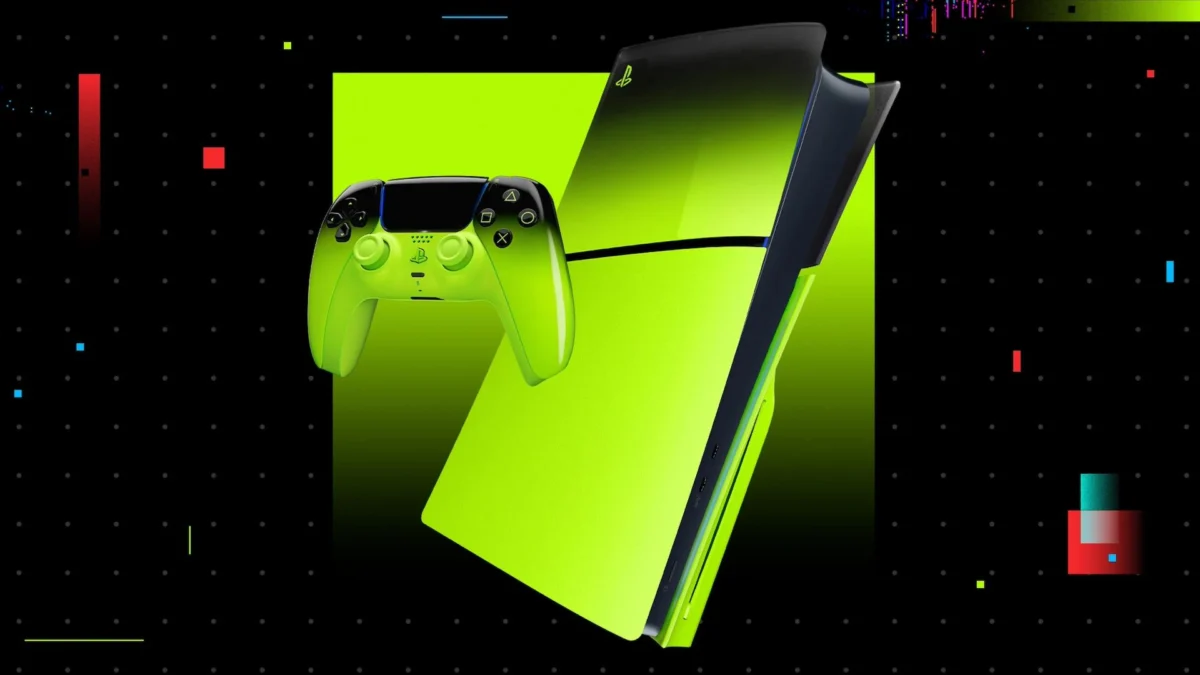
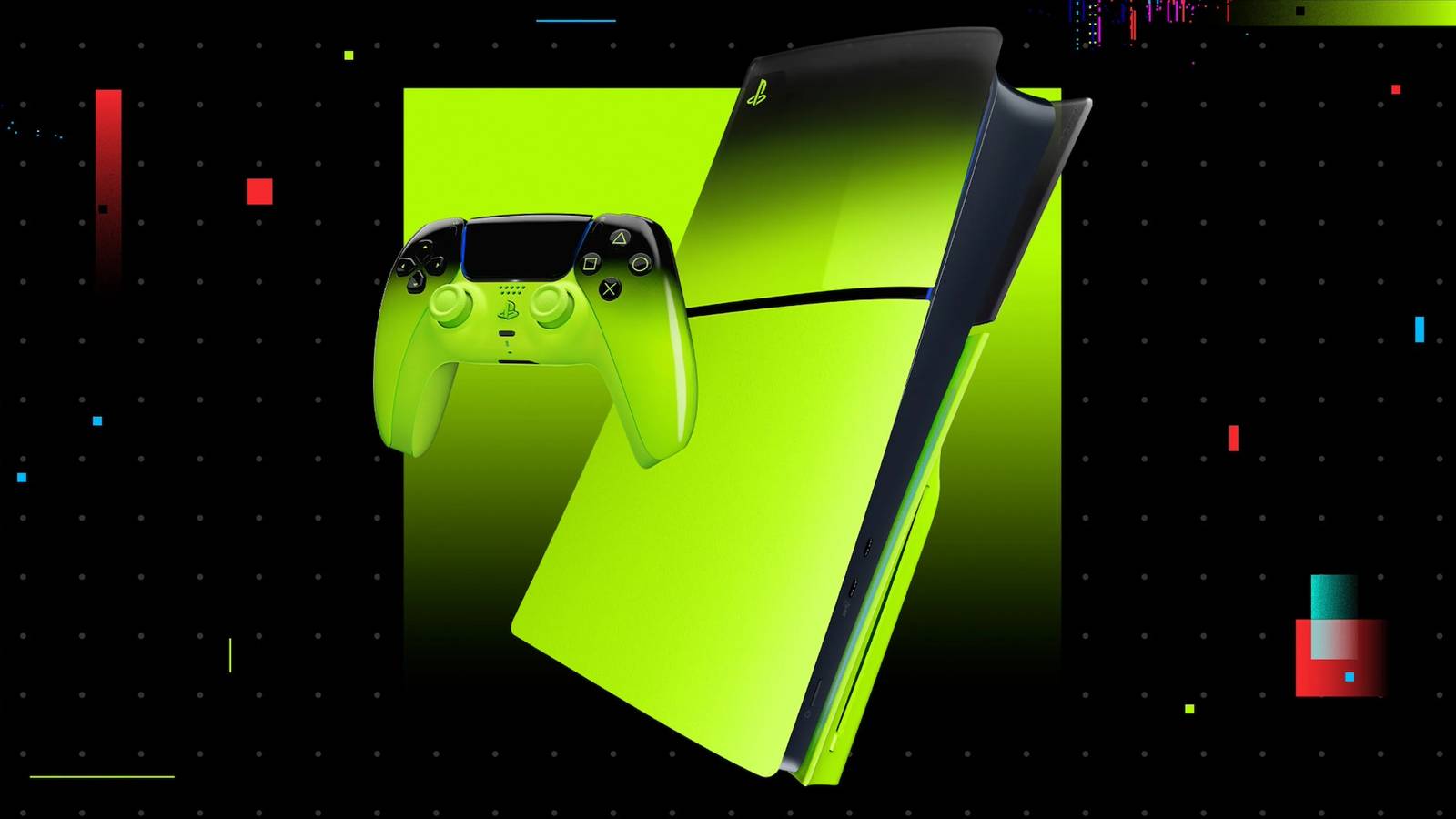
In a move that has sent shockwaves through the gaming community and sparked intense debate regarding the ethics of retail pricing, GameStop has significantly hiked the price of its preowned PlayStation 5 Pro consoles. Recent internal communications leaked to the public reveal that the retailer is now listing used units for between $1,399.99 and $1,499.99.
This pricing strategy, which places these preowned units at a premium of roughly $600 over the manufacturer’s suggested retail price (MSRP) of $900, has left many consumers perplexed. While secondary markets often see price fluctuations based on scarcity, it is highly unusual for a major national retailer to intentionally price a used commodity significantly higher than its brand-new counterpart. As the industry attempts to parse the logic behind this decision, all eyes are turning toward the intersection of console security, software exploits, and the highly anticipated release of Grand Theft Auto 6.
The Core Facts: A Retail Anomaly
The price adjustment was confirmed following the circulation of an internal memo addressed to GameStop employees. The document outlines a new valuation structure for preowned PlayStation 5 Pro hardware, placing the resale value at an unprecedented $1,399.99 to $1,499.99 depending on the specific model and bundle configuration.
Currently, these prices are reflected on the official GameStop website, confirming that the policy is active and being enforced at the point of sale. For a consumer, this means that walking into a local GameStop to purchase a "pre-loved" console now requires a financial commitment substantially higher than purchasing a brand-new unit directly from Sony or other major retailers—assuming, of course, that new stock is available.
The retailer’s trade-in policy has shifted in tandem. Current PS5 Pro owners are being offered between $800 and $850 in trade-in credit. This effectively allows early adopters of the Pro console to recoup nearly the entire cost of their initial purchase, or potentially trade up to a new machine with minimal out-of-pocket expense.
Chronology of a Controversy
The timeline of this situation is inextricably linked to the ongoing cat-and-mouse game between Sony’s firmware engineers and the homebrew development community.
- Early September 2026: Excitement builds around the capabilities of the PlayStation 5 Pro as hardware enthusiasts begin testing the limits of the console’s architecture.
- September 16, 2026: Sony Interactive Entertainment releases system firmware update 14.00. While ostensibly a routine stability and security patch, the update includes robust measures designed to neutralize emerging exploit methods.
- Late September 2026: Developers and hackers confirm that the "Relapse" exploit—a powerful tool capable of unlocking homebrew applications and enabling console emulation—is effectively neutralized by firmware 14.00.
- October 2026: Reports begin to surface that the secondary market is bifurcating. Consoles running firmware versions older than 14.00 begin to command a "scarcity premium" among power users, researchers, and those interested in homebrew development.
- October 6, 2026: The leaked GameStop memo confirms that the retailer has institutionalized this market shift, raising prices on all preowned PS5 Pro units, regardless of their specific firmware status.
The "Relapse" Exploit: Why Firmware Matters
The primary driver of this market distortion appears to be the "Relapse" exploit. For the uninitiated, the Relapse exploit is a significant development in the console modding scene. It allows users to bypass the restrictive walled garden of the PlayStation operating system, granting access to thousands of titles—including emulated software from other platforms like the Nintendo Switch—at no cost.
For a specific subset of the gaming population, the value of a console is not tied to its retail condition, but to its "jailbreakability." Because Sony’s 14.00 firmware update patches the vulnerabilities that Relapse requires to function, consoles that have not yet been updated are considered "gold" by those in the homebrew community.
While it remains unclear if GameStop is intentionally segregating its inventory to filter for older firmware, the timing of the price hike suggests the retailer is banking on the heightened demand for "exploit-ready" hardware. By raising the price across the board, GameStop is essentially hedging its bets, ensuring that even if they sell a non-exploitable console at an inflated price, the profit margins are protected against the potential loss of "valuable" stock.
Supporting Data: The Economics of the Trade-In
The financial implications for the consumer are stark. Under the new pricing model, GameStop has effectively created a loop of high-value circulation. By offering $800–$850 in trade-in value, they are incentivizing current owners to relinquish their consoles. This serves two purposes:
- Inventory Control: It keeps a steady flow of high-demand hardware moving through their stores.
- Margin Expansion: By reselling these units for nearly $1,500, the company is extracting an additional $600–$700 in profit from the second buyer, far exceeding the typical margins found in the used electronics market.
Industry analysts have noted that this is a departure from traditional retail practices, where used goods are typically priced as a depreciation of the original value. Instead, GameStop is treating the PS5 Pro as a "speculative asset," similar to rare trading cards or limited-edition collectibles, where the value is dictated by utility and rarity rather than original MSRP.
Official Responses and Industry Stance
As of mid-October 2026, Sony Interactive Entertainment has maintained a strict "no comment" policy regarding the secondary market pricing of their hardware. However, it is well known that Sony takes a dim view of jailbreaking and homebrew exploits. The company’s focus remains squarely on the upcoming launch of Grand Theft Auto 6, which Rockstar Games has indicated will perform at its absolute peak on the PS5 Pro hardware.
Rockstar’s marketing campaign for GTA 6 has heavily emphasized the technical superiority of the Pro model. This messaging has inadvertently fueled the demand for the console, creating a "perfect storm": high consumer interest due to the upcoming game, limited supply of new units, and a specialized secondary market driven by firmware-specific exploits.
GameStop has not issued a formal statement explaining the price hike, though internal sources suggest the decision was made at the corporate level to maximize revenue ahead of the Q4 holiday earnings report.
Implications: A Precedent for Future Hardware?
The implications of this pricing strategy extend far beyond a single console model. If GameStop successfully maintains these prices, it sets a dangerous precedent for the gaming industry.
1. The Erosion of Consumer Trust
By charging more for used goods than new ones, the retailer risks alienating its core demographic. Many gamers have taken to social media platforms, such as Reddit and X (formerly Twitter), to voice their frustration, using terms like "scalp-stop" to describe the company’s behavior. This perception of price gouging could have long-term effects on brand loyalty.
2. The Rise of the "Firmware Hunt"
The focus on firmware versions will likely continue to grow. We may see a future where hardware is sold with "firmware version" listed as a key specification, similar to CPU speeds or RAM capacity. This complicates the secondary market and may force manufacturers to implement even stricter, more intrusive security measures in future hardware iterations to prevent "jailbreak-ready" consoles from being exploited.
3. Impact on Grand Theft Auto 6 Accessibility
As the launch of GTA 6 approaches, the entry barrier for the "definitive experience" is rising. If the PS5 Pro remains the target platform for the best performance, and if secondary markets continue to command these inflated prices, a significant portion of the player base may be priced out of the premium experience. This could lead to a fragmented player base where only the wealthiest or most dedicated enthusiasts can access the best version of the game.
Conclusion
The decision to charge $1,500 for a preowned PS5 Pro is a radical move that highlights the unique, volatile nature of the modern console market. While GameStop is undoubtedly looking to capitalize on the convergence of the Grand Theft Auto 6 hype cycle and the demand for jailbreakable hardware, the long-term consequences remain to be seen.
For the average gamer, the message is clear: if you are looking to enter the current generation of PlayStation gaming, the secondary market has become a high-stakes environment where traditional retail logic no longer applies. As Sony continues to push security updates, the gap between "standard" consoles and "exploit-capable" consoles will only widen, likely keeping prices volatile for the foreseeable future. Consumers are advised to exercise caution and remain informed about the hardware they are purchasing, as the premium being asked at the register may be for a feature—the jailbreak—that is not officially supported and may be rendered obsolete by the next mandatory system update.