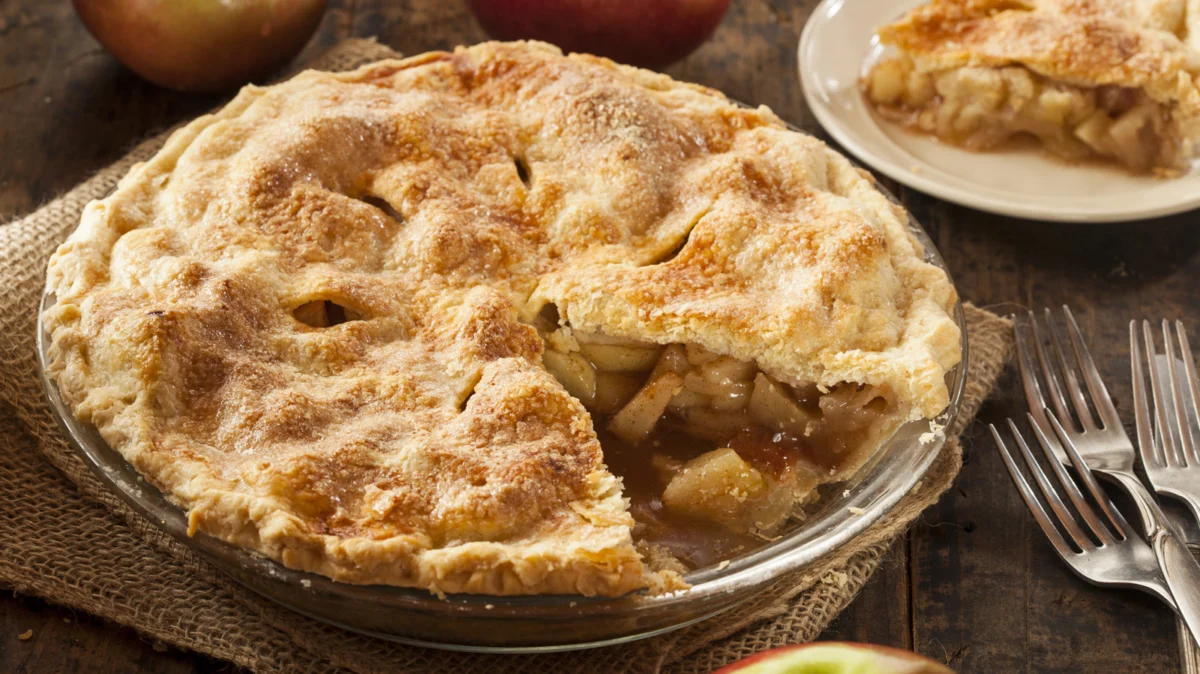
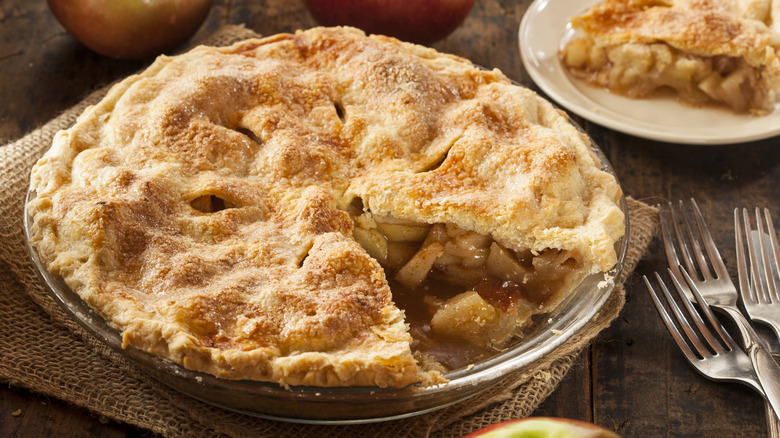
While the classic American apple pie is a masterpiece of simplicity—a testament to the perfect marriage of tart fruit, warming spices, and buttery pastry—even the most cherished traditions can benefit from a touch of innovation. For generations, bakers have relied on the same core ingredients: crisp apples, granulated sugar, cinnamon, nutmeg, and a reliable pie crust. However, a quiet revolution is taking place in home kitchens across the country, fueled by an inexpensive, ubiquitous pantry staple: sweetened condensed milk.
By transforming this humble canned product into a rich, velvety caramel, bakers are discovering a sophisticated way to add depth, complexity, and a luxurious mouthfeel to their pies without sacrificing the rustic charm of the original recipe.
The Core Concept: Why Condensed Milk?
At its heart, sweetened condensed milk is simply cow’s milk from which the water content has been removed and sugar has been added. When subjected to controlled, low-heat cooking, the milk undergoes the Maillard reaction—a chemical reaction between amino acids and reducing sugars that gives browned food its distinctive flavor. In the case of condensed milk, this process creates dulce de leche, a thick, decadent caramel that boasts notes of toasted cream and deep butterscotch.
Integrating this homemade caramel into an apple pie is not merely an aesthetic choice; it is a structural and flavor-forward enhancement. When used as a base layer or a drizzle, the caramel interacts with the natural acidity of the apples, creating a balanced sweetness that elevates the pie from a standard dessert to a gourmet experience.
Chronology of the Caramelization Process
Achieving the perfect consistency for your pie requires patience and an understanding of the chemical transformation taking place. Whether you are working on the stovetop or using a hands-off approach, the progression remains consistent:
- The Initial State: At room temperature, sweetened condensed milk is viscous, pale, and intensely sweet. It lacks the complexity of a true caramel.
- The Heating Phase (Minutes 0–10): As the heat is applied, the proteins in the milk begin to denature. If using a non-stick saucepan, constant vigilance is required to prevent the sugars from scorching at the bottom of the pan.
- The Transformation (Minutes 15–25): The color begins to shift from a stark white to a warm, golden beige. The texture thins initially as the milk heats, then begins to thicken as moisture evaporates.
- The Deepening (Minutes 30+): For those seeking a deeper, darker, and more robust flavor profile, extended cooking time results in a rich, amber-hued sauce.
- The Cooling and Setting: Crucially, the sauce will continue to thicken significantly as it cools. Experienced bakers advise removing the sauce from the heat while it is slightly runnier than the desired final consistency.
Supporting Data: Techniques for Every Baker
There are two primary schools of thought regarding the preparation of this ingredient. Choosing the right one depends on your equipment and your desire for convenience.
The Stovetop Method: Active Engagement
The stovetop method allows for real-time adjustments. By pouring the contents of a can into a heavy-bottomed, non-stick saucepan over low-to-medium heat, the baker can control the exact color and viscosity of the sauce. Frequent stirring is non-negotiable here; the high sugar content makes condensed milk prone to burning if left unattended. This method is ideal for those who want a custom consistency—perhaps a pourable glaze for the top of the pie or a spreadable paste for the crust.
The Immersion Method: The "Set and Forget" Strategy
For those who prefer a hands-off approach, the "can-cooking" method is a classic technique. By submerging an unopened can of sweetened condensed milk in a boiling water bath, you create a pressurized environment that allows the milk to caramelize evenly without the risk of burning or the need for constant stirring.
- Standard Pot: Place a wire rack at the bottom of a deep pot to prevent the can from making direct contact with the heat source. Submerge the can in water, ensuring it remains covered for at least two hours for a light caramel, or up to three hours for a dark, rich dulce de leche.
- Pressure Cooker: Modern pressure cookers have revolutionized this process, reducing the time to a mere 30 to 45 minutes. This is an efficient way to achieve professional-grade results in a fraction of the time.
Safety Note: Always allow the can to cool completely before opening. Opening a pressurized, hot can can result in splattering and potential burns.
Implications for Culinary Tradition
The inclusion of caramelized condensed milk in apple pie has significant implications for how we view home baking. It represents a shift toward "elevated comfort food"—a movement that values the accessibility of grocery store ingredients while demanding high-end, restaurant-quality results.
Enhancing the Base Crust
One of the most effective ways to utilize this ingredient is by spreading a thin layer of the cooled caramel onto the bottom pie crust before adding the apple filling. As the pie bakes, the caramel creates a barrier that prevents the crust from becoming soggy due to the apples’ juices. Furthermore, it creates a "hidden" layer of flavor that surprises the palate with every bite.
The Drizzle Factor
Beyond the filling, the sauce serves as a functional garnish. A warm drizzle of dulce de leche over a slice of apple pie just before serving adds an extra dimension of texture. When paired with a scoop of vanilla bean ice cream, the cold creaminess of the dairy contrasts beautifully with the warm, concentrated caramel, creating a balanced finish to a meal.
Official Perspectives from the Culinary Community
While traditionalists may argue that the "purity" of an apple pie should remain untouched, many professional pastry chefs argue that innovation is the lifeblood of culinary evolution. The use of sweetened condensed milk is viewed by many as a "hack" that bridges the gap between novice and professional results.
According to anecdotal reports from home-baking forums and recipe developers, this addition has been particularly successful in revitalizing store-bought pies. By warming a lackluster, supermarket-bought apple pie and drizzling it with a homemade caramel sauce, consumers are finding that they can achieve a "homemade" taste that justifies the effort of the extra step.
Furthermore, this ingredient is the foundational element for several modern desserts, including the trending "apple pie dessert pizza." In these recipes, the caramel acts as a glue, holding the fruit in place and providing a necessary sweetness that offsets the tartness of Granny Smith or Honeycrisp apples.
Conclusion: A Simple Upgrade with Lasting Impact
The beauty of adding caramelized sweetened condensed milk to your apple pie lies in its versatility. It does not require expensive equipment, exotic spices, or hours of labor. It simply asks for a bit of time and a willingness to experiment with the texture and intensity of your caramel.
Whether you are looking to fix a soggy bottom crust, seeking to add a layer of complexity to your flavor profile, or simply wanting to impress guests with a professional-looking finish, this pantry staple is an indispensable tool in the modern baker’s arsenal. By embracing this golden addition, you are not changing the identity of the apple pie; you are merely celebrating its potential for growth, ensuring that this classic American dessert remains as exciting and delicious as the day it was first baked.