The medical community has long operated under a prevailing assumption: as patients shed excess body weight, the physical burden on their joints and cardiovascular systems decreases, naturally leading to a more active, mobile lifestyle. However, a groundbreaking study presented Saturday at ENDO 2026, the annual meeting of the Endocrine Society in Chicago, has challenged this long-held clinical expectation.
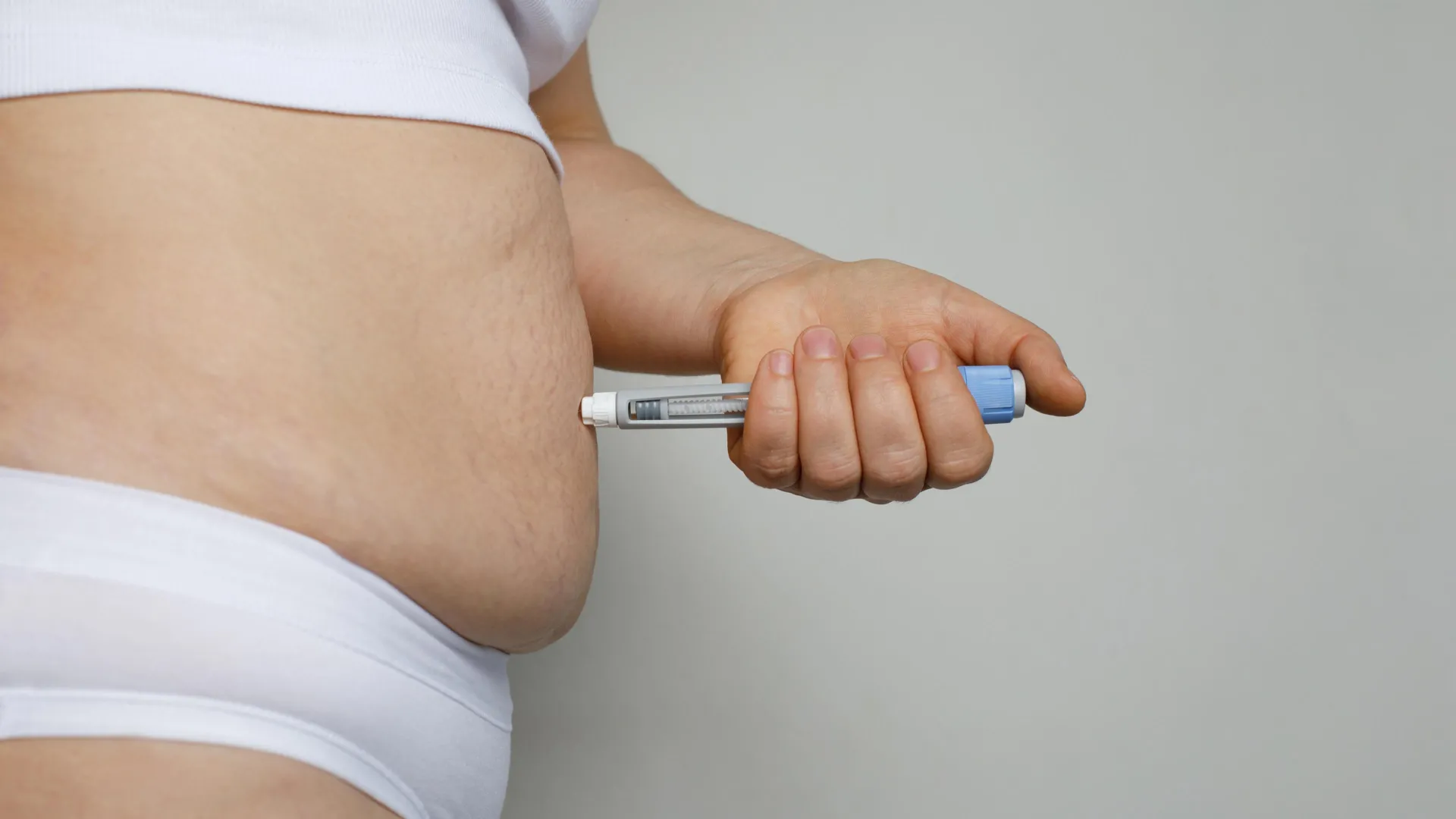
New research indicates that patients prescribed high-profile glucagon-like peptide-1 (GLP-1) receptor agonists—including Ozempic, Wegovy, Mounjaro, and Zepbound—are experiencing a significant decline in physical activity levels despite their weight loss. This finding presents a complex challenge for clinicians who view these medications as a cornerstone of modern obesity treatment.
Main Facts: A Counterintuitive Trend
The study, led by Dr. Sajana Maharjan of HSHS St. John’s Hospital in Springfield, Illinois, utilized real-world data to track the movement patterns of nearly 800 patients. The primary conclusion is stark: the pharmacological facilitation of weight loss does not automatically translate into a more active life. In fact, for many, the physiological changes induced by these medications appear to have a sedative effect on daily activity levels.
The core of the issue lies in the body composition changes these drugs trigger. While GLP-1 agonists are undeniably effective at reducing adipose tissue, they are also associated with a significant loss of lean muscle mass. Without deliberate intervention, this muscle atrophy can lead to a decrease in strength, endurance, and the baseline motivation required to engage in moderate-to-vigorous physical activity (MVPA).
Chronology: From Prescription to Sedentary Decline
To understand the trajectory of these patients, researchers turned to the National Institutes of Health’s All of Us Research Program. This program provided a longitudinal view, aggregating electronic health records with continuous data captured by Fitbit wearable devices.
The Study Population
The study began with a cohort of 1,950 adults diagnosed with obesity who had recently initiated a GLP-1 regimen. After filtering for participants who possessed sufficient longitudinal wearable-device data, the researchers narrowed the analysis to 753 individuals. The demographic breakdown highlighted a cohort primarily composed of women (78.6%), with an average age of 52.7 years.
The Observation Period
The researchers compared the baseline activity levels of these individuals prior to their first dose of medication against their activity levels after the initiation of treatment. By tracking daily step counts and time spent in MVPA, the researchers were able to create a digital "before and after" snapshot of the patients’ physical health.
The data suggests that the decline begins almost immediately following the start of treatment, suggesting that the physiological changes—or perhaps the side effects of the drugs, such as nausea or fatigue—may play an early role in discouraging movement.
Supporting Data: Quantifying the Drop
The numerical findings presented at ENDO 2026 provide a sobering look at how behavior changes in the wake of medical weight loss.
The Step Count Deficit
Before beginning their medication regimens, the participants averaged 5,047 steps per day. Following the initiation of their GLP-1 therapy, that average plummeted to 4,487 steps. While a difference of roughly 560 steps may seem negligible in a vacuum, in the context of public health, this represents a meaningful reduction in metabolic expenditure.
The MVPA Decline
The reduction in moderate-to-vigorous physical activity was equally concerning. Participants saw their daily time spent in higher-intensity movement drop from 28 minutes to 22 minutes per day.
Demographic and Health-Related Variables
The researchers sought to determine if specific subsets of the population were more prone to this decline. Their findings indicated that:
- Gender: Men experienced the most significant decreases in activity compared to their female counterparts.
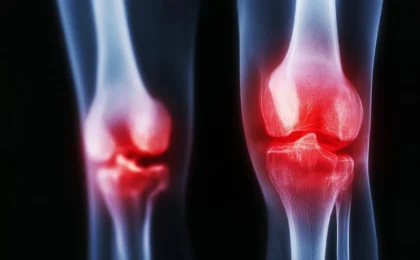
- Comorbidities: Individuals who reported baseline joint or muscle pain prior to treatment also showed steeper declines in activity.
- Neutral Variables: Interestingly, factors such as age, a history of heart failure, and prior stroke incidents did not appear to modulate the rate of decline, suggesting that this behavioral shift is widespread across different health profiles.
Official Responses and Clinical Implications
The implications of these findings are profound for the future of obesity management. As Dr. Maharjan noted during the presentation, "While many assume that weight loss leads naturally to increased physical activity, our study suggests otherwise."
The Call for Targeted Interventions
The consensus among the research team is that exercise can no longer be treated as an "afterthought" or a secondary benefit of pharmaceutical weight loss. If patients are losing muscle mass while simultaneously becoming less active, they are at risk of a "skinny fat" phenotype—a condition where total body weight decreases, but the ratio of fat to lean muscle worsens, potentially leading to metabolic slowdowns and frailty in the long term.
Dr. Maharjan emphasized that medical providers must pivot toward a more holistic model of care. "People need targeted interventions that encourage physical activity alongside medication for obesity," she argued. This includes prescription exercise plans, physical therapy referrals, and nutritional counseling focused on high-protein intake to mitigate the muscle-wasting effects of the drugs.
The Broader Context: Why Does This Happen?
While the study did not definitively pinpoint the biological mechanism behind the drop in activity, experts outside the study have pointed to several potential drivers:
- Muscle Wasting: As GLP-1 agonists suppress appetite and alter metabolic signaling, the body may catabolize muscle tissue for energy. A reduction in skeletal muscle directly reduces the ease with which a person can move, creating a feedback loop of sedentary behavior.
- Pharmacological Fatigue: Many patients report symptoms of nausea, lethargy, or gastrointestinal distress during the titration phase of GLP-1 therapy. These symptoms may dampen the desire to engage in exercise.
- Psychological Adjustments: Some patients may view the medication as a "magic bullet," psychologically offloading the need for lifestyle changes onto the drug.
Addressing the "Muscle Gap"
The medical community is now tasked with educating patients that the drug is only one piece of the puzzle. The loss of muscle mass is particularly dangerous for older adults, who are already at risk for sarcopenia (age-related muscle loss). If a patient loses weight but does not prioritize resistance training, they may end up with a lower weight but a higher risk of injury, metabolic dysfunction, and physical instability.
Conclusion: A New Standard of Care
The study presented at ENDO 2026 serves as a critical wake-up call. The era of GLP-1 agonists has revolutionized the treatment of obesity, but the convenience of these drugs must not replace the fundamental necessity of movement.
For clinicians, the directive is clear: weight loss must be accompanied by mandatory, structured physical activity. Patients on Ozempic, Wegovy, or similar medications should be monitored not just for the number on the scale, but for their muscle health and daily activity metrics. As we move forward, the "successful" patient should not just be the one who loses the most weight, but the one who loses weight while maintaining—or improving—their functional mobility and muscle strength.
This research reinforces a fundamental truth of human physiology: medicine can support the body’s metabolic processes, but it cannot replace the necessity of an active lifestyle. As the usage of these medications continues to climb, integrating physical activity back into the clinical standard of care will be the next great challenge for obesity medicine in the 21st century.