CHICAGO – For decades, the nutritional zeitgeist has been defined by a singular, increasingly aggressive pursuit: the total demonization of sugar. From keto-enthusiasts to wellness influencers, the prevailing mantra has been that sugar is the primary architect of metabolic decay. However, new research presented Saturday at ENDO 2026, the Endocrine Society’s annual meeting in Chicago, suggests that the path to optimal health may not be as simple as an absolute "zero-sugar" policy.
In a surprising turn for nutritional science, researchers from the Dasman Diabetes Institute in Kuwait have presented findings indicating that the complete removal of sucrose from a low-fat diet may, paradoxically, trigger the very metabolic and inflammatory conditions it is intended to prevent.
The Main Facts: A Paradigm Shift in Nutritional Science
The study, which has sent ripples through the endocrinology community, challenges the binary "good vs. bad" classification of dietary carbohydrates. By examining the physiological impact of a strictly sucrose-free, low-fat diet in a controlled laboratory setting, scientists discovered that the human (or in this case, murine) body may require a baseline level of sugar to maintain gut homeostasis and metabolic regulation.
The core finding is that total sucrose deprivation does not result in a "clean slate" for the metabolism. Instead, the absence of this carbohydrate appears to induce significant shifts in the gut microbiome, leading to intestinal inflammation and systemic metabolic dysfunction. The study suggests that the modern tendency toward extreme dietary restriction—specifically the total eradication of certain sugar groups—may be misguided. Instead, the data points toward the necessity of dietary balance as the primary driver of long-term health.
Chronology: From Lab Bench to Scientific Spotlight
The journey of this research began at the Dasman Diabetes Institute in Kuwait City, an institution established by the Kuwait Foundation for the Advancement of Sciences. Recognizing the growing global trend of "sugar-free" dieting, the research team, led by principal scientist Dr. Rasheed Ahmad, sought to fill a critical gap in medical literature: What actually happens to the physiology when a body is deprived of sucrose entirely?
- Initial Design (Phase I): The researchers structured a 16-week longitudinal study using mice. One cohort was placed on a low-fat diet that contained no sucrose, while the control group received an identical low-fat diet that included controlled amounts of sucrose.
- The Observation Period: Over the course of four months, the team monitored body weight, glucose tolerance, insulin sensitivity, and hormonal activity.
- Deep Tissue Analysis (Phase II): Following the 16-week period, the team conducted an in-depth analysis of the gut microbiome, alongside histopathological examinations of the colon and liver tissue to identify markers of inflammation and fatty acid accumulation.
- Data Synthesis (Phase III): The results were compiled and analyzed throughout 2025, culminating in the formal presentation of findings at the ENDO 2026 conference in Chicago this week.
Supporting Data: Unpacking the Metabolic Consequences
The data provided by the Dasman Diabetes Institute serves as a warning against the "all-or-nothing" approach to nutrition. Despite the fact that the mice in the sugar-free group maintained similar body weights to their counterparts in the control group—a metric often used by dieters as a proxy for health—the internal biological markers told a vastly different story.
Glucose and Insulin Dysfunction
The most alarming observation was the emergence of insulin resistance in the sucrose-free group. Despite the absence of sugar, these mice demonstrated a diminished capacity to manage glucose. This suggests that the body’s metabolic machinery, when starved of sucrose, may lose its efficiency in processing other energy sources, leading to a state of internal glucose intolerance that mirrors the early stages of Type 2 diabetes.
The Microbiome and Inflammation
Perhaps the most significant discovery pertains to the gut microbiome. The research revealed that a diet devoid of sucrose caused a profound imbalance in the microbial populations within the gut. This dysbiosis was not merely a change in bacterial diversity; it was directly linked to physical inflammation in the intestinal lining.
Hepatic Health
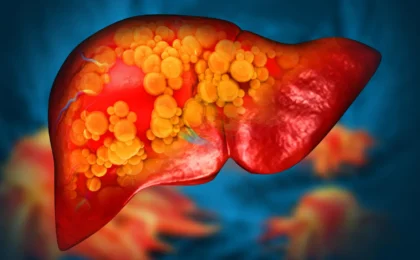
The study also noted that the sucrose-free mice showed changes often associated with the early development of fatty liver disease. This is particularly counterintuitive, as fatty liver is typically associated with high-sugar, high-fat diets. The fact that complete sucrose removal resulted in similar hepatic distress suggests that the liver requires a specific, balanced metabolic input to process lipids and sugars correctly.
Official Responses: The Scientific Community Weighs In
The presentation in Chicago drew significant attention from the endocrine community, prompting immediate commentary on the study’s implications for public health policy.
Dr. Rasheed Ahmad, head of the Immunology & Microbiology Department at the Dasman Diabetes Institute, was clear in his assessment of the findings. "Completely removing sucrose from a low-fat diet may unexpectedly disrupt gut health and promote inflammation and metabolic dysfunction," Dr. Ahmad stated. "Our study highlights that balanced nutrition is significantly more important than simply eliminating specific food groups."
Dr. Ahmad emphasized that the findings should not be interpreted as a license to consume excessive amounts of sugar, but rather as a caution against extreme, restrictive dietary patterns. "The study highlights the importance of maintaining balanced dietary carbohydrates to support gut and immune homeostasis," he added.
Supporting this, Faisal Hamed Al-Refaei, MD, the Acting Director General of the Dasman Diabetes Institute, underscored the institutional mission behind the study. "Studies such as this reflect our commitment to advancing evidence-based scientific discoveries that improve public health outcomes," Dr. Al-Refaei remarked. "By deepening our understanding of metabolic disease, we can move away from fad-based dietary advice and toward clinical strategies that are grounded in physiological reality."
Implications: The Future of Dietary Recommendations
The implications of this research are far-reaching. As the medical community looks toward the next decade of metabolic health management, the "sugar-free" movement may need a significant rebranding.
A Pivot Toward Balance
For decades, nutritional guidelines have focused on the reduction of sugar. While excessive sugar consumption remains a legitimate health concern, the Dasman study suggests that the next generation of dietary guidelines should prioritize the quality and balance of carbohydrates rather than the total elimination of specific sugars.
Precision Nutrition and the Microbiome
The link between sucrose intake and gut health opens a new frontier in "precision nutrition." If the microbiome requires certain inputs to remain in a state of homeostasis, then total elimination diets may be doing more harm than good for a significant portion of the population. Future clinical strategies for preventing metabolic disorders and chronic inflammatory conditions may shift toward maintaining a diverse, balanced diet that supports the gut-liver axis.
Rethinking Chronic Disease Management
The findings could eventually reshape how clinicians approach patients with metabolic syndrome or fatty liver disease. Rather than placing these patients on overly restrictive diets that may trigger further inflammation, doctors may focus on a "balanced-intake" model that ensures the gut microbiome remains robust.
Conclusion: A Nuanced Path Forward
The research presented at ENDO 2026 serves as a vital reminder of the complexity of the human body. Evolution has shaped our metabolic systems to process a variety of nutrients, and the total removal of a primary fuel source—such as sucrose—may be fundamentally at odds with our biological needs.
As we move forward, the "sugar-free" trend will likely face a reckoning. The Dasman Diabetes Institute has provided a compelling piece of evidence that suggests that in the pursuit of health, the answer is rarely found in the extremes. Instead, the key to metabolic health appears to be found in the difficult, often overlooked middle ground: a balanced, moderate approach that honors the intricate relationship between the food we eat, the microbes that inhabit our gut, and the metabolic processes that keep us alive.
While further studies, particularly those involving human clinical trials, will be necessary to confirm these findings on a larger scale, the current data provides a strong foundation for a more nuanced conversation about what it actually means to eat "healthy" in the 21st century. The era of the blanket ban on sugar may be coming to a close, replaced by a more sophisticated understanding of dietary harmony.