As the legal landscape for marijuana shifts across the globe, a pervasive cultural narrative has taken root: the assumption that because cannabis is increasingly recognized for its medicinal properties and recreational availability, it is inherently benign. However, as public policy races to catch up with widespread usage, the medical community is sounding a cautious alarm. While the carcinogenic profile of tobacco has been documented for decades, the long-term health implications of marijuana inhalation remain a subject of intense, ongoing scientific scrutiny.
Recent research conducted by experts at Keck Medicine of USC suggests that the "safe" label attached to marijuana may be premature. As thoracic surgeons and oncologists begin to parse the data, a more complex—and potentially concerning—picture is emerging regarding the relationship between heavy cannabis use and the development of malignancy.
Main Facts: The Intersection of Inhalation and Malignancy
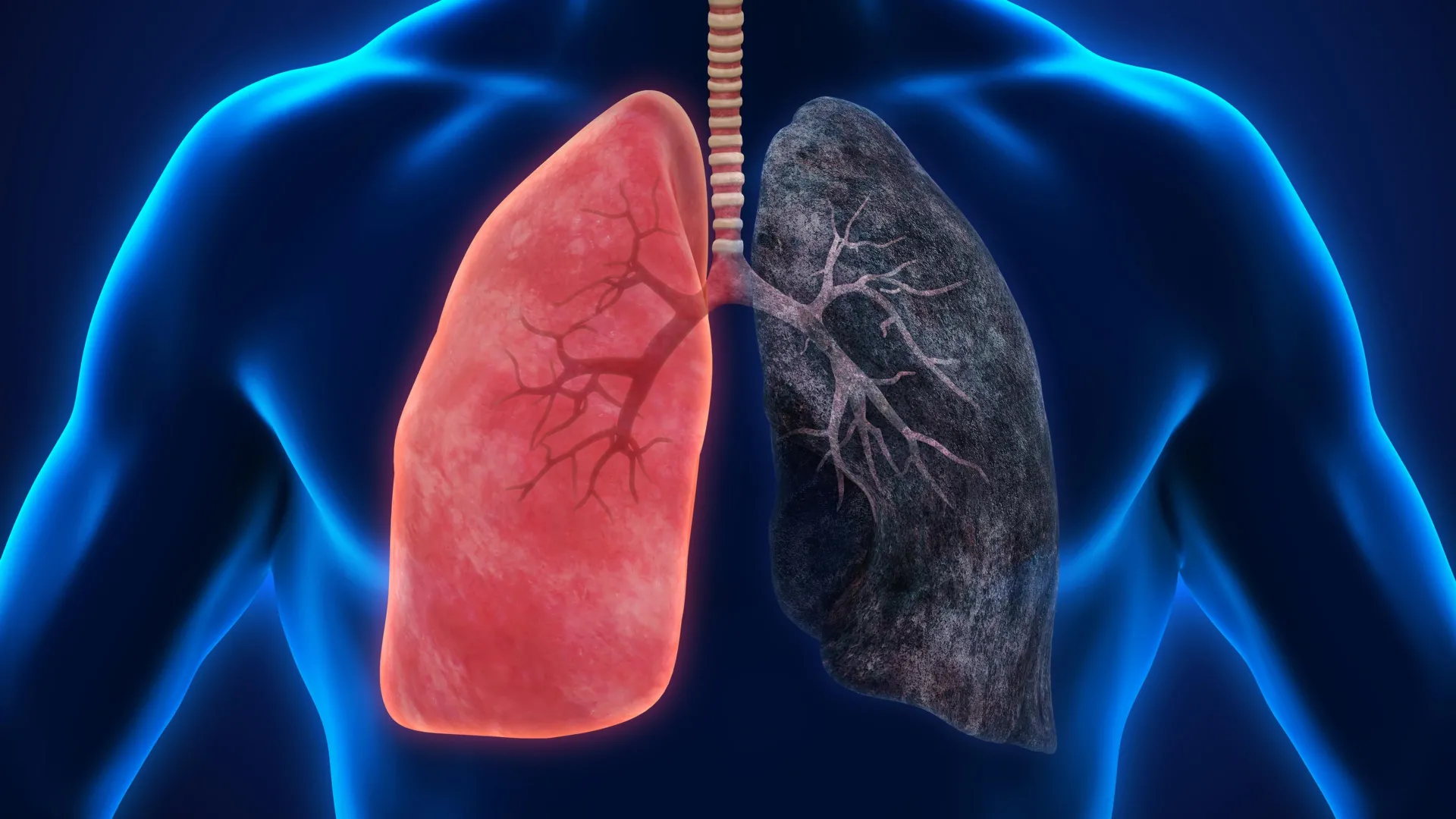
The core concern for medical professionals lies in the biological mechanism of inhalation. Whether the smoke originates from tobacco or cannabis, the process of combustion introduces a host of volatile organic compounds into the lungs.
According to Dr. Brooks Udelsman, a thoracic surgeon with USC Surgery at Keck Medicine of USC, the primary catalyst for concern is chronic inflammation. "Anytime inflammation and changes to DNA occur, you’re at risk for developing cancer," Dr. Udelsman explains. Marijuana smoke shares several chemical similarities with tobacco smoke, which contains over 7,000 chemicals, approximately 70 of which are established carcinogens.
Furthermore, THC—the primary psychoactive compound in marijuana—has been linked to the conversion of polycyclic aromatic hydrocarbons (PAHs). These compounds, when introduced to the pulmonary system, can trigger systemic inflammation and cause direct damage to cellular DNA, setting the stage for oncogenesis.
Chronology of Research: From Anecdote to Empirical Study
The scientific inquiry into marijuana and cancer has evolved significantly over the last decade. Historically, studies were often limited by small sample sizes or conflated with tobacco use, making it difficult to isolate the effects of marijuana.
- Early Concerns (2010–2015): Initial studies focused primarily on the acute respiratory effects of marijuana, such as chronic bronchitis and airway obstruction. While these studies established that marijuana smoke is an irritant, a definitive link to cancer remained elusive.
- The Keck Medicine Breakthrough (2020–2023): A significant turning point occurred with recent studies led by Dr. Niels Kokot, an otolaryngologist at the USC Caruso Department of Otolaryngology – Head and Neck Surgery. These investigations utilized more robust data sets to isolate the habits of heavy marijuana users.
- The Current Landscape (2024–Present): Research has pivoted from asking "is there an effect?" to "what is the dose-response relationship?" Scientists are now looking beyond the lungs to investigate potential links to bladder and gastrointestinal cancers, mirroring patterns observed in the long-term study of tobacco users.
Supporting Data: Understanding the Heavy-Use Threshold
The most striking findings from recent USC research center on the frequency of use. Dr. Kokot’s studies have highlighted that individuals who engage in heavy, consistent marijuana consumption face a statistically significant increase in the risk of both small cell and non-small cell lung cancer.
The Head and Neck Cancer Connection
Perhaps most alarming is the data regarding head and neck cancers. Dr. Kokot and his colleagues reported that daily marijuana users were 3.5 to 5 times more likely to develop cancers of the mouth, pharynx, larynx, and oropharynx compared to nonusers. This includes critical areas such as the tongue, tonsils, and the back wall of the throat.
The Dose-Response Gap
A critical question remains: "How much is too much?" Researchers admit that while the evidence for heavy use is mounting, the threshold for "occasional" risk is still unknown.
"What we don’t know right now is the dose relationship," says Dr. Udelsman. "My suspicion is that there is probably minimal risk for the occasional user—someone smoking once a week or a few times a year. Your body likely recovers from that temporary inflammation quite quickly. The danger appears to be concentrated in chronic, heavy users—those who have developed a dependency or require regular medical intervention for their use."
Official Responses and Medical Perspectives
The medical community is approaching the subject with a "precautionary principle" mindset. While there is not yet enough evidence to suggest that legalizing marijuana will lead to a lung cancer epidemic on the scale of tobacco, physicians are urging caution.
The Vaping Variable
The rise of vaping has introduced a new, largely unstudied variable. While many initially perceived vaping as a "harm-reduction" strategy, doctors are witnessing a surge in severe inflammatory lung diseases—benign but debilitating conditions—linked to the practice. Because vaping has only been mainstream for approximately 15 years, there is not yet enough longitudinal data to determine its specific cancer-causing potential. However, experts like Dr. Udelsman remain skeptical of the safety profile of anything inhaled directly into the pulmonary air sacs.
Edibles: A Safer Alternative?
For those concerned about cancer risk, the method of delivery is paramount. Current evidence indicates that non-smoking methods, such as edibles, do not carry the same lung cancer risks as smoking. Because these methods bypass the combustion process and the resulting respiratory inflammation, they are considered significantly safer in the context of lung malignancy. However, researchers caution that the link between edible consumption and other, non-lung-related cancers has not been fully explored.
The Question of Secondhand Exposure
While direct smoking is the primary concern, the impact of secondhand marijuana smoke is a looming public health question. Though current evidence is insufficient to confirm a direct causal link to lung cancer, experts note that the inhalation of inflammatory particles by bystanders is biologically plausible as a risk factor.
Implications for Public Health and Policy
The implications of this research are threefold: for the individual, for the healthcare provider, and for public health policy.
Personal Risk Management
For the average consumer, the data suggests that moderation is the key. Heavy, chronic use—defined as daily or multiple-times-a-day consumption—is the category currently showing the strongest correlation with cancer. Individuals who find themselves in this category are encouraged to have open, transparent conversations with their healthcare providers. A doctor can evaluate personal risk factors, such as family history and overall health, to determine if supplemental screenings are necessary.
Future Research Directions
The medical field is moving toward a more granular understanding of cannabis. Future studies are expected to:
- Isolate the variables: Distinguishing between pure marijuana use and the common practice of mixing marijuana with tobacco (often called "spliffs"), which drastically alters risk profiles.
- Long-term Vaping Studies: Tracking the pulmonary health of long-term vapers to see if inflammatory damage eventually evolves into oncogenesis.
- Beyond the Lungs: Expanding the scope of research to confirm or debunk links to bladder and GI tract cancers.
Public Awareness
As society continues to embrace the legalization of marijuana, the responsibility for education falls on both the medical establishment and public health agencies. The goal is not to fear-monger, but to ensure that the public is making informed choices.
"We’re trying to determine what the risks are so that people can know what risks they’re taking," Dr. Udelsman concludes. "There is a massive difference between occasional, recreational use and the kind of chronic dependency that leads to daily, systemic inflammation. If we can encourage the former and provide support for the latter, we can mitigate a great deal of the potential public health fallout."
Ultimately, the science of marijuana and cancer is still in its infancy. While the lungs are remarkably resilient, they are not invincible. As the smoke clears on the legal status of the plant, the medical community remains committed to uncovering the long-term biological consequences, ensuring that the next generation of consumers is equipped with the facts rather than just the assumptions.