DALLAS — For decades, the career trajectory of a WNBA player was defined by a grueling, year-round cycle. When the domestic season ended in the fall, the league’s top stars would immediately board flights to Yekaterinburg, Istanbul, or Venice. This was not a choice born of wanderlust, but a financial necessity dictated by modest WNBA salaries. The "overseas grind" was a double-edged sword: it provided the primary income for many athletes but left them physically exhausted and disconnected from the American marketing machine.
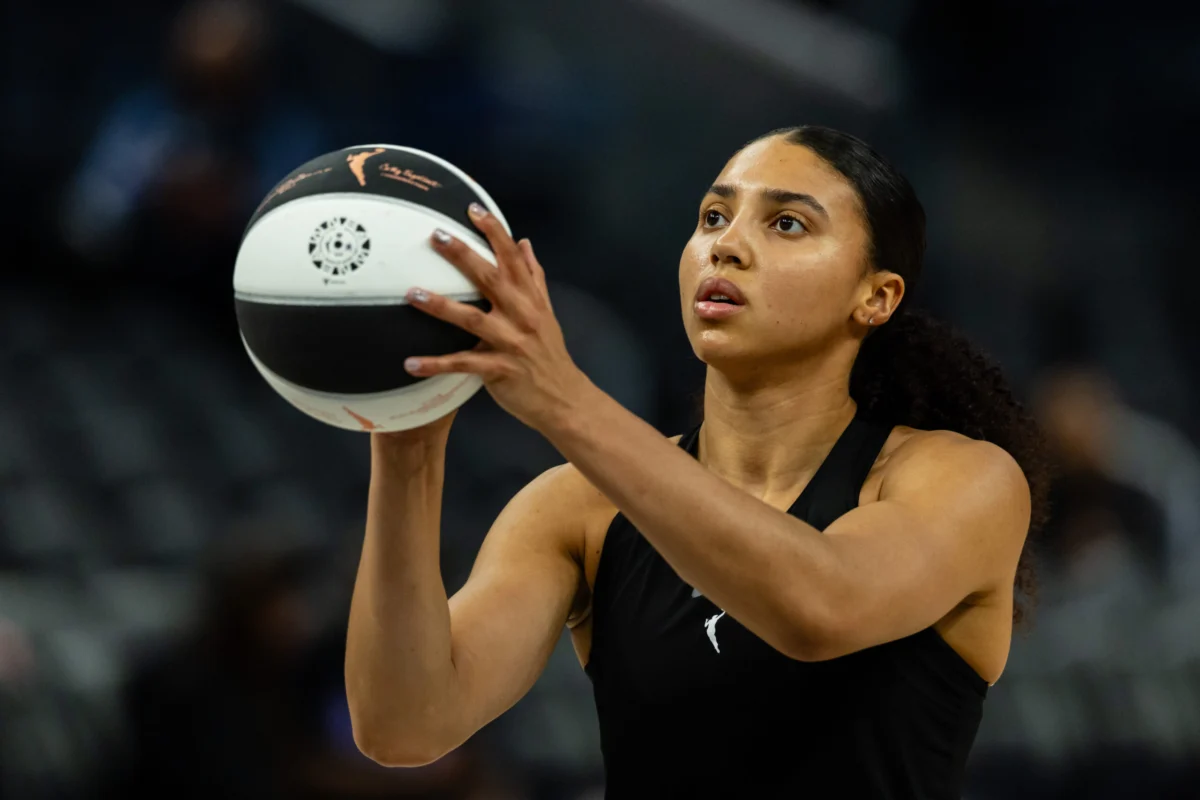
However, a seismic shift is occurring in the business of basketball. The latest signal of this transformation is the announcement that Azzi Fudd—the No. 1 overall draft pick of 2026 and current star of the Dallas Wings—has officially joined Project B.
Project B is an ambitious international basketball league designed to revolutionize the sport’s global footprint. Founded by a consortium of tech and sports heavyweights, including former Facebook executive Grady Burnett and Skype co-founder Niklas Zennström, and advised by Maverick Carter (LeBron James’ longtime business partner), the league represents a new frontier. It seeks to transition international play from a survival tactic into a high-stakes, brand-building enterprise.
Main Facts: A New Blueprint for Global Hoops
Project B is not merely another off-season league; it is a "Grand Prix-style" international circuit for both men and women. The league is structured around a series of high-profile tournaments held in six global hubs, including Tokyo, Japan, and Valencia, Spain.
Key pillars of the Project B model include:
- The Asset-Light Strategy: Unlike traditional leagues that own or lease permanent stadiums, Project B utilizes underutilized arenas in major international markets. These venues pay the league to host their stars, shifting the financial risk away from the league and toward the host cities.
- Equity-Based Participation: In a move mirrored by the domestic 3-on-3 league Unrivaled, Project B offers its marquee players equity in the business. This transforms athletes from seasonal employees into long-term stakeholders.
- A "Formula 1" Approach: By adopting a traveling tour model, the league aims to create a "can’t-miss" event atmosphere in every city it visits, focusing on scarcity and spectacle rather than a 40-game home-and-away schedule.
- Elite Roster: Fudd joins a growing list of WNBA royalty committed to the project, including Nneka Ogwumike, Alyssa Thomas, Kelsey Mitchell, and Jewell Loyd.
Chronology: From Economic Necessity to Strategic Expansion
The path to Project B was paved by several decades of shifting dynamics in women’s professional sports.
The Era of "The Grind" (1997–2021)
Since the WNBA’s inception, players relied on European and Russian clubs for the bulk of their earnings. In some cases, top-tier stars earned ten times their WNBA salary playing for oligarch-backed teams in the Russian Premier League. While lucrative, this era was characterized by a lack of agency. Players had little control over their schedules and often missed out on building their personal brands in the U.S. during the off-season.
The Griner Catalyst and the NIL Revolution (2022–2024)
The landscape changed dramatically following the 2022 detention of Brittney Griner in Russia, which highlighted the geopolitical risks of the old overseas model. Simultaneously, the introduction of Name, Image, and Likeness (NIL) rights in college sports began producing a new generation of "wealthy rookies."
Azzi Fudd represents the pinnacle of this shift. Entering the 2026 WNBA Draft, Fudd was already a household name with a massive social media following and blue-chip sponsorships. For her generation, going abroad is no longer about paying the rent; it is about expanding a global empire.
The Birth of Project B (2025–Present)
In early 2025, reports surfaced via Bloomberg that Project B was seeking to raise upwards of $5 billion to challenge the NBA’s global hegemony. While co-founder Grady Burnett later clarified that the $5 billion figure was "a little high," he confirmed that the league had successfully completed its capital raise. The league spent 2025 securing talent and finalizing its "Grand Prix" logistics, setting the stage for its debut in early 2026.
Supporting Data: The Economics of the Modern Player
The financial logic behind Project B is supported by the explosive growth of women’s basketball metrics.
- The Fudd Factor: Azzi Fudd enters the league with over 800,000 followers on Instagram and a comparable reach on TikTok. Unlike previous generations, she has already secured major domestic deals with brands like Madison Reed. Her participation in Project B is designed to capture the "Rednote" and "Douyin" (Chinese TikTok) markets, where her popularity exploded following a summer tour with Steph Curry.
- The Salary Gap vs. Revenue Growth: While the WNBA’s new Collective Bargaining Agreement (CBA) has significantly raised the "supermax" salary, it still pales in comparison to the revenue generated by top-tier global soccer leagues. Project B aims to bridge this gap by creating a multi-billion dollar ecosystem that mirrors the revenue structures of the English Premier League or UEFA Champions League.
- Global Viewership: Basketball is currently the second most popular sport in the world. Project B’s internal projections suggest that by 2030, the combined reach of an international circuit could rival soccer if the league successfully captures the Asian and European markets through localized events.
Official Responses and Perspectives
The leadership of Project B and the players involved have been vocal about the league’s intent to disrupt the status quo.
Grady Burnett, Co-Founder of Project B:
Burnett emphasizes that the league is not a competitor to the WNBA or NBA, but an "extension." Regarding the ambitious $5 billion valuation reports, Burnett stated: "That number was a little high, but the appetite from investors has been staggering. We have completed our capital raise and are focused on execution. We are putting athletes on a global stage and connecting with fans in all parts of the world."
Azzi Fudd, Dallas Wings Star:
For Fudd, the appeal is the power of choice. "What’s incredible now is that players have that option—they can go if they want, they don’t have to. It’s not forced," she told Fortune. Reflecting on her experience in Chongqing, China, she noted: "People were approaching me with custom gifts and magazines to sign. It opened my eyes to just how much more is out there and how basketball can open doors."
Addressing Controversy:
The league has faced scrutiny regarding its funding sources, specifically rumors of Saudi Arabian investment. Burnett has been firm in his denial, stating that while the league initially worked with the Saudi-owned entertainment vendor Sela, that partnership is no longer active and no Saudi capital was accepted in the final funding round.
Implications: A New Competitive Landscape
The emergence of Project B carries profound implications for the future of professional basketball.
For the WNBA: A Partner or a Rival?
The WNBA has historically struggled with players returning from overseas fatigued or injured. If Project B succeeds, it could provide a more structured, professionalized off-season that keeps players in peak condition while increasing their global fame—which ultimately benefits the WNBA’s viewership. However, the "equity" model of Project B and Unrivaled may put pressure on the WNBA to offer similar ownership stakes to its superstars in future CBA negotiations.
For the NBA: Disruption on the Horizon
While Project B is currently seen as a boon for the women’s game, its planned men’s league could be more disruptive. The NBA has a grueling 82-game schedule and a very short off-season. If Project B begins luring established NBA veterans with the promise of "career extension" and equity, it could challenge the NBA’s monopoly on elite male talent during the summer months.
For the Global Sports Market: The "Soccer-ization" of Basketball
Project B’s ultimate goal is to make basketball the No. 1 sport globally. By creating a high-end, traveling circus of stars, they are betting that the "Grand Prix" model is more sustainable than the traditional league format. If they can successfully monetize underutilized arenas and tap into the fanbases of Tokyo, Valencia, and beyond, they may fundamentally change how sports leagues are built in the 21st century.
The Player as a Brand
Ultimately, the story of Azzi Fudd and Project B is a story of empowerment. The modern athlete is no longer a "laborer" in the traditional sense; they are a media entity. By choosing a league that offers equity and global brand expansion, Fudd is signaling that the era of the "starving athlete" is over. In its place is the era of the "Athlete-CEO," where the world—not just the local market—is the court.