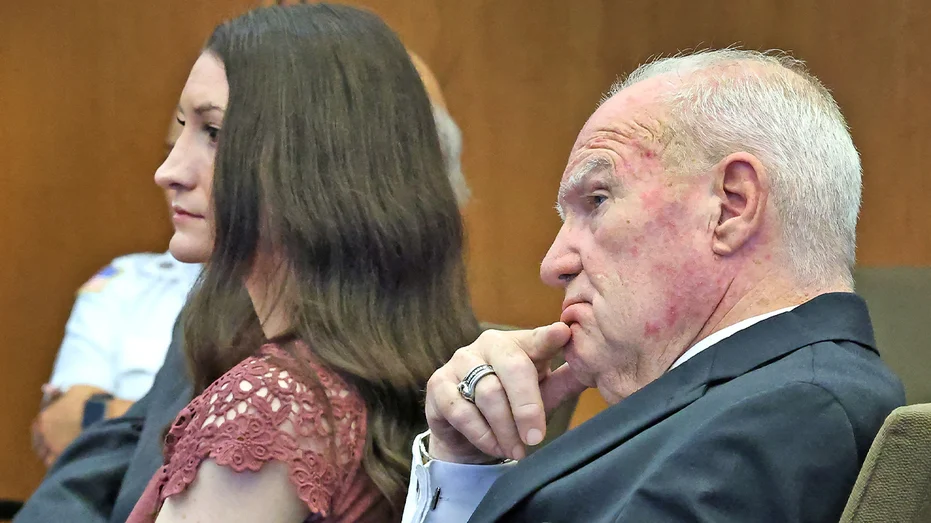
PLYMOUTH, Mass. — In the wake of a highly publicized mistrial, the legal battle surrounding Lindsay Clancy—the Massachusetts mother accused of killing her three young children—has entered a contentious new phase. Defense attorney Kevin Reddington is aggressively pushing back against assertions that he has shifted his courtroom strategy, maintaining that he has consistently challenged the strength of the Commonwealth’s case from its inception.
Following a status hearing at the Plymouth County Superior Court, Reddington has doubled down on his defense, raising explosive doubts regarding whether prosecutors have met the high burden of proving his client’s guilt beyond a reasonable doubt. The move has reignited national interest in a case that sits at the complex intersection of maternal mental health, criminal responsibility, and the limits of the American justice system.
Main Facts: The Post-Mistrial Legal Stand-Off
On September 29, 2026, Lindsay Clancy returned to a Plymouth courtroom for the first time since her high-profile trial ended in a mistrial on September 4. The mistrial was declared after a deadlocked jury failed to reach a unanimous verdict following roughly a week of intense deliberations.
At the center of the recent proceedings is a Rule 25 motion filed by Reddington, which seeks a required finding of not guilty. This routine but rarely successful legal maneuver asks the presiding judge, William Sullivan, to rule that the evidence presented by the prosecution during the trial was legally insufficient to sustain a conviction.
+-------------------------------------------------------------------------+
|                         KEY CASE PARTICIPANTS                           |
+-------------------------------------------------------------------------+
| Defendant:          Lindsay Clancy (Former labor and delivery nurse)    |
| Lead Defense:       Kevin Reddington (Nicknamed "Big Red")              |
| Co-Counsel:         Martin Weinberg (Constitutional/Double Jeopardy)    |
| Presiding Judge:    Judge William Sullivan                              |
| Prosecution:        Plymouth County District Attorney's Office          |
| Victims:            Cora (5), Dawson (3), and Callan (8 months) Clancy  |
+-------------------------------------------------------------------------+
During the status hearing, Reddington challenged the prosecution’s narrative directly, asking Judge Sullivan, "Where’s the evidence that she did this?" He pointed to what he characterized as a poorly executed police investigation and a lack of definitive forensic proof linking his client to the physical acts in a way that establishes criminal intent.
The prosecution, representing the Commonwealth of Massachusetts, responded swiftly and dismissively, labeling Reddington’s sufficiency-of-evidence argument as "laughable" and urging the court to deny the motion. Judge Sullivan took the matter under advisement, deferring oral arguments on other pending motions—including those regarding double jeopardy and alleged juror misconduct—to November 2, 2026.
Chronology: From the January 2023 Tragedy to the Retrial Horizon
To understand the current legal stalemate, it is necessary to trace the timeline of events that have devastated a suburban Boston community and captivated the national media.
[Jan 24, 2023] ----------------> [July-Aug 2026] -------------> [Sept 4, 2026]
Tragedy in Duxbury;              High-profile criminal          Jury deadlocks;
Three children killed.           trial takes place.             Mistrial declared.
                                                                       |
[Nov 2, 2026] <----------------- [Sept 29, 2026] <---------------------+
Scheduled hearing on             Status hearing; Rule 25
double jeopardy & misconduct.    motion argued.
The Tragedy in Duxbury (January 2023)
On January 24, 2023, emergency responders were called to the Clancy family home in Duxbury, Massachusetts. Inside, police discovered five-year-old Cora, three-year-old Dawson, and eight-month-old Callan suffering from severe trauma. The two older children were pronounced dead shortly after; infant Callan survived for several days on life support before succumbing to his injuries.
Lindsay Clancy, a labor and delivery nurse who had been struggling with severe, documented postpartum depression and suspected postpartum psychosis, attempted suicide by jumping from a second-story window of the home. She survived the fall but was left permanently paralyzed from the waist down.
The Road to Trial and the September 2026 Mistrial
Over the next three years, the case wound its way through the Massachusetts judicial system. The defense focused heavily on Clancy’s mental state, arguing she was in the throes of a severe involuntary intoxication and psychiatric crisis brought on by an aggressive regimen of prescribed psychiatric medications. The prosecution countered that the killings were planned and deliberate, pointing to the timing of the events when her husband, Patrick Clancy, was briefly out of the house running errands.
The trial commenced in the summer of 2026. After weeks of testimony from forensic psychiatrists, investigators, and family members, the jury began deliberations in late August. On September 4, 2026, after a week of deadlock and reports of a single holdout juror blocking a conviction, Judge Sullivan declared a mistrial.
The September 29, 2026 Status Hearing
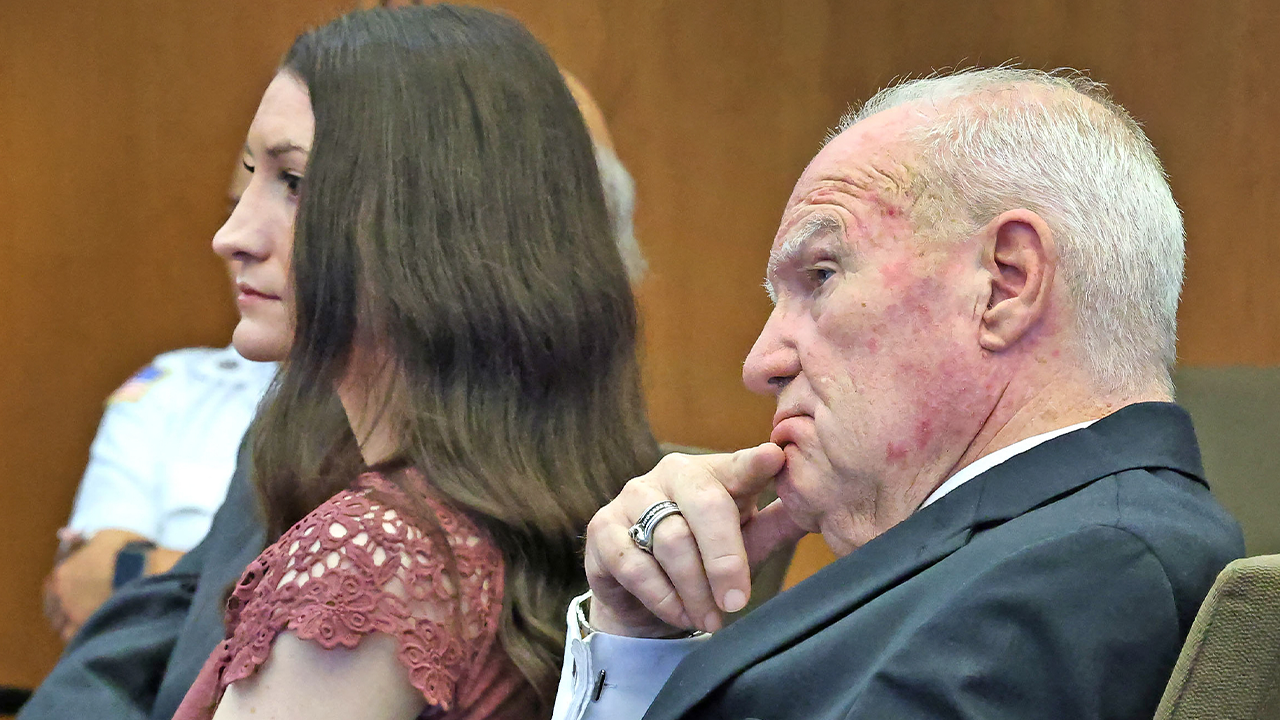
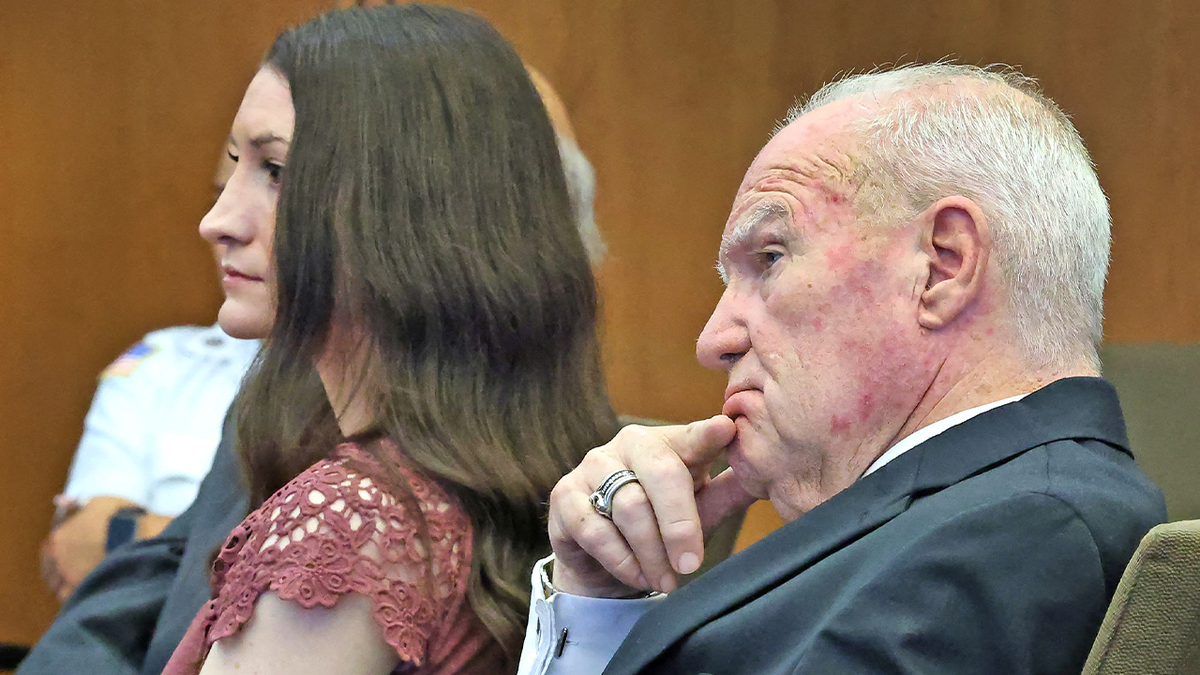
The status hearing marked Lindsay Clancy’s first public appearance since the mistrial. Seated next to Reddington, Clancy listened as her defense team launched a multi-pronged attack on the prosecution’s case. While the defense hoped for immediate rulings on their motions, Judge Sullivan’s decision to push the hearings on double jeopardy and juror misconduct to November 2 left observers and media commentators waiting for definitive answers.
Supporting Data: The Legal Strategy and Procedural Mechanics
The defense’s post-mistrial strategy relies on highly technical aspects of Massachusetts criminal procedure, specifically Rule 25, the Bowden instruction, and constitutional protections against double jeopardy.
Rule 25 and the Sufficiency of Evidence
Under Massachusetts Rules of Criminal Procedure, a Rule 25(b)(2) motion allows a judge to set aside a verdict or enter a finding of not guilty if the court determines that the prosecution failed to present sufficient evidence to satisfy every element of the charged offenses.
According to Carol Erskine, a retired Massachusetts juvenile court judge and child welfare advocate, these motions are standard practice but rarely granted.
"He is arguing that [the prosecution] did not prove each and every element as required by law," Erskine explained. "I understand why people don’t get this, but he had to argue sufficiency of evidence under Rule 25(b)(2) case law."
The Bowden Defense and Investigative Failures
A critical component of Reddington’s argument is his challenge to the integrity of the initial police investigation. During the status hearing, Reddington noted that he had previously requested a Bowden instruction during the trial, which was denied by the court.
Named after the landmark Massachusetts case Commonwealth v. Bowden (1980), this instruction allows the defense to argue that a failure by police to conduct a thorough, competent investigation can itself create reasonable doubt. Reddington contends that the search of the Duxbury home and the collection of evidence were flawed, leaving significant gaps in the prosecution’s reconstruction of the tragedy.
Double Jeopardy and Juror Misconduct
To bolster his defense ahead of a potential retrial, Reddington has brought in Martin Weinberg, a prominent Boston-based attorney specializing in constitutional law and double jeopardy. The defense plans to argue on November 2 that a retrial should be barred on constitutional grounds.
Additionally, the defense has raised concerns over alleged juror misconduct during the initial trial. Reports surfaced that a lone holdout juror had demonstrated the physical mechanics of the killings during deliberations, prompting the defense to demand a formal investigation and access to the jury questionnaires. However, Judge Sullivan has indefinitely impounded the names of the jurors and related questionnaires, citing safety concerns and the "divisive" national attention surrounding the case.
Official Responses: Prosecution Opposition and Judicial Caution
The legal maneuvers have drawn sharp rebukes from prosecutors and a measured, cautious approach from the bench.

The Prosecution’s Position
The Plymouth County District Attorney’s Office has consistently maintained that the evidence against Lindsay Clancy is overwhelming. Prosecutors argue that her actions on the evening of January 24, 2023—including checking the transit time for her husband’s errands on her phone—demonstrate calculation and intent rather than a sudden psychotic break.
In response to Reddington’s assertion that there is "no evidence" she committed the acts, prosecutors did not mince words, calling the defense’s motion "laughable" and urging Judge Sullivan to dismiss it out of hand to allow the Commonwealth to prepare for a retrial.
Judicial Discretion and Public Safety
Judge William Sullivan has navigated the high-profile case with extreme caution. Recognizing the intense public interest and the potential for harassment, Sullivan’s decision to impound the juror names was aimed at insulating the citizens who served on the panel from public backlash.
By delaying oral arguments on the defense’s more explosive motions until November 2, Sullivan has allowed a cooling-off period, preventing immediate, knee-jerk reactions to the mistrial while ensuring that complex constitutional arguments are thoroughly briefed by both sides.
Implications: Public Sentiment and the Defense Phenomenon
Beyond the legal definitions of insanity and criminal intent, the Lindsay Clancy case has highlighted deep societal divisions regarding maternal mental health and the public persona of high-profile defense attorneys.
The "Big Red" Phenomenon
As the legal drama unfolds, Kevin Reddington has developed a unique following outside the Plymouth Superior Court. Dubbed "Big Red" and "Shreddington" by locals and media figures, the veteran defense attorney is known for his approachable, old-school courtroom demeanor.
Fox News contributor Billy Bush, host of the "Hot Mics" podcast, observed Reddington’s interactions with the press and public in the courthouse parking lot:

"Big Red goes out to the parking lot. He talks to the different people who are covering this in their own way… He sits there in a lawn chair, having coffee and connecting with everybody."
Bush noted that this approach has resonated particularly with a large demographic of women who follow the case closely. "They support Lindsay Clancy, but they love Reddington because he’s the man who’s fighting for her," Bush said. "They’re all seeing him as that guy, ‘Geez, I’d like that man fighting for me someday, if I needed it.’"
Maternal Mental Health vs. Criminal Accountability
The public support for Lindsay Clancy highlights a growing national conversation about postpartum psychosis (PPP), a rare and severe psychiatric emergency that affects approximately 1 to 2 out of every 1,000 mothers giving birth. Advocates for maternal mental health reform view Clancy’s tragedy as a systemic failure of the medical community to recognize the warning signs of severe postpartum illness, arguing that criminalizing a mother in the midst of a psychotic break is unjust.
Conversely, a substantial segment of the public and legal community demands strict accountability for the loss of three young lives. They argue that the justice system must prioritize the rights of the victims—Cora, Dawson, and Callan—and that allowing mental health diagnoses to completely absolve an individual of criminal liability sets a concerning legal precedent.
As the legal teams prepare for the pivotal November 2 motions hearing, the eyes of the legal community remain fixed on Plymouth. Whether Judge Sullivan grants the defense’s motions or clears the way for a second trial, the outcome of the Clancy case will likely influence how postpartum mental health crises are litigated in American courts for years to come.