The automotive landscape in North America is currently witnessing a massive industrial transition as Volkswagen officially begins the rollout of its second-generation 2027 Atlas. Following a comprehensive production overhaul at the company’s flagship Chattanooga, Tennessee assembly plant, the first units of the redesigned three-row SUV are hitting dealership lots this month. For Volkswagen, this is far more than a simple model refresh; it represents the most significant manufacturing changeover in the factory’s history and a critical strategic pivot for the German automaker’s long-term success in the United States market.
A Legacy of American Engineering: The Chattanooga Story
Since the doors first opened at the Chattanooga facility, Volkswagen has been on a mission to align its global engineering prowess with the specific demands of the American consumer. The Atlas was born from this objective, designed specifically for North American families who prioritize space, utility, and presence.
The journey began in earnest in December 2016, when the first generation of the Atlas rolled off the line. That initial launch was supported by a massive $900 million capital investment, a figure that signaled to both the industry and the local community that Tennessee would be the heartbeat of Volkswagen’s North American operations. Over the last decade, that investment has paid dividends. To date, the Chattanooga plant has assembled more than 1 million Atlas and Atlas Cross Sport vehicles. By the time the factory celebrated its 15th anniversary in 2026, it had surpassed 1.85 million total vehicles produced, cementing its role as a vital cog in the global VW machine.
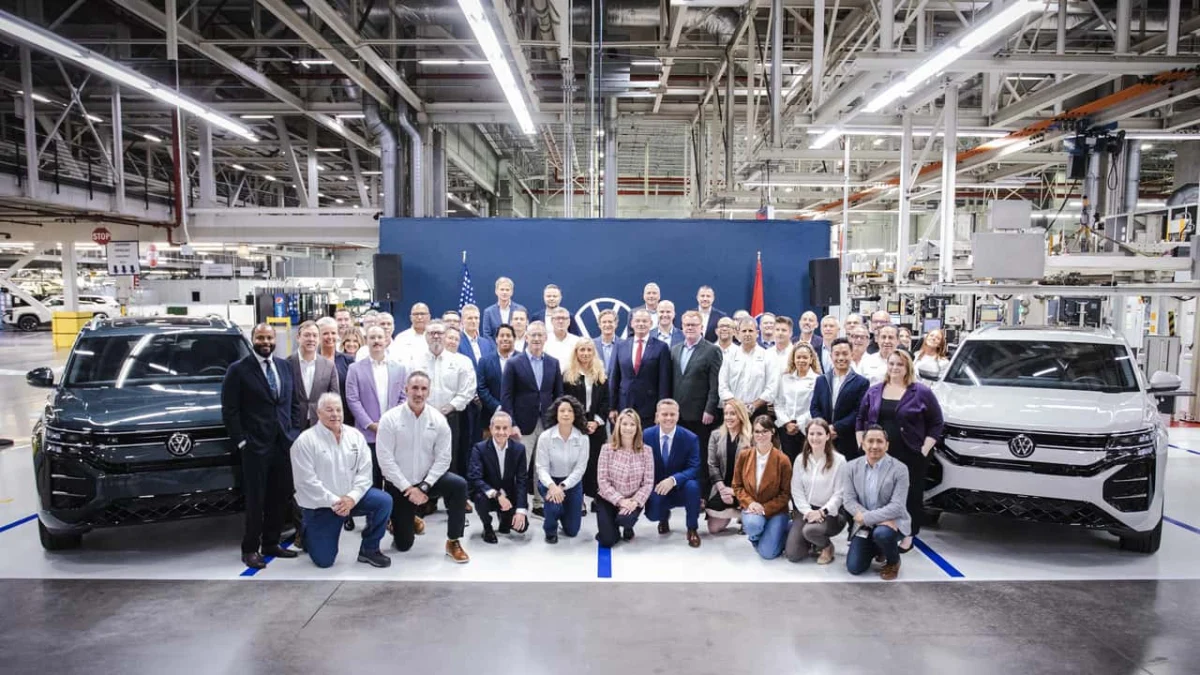
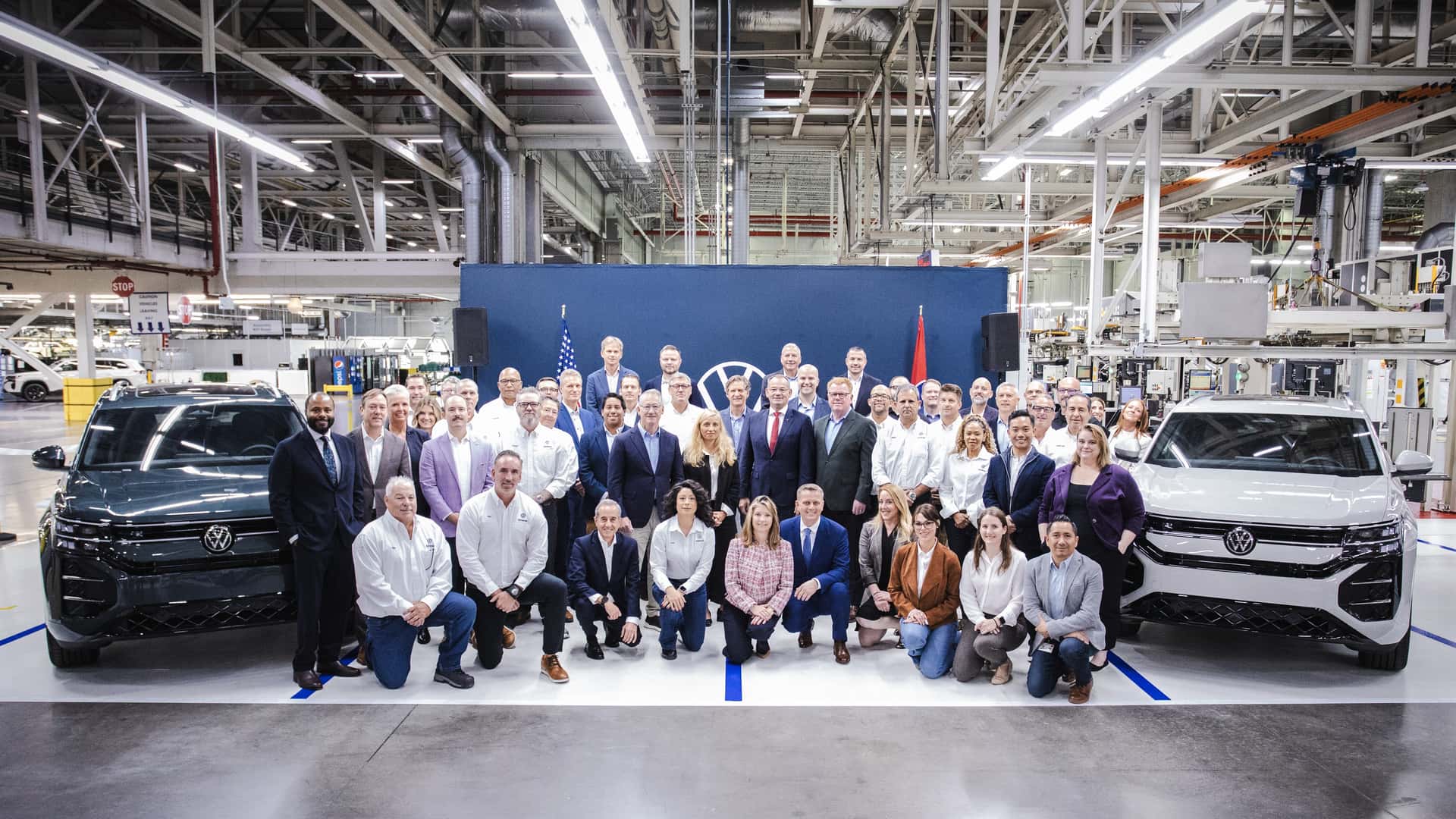
The transition to the 2027 model year has been an exhaustive undertaking for the 4,000-strong workforce. The assembly line, which had been finely tuned for the outgoing generation since 2016, underwent a massive retooling process throughout the summer of 2026. This project represents a level of complexity rarely seen in mid-cycle manufacturing, requiring a synchronization of logistics, robotics, and human labor to ensure that the new, more technologically advanced vehicle could be built with the same precision as its predecessor.
Engineering the Future: The 2027 Atlas
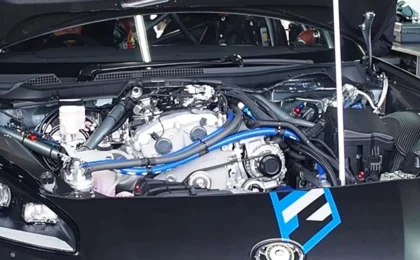
The 2027 Atlas is not merely a cosmetic upgrade; it is a fundamental reworking of the platform. Volkswagen has focused heavily on performance, equipping the new model with a turbocharged 2.0-liter EA888 evo5 four-cylinder engine. This powertrain, capable of producing 282 horsepower, stands as the most robust engine configuration the Atlas nameplate has ever featured.
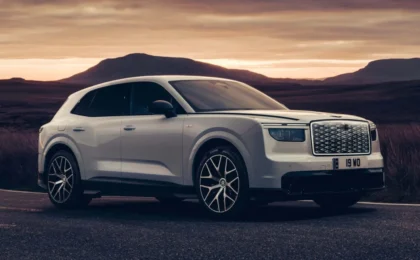
Beyond the engine, the vehicle boasts a completely redesigned exterior aesthetic—featuring sharper, more modern lines that align with the brand’s evolving design language—and a thoroughly updated cabin. The interior overhaul focuses on improved material quality, enhanced digital connectivity, and an ergonomic layout designed to compete with the stiffest competition in the three-row SUV segment.
The strategy, as noted by industry analysts at Automotive News, is to double down on the model’s strengths. By focusing so heavily on the Atlas, Volkswagen is tying its US market share more tightly to the output of its Tennessee facility than at any point in its history. This reliance suggests a high level of confidence in the Chattanooga team’s ability to manage this high-stakes product launch.
The Phased Rollout: A Strategic Timeline
The launch schedule for the new Atlas is intentionally staggered to ensure operational efficiency. The three-row, family-focused version of the SUV is the priority for the October 2026 market entry. This "first-mover" strategy allows the Chattanooga plant to focus its full attention on the assembly of the primary volume driver before introducing the two-row Atlas Cross Sport.
The Atlas Cross Sport is slated for a first-quarter 2027 launch. This means that for the final months of 2026 and the opening of the new year, the Chattanooga assembly line will exclusively produce the three-row variant. By separating the launches, Volkswagen mitigates the risk of supply chain bottlenecks and allows dealership inventories to stabilize before the second, more niche variant enters the mix. This methodical approach is designed to provide a consistent supply of vehicles to meet the pent-up demand of consumers who have been awaiting the next generation of the brand’s flagship SUV.
Beyond the Atlas: The Changing Face of Chattanooga
The history of the Chattanooga plant is a reflection of Volkswagen’s shifting priorities in the electric and combustion eras. Before the current focus on the Atlas, the factory was a key production hub for the Passat sedan. More recently, the facility was instrumental in the production of the all-electric ID.4.
The conclusion of ID.4 production at the site in mid-April 2026 marked a significant inflection point for the factory. By shifting its focus back to the high-volume, high-margin Atlas, Volkswagen is signaling a recalibration of its North American strategy. While the company remains committed to the broader global electrification goals, the immediate priority for the Tennessee plant is to dominate the segment where the American market has the highest demand: the mid-to-large size SUV market.
The workforce at Chattanooga, which has successfully navigated the transition from traditional sedans to electric vehicles and now to the next generation of premium SUVs, has proven to be one of the most versatile in the automotive sector. This adaptability is the bedrock upon which Volkswagen’s future in the US is being built.
Strategic Implications: Why This Matters
The successful launch of the 2027 Atlas carries weight that extends far beyond the showroom floor. Volkswagen’s US sales targets for the next five years are intrinsically linked to the reliability and popularity of this specific vehicle. In a market dominated by domestic competitors and long-standing Japanese rivals, the Atlas serves as the "American face" of the Volkswagen brand.
If the 2027 model succeeds, it will prove that Volkswagen can successfully navigate the transition between technology cycles without losing its core customer base. The "tight turnaround" between the summer production start and the October market release indicates a high level of confidence from the executive team in Wolfsburg regarding the efficiency of the Tennessee operation.
Furthermore, the pricing and trim details released ahead of the launch suggest a clear strategy to position the 2027 Atlas as a value-oriented yet premium alternative to the segment leaders. By offering a high-horsepower engine and a refined cabin at a competitive price point, Volkswagen is making a direct play for the "family utility" segment that drives the majority of non-luxury SUV sales in the United States.
Conclusion: A New Chapter in Tennessee
As the first of the 2027 Atlas units make their way to dealerships across the country, the mood in Chattanooga is one of tempered anticipation. The factory, which has already produced well over 1.85 million vehicles in its lifetime, is prepared to continue its run as the heart of Volkswagen’s North American identity.
The success of the 2027 Atlas will be the primary metric by which the company measures its progress in the coming years. By prioritizing the needs of the American driver, investing heavily in local production, and refining its most important model, Volkswagen is not just building a car—it is building a bridge between its European heritage and its future as a dominant force in the American automotive market. Whether this latest iteration of the Atlas will satisfy the demanding American consumer remains to be seen, but the sheer effort, investment, and strategic planning behind the scenes suggest that Volkswagen is not taking any chances. The "Chattanooga way" of building vehicles is being put to its greatest test yet, and the results of this launch will define the brand’s path for years to come.