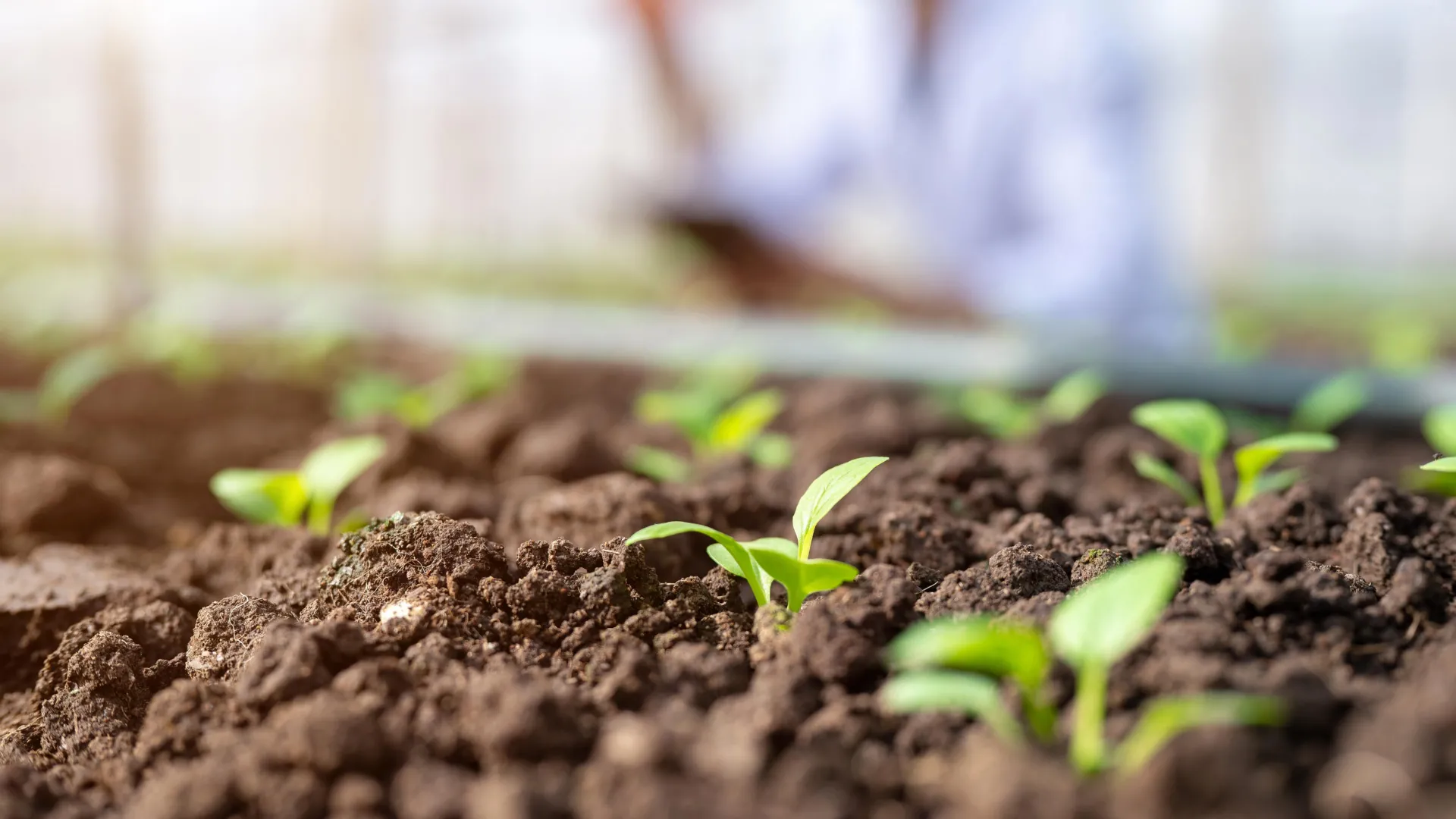
In the complex subterranean world beneath our feet, a microscopic battle for resources defines the future of global food security. Phosphorus, an essential macronutrient for all living organisms, acts as the lifeblood of agricultural productivity. Yet, as the world’s finite reserves of rock phosphate dwindle, the pressure to manage this nutrient with surgical precision has never been higher.
In a significant stride toward sustainable agriculture, an international research consortium has unveiled a streamlined, cost-effective method to quantify DNA-bound phosphorus (DNA-P) in soil. Published in the Journal of Agricultural and Marine Sciences, this methodological breakthrough offers scientists a clearer lens through which to observe the nutrient’s journey through ecosystems, potentially revolutionizing how we approach soil fertility and environmental stewardship.
The Phosphorus Paradox: A Finite Resource
Phosphorus is the silent architect of plant life. It is fundamental to the synthesis of ATP, the molecule that powers cellular energy, and is a key component of the genetic material that dictates plant growth. However, modern agriculture has historically relied on the intensive application of phosphate fertilizers, leading to inefficiencies, soil degradation, and the catastrophic eutrophication of waterways.
"The global phosphorus supply is not infinite," notes the research team, which includes experts from Sultan Qaboos University, the James Hutton Institute, and the Environment Authority of Oman. "We are currently operating in a cycle that is far from circular. To maintain high-yield food production while mitigating environmental damage, we must transition from ‘blind’ fertilization to a nuanced understanding of how soil microbes manage nutrient stores."
Central to this challenge is the organic phosphorus pool. Unlike inorganic fertilizers that can be washed away by rain, organic phosphorus—specifically DNA-bound phosphorus—is intricately linked to the biological vitality of the soil. DNA-P represents the "living" signature of the soil, acting as a proxy for microbial activity. Until now, measuring this elusive component was a costly and labor-intensive endeavor, often relegated to high-end, specialized laboratories.
Chronology of a Methodological Evolution
The journey to this improved measurement technique began with a critical re-evaluation of existing analytical standards. For years, the scientific community relied on complex protocols that involved multiple enzymatic treatments designed to isolate DNA-P from a dense matrix of soil compounds.
Phase 1: Identifying the Bottleneck
The research team initiated their study by auditing traditional protocols. They discovered that the inclusion of specific enzyme treatments—once thought to be mandatory to break down non-target compounds—was actually redundant. This revelation was the first "domino" to fall, as it allowed for the immediate simplification of the procedure.
Phase 2: Refinement and Validation
Following the removal of the unnecessary enzymatic steps, the team proceeded to refine the extraction process. They tested the modified method across a diverse array of 32 different soil types sourced from across the United Kingdom. This variety was essential to ensure that the method was not "tuned" to a single soil environment but was robust enough for global application.
Phase 3: The Critical Filtration Step
During the refinement process, the team identified the one non-negotiable component of the procedure: ultrafiltration. By retaining this specific step, the researchers ensured that the DNA-P could be effectively separated from other phosphorus-containing compounds without sacrificing the sensitivity required for accurate analysis.
Supporting Data: Decoding the Micro-Landscape
The study’s results provided a wealth of data regarding the distribution and behavior of phosphorus in diverse soil profiles. Although DNA-P represents only a small fraction of total organic phosphorus, its presence acts as a high-fidelity indicator of soil health.
The researchers uncovered strong statistical correlations between DNA-P concentrations and several vital soil parameters:
- Soil pH: The acidity or alkalinity of the soil directly dictates the bioavailability of DNA-P.
- Microbial Biomass Phosphorus: The concentration of DNA-P mirrored the density of microbial populations, confirming its role as a biological metric.
- Organic Matter Content: Higher organic matter levels were consistently associated with elevated DNA-P, suggesting that carbon sequestration and phosphorus cycling are intrinsically linked.
- Dissolved Phosphorus: The interaction between DNA-P and water-soluble phosphorus suggests that DNA-P acts as a buffer, releasing nutrients into the soil solution as microbes die and decompose.
These findings suggest that DNA-P is not merely a static "reserve" of phosphorus, but a highly active participant in the ecosystem’s nutrient cycle, governed by the metabolic activity of soil microorganisms.
Perspectives from the Field: Official Responses
The implications of this study have resonated throughout the agricultural and environmental science communities. By reducing the economic barrier to entry, the researchers have democratized the ability to study soil health.
Dr. A. Al-Mukhaini, a lead collaborator on the project, stated: "By simplifying the extraction of DNA-P, we are moving the diagnostic capability out of the ‘black box’ of specialized research and into the realm of practical, applied soil management. This isn’t just about laboratory efficiency; it is about providing farmers and land managers with the data they need to optimize nutrient inputs."
Colleagues at the James Hutton Institute have emphasized that this research addresses a long-standing gap in soil science. "For decades, we have been able to measure total phosphorus, but we were often missing the ‘who’ and ‘how’ of the cycle. By focusing on the DNA-bound fraction, we are essentially looking at the microbial workforce of the soil. If we can measure how the workforce is performing, we can better predict how plants will respond to fertilization or environmental stress."
Implications for Sustainable Farming and the Future
As the global population approaches 10 billion, the pressure on agricultural systems to produce more with less is immense. The new analytical method offers several transformative possibilities for the future of food production:
1. Precision Nutrient Management
Currently, most farmers apply phosphorus based on general soil tests that do not account for the biological availability of the nutrient. With this new, cost-effective measurement, it becomes feasible to monitor DNA-P levels as part of routine soil testing. This could allow for "precision fertilization," where farmers apply only what is needed, significantly reducing the runoff that causes toxic algal blooms in nearby lakes and oceans.
2. Enhancing Soil Fertility
The strong link between DNA-P and microbial activity highlights the importance of soil biodiversity. Farmers looking to transition toward regenerative agriculture can use this method to track the success of cover cropping, reduced tillage, and organic amendments in fostering a robust microbial community that effectively recycles phosphorus.
3. Climate Change Adaptation
Soil microbes are highly sensitive to temperature and moisture fluctuations—factors currently being reshaped by climate change. By studying how DNA-P responds to these environmental stressors, researchers can develop better strategies to protect soil fertility in a warming world.
4. A Circular Phosphorus Economy
The ultimate goal of this research is the development of a truly circular phosphorus economy. By understanding the transformation of organic phosphorus, scientists may eventually be able to "unlock" the legacy phosphorus that is currently trapped in the soil but inaccessible to plants, reducing our reliance on mined phosphate rock.
Conclusion: A New Frontier in Soil Science
The creation of a simpler, more affordable way to measure DNA-bound phosphorus is more than a technical victory; it is a foundational shift in how we perceive soil fertility. By bridging the gap between molecular biology and agricultural management, the international research team has provided a new tool to help humanity navigate the precarious balance of feeding a growing planet while preserving the integrity of our ecosystems.
As this method is adopted by laboratories and research institutions worldwide, we can expect a surge in data regarding the "soil secretome." The journey from the laboratory bench to the farmer’s field will be critical, but the path is now clearer. Through the precise, microscopic lens of DNA-P, we are finally beginning to see the true complexity of the ground beneath our feet—and with that vision comes the hope for a more sustainable, resilient agricultural future.