Main Facts: The Tariff Exemption Announcement and Immediate Opposition
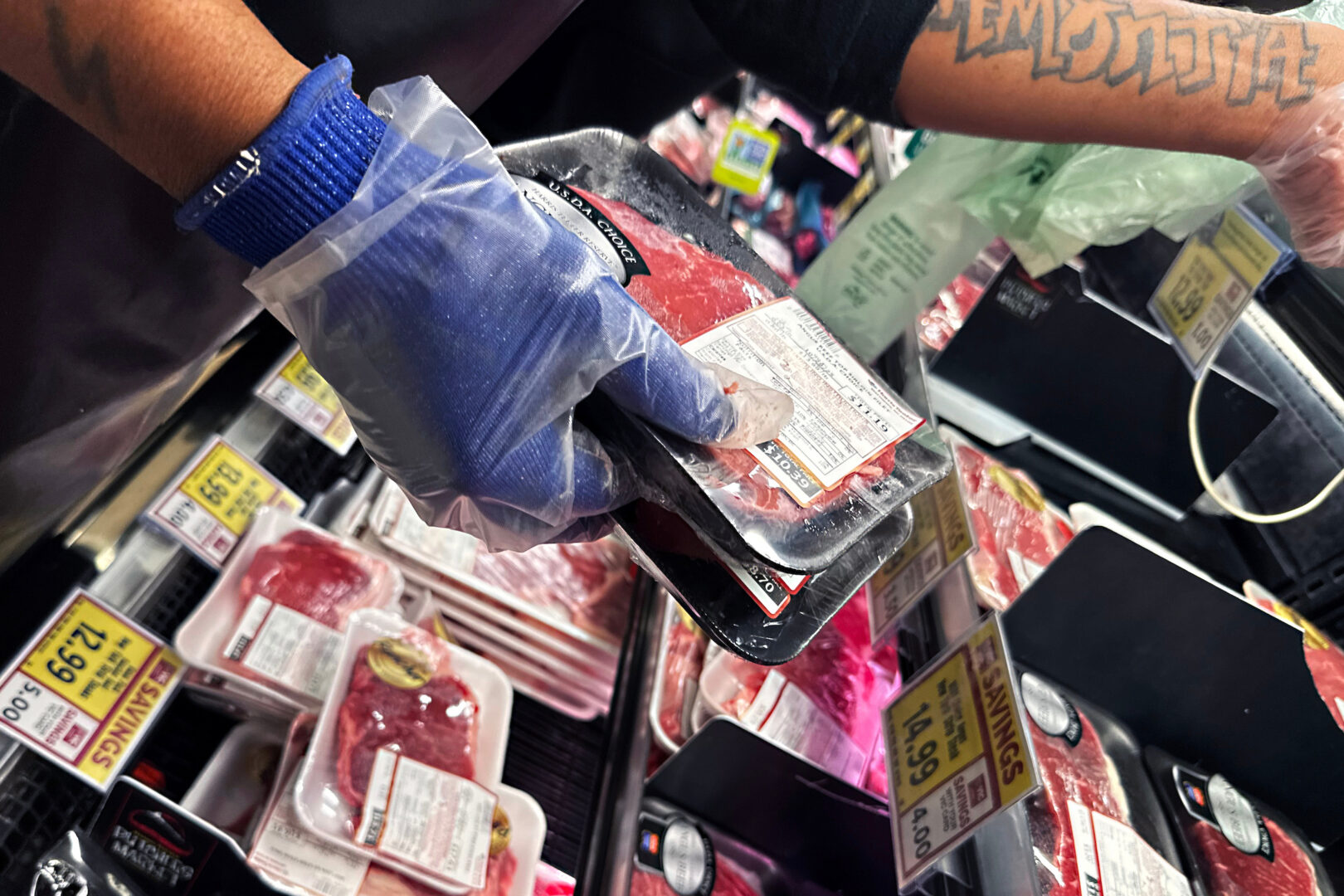
President Donald Trump’s latest economic initiative to curb consumer inflation—a temporary tariff-free allowance for up to 300,000 metric tons of foreign lean beef trimmings—has provoked a severe rift between the White House and the domestic cattle industry. Intended to bring down soaring grocery store prices for ground beef, the policy has drawn swift criticism from American ranchers, major agricultural trade groups, and conservative lawmakers, who warn that flooding the domestic market with subsidized foreign meat will undermine U.S. producers and endanger long-term food security.
The controversial proposal was unveiled via social media on Friday, when President Trump announced that his administration had reached an agreement with undisclosed foreign beef exporters. Under the arrangement, imported lean beef trimmings—used primarily to blend with higher-fat domestic trimmings to make ground beef—will enter the U.S. duty-free. Furthermore, Trump claimed to have secured a binding commitment that this foreign beef will be sold at 25 percent below current market rates.
A White House official confirmed shortly after the announcement that the president intends to sign a formal executive order within two weeks to establish the new duty-free quota. The official attributed current retail price spikes to supply shortages originating during the Biden administration, while asserting that the White House remains committed to working alongside domestic producers to rebuild the national herd over the long term.
Despite these assurances, the announcement triggered immediate volatility in commodity markets, causing live cattle futures to decline sharply on Friday morning. Cattle producers and agricultural associations contend that importing vast quantities of discounted foreign beef artificially depresses prices, disincentivizes herd expansion, and places domestic farmers at a severe competitive disadvantage. The policy has also reignited debates over safety protocols and country-of-origin labeling, with industry advocates warning that consumers may struggle to distinguish U.S.-raised meat from foreign imports.
Chronology: Escalating Tensions in the Agricultural Sector
The rollout of this policy follows a multi-year sequence of economic pressures, extreme weather events, and policy shifts that have brought the U.S. cattle industry to a critical juncture.
[Late 2024 – Early 2025] Persistent Drought & Wildfires
  └── Liquidation of U.S. cattle herds -> Lowest domestic herd sizes in decades.

[February 2026] Initial Beef Import Executive Order
  └── Trump signs EO opening U.S. market to 80,000 metric tons of Argentine beef.

[Spring – Summer 2026] Global Distortions & Rising Input Costs
  └── Middle East conflicts drive up diesel and fertilizer prices; ground beef retail costs surge.

[Friday Morning, August 2026] Social Media Announcement
  └── Trump announces plan for 300,000 metric tons of duty-free lean beef imports at 25% discount.
  └── Cattle futures fall sharply on commodity exchanges.

[Friday Afternoon, August 2026] White House Defense
  └── Trump defends policy at Joint Base Andrews; declines to name participating nations.

[Next Two Weeks (Upcoming)] Formal Executive Order
  └── White House scheduled to sign official order implementing new import quotas.
The underlying supply crisis began years earlier, as severe environmental conditions—including prolonged droughts across the High Plains and devastating wildfires in the West—forced ranchers to liquidate herds, resulting in the smallest U.S. cattle inventory in decades. As domestic supply contracted, retail beef prices steadily climbed, creating a political headache for Washington.
In February 2026, the administration took its first direct action by signing an executive order authorizing an additional 80,000 metric tons of beef imports from Argentina. Despite opposition from domestic farm groups at the time, retail ground beef prices remained elevated throughout the spring and summer, further compounded by rising operational costs for farmers, including spiked diesel and fertilizer prices driven by geopolitical tensions in the Middle East.
By late summer 2026, with cost-of-living concerns dominating national discourse ahead of the midterms, the White House opted for a far more aggressive intervention. Friday’s announcement of a 300,000 metric ton tariff exemption marks a nearly fourfold expansion over the February Argentine deal.
Supporting Data: Economic Metrics, Industry Spending, and Electoral Vulnerabilities
The Scale of Imports and Market Impact
The proposed 300,000 metric ton quota represents a major shift in trade policy for lean beef trimmings. By bringing in foreign supply guaranteed at a 25 percent discount relative to prevailing U.S. spot market prices, the administration aims to forcefully pull down consumer ground beef prices. However, market traders reacted immediately: live and feeder cattle futures on major exchanges dropped on Friday morning within hours of the post, reflecting investor anxiety that domestic cash cattle prices will be dragged down simultaneously.
Industry Political Alignment
The rift is notably acute given the historically staunch support agricultural organizations have extended to the Republican Party.
- National Cattlemen’s Beef Association (NCBA): According to campaign finance tracking from OpenSecrets.org, the NCBA’s political action committee and associated individual donors have consistently directed the vast majority of their contributions to GOP candidates:
- 2012–2022 Election Cycles: An average of at least 89 percent of total contributions went to Republican candidates.
- 2024 Election Cycle: GOP alignment peaked, with 95 percent of NCBA political contributions going to Republican federal campaigns.
This long-standing political alignment makes the current policy conflict unusually sensitive for the White House, as one of its most reliable donor and voting blocs openly breaks with executive policy.
NCBA Federal Campaign Contributions to the GOP
┌───────────────────────────────┬─────────────────────────┐
│ Election Cycle Range          │ GOP Contribution Share  │
├───────────────────────────────┼─────────────────────────┤
│ 2012 – 2022 Average           │ 89%                     │
│ 2024 Cycle                    │ 95%                     │
└───────────────────────────────┴─────────────────────────┘
Shift in Electoral Ratings in Agricultural Battlegrounds
The political fallout arrives as nonpartisan analysts revise ratings for key Senate and House contests across rural battlegrounds. Data from Inside Elections with Nathan L. Gonzales highlights a shifting political landscape:
- Iowa Senate: Shifted from Lean Republican to Tilt Republican.
- North Carolina Senate (Open Seat): Shifted from Toss-up to Tilt Democratic.
- Texas Senate: Shifted from Likely Republican to Lean Republican.
- Ohio’s 9th Congressional District (Rep. Marcy Kaptur): Rated as Tilt Republican, making it a key battleground where agricultural trade policy is central to debate.
With Senate Democrats needing a net gain of four seats to capture outright control of the chamber—assuming they hold all incumbent seats—friction in rural communities poses a distinct risk to the GOP’s legislative map.
Official Responses: Friction Across the Political Spectrum
The Administration’s Position
Speaking to reporters on Friday afternoon at Joint Base Andrews before departing Washington, President Trump defended the policy as a necessary step to relieve pressure on working families.
"We want to get the beef prices down, so we’ll get them down a little bit, and that’s what people want. That’s what the voters want, and that’s what I want. The ranchers are great—they’re my people," Trump said.
When pressed on which foreign nations were included in the duty-free agreement, the president declined to provide specific details:
"I don’t want to say which countries, but there are a few countries. But they are going to be sending in the highest-quality beef, and it’s something that we need."
Industry Leadership
Industry leaders rejected the assertion that importing discounted beef would resolve the underlying market imbalance. Colin Woodall, CEO of the National Cattlemen’s Beef Association, expressed deep disappointment in the administration’s direction.
"While America’s cattle producers share the goal of keeping groceries affordable for consumers, flooding the market with government-subsidized, below-market beef is not the way to rebuild the American cattle herd," Woodall stated. He emphasized that the sudden drop in cattle futures "sacrifices long-term stability for short term messaging" and actively deters ranchers from making the capital investments required to expand domestic production.
Capitol Hill Republicans and Rural Lawmakers
Republican lawmakers from cattle-producing states voiced immediate disapproval, highlighting the tension between the administration’s broader inflation goals and local agricultural interests.
-
Senator Tim Sheehy (R-Mont.): A key ally of the president, Sheehy revealed he had directly advised against the decision.
"American ranchers have been struggling against the packer monopoly for decades, and this will further harm them—most of whom are MAGA Republicans. The reality is this action will make it more difficult for American ranchers to rebuild our herd and bring prices down for the American people. And most importantly, this will harm our ranching families who feed the nation."
-
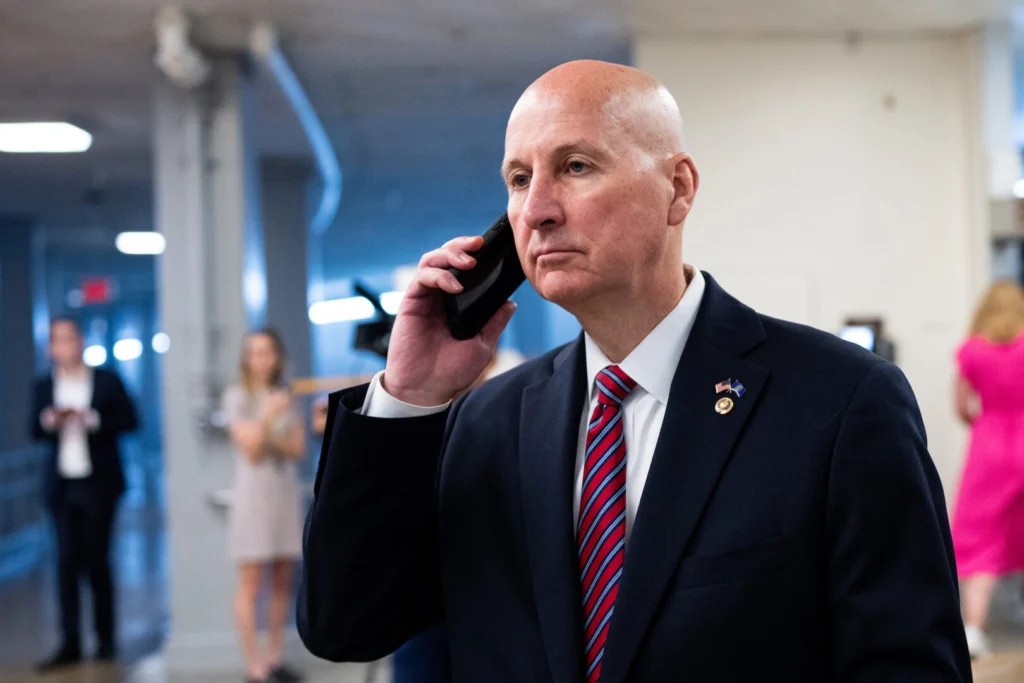
Senator Pete Ricketts (R-Neb.):
"Flooding the market with lower quality beef compromises Nebraska farmers and ranchers. They should be enabled to grow herd sizes and meet consumer demand."
-
Senator Deb Fischer (R-Neb.): Fischer, herself a lifelong cattle rancher, stressed that consumer relief should not come at the expense of domestic producers.
"We cannot [lower grocery prices] at the expense of American producers. Flooding the market with foreign beef hurts our livestock industry and undermines the long-term solution: growing the U.S. cattle herd to meet demand."
Independent and Democratic Candidates
Opponents and challengers quickly seized on the announcement to critique the administration’s trade and economic policies.
-
Dan Osborn (Independent candidate for Senate in Nebraska):
"Yes, we need lower beef prices, but we can’t do that by importing foreign beef at a discount, undermining our American ranchers and making them compete with lower foreign prices. Our ranching industry is already struggling, and this makes things way worse. This isn’t America First. President Trump needs to scrap this deal."
-
Representative Marcy Kaptur (D-Ohio):
"First, the President paid Argentina $20 Billion to send beef here. Now he’s importing another 300,000 metric tons of foreign beef to undercut American cattlemen. This is a slap in the face to ranchers, producers, and farmers in NW Ohio and across America."
Broader Economic and Political Implications
Economic Risks for Domestic Producers
The central economic friction lies in the long production cycle of beef cattle. Unlike poultry or swine, which can increase production rapidly, expanding a beef herd requires years of capital investment, pasture management, and breeding cycles.
When federal policy artificially depresses livestock prices via influxes of discounted foreign imports, domestic cattle producers face a compressed profit margin. Consequently, ranchers are more likely to liquidate existing herds or defer buying breeding heifers, compounding the long-term structural supply deficit within the United States. Furthermore, farm groups argue that without mandatory Country-of-Origin Labeling (COOL) and rigorous safety screenings, foreign meat products dilute brand trust for domestic beef while benefiting meatpackers who can buy cheaper foreign inputs and re-sell them at higher retail margins.
Electoral Fallout Ahead of the Midterms
Politically, the policy arrives at a delicate moment for the Republican party. Rural voters have formed a foundation of the GOP coalition over recent electoral cycles. However, sustained inflationary pressures, coupled with rising operational costs for diesel, fertilizer, and equipment, have thinned margins for agricultural operations.
By introducing policies that directly conflict with the economic interests of domestic cattle producers, the White House risks eroding enthusiasm among rural voters in key states like Iowa, Nebraska, Montana, and Texas. With control of the Senate hanging in the balance, even minor shifts in rural turnout or margins could carry decisive consequences for the balance of power in Washington.