Main Facts of the Case
A Sacramento County community is mourning the loss of 38-year-old Shalini Thakur, who was fatally shot outside a local Panera Bread restaurant on Tuesday. The perpetrator, identified by federal authorities as Rohit Rohit, was an undocumented immigrant from India who had subjected Thakur to a relentless, multi-month campaign of stalking and harassment. Despite Thakur securing a formal restraining order against him, the legal protections failed to prevent the fatal encounter.
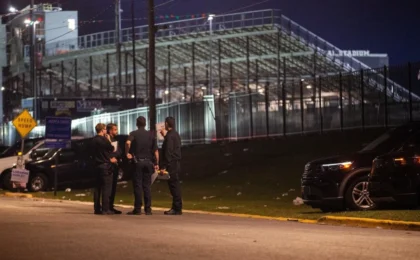
According to statements released by the Department of Homeland Security (DHS) and local law enforcement, the incident occurred in a commercial parking lot in Sacramento County. Thakur was standing near her vehicle when Rohit approached her. Recognizing her stalker, Thakur attempted to flee on foot. Rohit pursued her, cornered her, and shot her in the head. He then fled the scene in a vehicle.
Responding police officers quickly located Rohit’s vehicle and initiated a pursuit. Before officers could apprehend him, Rohit turned the firearm on himself, committing suicide.
The tragedy has quickly escalated into a national flashpoint, highlighting systemic vulnerabilities at the intersection of immigration enforcement, gig-economy vetting processes, and the legal mechanisms designed to protect victims of domestic violence and stalking.
Chronology of Events
The tragic intersection of Shalini Thakur’s life and Rohit Rohit’s actions developed over the course of a year, marked by systemic failures at federal, state, and local levels.
+-----------------------------------------------------------------------+
|                              TIMELINE                                 |
+-----------------------------------------------------------------------+
|  Aug 2023: Rohit enters US illegally; detained & released by Border   |
|            Patrol with a court date.                                  |
|  Late 2023: Rohit works as DoorDash driver; begins interacting with    |
|            Thakur.                                                    |
|  Jan 2024: Thakur discovers an Apple AirTag tracking device hidden    |
|            under her car hood.                                        |
|  Early 2024: Rohit's behavior escalates (tire deflation, unauthorized |
|              apartment entry via duplicated key).                     |
|  May 2024: Thakur obtains a formal restraining order.                 |
|  July 2024: Rohit continues stalking Thakur despite legal restrictions.|
|  Tuesday:  Rohit fatally shoots Thakur near her car, then commits      |
|            suicide during a police pursuit.                           |
+-----------------------------------------------------------------------+
August 2023: Illegal Entry and Release
Rohit Rohit entered the United States illegally through the Arizona border. He was apprehended by agents of the U.S. Border Patrol. Under the administrative guidelines of the current federal administration, Rohit was processed and subsequently released into the interior of the United States. He was issued a Notice to Appear (NTA) at a future immigration court hearing, a practice commonly critiqued by border security advocates as "catch-and-release."
Late 2023: The Unwanted Connection
Following his release, Rohit migrated to California, where he began working as a delivery driver for the gig-economy platform DoorDash. It was through this employment that he first encountered Thakur. Rohit began parking his vehicle outside Thakur’s Sacramento County residence for hours at a time, initiating daily, unsolicited conversations with her.
January 2024: Escalation to Technological Stalking
By early 2024, Rohit’s infatuation turned into aggressive surveillance. In January, Thakur discovered an Apple AirTag hidden under the hood of her vehicle, which Rohit had placed there to track her movements in real time.
During this period, Rohit’s behavior grew increasingly coercive. He reportedly demanded that Thakur marry him, attempted to isolate her from her social network, and threatened to commit suicide or inflict violence on anyone she associated with.

Spring 2024: Physical Intrusion and Sabotage
The harassment escalated from digital tracking to physical sabotage and home invasion. Authorities report that Rohit deflated Thakur’s car tires on multiple occasions, subsequently following her to work under the guise of a "good Samaritan" offering assistance.
Furthermore, Rohit managed to surreptitiously obtain a copy of Thakur’s apartment key, using it to enter her home while she was asleep.
May 2024: The Legal Intervention
Fearing for her life, Thakur petitioned the court and was granted a formal restraining order against Rohit. The order legally prohibited him from contacting or coming within a specified distance of Thakur, her home, or her workplace.
July 2024: Continued Violations
Despite the active court order, Rohit continued to stalk Thakur throughout the summer. Family members state that Thakur repeatedly notified local law enforcement of these ongoing violations, but no effective intervention occurred to detain Rohit or neutralize the threat.
Tuesday: The Fatal Confrontation
The stalking campaign culminated in the parking lot of a Sacramento County Panera Bread. Rohit ambushed Thakur near her vehicle. When she attempted to run, he chased her down and executed her. He subsequently died of a self-inflicted gunshot wound as law enforcement officers closed in.
Supporting Data and Contextual Background
This case brings to light several critical areas of public policy and safety, including the efficacy of restraining orders, security protocols within the gig economy, and the tracking of undocumented individuals.
The Failure of Restraining Orders
Domestic violence advocates have long pointed out the limitations of civil restraining orders, often describing them as "just a piece of paper" if not backed by rigorous law enforcement monitoring and swift consequences for violations. According to national criminal justice data, a significant percentage of stalkers violate protective orders. In cases where the stalker exhibits high-risk behaviors—such as technological tracking, home invasion, and threats of suicide—the likelihood of lethal escalation increases exponentially.
Gig-Economy Background Checks
The revelation that Rohit worked as a DoorDash delivery driver raises pressing questions about how undocumented individuals with no legal authorization to work in the United States are utilizing gig-economy platforms.
+-------------------------------------------------------------+
|               GIG ECONOMY VETTING LOOPHOLES                 |
+-------------------------------------------------------------+
|  1. Identity Sharing: Rented or purchased courier accounts. |
|  2. Synthetic Identities: Use of falsified SSNs/documents.  |
|  3. Background Check Limits: Lack of cross-referencing     |
|     with federal immigration databases.                      |
+-------------------------------------------------------------+
While companies like DoorDash mandate background checks for their couriers, the system is vulnerable to exploitation. Industry analysts note that illegal immigrants frequently bypass these checks by:

- Using rented or purchased courier accounts from legitimate users.
- Utilizing synthetic identities or fraudulent Social Security numbers.
- Operating in jurisdictions where local "sanctuary" laws restrict the sharing of data between local employers, background check agencies, and federal immigration databases.
The Use of Tracking Technology in Stalking
The discovery of an Apple AirTag under Thakur’s car hood highlights the growing trend of "tech-facilitated stalking." While companies like Apple have introduced security updates—such as sending alerts to iPhone users if an unrecognized AirTag is moving with them—these safety measures are less effective for individuals using non-iOS devices or those who may not understand the alerts.
Official Responses and Political Fallout
The homicide-suicide has triggered fierce reactions from federal officials, the victim’s family, and local advocacy groups, reigniting the national debate over border security and sanctuary policies.
Department of Homeland Security Statement
A spokesperson for the Department of Homeland Security issued a sharp condemnation of the policies that allowed Rohit to remain in the country:
"This tragedy would have been completely avoided if it weren’t for the Biden administration releasing this killer into our country. Sanctuary politicians must put an end to reckless policies that play Russian roulette with American lives. Our thoughts and prayers are with the victim and her family."
The statement reflects the ongoing tension between federal immigration enforcement agencies and local jurisdictions that enforce "sanctuary" policies, which limit cooperation with Immigration and Customs Enforcement (ICE).
Grieving Family Blames Systemic Inaction
Thakur’s mother, Sudesh Kumari, expressed profound grief and anger over what she described as a total failure by local law enforcement to protect her daughter:
"She could have been saved. She told police so many times. She called them, but nobody did anything."
The family’s testimony suggests that despite multiple reports of stalking, tire deflation, key duplication, and restraining order violations, the criminal justice system failed to treat Rohit as an imminent threat.
Silence from Corporate Entities
At the time of reporting, DoorDash has not issued a formal response to inquiries regarding Rohit’s employment status, the vetting processes utilized to approve his account, or what measures are being taken to prevent similar security lapses in the future.

Implications and Systemic Failures
The death of Shalini Thakur is not an isolated incident; rather, it is a tragic case study in how multiple regulatory, legal, and enforcement systems can fail simultaneously.
+--------------------------------------------------------------------------+
|                        INTERSECTING SYSTEMIC FAILURES                    |
+--------------------------------------------------------------------------+
|  FEDERAL IMMIGRATION   -->  Border apprehension followed by release      |
|  POLICY                     into the interior with delayed court dates.  |
|                                                                          |
|  GIG-ECONOMY VETTING   -->  Inability to prevent undocumented/unvetted   |
|                             individuals from accessing delivery jobs.    |
|                                                                          |
|  LOCAL LAW             -->  Inadequate response to repeated violations   |
|  ENFORCEMENT                of active civil restraining orders.          |
+--------------------------------------------------------------------------+
The Border Security and Release Debate
This case will undoubtedly be used by proponents of stricter border controls to argue against the practice of releasing apprehended migrants into the U.S. interior. Critics argue that without comprehensive tracking and quicker judicial processing, individuals who pose a danger to society can easily slip through the cracks, adopt false identities, and commit violent crimes.
Re-evaluating Restraining Order Enforcement
For law enforcement agencies, the tragedy underscores the need for a paradigm shift in how stalking complaints are handled. When a victim presents evidence of escalating behavior—such as the unauthorized duplication of home keys and GPS tracking—the response must transition from a civil matter to an active criminal investigation.
Corporate Responsibility in the Gig Economy
As gig-economy platforms continue to dominate the service sector, pressure is mounting on companies to implement biometric verification and real-time identity checks. Ensuring that the person operating the delivery vehicle is the vetted individual approved by the platform is no longer just an issue of labor compliance; it is a critical matter of public safety.
The loss of Shalini Thakur stands as a stark reminder of the human cost when border security, corporate oversight, and local law enforcement fail to align to protect the vulnerable.
If you or someone you know is experiencing domestic violence, stalking, or harassment, please contact the National Domestic Violence Hotline at 1-800-799-SAFE (7233).
This story discusses suicide. If you or someone you know is having thoughts of suicide, please contact the Suicide & Crisis Lifeline by dialing 988 or calling 1-800-273-TALK (8255).