The geopolitical landscape of the Middle East has fractured further as the United States and Iran move toward a direct and potentially catastrophic military confrontation. Following a collapse in fragile ceasefire negotiations, the region is witnessing a rapid expansion of hostilities, now involving critical maritime chokepoints and threatening the global economic order.
Main Facts: A Region on the Brink
The Middle East is teetering on the edge of a conflict that could redefine the global energy market for years to come. On Thursday, the fragile status quo in the Persian Gulf and the Red Sea evaporated as Iran and the United States threatened an intensification of military strikes. The trigger for this latest surge in volatility was a coordinated attack by Houthi rebels on Saudi Arabian shipping, an act that has effectively weaponized the Red Sea and sent international oil prices skyrocketing past the $100-a-barrel threshold for the first time since May.
President Donald Trump, adopting a hardline posture, has explicitly signaled that the United States holds Tehran directly accountable for the actions of its Houthi proxies. Warning of "major military punishment," the White House has moved to bolster its regional presence, even as the conflict begins to produce domestic political fallout in Washington. With a 7% spike in Brent crude prices, global markets are signaling deep anxiety, fearing that the intersection of a blockade in the Strait of Hormuz and the emerging crisis in the Red Sea could trigger a global inflationary shock.
Chronology: The Breakdown of Diplomacy
The current escalation is not an isolated event but the culmination of a weeks-long breakdown in diplomatic efforts.

- Early July 2026: A brief, tenuous ceasefire provided a flicker of hope for regional stability, but it dissolved within weeks, exposing the deep-seated distrust between Washington and Tehran.
- July 15, 2026: Iran formally threatened to shutter vital international seaways in response to renewed US-led blockades, setting the stage for the current maritime standoff.
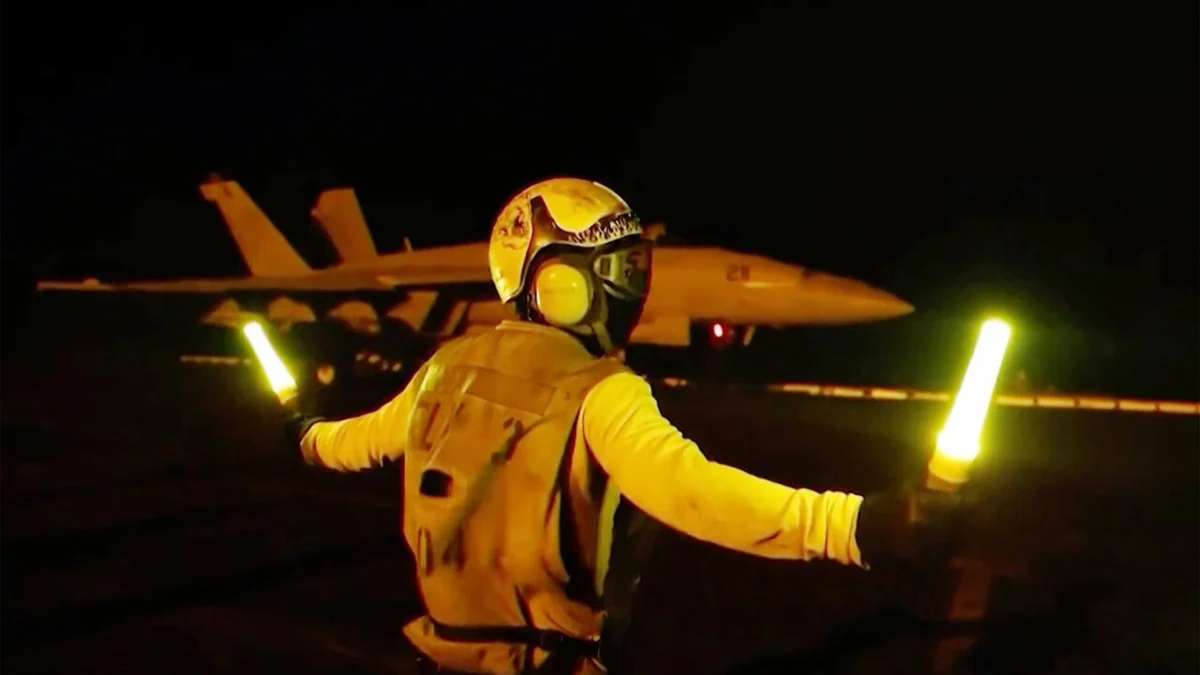
- July 20, 2026: The conflict turned kinetic as US Central Command initiated the first of 12 consecutive nights of targeted strikes, aimed at degrading Iranian infrastructure and coastal military assets.
- July 22, 2026: The war took a tragic turn as the US held solemn ceremonies for fallen service members killed in strikes across Jordan and Iraq, signaling the mounting human cost of the engagement.
- July 23-24, 2026: Houthi rebels officially entered the fray, declaring a naval blockade against Saudi ports. Simultaneously, Iranian military spokespeople confirmed that retaliatory strikes would continue as long as US aggression persists.
The Economic Implications: A Looming Energy Shock
The economic consequences of this conflict are immediate and severe. As the Strait of Hormuz—the world’s most important oil transit point—becomes a contested zone, the secondary theater of the Red Sea has introduced a new layer of risk.
European Central Bank President Christine Lagarde has issued a stark warning regarding the "energy shock," suggesting that the current instability is likely to fuel further inflation across the eurozone. This has prompted widespread speculation that the ECB may be forced to initiate a series of aggressive interest rate hikes as early as September to counteract the inflationary pressure caused by energy shortages.
German Defence Minister Boris Pistorius echoed these concerns, stating that there is "nothing—absolutely nothing—to suggest that a ceasefire, let alone peace, could be reached." For energy-importing economies, the current trajectory is a recipe for a sustained recessionary environment. The ability of Saudi Arabia to bypass the Strait of Hormuz is now in jeopardy, as the Houthi-led attacks on tankers like the Encelia and the Layla prove that there are few, if any, safe havens for commercial shipping in the region.
Official Responses and Diplomatic Maneuvering
The international community is scrambling to find a diplomatic off-ramp, though success appears unlikely in the current climate.

The View from Washington
US Secretary of State Marco Rubio, speaking from the sidelines of a summit in Manila, framed the Houthi involvement as a strategic error fueled by Iranian manipulation. "The Houthis largely were smart and stayed out of all this throughout the conflict," Rubio noted. "But they now apparently have gotten themselves suckered into this… I hope they will de-escalate, because I think the Houthis, frankly, got snookered into this thing by the Iranians."
The United Nations’ Alarm
United Nations Secretary-General Antonio Guterres delivered a grim assessment to the Security Council, warning that the situation is "teetering on the edge of the unimaginable." Guterres emphasized the cascading nature of the crisis, where each military strike triggers a retaliatory response, creating a feedback loop of violence that the international body is currently unable to contain.
Regional Mediation Efforts
Oman, long recognized as a neutral broker in Middle Eastern conflicts, has expressed "great concern" and confirmed that it is working behind the scenes to facilitate a return to the negotiating table. However, with the Iranian Revolutionary Guards reporting the successful obstruction of oil tankers and the US military continuing its campaign of degradation, the space for traditional diplomacy is shrinking rapidly.
The Domestic Political Front in the US
The conflict is becoming an increasingly contentious issue within the United States. With the November midterm elections on the horizon, the war has become a liability for the administration. In a striking move, the US House of Representatives recently passed a symbolic resolution—supported by both opposition Democrats and a dissident faction of Republicans—demanding an immediate cessation of the conflict.

This political friction highlights the divide between the White House’s "major military punishment" strategy and a growing weariness among US lawmakers who fear the regional war could spiral into a prolonged, resource-draining commitment. The reported loss of life in border skirmishes and the targeting of the Bushehr nuclear facility—a move seen as a major red line by Tehran—have only served to harden the resolve of both sides.
The Strategic Outlook: A Global Bottleneck
The tactical reality on the ground—or rather, on the water—is that the global supply chain is being held hostage. The Strait of Hormuz, through which approximately 20% of the world’s oil previously flowed, is now a theater of naval skirmishes. The Houthi-led blockade of Saudi shipping represents an evolution in asymmetric warfare, utilizing drones and missile strikes to project power far beyond the borders of Yemen.
As the conflict progresses, the primary concern for global powers is the "contagion effect." If the attacks on commercial tankers continue, the insurance premiums for maritime shipping will skyrocket, effectively pricing smaller economies out of the energy market. Furthermore, the risk of a "wrongful aggression" leading to a broader regional war—involving countries like Jordan, Kuwait, and Iraq, which have already seen drone and missile activity—remains high.
The next few weeks will be critical. If the United States continues its degradation campaign against Iranian coastal assets and the Iranian Revolutionary Guards respond with further disruptions to maritime traffic, the global economy may be forced to confront a reality it has not seen in decades: a total, systemic collapse of the energy-transit infrastructure that underpins the modern world. For now, the world watches and waits, hoping that the rhetoric of "punishment" and "retaliation" gives way to the pragmatism of survival.