Natural light is far more than a simple aesthetic preference; it is a fundamental pillar of residential architecture that dictates the emotional resonance, functional utility, and long-term value of a property. For prospective homebuyers, the way sunlight dances across a floorboard or floods a kitchen at dawn can be the deciding factor between a house and a home. As the real estate market continues to evolve, understanding the nuances of solar exposure has become an essential skill for savvy buyers.
In this deep dive, we explore the multifaceted role of natural light, offering expert insights on how to evaluate a property’s brightness, the impact of architectural orientation, and why "sun-readiness" should be at the top of your checklist.
The Core Significance of Natural Light in Real Estate
When a potential buyer steps across the threshold of a new property, the "feel" of the space is often the first, and most lasting, impression. A home bathed in natural light tends to feel more expansive, energetic, and clean. Beyond the psychological benefits—such as improved mood and circadian rhythm regulation—natural light serves as a practical asset. It reduces reliance on electricity during daylight hours, lowers heating costs in colder months through passive solar gain, and highlights the architectural character of a space.
Todd Bartusek, a seasoned Realtor at All Metro Real Estate Group, emphasizes that light is a primary driver of market appeal. "Natural light is one of the most sought-after features buyers look for because it makes a home feel brighter, more open, and more welcoming," says Bartusek. "Homes with abundant natural light often leave a stronger first impression and can stand out in a competitive market, regardless of the price point."
Chronology of Solar Exposure: Understanding Orientation
To master the art of the home tour, one must understand the geography of the sun. A home’s orientation—the direction its primary windows face—serves as the blueprint for its light cycle.
The Morning Glow (East-Facing)
Rooms facing east capture the sunrise. This is ideal for kitchens and breakfast nooks, where morning light creates an invigorating start to the day. However, this light wanes by the afternoon, meaning these rooms are often cooler and dimmer as the day progresses.
The Steady Stream (South-Facing)
In the Northern Hemisphere, south-facing windows are the "gold standard." They provide the most consistent, balanced, and warm light throughout the day. These spaces are excellent for living rooms and primary gathering areas where homeowners spend the majority of their time.
The Evening Ambiance (West-Facing)
West-facing rooms are the domain of the sunset. While they can be quite hot in the summer afternoons, they offer a dramatic, warm, and golden glow in the late hours, making them perfect for dining rooms or reading nooks.
The Soft Diffused Light (North-Facing)
North-facing windows receive indirect, constant, and cool light. While this may sound like a disadvantage, it is highly prized by artists and those who work from home, as it prevents the harsh glare and shadows associated with direct sunlight, providing a steady illumination that is easy on the eyes.
Architectural Influence: Beyond the Windowpane
Architecture is the vessel through which light travels. It is not enough to simply count windows; one must observe how the structural design of the home interacts with the sun’s path.
Beth Caldarello, managing partner at The Agency Santa Fe, notes that light is an architectural material in its own right. "The light in homes is not only important; it’s part of the architecture," Caldarello explains. "Sometimes it can be an old adobe with low ceilings and skylights that capture the light at certain times of day, making you feel like you are experiencing how someone lived in that home in the early 1900s. Other times, it’s strategically placed windows that let the light in and allow the sky to act as art."
Key Architectural Factors to Watch:
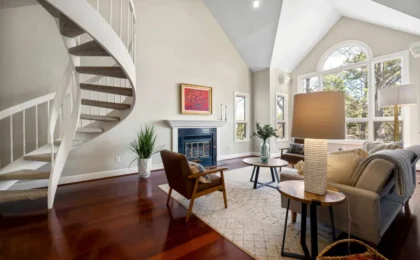
- Ceiling Height: Vaulted or high ceilings allow light to penetrate deeper into the center of a room, preventing the "cave effect" often found in older, compartmentalized floor plans.
- Open Floor Plans: Walls act as barriers to light. Open-concept layouts allow sunlight to travel from one side of the house to the other, creating a more cohesive and airy environment.
- Skylights and Clerestory Windows: These features are lifesavers for interior rooms or hallways that would otherwise remain dark.
External Surroundings: The Hidden Obstructions
A home’s brightness is not solely defined by its build; it is heavily influenced by its environment. During a property viewing, take a moment to look out of the windows before looking in.
"Natural light is one of the most valuable features a home can offer," says Andrea Ronning, broker at Aspen+Pine Realty. "It doesn’t just brighten a room—it frames the ever-changing beauty outside, from morning sun filtering through the trees to the sparkle of snow and the golden evening light."
When evaluating a home, identify potential light-blockers:
- Mature Trees: While beautiful, a dense canopy of oak or pine can significantly dim a home, particularly on the south side.
- Neighboring Structures: In dense urban environments like Arlington or Seaford, neighboring buildings can cast long, persistent shadows.
- Topography: If a house is built into a hillside, the slope may block direct sunlight during specific hours of the day.
Supporting Data: Leveraging Modern Tools
In the digital age, buyers no longer have to rely on intuition alone. Technologies like Redfin’s Sunscore provide a data-driven look at how much direct sunlight a specific address receives. This allows buyers to move beyond the "vibe" of a home and into a quantitative analysis of its light potential. By combining this data with on-site observations, buyers can make informed decisions that align with their lifestyle needs.
The Practical Strategy: How to Evaluate a Home
To truly understand how a home functions, you must view it through the lens of your own daily routine. Michelle Maloney of Maloney Real Estate offers a crucial piece of advice: "The house you tour on a beautiful June afternoon is the same house you’ll be living in on a gray Tuesday in February."
A Buyer’s Checklist for Light Evaluation:
- The Multi-Visit Strategy: If you are serious about a property, try to visit it at least twice. Once in the morning and once in the late afternoon. This reveals the "light shift" of the property.
- Check the Paint and Finishes: Light colors and high-gloss finishes reflect light, while dark, matte surfaces absorb it. If a home feels dark, consider if a simple change in decor could solve the issue or if the problem is structural.
- Test the "Artificial-to-Natural" Transition: Visit the home just as the sun is beginning to set. Note how quickly the rooms transition into darkness and whether the home’s layout feels functional without overhead lighting.
Implications: Making the Right Choice
Choosing a home is a permanent commitment to a specific environment. If you are someone who works from home, a well-lit office is not a luxury—it is a requirement for productivity and mental well-being. If you are an avid cook, a dark kitchen can be a source of frustration.
Ultimately, evaluating natural light is about aligning your physical space with your lifestyle. By paying attention to orientation, architectural design, and the subtle shifts of the sun throughout the day, you can ensure that your next home is not just an investment in property, but an investment in your daily quality of life. Whether you are navigating the historic charm of a Virginia estate or the modern convenience of a Delaware townhouse, prioritize the light—it is the one feature that makes every other design element shine.