Main Facts of the Investigation
In an unprecedented clash between state prosecutors and federal law enforcement, New Mexico Attorney General Raúl Torrez announced a formal criminal investigation into the U.S. Drug Enforcement Administration (DEA). The probe centers on shocking allegations that federal agents knowingly permitted hundreds of thousands of lethal fentanyl pills to flood New Mexico communities. According to state officials and whistleblowers, these shipments were allowed to reach their destinations unhindered while federal investigators attempted to build larger conspiracy cases against drug cartels.
The state-level inquiry will explore a wide range of legal remedies. Attorney General Torrez confirmed that his office is actively preparing for potential criminal prosecutions of individual federal actors, civil litigation against the agency, and the pursuit of court-ordered structural reforms. The investigation aims to establish whether federal agents acted with reckless disregard for human life by letting highly addictive and deadly synthetic opioids enter the illicit market.
"The families who have lost children, siblings, and parents to fentanyl deserve the truth about what the federal government knew and what it failed to do," Torrez said in a public statement. "If the DEA stood by while poison flooded our communities, that is not a bureaucratic failure. It is a betrayal of the people it was sworn to protect."
The state’s investigation was catalyzed by a damning investigative report from The Associated Press, which detailed how DEA personnel repeatedly monitored illicit shipments of synthetic opioids without intervening or seizing the contraband. The revelation has ignited a firestorm in New Mexico, a state that has historically borne a disproportionate share of the national opioid epidemic.
Chronology of the Alleged Operations (2023–2026)
To understand the scope of the state’s criminal investigation, it is necessary to examine the timeline of events that led to this public rupture between Santa Fe and Washington, D.C.
[2023 – 2025] ----------------> [April 28, 2025] -------------> [June 12, 2026] -----------> [June 2026]
DEA monitors but fails          DEA conducts high-profile      Whistleblower David          AG Torrez launches
to seize major fentanyl         seizure of fentanyl pills,     Howell goes public;          criminal investigation
shipments in New Mexico.        hiding ongoing pass-throughs.  AP exposes operations.       after Gov. demand.
2023–2025: The Monitored Pass-Throughs
During this two-year window, DEA field offices operating within the Southwest region—specifically targeting trafficking routes running through New Mexico—reportedly utilized a highly controversial investigative tactic. Rather than intercepting bulk shipments of fentanyl at the border or during transit, agents allegedly tracked these shipments using surveillance, electronic intercepts, and confidential informants.
The shipments were permitted to proceed to their final distribution points in local neighborhoods, under the operational theory that monitoring the deliveries would eventually lead investigators to high-level cartel kingpins.
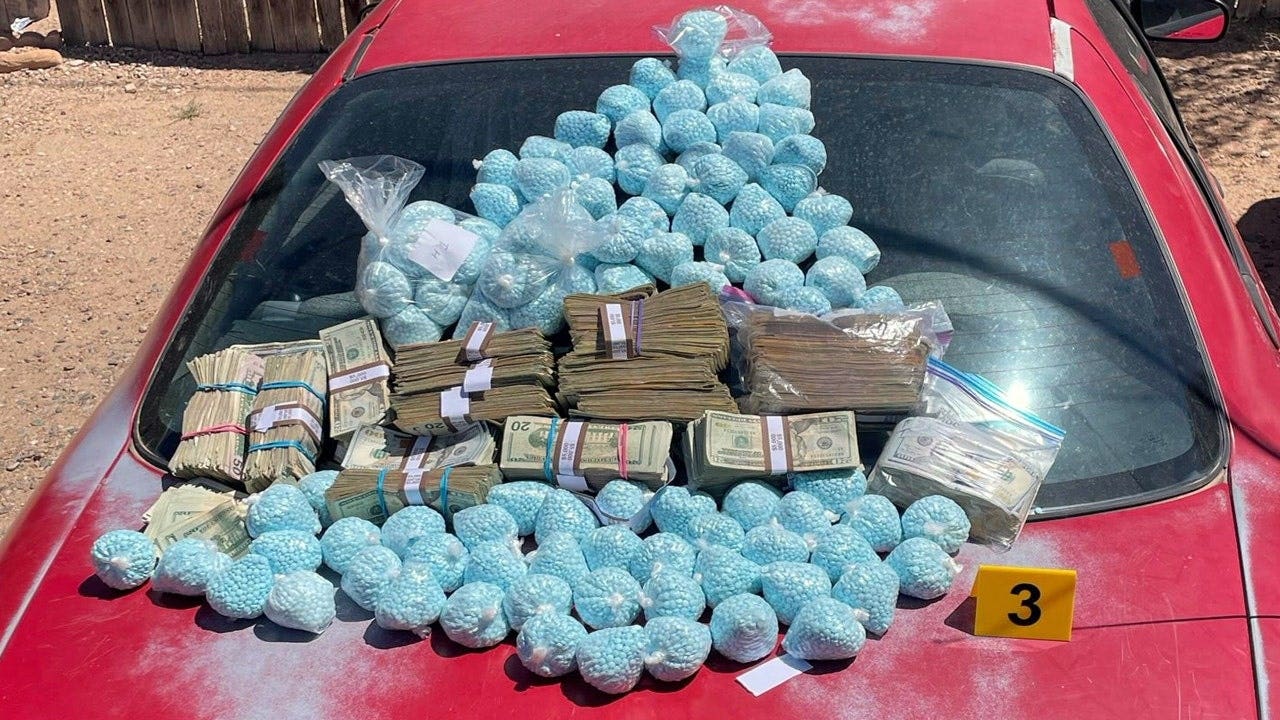
April 28, 2025: The Public Seizure Paradox
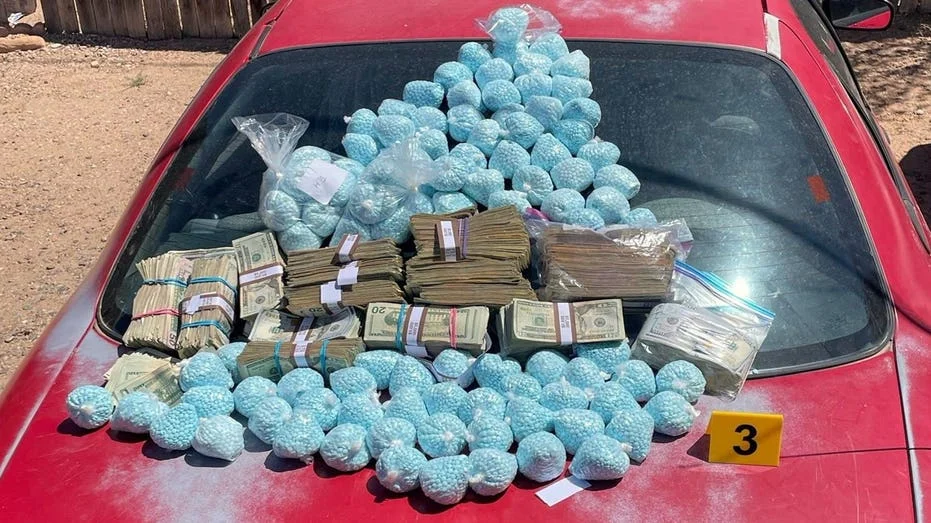
While some shipments were allowed to slip through to build cases, others were intercepted to maintain public-facing metrics. On this date, the DEA executed a major seizure of fentanyl pills in New Mexico, heavily promoting the bust to demonstrate the agency’s proactive stance against the synthetic drug epidemic.
Internal critics later alleged that such seizures were selectively timed, masking a broader pattern of "controlled deliveries" where drugs were allowed to "walk" into local communities.
June 12, 2026: The Whistleblower Steps Forward
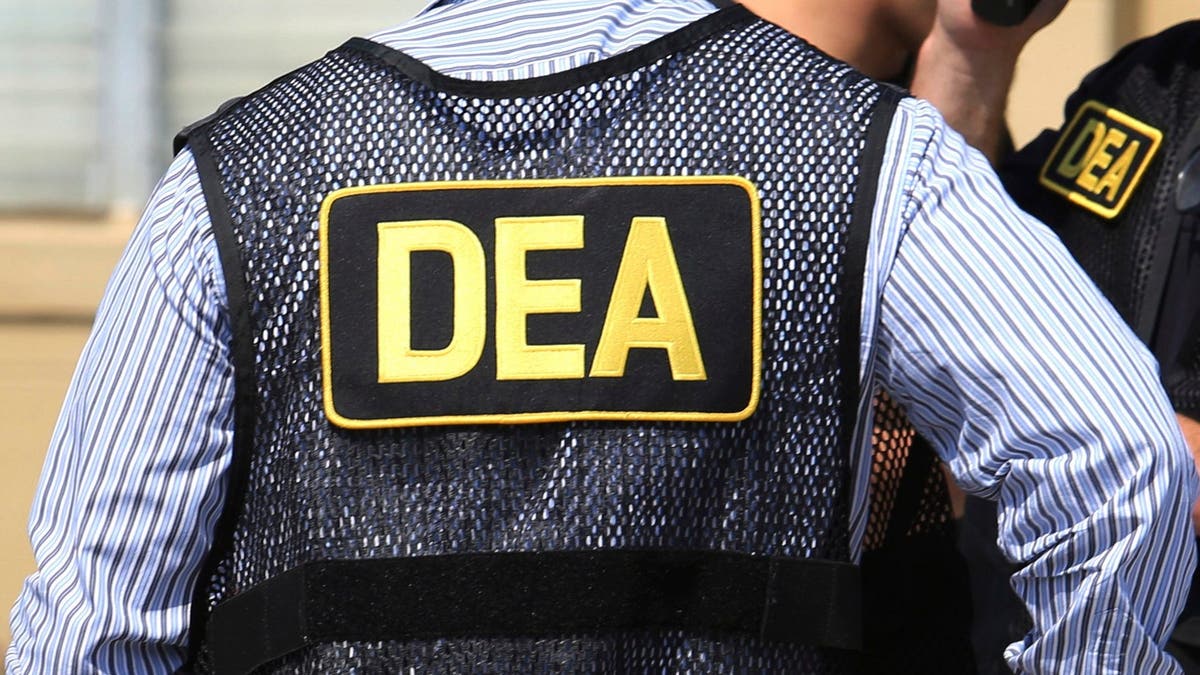
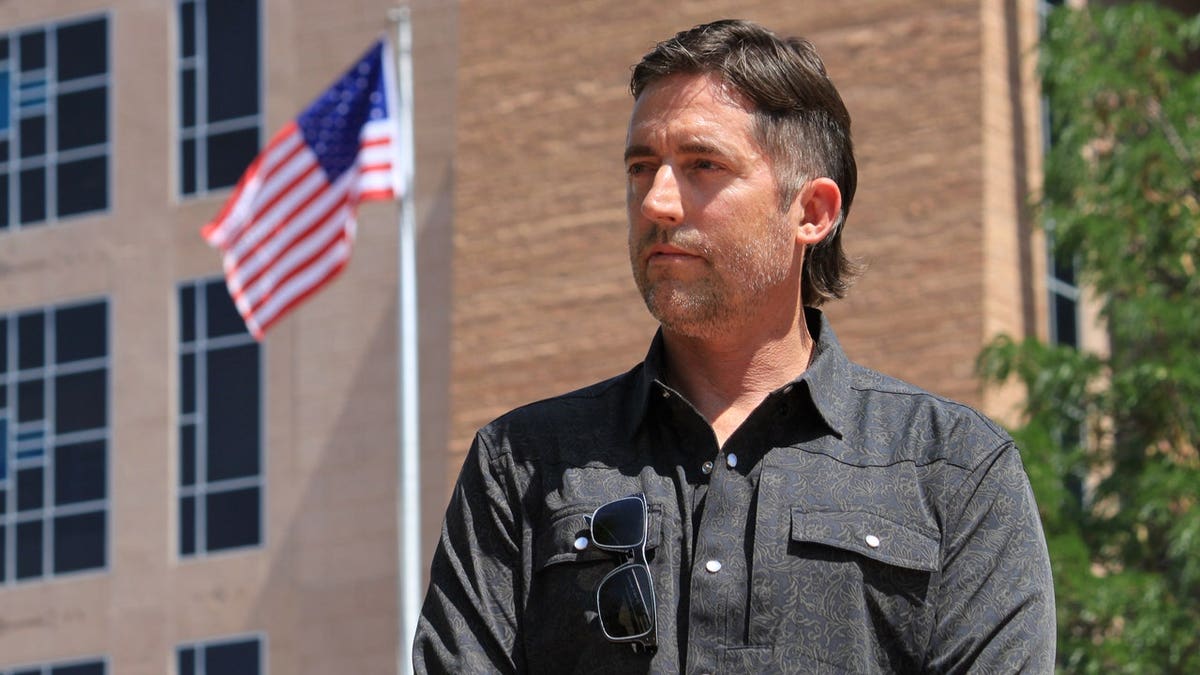
The operational secrecy surrounding these investigative methods collapsed when DEA Special Agent David Howell filed a formal whistleblower complaint. Standing outside the U.S. District Courthouse in Albuquerque, New Mexico, Howell went public with his allegations.
He asserted that the agency’s tactics bypassed standard safety protocols, actively endangered civilian lives, and directly violated longstanding Department of Justice (DOJ) guidelines regarding the handling of hazardous contraband.
Mid-June 2026: Political Demands and Launch of the State Probe
Within days of the whistleblower’s public disclosures and subsequent media reporting, New Mexico Governor Michelle Lujan Grisham issued a blistering condemnation of the federal government, formally calling on the state’s Attorney General to open an independent criminal investigation.
On Friday, June 19, 2026, Attorney General Raúl Torrez officially launched the state-level probe, marking one of the most significant legal confrontations between a state justice department and a federal law enforcement entity in modern history.
Supporting Data and Key Evidence
At the heart of the criminal investigation are specific operational details that state investigators believe demonstrate systemic negligence, if not criminal liability, on the part of federal handlers.
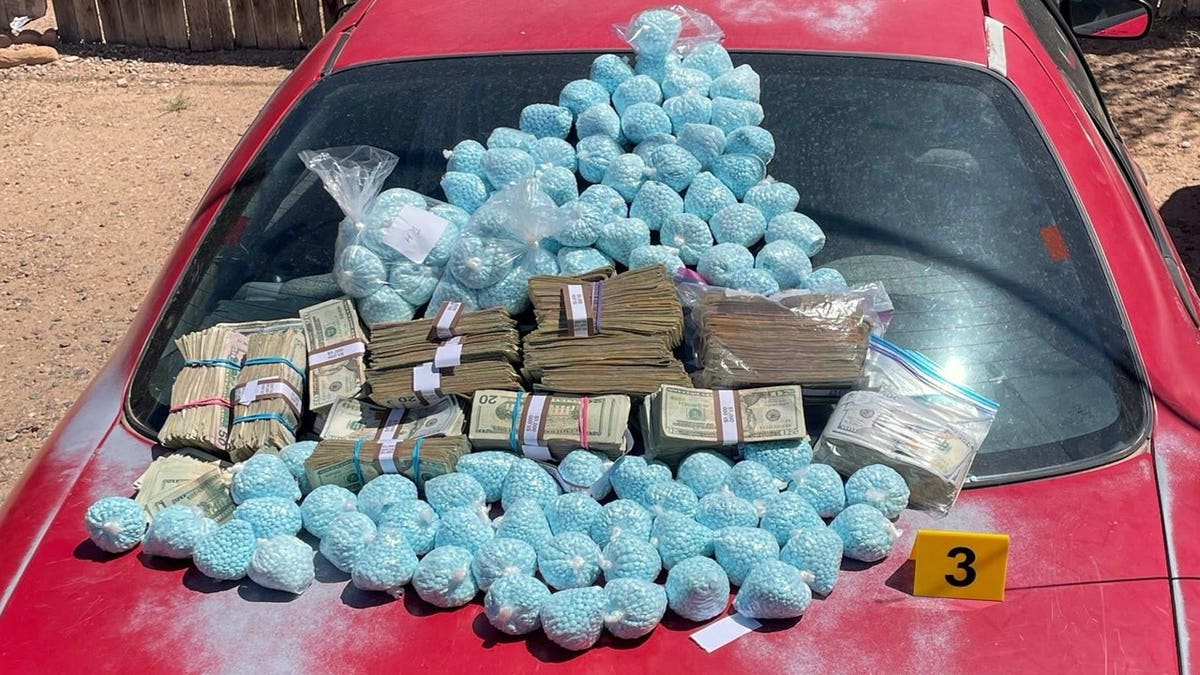
The Albuquerque Mobile Home Park Incident
The most egregious case file currently under review by the Attorney General’s office involves a monitored delivery to a mobile home park in Albuquerque. According to internal documents and whistleblower testimony, DEA agents monitored the transit and delivery of approximately 74,000 fentanyl pills to the residential community.
Despite having precise intelligence, tracking capabilities, and an exact count of the pills, federal operators chose not to intercept the shipment. The drugs were subsequently distributed onto the streets of Albuquerque.
74,000 Fentanyl Pills Monitored -> Delivered to Albuquerque Mobile Home Park -> No DEA Interception -> Distributed LocallyThe Lethal Reality of Fentanyl Exposure
To put these shipments into perspective, state prosecutors are compiling data on the lethality of the quantities allowed to enter New Mexico:
- Lethal Dosage: The DEA’s own public safety literature states that as little as 2 milligrams of fentanyl can be a lethal dose, depending on a person’s body size, tolerance, and past usage.
- Potential Fatalities: A single shipment of 74,000 pills, if containing standard illicit concentrations of fentanyl, possesses enough pure synthetic opioid to deliver lethal doses to hundreds of thousands of individuals.
- Local Impact: New Mexico has consistently ranked near the top of national lists for drug overdose mortality rates. State health data indicates that synthetic opioids, primarily fentanyl, are responsible for upwards of 70% of all drug-induced deaths in the state.
Violations of Department of Justice Guidelines
Whistleblowers and legal experts point to strict DOJ protocols that govern "controlled deliveries." Under standard federal law enforcement manuals, agents are explicitly prohibited from allowing "walked" contraband to reach the public if that contraband poses an imminent threat to life or safety.
Unlike illicit currency or weapons, which can sometimes be tracked with lower immediate risk of consumption, synthetic drugs are consumed rapidly upon reaching retail-level dealers. Allowing such substances to "walk" is viewed by many legal scholars as a direct violation of federal operational mandates.
Official Responses and Institutional Pushback
The announcement of the state-level criminal investigation has drawn sharp, contrasting reactions from state leaders, federal departments, and independent oversight bodies.
State Leadership’s Condemnation
Governor Michelle Lujan Grisham has positioned herself at the forefront of the political response, expressing profound fury over the federal government’s actions.
"Make no mistake: the DEA knew people would die if these pills made it into New Mexico communities, and the agency let it happen anyway," Governor Lujan Grisham stated. "The result: hundreds of New Mexican parents burying their kids. Hundreds of New Mexican kids growing up without stable parents. All while the federal government stood by. Shockingly, the federal government stood by while monitoring shipments, tallying exact pill counts, and watching as these deadly drugs hit the streets."
Attorney General Torrez echoed this sentiment, emphasizing that federal credentials do not grant law enforcement officers immunity from prosecution if their actions directly result in harm to state citizens. He vowed to use the full weight of the state’s grand jury system to subpoena federal records and compel testimony from active-duty agents.
"If the DEA stood by while poison flooded our communities, that is not a bureaucratic failure. It is a betrayal of the people it was sworn to protect."
— Raúl Torrez, New Mexico Attorney General
Federal Defense and OIG Referral
Confronted with the whistleblower’s disclosures and the impending state probe, the DEA’s initial response was a flat denial of the allegations. However, as pressure from state officials and congressional representatives mounted, the agency adjusted its posture.
The DEA formally requested that the Department of Justice’s Office of the Inspector General (OIG) conduct an independent, comprehensive review of the Albuquerque district office and regional enforcement operations.
In a carefully worded statement, the Department of Justice attempted to de-escalate the tension while defending its broader mission:
"Should that review identify areas of improvement, the DEA will of course implement changes to better their practices," the DOJ statement read. "We welcome a partnership with Governor Lujan Grisham, as well as New Mexico state and local leaders, to fight the scourge of fentanyl and keep her constituents safe."
Implications for Federal Law Enforcement and Public Trust
The criminal investigation launched by New Mexico carries profound implications that extend far beyond the state’s borders. It touches upon fundamental constitutional questions, the limits of federal supremacy, and the ethical boundaries of modern drug interdiction.
| Area of Impact | Primary Concern | Potential Outcome |
|---|---|---|
| Constitutional Law | Federal Supremacy Clause vs. State Police Powers | Landmark legal battles over state authority to prosecute federal agents. |
| Operational Tactics | Use of "controlled deliveries" for highly lethal substances | Ban or severe restriction on allowing Class A narcotics to "walk." |
| Public Trust | Hypocrisy in federal public health messaging | Erosion of trust in programs like "One Pill Can Kill." |
Jurisdictional Battles: The Supremacy Clause Challenge
The most immediate hurdle for Attorney General Torrez will be the U.S. Constitution’s Supremacy Clause. Historically, federal employees acting within the scope of their official duties are immune from state prosecution under the doctrine of federal supremacy (established in cases such as In re Neagle).
However, if New Mexico prosecutors can prove that DEA agents acted far outside authorized DOJ guidelines, or committed acts that constitute "shocks the conscience" violations of due process, they may successfully argue that federal immunity does not apply. Any attempt by state authorities to arrest or indict active federal agents will trigger an immediate, high-stakes battle in federal appellate courts.
Echoes of "Fast and Furious"
The allegations in New Mexico bear a striking resemblance to the Bureau of Alcohol, Tobacco, Firearms and Explosives (ATF) scandal known as Operation "Fast and Furious" (2009–2011). In that operation, federal agents allowed illicit gun sales to proceed across the Mexican border to track high-level cartel buyers. The operation collapsed when walked weapons were recovered at the murder scenes of law enforcement officers, leading to congressional investigations and widespread systemic reforms.
If the New Mexico investigation proves that the DEA utilized a similar "let the drugs walk" strategy with fentanyl, it could prompt a national reckoning. Unlike firearms, which have utility beyond immediate destruction, every single illicit fentanyl pill introduced to the market is a dose of a highly lethal poison designed solely for consumption.
The Broken Promise of "One Pill Can Kill"
For years, the DEA has spent millions of dollars on public relations campaigns, most notably the "One Pill Can Kill" initiative. This campaign warns citizens, particularly youths, that even a single counterfeit pill laced with fentanyl can cause instant death.
The revelation that the very agency promoting this message allegedly watched tens of thousands of these exact pills enter vulnerable neighborhoods without intervening threatens to decimate the federal government’s credibility. It paints a picture of an agency prioritizing statistical victories and long-term organizational targets over the immediate, day-to-day survival of the communities they are sworn to serve.