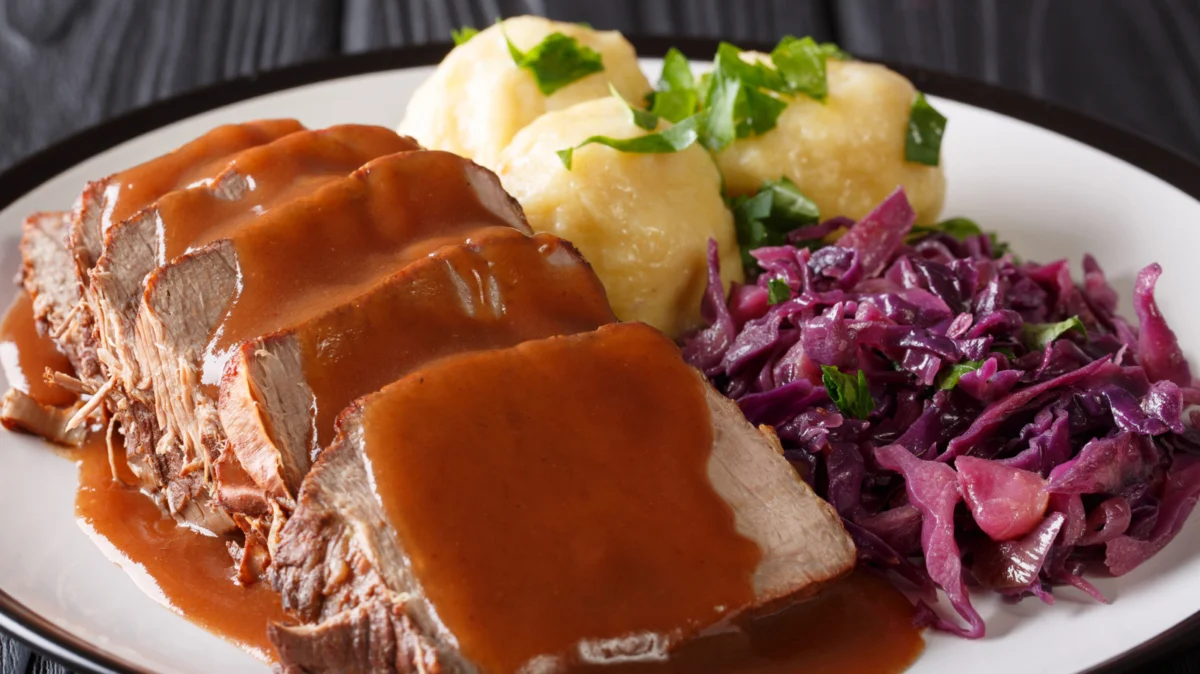
German cuisine has long been celebrated for its ability to transform humble ingredients into soul-warming, complex dishes that withstand the test of time. Among these, sauerbraten—often referred to as the national dish of Germany—reigns supreme as a culinary masterwork of patience and tradition. However, in the modern home kitchen, even the most cherished classics can benefit from a bold, contemporary twist. The latest trend among culinary enthusiasts is the addition of bratwurst to the sauerbraten pot, a maneuver that promises to take an already hearty meal and elevate it into a multi-dimensional, extra-meaty experience.
Main Facts: The Intersection of Tradition and Innovation
At its core, sauerbraten is a study in controlled acidity. Unlike American-style pot roasts, which rely on long, slow braising in beef broth to achieve tenderness, sauerbraten is defined by its pre-cooking phase. The meat—traditionally beef, though venison or horse were historically common—is marinated for several days in a mixture of vinegar, red wine, aromatics, and spices such as cloves, bay leaves, peppercorns, and juniper berries. This process, which gives the dish its name ("sour roast"), breaks down the connective tissues while imparting a signature tang that cuts through the richness of the meat.
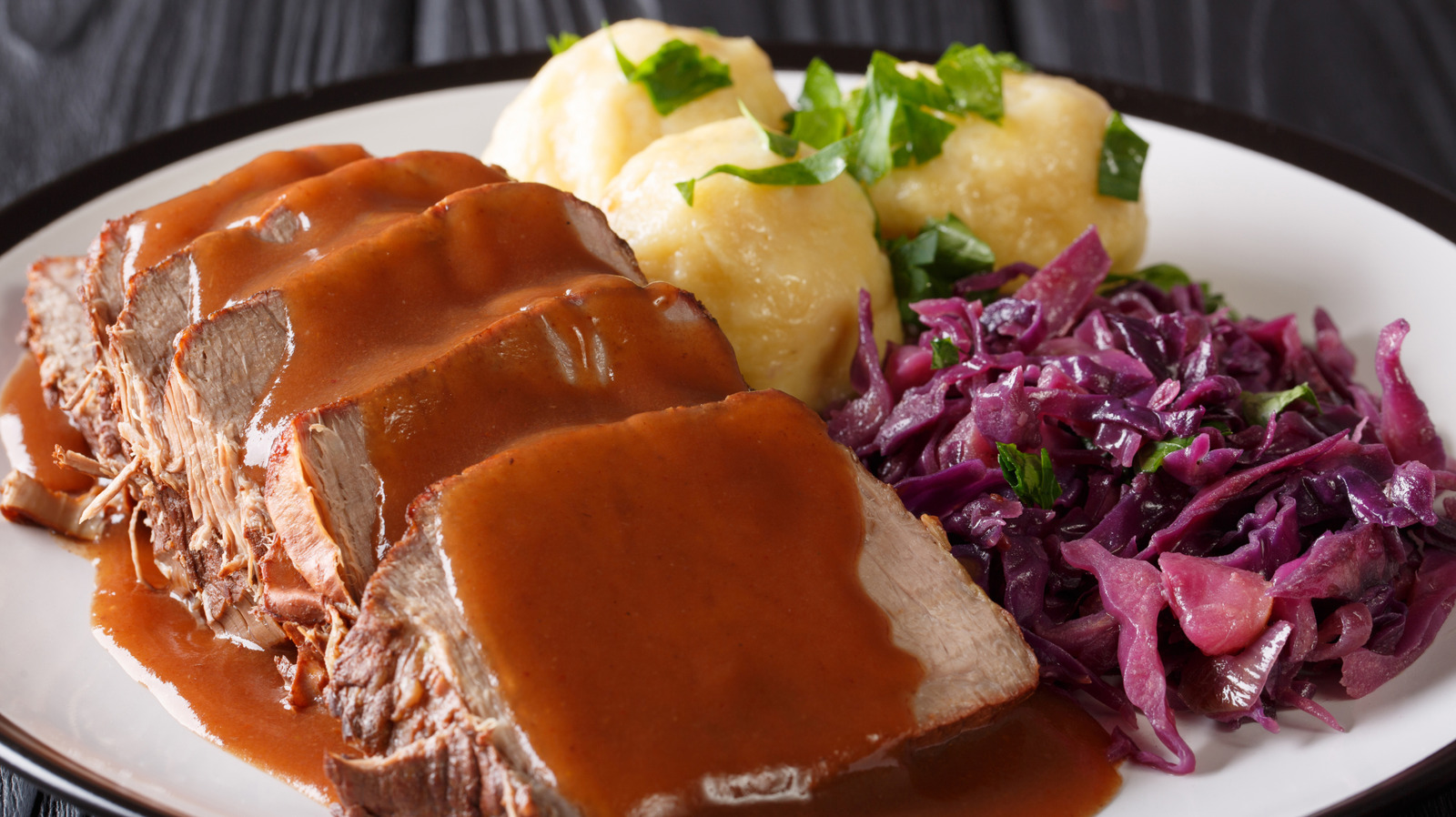
The innovation of introducing bratwurst to this equation is not merely about increasing the protein content; it is a strategic balancing act. By incorporating sliced or whole bratwurst into the braising liquid, the cook introduces a secondary layer of flavor. Bratwurst, known for its fatty, savory profile—often seasoned with ginger, nutmeg, caraway, or marjoram—acts as a counterpoint to the sharp, acidic notes of the vinegar-based marinade. The rendered fats from the sausage emulsify into the gravy, creating a silkier, more robust sauce that clings to the meat and the traditional accompaniments of potato dumplings (Kartoffelklöße) or red cabbage.
A Chronological Evolution of the Dish
The history of sauerbraten dates back centuries, with some food historians suggesting it was created as a way to preserve tougher cuts of meat by bathing them in vinegar. As the recipe evolved through the Middle Ages and into the modern era, regional variations began to proliferate across Germany. In the Rhineland, raisins and crumbled Lebkuchen (gingerbread) were added to the gravy for a sweeter finish, while in other regions, the focus remained strictly on the savory, vinegar-heavy profile.
In the late 20th and early 21st centuries, as home cooking became more accessible through global ingredient availability, the "German-fusion" home kitchen emerged. The shift toward adding sausages like bratwurst represents a significant departure from the purist approach of the 19th-century German tavern. This evolution reflects a broader trend in European home cooking: the desire to create "one-pot" meals that feel more substantial and indulgent for contemporary families who prioritize convenience without sacrificing the depth of slow-cooked flavors.
Supporting Data: Understanding the Flavor Profile
The success of this culinary marriage lies in the chemical composition of the ingredients. A standard sauerbraten gravy relies on the reduction of the marinade, often thickened with crushed ginger snaps or flour. When bratwurst is introduced, the dish benefits from the Maillard reaction that occurs when the sausages are browned before being added to the pot.
The Role of Regional Bratwurst Varieties
Not all bratwurst is created equal, and the choice of sausage can drastically alter the final output of the dish:
- Traditional Pork Bratwurst: Offers a mild, fatty profile that acts as a canvas, absorbing the vinegary essence of the sauerbraten gravy while providing a soft, tender texture.
- Coburger Bratwurst: A distinct variety featuring a mixture of veal and pork. Because these sausages are traditionally grilled over pine cones, they impart a subtle, resinous smoke that adds a "campfire" complexity to the otherwise bright, tangy gravy.
- Thüringer Bratwurst: Perhaps the most potent choice, these sausages are heavily seasoned with marjoram, caraway, and garlic. Adding these to a sauerbraten creates a "powerhouse" gravy, where the robust spice profile of the Thüringer stands up firmly against the intensity of the pickled beef.
Implications for the Modern Kitchen
The movement toward adding bratwurst to sauerbraten has profound implications for how we view traditional recipes. It signals a move away from the "museum-piece" style of cooking—where recipes are strictly adhered to as historical artifacts—and toward a more dynamic, user-friendly approach.
Economic and Practical Benefits
From a logistical standpoint, the inclusion of bratwurst is highly efficient. It allows a single, relatively expensive cut of roasting meat to be stretched further, making it an ideal strategy for feeding large families or guests. Furthermore, because bratwurst cooks significantly faster than a traditional three-to-four-pound beef roast, it can be added in the final stages of the braise, ensuring that the sausage remains succulent and firm rather than mushy.
Culinary Versatility
This trend also encourages home cooks to experiment with regionality. One week, a cook might lean into a Southern German style with heavier spices; the next, they might incorporate a smoky northern sausage to change the entire character of the dish. This flexibility keeps the home kitchen environment creative and engaging.
Official Perspectives: What Do the Experts Say?
Culinary experts note that while purists may scoff at the deviation from the "authentic" sauerbraten recipe, the practice of adding sausage to braised dishes is a common trope in European rural cooking. In many German households, the "leftover" sausage from the grill is frequently repurposed into stews or roasts to add flavor depth.
"The key is balance," notes one food consultant specializing in Central European cuisine. "If you add a highly seasoned bratwurst, you must be careful not to over-salt the gravy, as the salt content in sausages can be quite high. The goal is to let the sausage complement the beef, not overwhelm the delicate, long-marinated flavors of the meat itself."
Conclusion: The Future of Hearty Comfort Food
The addition of bratwurst to sauerbraten is more than just a culinary hack; it is a celebration of the versatility of German gastronomy. By bridging the gap between the refined, acidic tang of a traditional vinegar-marinated roast and the deep, fatty satisfaction of a spiced pork sausage, home cooks can create a dish that feels both historically rooted and satisfyingly modern.
As we look toward the future of comfort food, it is clear that the most successful dishes are those that invite us to experiment. Whether you are a seasoned expert looking to put a new spin on your grandmother’s recipe or a novice looking for a reliable way to make a show-stopping dinner, incorporating bratwurst into your next pot roast is a decision that pays dividends in flavor, texture, and pure, unabashed comfort. The next time you find yourself marinating a roast for a cold winter’s night, consider adding a few links of your favorite bratwurst to the pot. You may find that this simple addition becomes the new standard for your table.