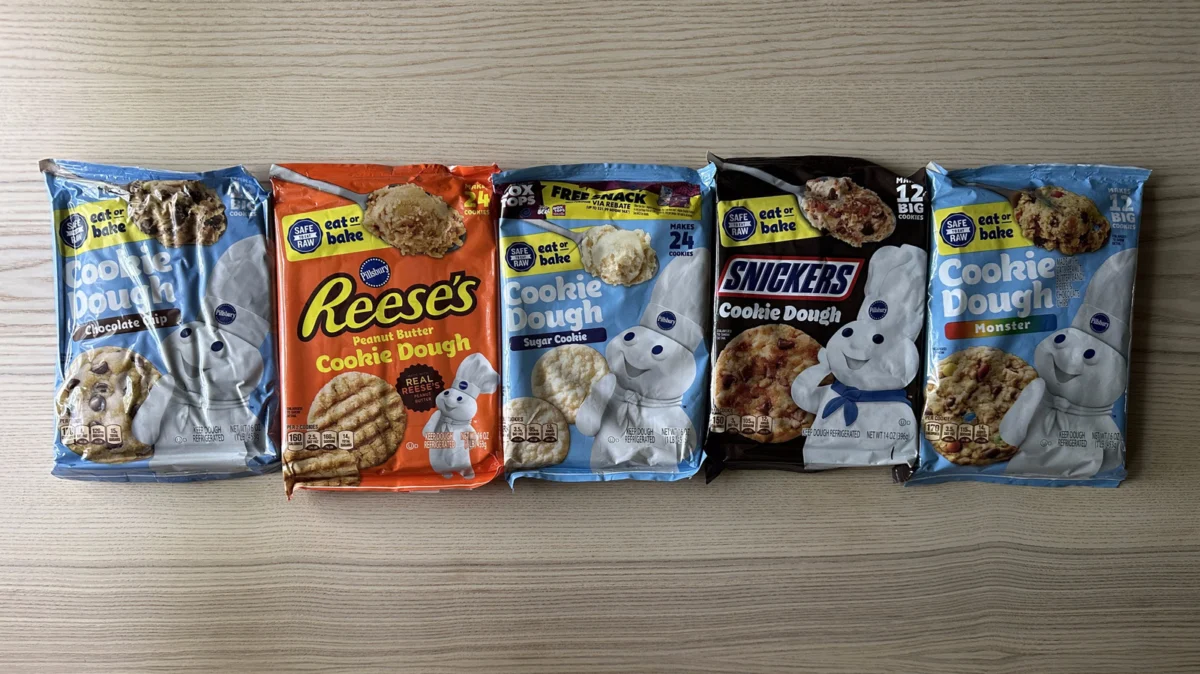
In the modern culinary landscape, the line between "homemade" and "convenience" has become increasingly blurred. For the home baker pressed for time, or perhaps intimidated by the precise chemistry of scratch-made baking, the refrigerated aisle offers a tempting sanctuary. Pillsbury, a titan in the pre-packaged goods sector, has long dominated this space with their iconic ready-to-bake cookie doughs. But as the market for these products grows, so too does the scrutiny of the discerning consumer.
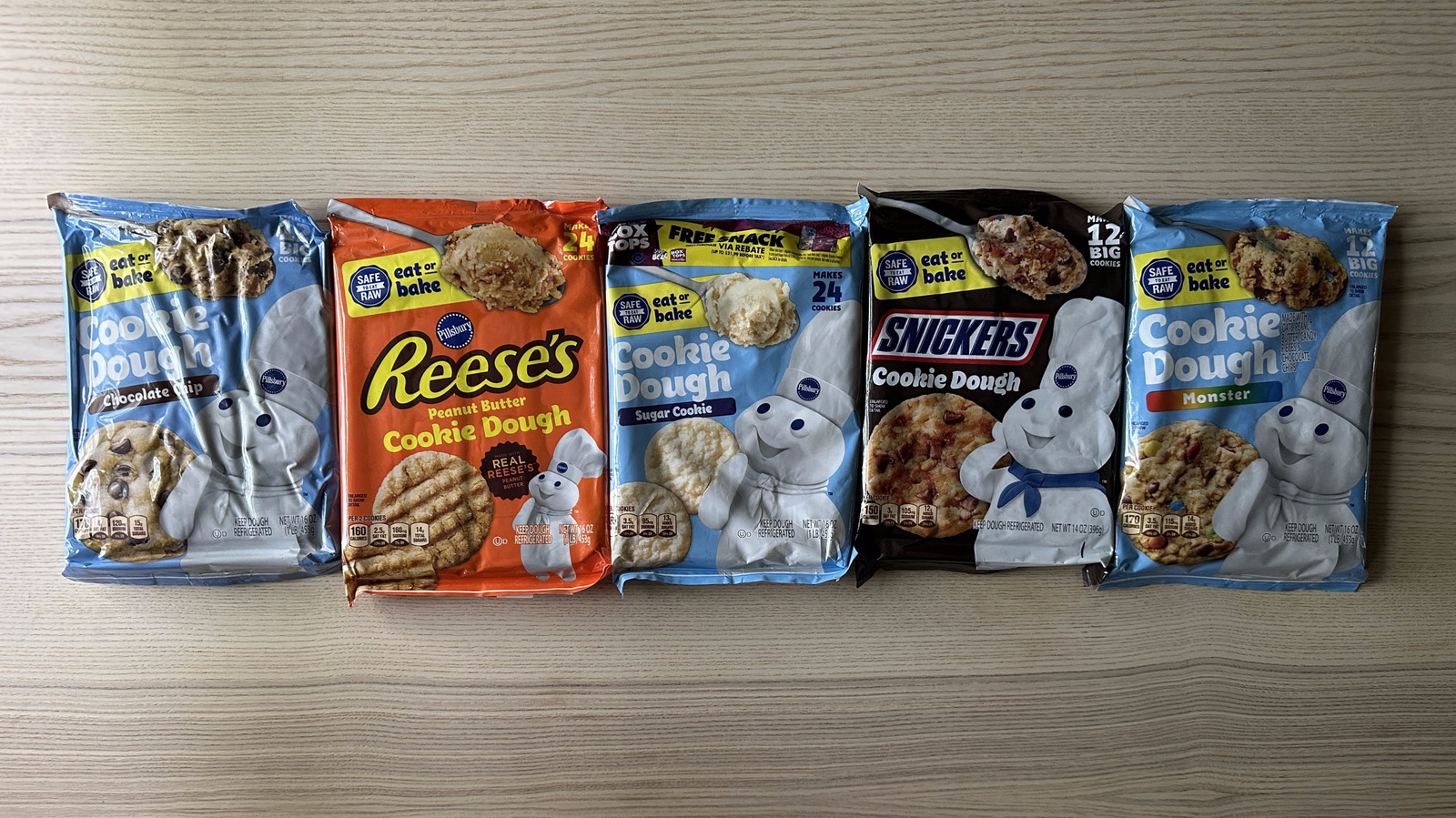
Is the convenience of skipping the measuring cups and flour-dusted countertops worth the sacrifice in quality? To answer this, we conducted an exhaustive side-by-side taste test of five staple Pillsbury cookie dough varieties. We evaluated these products based on flavor profile, structural integrity (texture), size, and overall balance. The results provide a fascinating look at how these supermarket staples stack up when they leave the oven.
Main Facts: The Methodology of the Taste Test
To maintain journalistic rigor, the evaluation was conducted in a controlled environment. Each of the five varieties was sourced from local grocery retailers and prepared strictly according to the manufacturer’s provided instructions.
The tasting took place within minutes of the cookies emerging from the oven, ensuring that the "fresh-baked" experience—the primary selling point of the product—was accurately captured. The criteria for our ranking were as follows:
- Flavor Balance: Assessing the ratio of sweetness to complexity.
- Texture: Analyzing the interplay between the crisp exterior and the soft, molten center.
- Size and Value: Evaluating the yield and physical size of the finished product.
- Ingredient Integrity: How well the mix-ins (chocolate, peanut butter, etc.) interacted with the base dough.
Chronology: From Dough to Decision
The journey of the Pillsbury cookie from the refrigerator to the palate follows a predictable, albeit satisfying, arc. The process begins with the unboxing—the tactile experience of placing uniform, pre-portioned discs of dough onto a baking sheet.
- The Pre-heat Phase: The oven is pre-heated, an essential step that ensures the dough begins to spread and caramelize immediately upon entry.
- The Maillard Reaction: As the baking cycle progresses, the sugars begin to brown and the fats emulsify, filling the kitchen with the olfactory promise of a bakery.
- The Cooling Period: Crucial for the structural development of the cookie, the cooling phase allows the centers to set, preventing a crumbly, over-baked mess.
- The Sensory Evaluation: Once cooled to a manageable temperature, the cookies were sampled to determine the final rankings.
The Ranking: From Least to Most Impressive
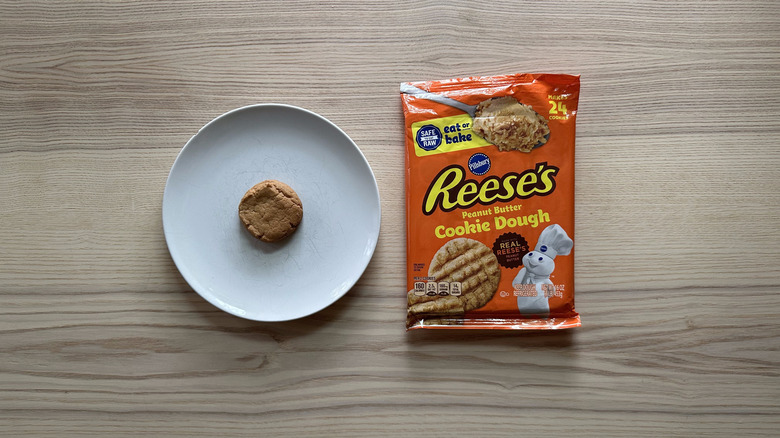
5. Reese’s Peanut Butter Cookie Dough
Despite the high expectations associated with the Reese’s brand name, this variety failed to meet the mark. While it uses legitimate Reese’s peanut butter, the omission of a chocolate component renders the flavor profile one-dimensional. The result is a cloyingly sweet, peanut-butter-forward cookie that lacks the expected "candy bar" experience. Furthermore, the texture was notably inconsistent, leaning toward a brittle, sugar-cookie-adjacent crumb rather than the soft, chewy bite one anticipates from a premium peanut butter cookie.
4. Sugar Cookie Dough
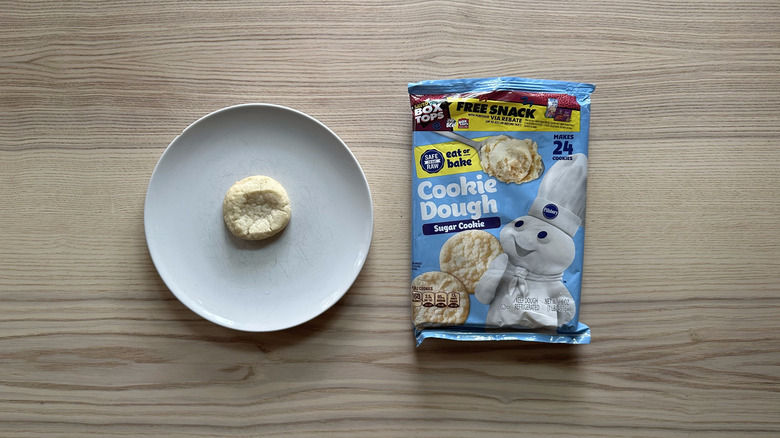
The sugar cookie is the ultimate blank canvas, but in this iteration, it leans too heavily into the "blandly sweet" category. While the texture is commendable—achieving a delicate balance of crisp edges and a soft interior—it lacks the depth of flavor required to stand on its own. It serves as a base for additional decoration or frosting, but as a standalone treat, it feels like a missed opportunity to showcase a high-quality buttery base.
3. Snickers Cookie Dough
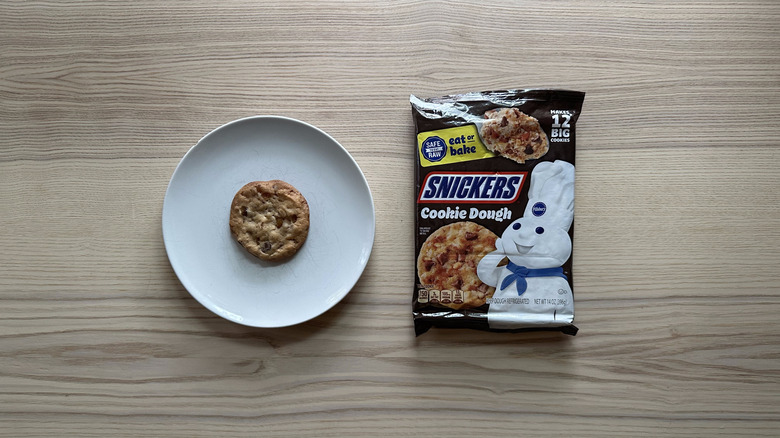
The collaboration between Pillsbury and the Snickers brand is an ambitious attempt at culinary fusion. While the inclusion of chocolate, peanuts, and caramel bits adds a dynamic, multi-textural experience, it often borders on "cookie chaos." The sweetness level is significant, making it a high-intensity treat that is perhaps better enjoyed in moderation. However, it earns points for its superior texture, which utilizes a more robust base that holds up well against the dense inclusions of the candy bar pieces.
2. Monster Cookie Dough
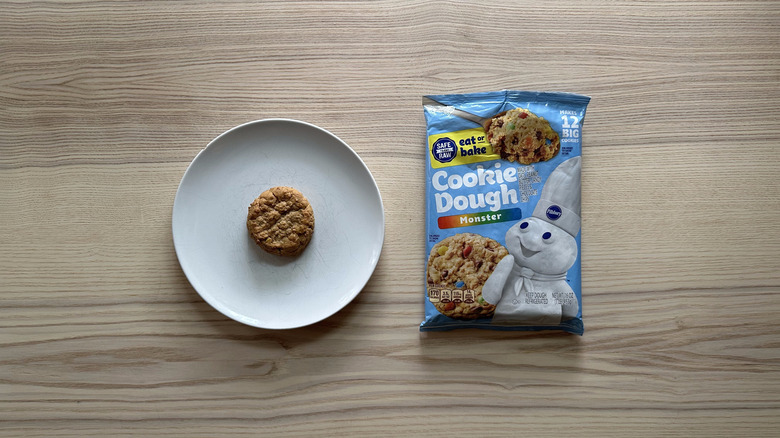
This variety offers the most adventurous flavor profile in the lineup. By incorporating oats, chocolate chips, peanut butter, and candy pieces, Pillsbury creates a complex, "everything but the kitchen sink" cookie. The oats introduce a rustic, hearty texture that sets it apart from the rest of the pack. While the appearance is admittedly somewhat "lumpy," the flavor is undeniably fun. It is a bold choice for those who prefer a cookie with a distinct, multi-layered personality.
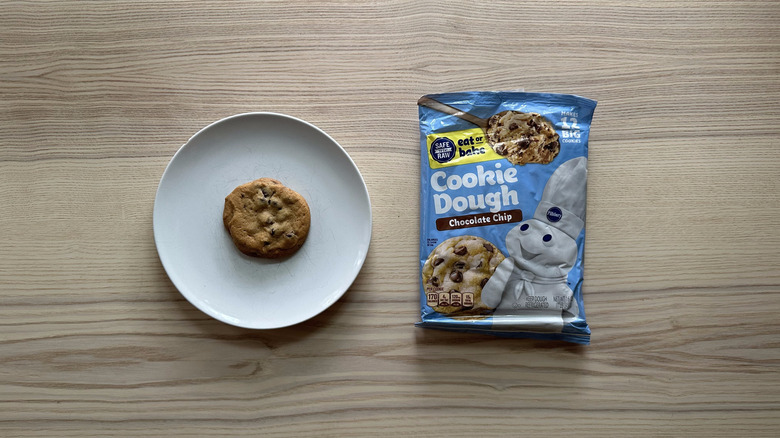
1. Chocolate Chip Cookie Dough
Simplicity, it seems, remains the ultimate sophistication. The classic Chocolate Chip variety takes the top spot due to its impeccable balance. It delivers a perfect contrast of textures: a browned, crisp outer rim protecting a soft, pillowy center. The addition of a subtle hint of saltiness serves to anchor the sweetness of the chocolate chips, preventing the cookie from becoming saccharine. It is the gold standard for a reason—it is the quintessential, no-fuss cookie that proves you don’t need gimmicks to create a high-quality product.
Supporting Data: The Science of the "Swalty" Trend
The success of the top-ranked Chocolate Chip variety highlights a growing consumer preference for "swalty" (sweet and salty) flavor profiles. Data indicates that modern palates are increasingly moving away from purely sugary confections in favor of profiles that include a saline component. This saltiness enhances the perception of chocolate, making the flavor appear richer and more pronounced. Our findings suggest that consumers looking to elevate their store-bought dough can further this effect by adding a light dusting of flaky sea salt to the dough before baking.
Official Responses and Industry Implications
While Pillsbury has not released specific internal R&D data regarding these individual recipes, the company has consistently emphasized its focus on "convenience-driven quality" in recent annual reports. The trend toward partnerships with established candy brands (like Reese’s and Snickers) is a strategic move to capture the "snackable" market, where consumers are looking for recognizable indulgence in a format that requires zero preparation.
The implications for the broader market are clear: the ready-to-bake category is no longer just about filling a void; it is about providing a sensory experience that rivals, or in some cases, simplifies, the home-baking process. As competition from private-label brands increases, manufacturers are likely to continue refining their formulas to prioritize texture—specifically the "crisp-edge, soft-center" ratio—which remains the most highly cited positive attribute in consumer sentiment analysis.
Conclusion: The Verdict for the Home Baker
Choosing the right cookie dough comes down to your personal palate and your desired outcome. If you are looking for a reliable, crowd-pleasing treat that balances sweetness and texture, the classic Chocolate Chip remains the champion. For those seeking complexity, the Monster cookie offers a delightful array of textures.
Ultimately, these products serve a vital role in the modern household. They allow for the immediate gratification of a warm, fresh-baked cookie without the logistical burden of a full-scale baking project. While some varieties may fall short of the mark, the top-tier options prove that even in the world of pre-packaged dough, there is room for excellence. The next time you find yourself in the refrigerated aisle, consider your preferences carefully—and perhaps keep a container of sea salt nearby to turn a standard experience into a gourmet one.