The automotive landscape is undergoing a tectonic shift, and Land Rover—a brand synonymous with rugged luxury and internal combustion dominance—is ready to embrace the electric age. As the release date for the Range Rover Sport Electric approaches, the industry is buzzing with anticipation. Unlike competitors who have chosen to reinvent their visual language for the EV era, Land Rover has opted for a strategy of continuity, ensuring that the transition to battery power is as seamless and familiar as possible for its loyal clientele.
The Design Philosophy: Evolution Over Revolution
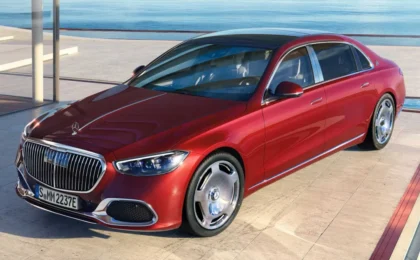
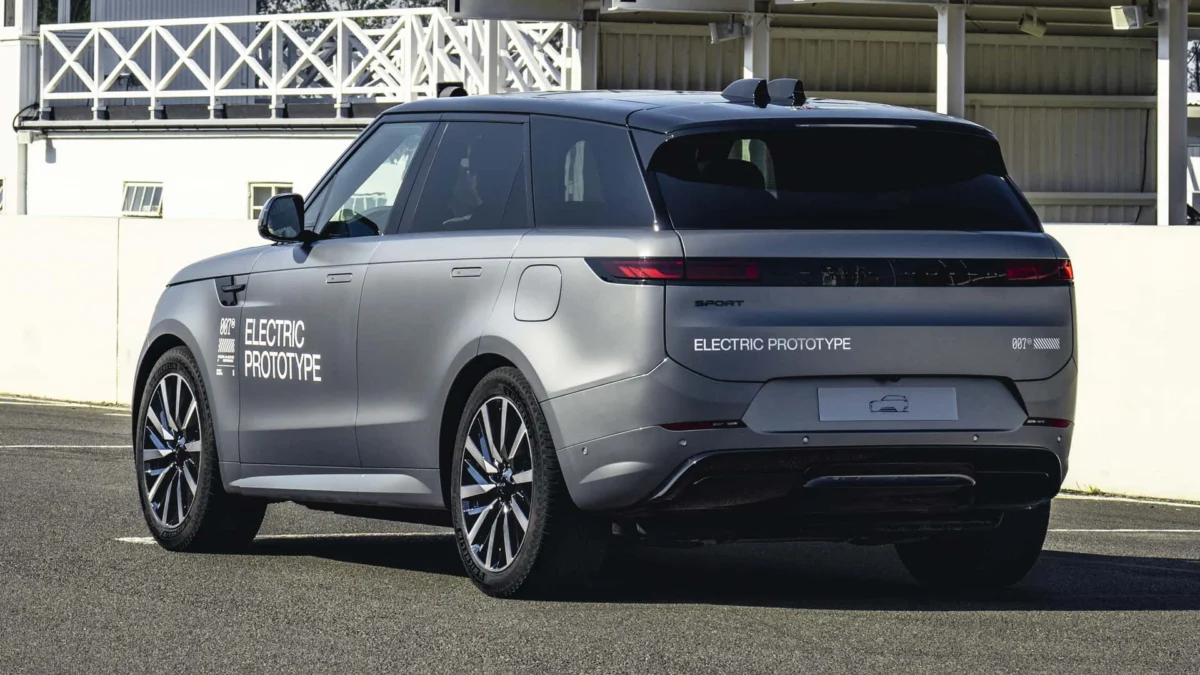
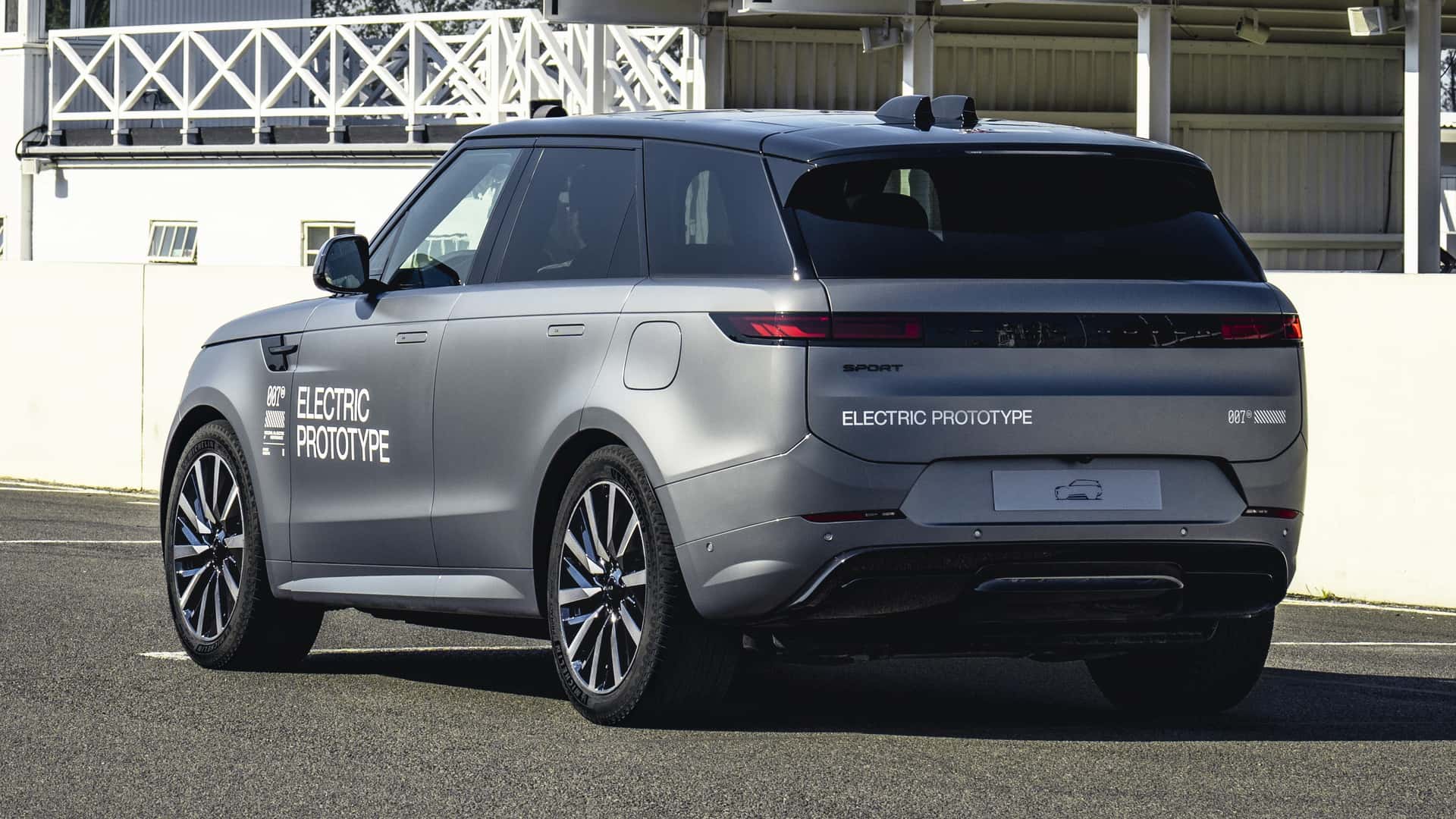
In an era where automakers like Mercedes-Benz are utilizing distinct, aerodynamic "jellybean" silhouettes to differentiate their electric EQ models from their internal combustion counterparts, Land Rover is taking a different path. The upcoming Range Rover Sport Electric will be virtually indistinguishable from the current gasoline and plug-in hybrid models.
The decision to maintain a familiar aesthetic is a calculated risk. By retaining the muscular, upright stance and the signature "floating roof" design, Land Rover is signaling to its buyers that they don’t need to sacrifice the iconic Range Rover identity to embrace sustainability. The only tell-tale signs of the electric powertrain will be the absence of exhaust pipes and a subtly closed-off grille, designed to optimize airflow while maintaining the vehicle’s aggressive front fascia. This approach caters to a demographic that values the brand’s heritage and status as much as its technological advancements.
The Technical Foundation: The Versatility of MLA
At the core of the Range Rover Sport Electric is Land Rover’s Modular Longitudinal Architecture (MLA). This platform serves as a masterclass in engineering versatility. Designed from the outset to accommodate multiple powertrain configurations, the MLA architecture supports everything from traditional internal combustion engines and sophisticated plug-in hybrids to the high-voltage systems required for a full battery-electric vehicle (BEV).
This modularity allows Land Rover to achieve economies of scale and manufacturing efficiency. The same assembly lines can produce various versions of the vehicle, reducing complexity and allowing the company to pivot production based on regional demand for electrification. The full-size Range Rover already utilizes this platform, and its success has provided the blueprint for the Sport’s transition. It was also the intended foundation for the now-canceled electric Jaguar XJ, highlighting the platform’s scalability and long-term ambition within the JLR (Jaguar Land Rover) portfolio.
Performance Metrics: Power and Efficiency
The performance specifications of the Range Rover Sport Electric are designed to silence critics who believe EVs lack the soul of a high-performance SUV. The vehicle will feature a dual-motor setup, providing an all-wheel-drive configuration that ensures both stability and off-road prowess.
- Output: Depending on the selected trim, buyers can expect a combined output of 444 or 542 horsepower.
- Torque: Perhaps more impressive is the 627 lb-ft (850 Nm) of instant torque. Because the motors are identical, the vehicle will maintain a near-perfect 50:50 power split, ensuring that the handling dynamics remain balanced and predictable.
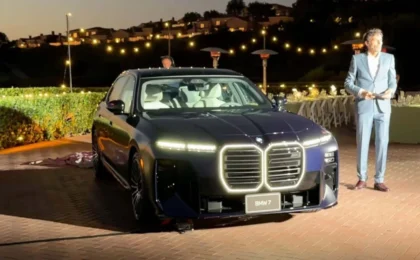
- Battery Capacity: The system is powered by a massive 118.5-kWh battery pack. While this is significantly smaller than the 141-kWh pack found in the BMW iX5, Land Rover’s focus is on optimizing energy density and vehicle weight to maintain the agile driving characteristics expected of a "Sport" model.
- Charging: Utilizing an 800-volt architecture, the vehicle will support DC fast charging up to 350 kW, allowing for quick top-ups that minimize downtime during long road trips.
Range and Real-World Usability
Land Rover estimates an EPA range of approximately 330 miles (531 kilometers) on a single charge. While this figure is competitive, it remains a point of contention for potential buyers who compare it to the BMW iX5’s more aggressive 435-mile EPA estimate. However, Land Rover argues that the range is more than sufficient for the typical luxury SUV owner, and the trade-off comes in the form of superior build quality and off-road capabilities that the brand is legendary for.
One of the most innovative additions is the one-pedal driving mode, which has been specifically calibrated to function even in off-road scenarios. This allows drivers to modulate speed precisely when traversing difficult terrain, using the regenerative braking to maintain control without constant adjustments to the brake pedal.
Off-Road Prowess: Keeping the "Rover" in Range Rover
There is a common misconception that electric vehicles cannot match the mechanical off-road capability of combustion-powered machines. Land Rover is working hard to debunk this. The Range Rover Sport Electric will retain its air suspension, allowing for significant ground clearance adjustments. The dual-motor system also allows for torque vectoring that is far more precise than traditional mechanical locking differentials.
Rear-wheel steering is included as standard, which serves a dual purpose: it drastically reduces the turning circle in urban environments and improves high-speed stability on the highway. This combination of tech and hardware ensures that the Sport Electric remains a "go-anywhere" vehicle, regardless of what lies beneath the hood.
Interior Experience: A Familiar Sanctum
Stepping inside the cabin, owners will find a space that feels almost identical to the combustion-powered Range Rover Sport. The interior continues to lean heavily into the "digital-first" aesthetic. While the materials—such as sustainably sourced leathers, high-end woods, and metal accents—are undeniably premium, the reliance on an all-screen interface may prove polarizing.
The center console, characterized by a heavy usage of glossy black plastic, is a design choice that prioritizes minimalism but often at the cost of fingerprint management and tactile feedback. However, the sheer quality of the infotainment system, paired with the silent operation of the electric powertrain, creates an environment of unparalleled serenity and calm, which is arguably the primary selling point for the luxury SUV segment.
Implications for the Future of Land Rover
The launch of the Range Rover Sport Electric is not intended to replace the existing lineup. Instead, it will function as a fourth pillar alongside the gasoline, diesel, and plug-in hybrid variants. This strategy acknowledges that the transition to EVs is not uniform across all global markets. By offering a diverse range of powertrains, Land Rover is hedging its bets against volatile charging infrastructure and varying consumer sentiment.
However, it is important to note that the electric model will command a price premium. As Land Rover transitions toward a "house of brands" strategy, moving further upmarket into the ultra-luxury tier, the price hike is expected to be significant. This aligns with the company’s broader goals to improve profit margins by focusing on higher-end, low-volume, high-margin vehicles.
The Motor1 Perspective: A Natural Fit
From an analytical standpoint, the electric powertrain is arguably the most logical progression for a luxury SUV. The inherent silence and low center of gravity provided by the battery pack perfectly complement the "refined" nature of the Range Rover brand. The vehicle will likely be smoother, faster, and more responsive than any of its internal combustion predecessors.
The primary hurdle, however, remains the range. For those who utilize their SUVs for heavy towing, the efficiency drop-off associated with EVs remains a significant barrier to entry. While the technology is more than capable of handling the weight, the real-world range penalty during towing is a reality that Land Rover’s engineers will have to manage through software updates and battery management optimization.
Conclusion: A New Chapter
As we await the official unveiling later this year, it is clear that Land Rover is not interested in chasing the "EV fad." Instead, they are applying their traditional expertise in luxury and off-road engineering to a new medium. By keeping the design consistent and focusing on the core strengths of the MLA platform, Land Rover is playing a long game—one that prioritizes brand identity and vehicle capability over fleeting trends.
The Range Rover Sport Electric is poised to be more than just a battery-powered SUV; it is a testament to the fact that for the world’s most prestigious automakers, the future of luxury is silent, instant, and undeniably capable. Whether it can win over the skeptics will depend on its real-world performance, but one thing is certain: the bar for luxury electric SUVs has just been raised.