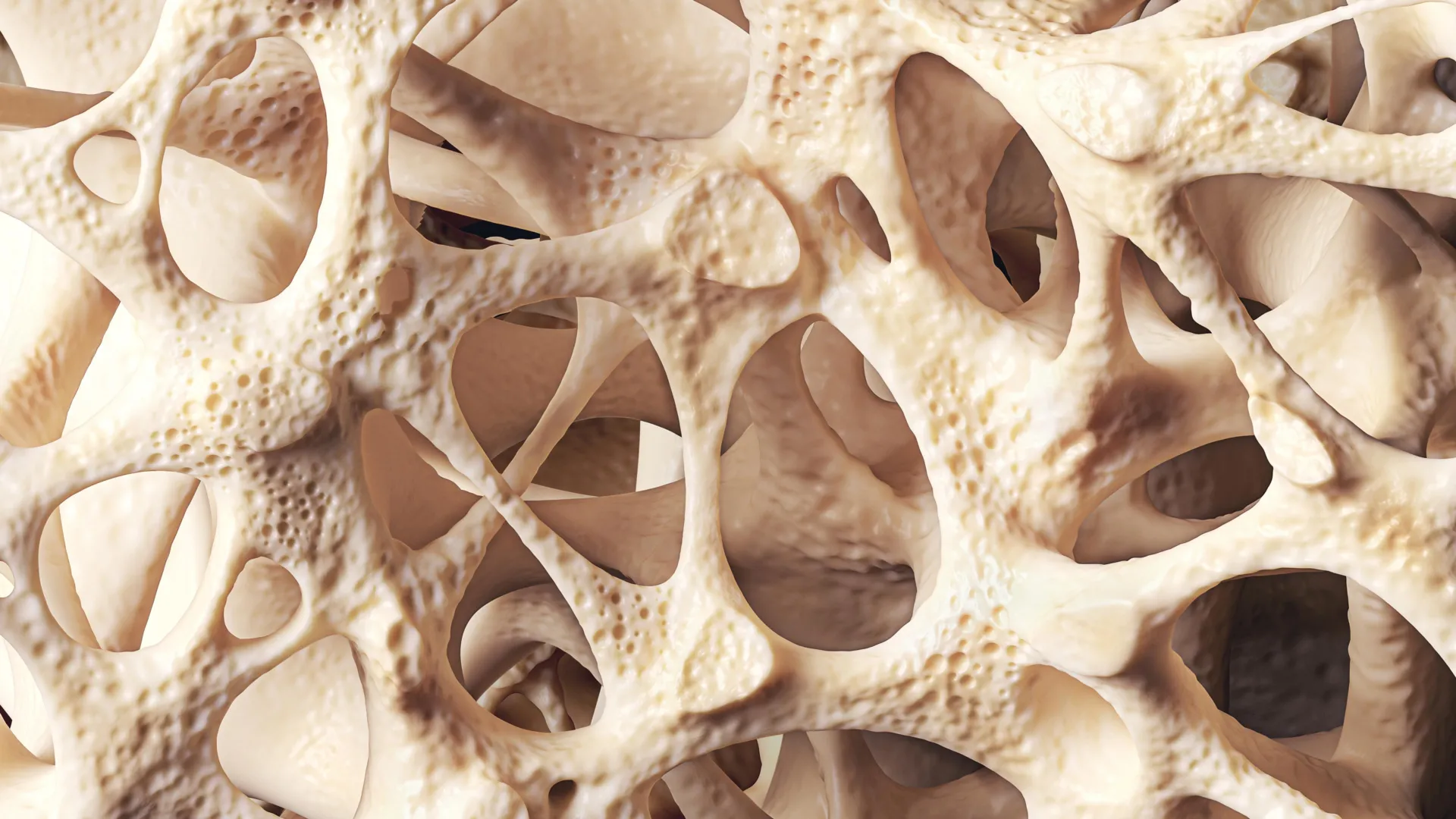
In the quiet landscape of human physiology, few conditions are as pervasive—yet as frequently overlooked—as osteopenia. Affecting approximately 40% of adults worldwide, this condition, defined by a decrease in bone mineral density (BMD), represents a critical juncture in skeletal health. While often overshadowed by its more severe counterpart, osteoporosis, osteopenia is a significant public health challenge that acts as a silent precursor to life-altering fractures. With over 500,000 fractures occurring annually in the UK alone due to compromised bone density, the necessity for proactive identification and management has never been more urgent.
The Silent Architecture of Bone
To understand osteopenia, one must first appreciate the dynamic nature of the human skeleton. Contrary to the perception of bone as an inert, static structure, it is a living tissue in a state of perpetual flux. This biological maintenance is governed by a process known as "bone remodeling," where specialized cells work in tandem to break down old or damaged bone tissue (resorption) and replace it with new, mineralized matrix (formation).
In the prime of early adulthood—typically between the ages of 20 and 30—these two processes exist in a state of homeostatic equilibrium. During this window, the body achieves "peak bone mass," a physiological milestone that serves as the reserve for the rest of one’s life. However, as the body transitions past the mid-30s, this balance inevitably shifts. The rate of resorption begins to outpace the rate of formation, leading to a gradual but steady decline in bone mineral density. When this loss reaches a threshold that is lower than normal but not yet classified as osteoporosis, it is diagnosed as osteopenia.
Chronology of Bone Degradation
The progression toward osteopenia is rarely linear, but it is deeply tied to the biological clock.
- The Development Phase (Childhood to Age 25): The primary focus is the accumulation of mineral density. Proper nutrition and mechanical loading through physical activity are paramount during these years.
- The Plateau (Ages 25–35): The skeleton reaches its maximum strength. This is the "golden period" where lifestyle choices set the trajectory for aging.
- The Gradual Decline (Ages 35–50): Subtle changes begin. While often asymptomatic, the physiological "bank account" of bone mass starts to see withdrawals exceed deposits.
- The Accelerated Phase (Post-Menopause and Geriatric Years): For women, the decline of estrogen—a hormone essential for slowing bone resorption—acts as a catalyst. This stage often sees the most rapid loss of density, frequently leading to the clinical emergence of osteopenia or osteoporosis.
Supporting Data and Risk Factors
The epidemiology of osteopenia is inextricably linked to both modifiable and non-modifiable factors. Medical literature identifies aging as the primary driver, yet the acceleration of this condition is often dictated by secondary influences.
The Hormonal Connection
The link between menopause and bone health is perhaps the most documented risk factor. Estrogen acts as a protective buffer against osteoclasts (the cells responsible for bone breakdown). When estrogen levels plummet during menopause, the protective barrier is removed, and bone density can drop significantly in a short period. Statistics suggest that one in two women over the age of 50 will experience a fragility fracture, underscoring the severity of this hormonal shift.
Lifestyle and External Modifiers
Beyond biology, modern lifestyle habits significantly influence skeletal integrity:
- Tobacco and Alcohol: Smoking and excessive alcohol consumption have been shown to directly interfere with the bone-building process, inhibiting the absorption of essential nutrients and disrupting hormonal balance.
- Nutritional Deficiencies: Calcium is the primary building block of bone, while Vitamin D is the essential "key" that allows the body to absorb and utilize that calcium. In many regions, particularly the UK, Vitamin D deficiency is endemic, leading to a population-wide susceptibility to reduced bone strength.
- Secondary Conditions: Individuals with malabsorptive disorders, such as coeliac disease or Crohn’s disease, are at an elevated risk because their bodies cannot efficiently extract the nutrients necessary for bone maintenance. Similarly, the long-term use of corticosteroids, while life-saving for inflammatory conditions, is a known contributor to secondary bone loss.
Diagnostic Standards: The DXA Scan
Because osteopenia is typically asymptomatic—often remaining hidden until a fracture occurs—medical professionals rely on the dual-energy X-ray absorptiometry (DXA) scan. This low-dose X-ray technology provides a precise T-score, which compares an individual’s bone density to that of a healthy young adult.
The diagnostic criteria are clear:
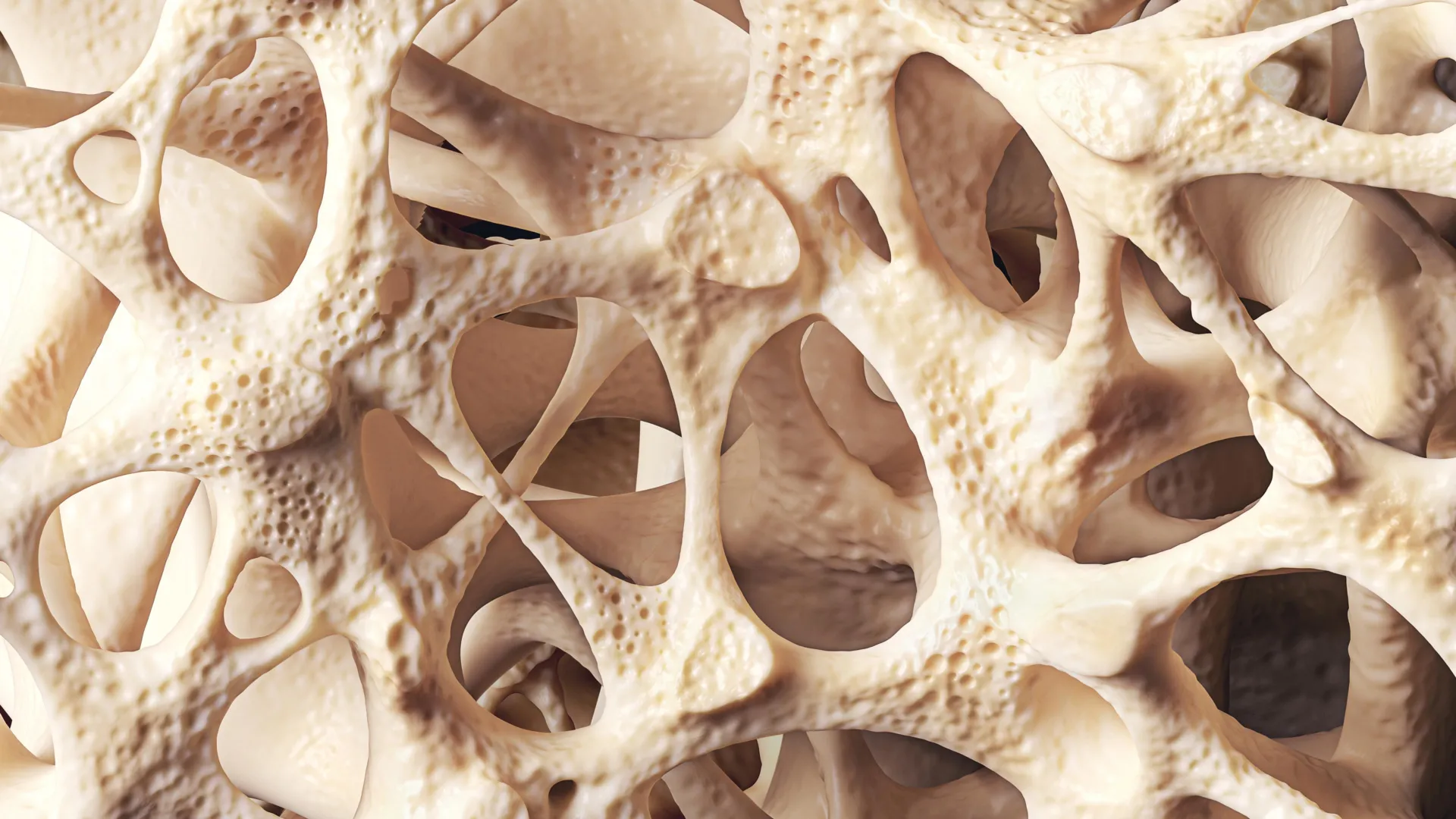
- Normal: T-score of -1.0 or higher.
- Osteopenia: T-score between -1.0 and -2.5.
- Osteoporosis: T-score of -2.5 or lower.
These scores do not just categorize a patient; they provide a roadmap for intervention. A T-score in the osteopenic range is not a diagnosis of disease, but rather a warning sign. It is a critical window of opportunity where the trajectory of bone loss can be altered.
Official Clinical Perspectives and Management
Medical consensus has shifted toward a more holistic management approach. Clinicians are moving away from viewing osteopenia as a "waiting room" for osteoporosis and instead treating it as a distinct phase requiring targeted intervention.
The Role of Physical Activity
Movement is the medicine for bone health. Weight-bearing exercises—such as brisk walking, dancing, and jogging—force the skeleton to adapt to mechanical stress, which stimulates osteoblast activity (bone formation). Resistance training is equally vital, as it builds the muscle mass required to stabilize the skeleton and improve balance, thereby reducing the risk of falls. Emerging evidence even highlights the efficacy of mind-body practices like Tai Chi, which improve proprioception and stability in older adults.
Nutritional Protocols
Management of osteopenia is incomplete without dietary optimization. For many, a balanced intake of dairy, leafy greens, and calcium-fortified foods is sufficient. However, for those with identified deficits, supplementation is a standard recommendation. The current medical consensus emphasizes that "bone-friendly" diets must be maintained consistently over a lifetime, rather than treated as a short-term fix.
Pharmacological Interventions
Not every patient with osteopenia requires medication. Clinicians now utilize fracture risk assessment tools—such as the FRAX score—which calculate a patient’s ten-year probability of suffering a fracture by weighing age, DXA results, and clinical history. For patients at high risk, or those who have already suffered a fragility fracture, antiresorptive drugs (such as bisphosphonates) are often prescribed. These medications work by inhibiting the breakdown of bone, helping to stabilize density and prevent the condition from progressing into more advanced osteoporosis.
Implications for Public Health
The implications of ignoring osteopenia are profound. As the global population ages, the burden of fragility fractures on healthcare systems is expected to skyrocket. These fractures are not merely physical injuries; they are associated with increased morbidity, loss of independence, and significantly higher mortality rates in the elderly.
The most vital takeaway is that the progression from osteopenia to osteoporosis is not an inevitability. It is a manageable state. Early detection allows for the implementation of lifestyle modifications that can, in some instances, not only halt bone loss but potentially improve bone mineral density.
A Call for Proactive Health
The modern challenge lies in shifting the public perception of bone health from an afterthought to a foundational pillar of wellness. We must recognize that our skeletal strength at age 70 is a reflection of the cumulative influences of our health across the entire lifespan. By prioritizing bone health through regular physical activity, mindful nutrition, and, when necessary, clinical screening, we can significantly reduce the silent, ticking clock of osteopenia.
In conclusion, osteopenia should be viewed as a vital early-warning system. It is a diagnostic signal that the skeleton needs support, and with the right combination of clinical oversight and personal accountability, the future of our bone health remains firmly in our own hands. By acting early, we protect not just our bones, but our mobility, our independence, and our quality of life.