The pursuit of the "perfect bite" is the holy grail of both home cooks and professional chefs. It is a quest that balances the chemistry of heat, the precision of timing, and the selection of quality ingredients. Yet, regardless of the complexity of a dry rub or the precision of a sous-vide bath, the defining characteristic of a superior steak remains its tenderness. When a steak is tough—reminiscent of chewing on leather—the entire culinary experience is compromised. In the search for the ultimate tenderizer, many have turned to an unexpected pantry staple: the humble raw onion. But does this kitchen essential actually possess the power to transform a tough cut of beef into a melt-in-your-mouth masterpiece, or is it merely a culinary myth?
The Anatomy of Tenderness: Understanding Proteolytic Enzymes
To understand whether onions can tenderize meat, we must first understand the biological mechanism of tenderization. Tenderness in beef is largely a function of the structural proteins—specifically actin and myosin—that form the muscle fibers. When we talk about "breaking down" a steak, we are referring to the denaturation and enzymatic degradation of these proteins.
Benjamin Prelvukaj, owner of the renowned Benjamin Steakhouse, notes that the process relies on "proteolytic enzymes." These are specialized biological catalysts that function like molecular scissors. "Proteolytic enzymes are enzymes that help break down proteins," Prelvukaj explains. "In meat, they can break down some of the proteins that contribute to the structure of the muscle, which can help make the meat more tender."
While these enzymes exist in nature—most famously in tropical fruits like pineapple (bromelain) and papaya (papain)—they are also present in various alliums, including the common yellow onion. The theory suggests that by marinating a steak in raw onion juice or crushed onions, these enzymes could penetrate the muscle fibers and soften the tissue. However, the practical application is far more nuanced than the theory suggests.
A Chronology of Culinary Wisdom: From Traditional Marinades to Modern Science
The use of aromatics like onions in meat preparation dates back centuries. Historically, marinades were used not only to impart flavor but to preserve meat in environments without refrigeration. Over time, as culinary techniques became more refined, chefs began to observe that certain marinades resulted in softer textures.
In the mid-20th century, the rise of food science brought these traditional practices under a microscope. Researchers began categorizing plant-based enzymes by their efficiency. It was discovered that while onions do contain proteases, their concentration is significantly lower than that of papain or bromelain.
Furthermore, the "tenderizing" effect of onions is often conflated with other chemical processes occurring in a marinade. Acidic components (such as vinegar or wine often paired with onions), salt, and even the simple mechanical process of soaking can alter the texture of meat. By the 2000s, culinary experts began to distinguish between "chemical softening" caused by enzymes and "textural changes" caused by acid denaturing or salt-induced moisture retention. Today, the professional consensus has shifted: while onions are a culinary powerhouse, their role as a primary tenderizer is largely overstated.
The Role of Endogenous Enzymes and Dry Aging
One of the most critical factors in steak tenderness is not what we add to the meat, but what is already inside it. Raw beef contains its own endogenous proteases, which are naturally occurring enzymes that work to break down muscle fibers over time. This process is the foundational principle behind the practice of dry aging.
"Over time, naturally occurring enzymes in the beef help break down muscle proteins, contributing to the tender texture and flavor of our dry-aged steaks," Prelvukaj notes. Dry aging is a controlled, time-intensive process that allows these endogenous enzymes to do the heavy lifting. During this period, the meat is kept in a climate-controlled environment, allowing moisture to evaporate and connective tissues to weaken, resulting in a more concentrated flavor and a more tender final product.
For the average home cook who does not have access to a commercial dry-aging locker, the focus often shifts to accelerated tenderization. If you are starting with a tougher, less expensive cut of beef, the endogenous enzymes simply don’t have the time or the ideal environment to create a "filet-like" texture. This is where people hope a quick onion marinade will intervene. However, as Prelvukaj points out, if you are purchasing a high-quality, dry-aged steak from a reputable butcher, the meat has already been "pre-tenderized" by the aging process. Adding a raw onion marinade to such a product is largely redundant from a structural standpoint.
Official Perspective: The Benjamin Steakhouse Approach
Benjamin Steakhouse, known for its presence at elite venues like the US Open, relies on rigorous standards of quality control. When discussing the utility of onions in their kitchen, the perspective is clear: flavor, not chemistry, is the priority.
"While raw onions may have a mild effect on meat proteins, their tenderizing impact on our steaks would be minimal," Prelvukaj explains. The restaurant’s approach highlights a fundamental truth in fine dining: the best way to ensure tenderness is through the selection of the raw material rather than the manipulation of the finished product.
This professional stance serves as a reality check for home cooks. If you are marinating a piece of grocery-store round steak in onion juice for an hour, you might notice a slight change in surface texture. But if you are working with a ribeye or a strip steak, the onion is not there to soften the muscle—it is there to provide the complex, savory, and slightly sweet aromatic profile that characterizes a classic steakhouse meal.
Implications for the Home Cook: Managing Expectations
The misconception that onions are a "magic bullet" for tenderness carries several implications for the culinary enthusiast.
1. The "Quality First" Mandate
If your primary concern is tenderness, no amount of onion juice can overcome the inherent toughness of a low-quality or poorly butchered cut of meat. The most effective way to ensure a tender steak is to purchase higher-grade beef—such as Prime or Wagyu—which has a higher degree of intramuscular fat (marbling). Marbling melts during the cooking process, lubricating the muscle fibers and providing a tender mouthfeel that no enzymatic marinade can fully replicate.
2. The Flavor Profile Advantage
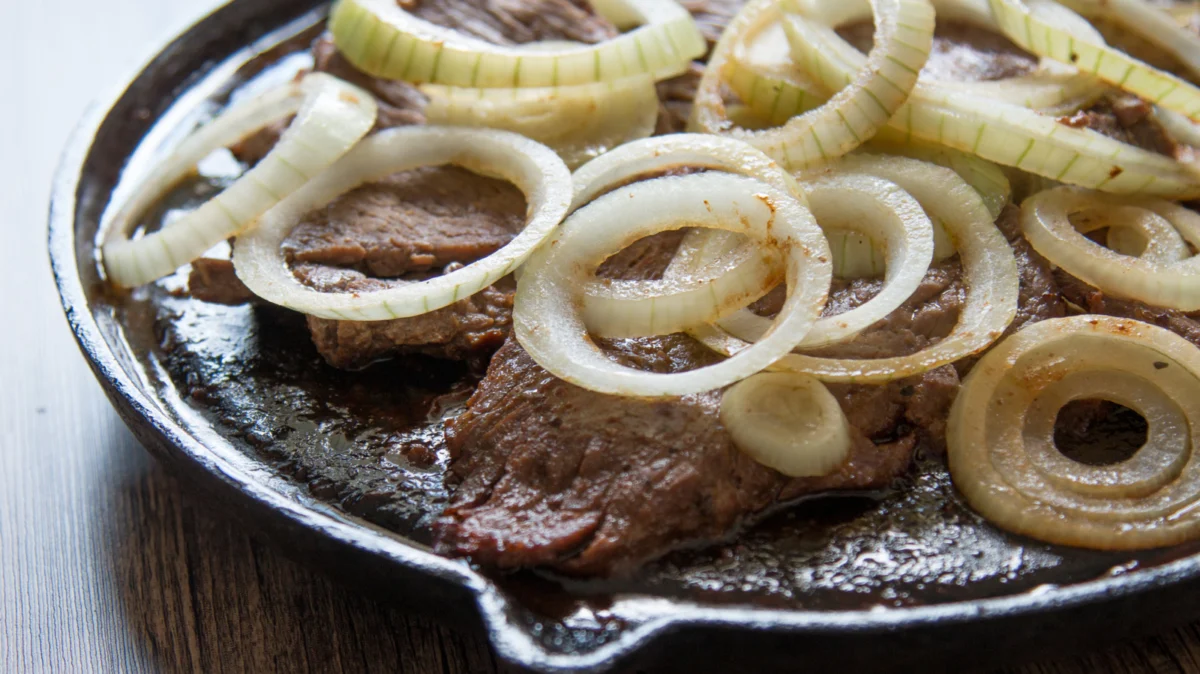
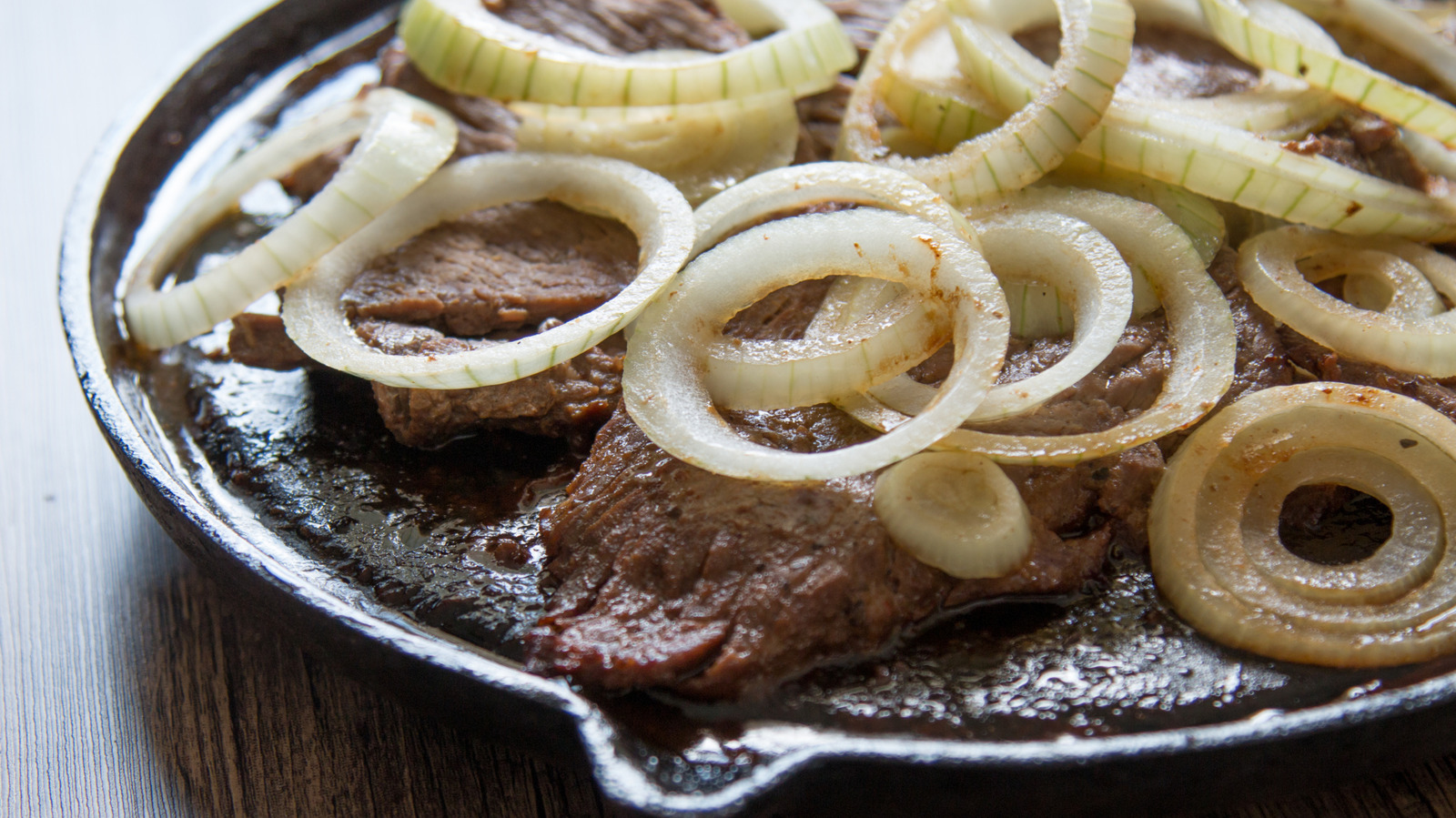
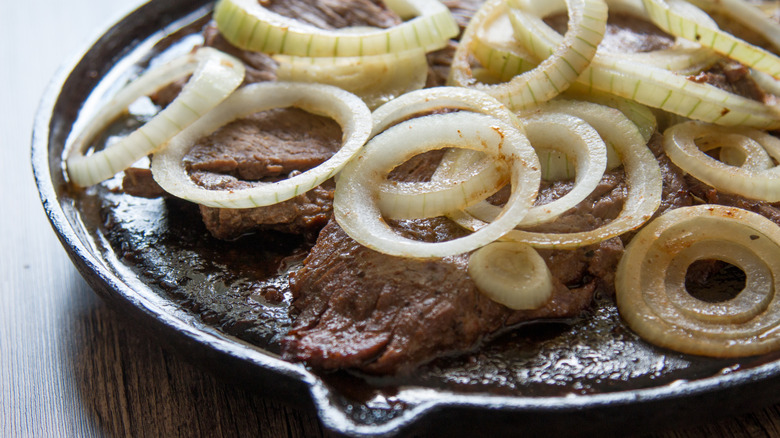
Once you stop looking at the onion as a chemical tenderizer, you are free to use it as the flavor-enhancer it truly is. Onions, especially when raw or slightly sautéed, contain sulfur compounds that, when cooked with the Maillard reaction (the browning of meat), create a deep, umami-rich crust. This elevates the overall dining experience far more effectively than a marginal reduction in chewiness.
3. The Marinade vs. The Topping
If you are determined to use onions to assist with texture, consider the method. Blending raw onions into a puree ensures more surface contact, which is necessary for enzymes to work. However, this also creates a high-sugar paste that can burn rapidly in a hot pan. A more balanced approach is to use onion juice or a finely diced onion rub, followed by a high-heat sear.
Conclusion: The Verdict
Can raw onions be your ticket to more tender steak? The answer is a qualified "yes, but." While raw onions do contain the necessary proteolytic enzymes to theoretically soften muscle fibers, their efficacy is relatively low compared to other methods, and their impact is often dwarfed by the inherent quality of the meat and the natural enzymatic processes already at work.
Instead of relying on the onion as a tenderizing agent, it is more beneficial to view it as a cornerstone of flavor. By choosing a high-quality cut of meat, respecting the aging process, and utilizing onions for their aromatic contributions rather than their enzymatic potential, you can elevate your steak game to professional standards. The next time you fire up the grill, focus on the heat, the timing, and the seasoning—and keep the onions where they belong: adding that signature, savory depth that makes a great steak truly unforgettable.