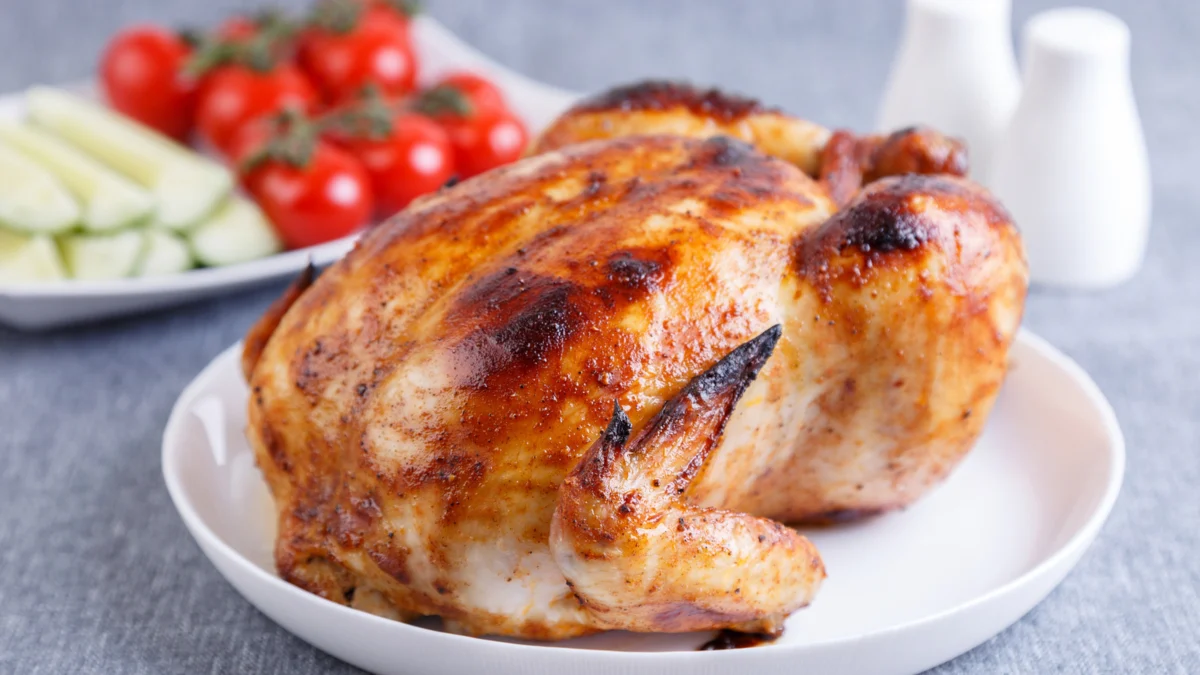
For millions of home cooks, the store-bought rotisserie chicken is the ultimate culinary lifesaver. It is an affordable, high-protein, and ready-to-eat staple that bridges the gap between a hectic workday and a nutritious dinner. Yet, despite its popularity, there is a pervasive oversight in the average household: the way we store the leftovers.
While it is tempting to simply toss the remaining bird—plastic clamshell and all—onto the nearest available shelf in the refrigerator, food safety experts suggest this is a recipe for premature spoilage and suboptimal flavor. According to Lacey Baier, author of Cleanish Meal Prep, the nuances of refrigerator physics play a critical role in food longevity. By understanding the climate zones within your fridge and the chemical reactions occurring in leftover poultry, you can transform your meal prep game and ensure your protein remains safe, succulent, and savory for days.
The Geography of the Refrigerator: Why Shelf Placement Matters
The interior of a refrigerator is not a uniform climate. It is a complex system of thermal zones dictated by proximity to the cooling coils, the frequency of door openings, and the physics of cold air circulation.
The Myth of the "Convenient" Spot
Many home cooks prioritize accessibility, placing leftovers on the top shelf or in the door bins for easy retrieval. However, Baier notes that this is fundamentally flawed. "The temperature at the back of the fridge is the most consistent," she explains. "The door and front fluctuate every time you open it, which isn’t ideal for cooked protein."
When you open the refrigerator door, the internal temperature spikes as ambient room air rushes in. Items stored in the door are subjected to this thermal swing multiple times a day. For cooked poultry, which is highly susceptible to microbial growth, these fluctuations can push the temperature above the critical 40-degree Fahrenheit (4 degrees Celsius) threshold. Once the meat enters the "danger zone"—between 40°F and 140°F—bacteria can multiply rapidly, potentially leading to foodborne illness.
The Coldest Zone
For maximum safety and longevity, cooked meat should be relegated to the lowest shelf at the very back of the appliance. In most standard refrigerator designs, this is the coldest zone. Cold air sinks, and the rear of the unit is furthest from the heat exchange that occurs at the door gasket. By establishing this "cold zone" protocol, you create a buffer that keeps your chicken consistently below the danger zone, effectively extending its shelf life by days.
Chronology of Storage: From Store Counter to Cold Storage
To truly master the art of the rotisserie, one must view storage as a multi-step process rather than an afterthought. The timeline of your chicken’s journey from the grocery store heat lamp to your refrigerator shelf is critical.
Phase 1: The Cooling Window
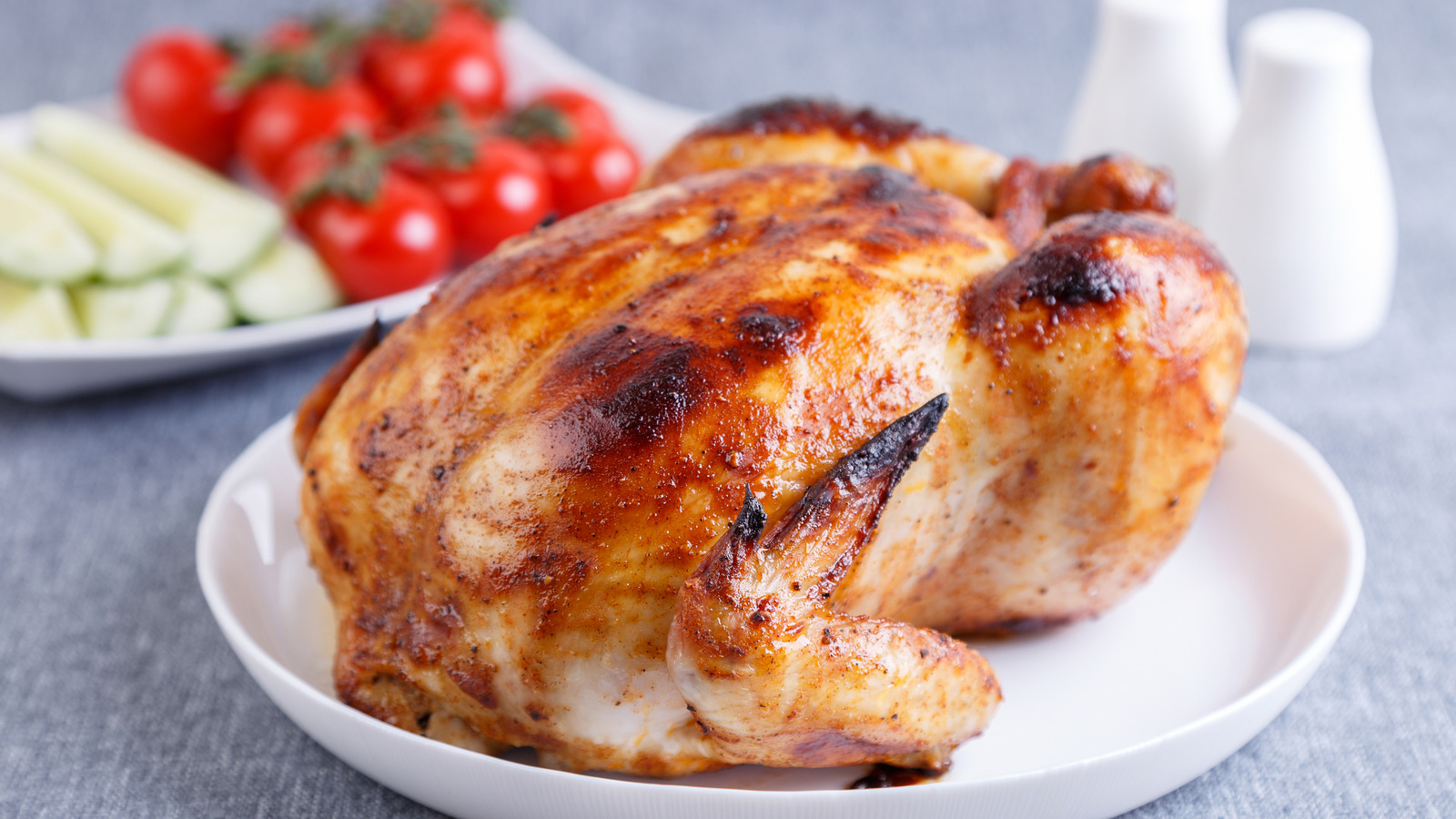
There is a common misconception that hot food must be refrigerated immediately to prevent bacterial growth. While minimizing time in the temperature danger zone is vital, placing a piping-hot bird directly into the fridge can cause a spike in the appliance’s overall internal temperature, potentially warming up surrounding items.
The industry standard is to allow the chicken to cool at room temperature for no more than 30 to 60 minutes. This process allows steam to escape, preventing the "soggy skin" syndrome that occurs when condensation is trapped in a container.
Phase 2: The Decanting Process
Once the chicken has reached a manageable temperature, the store-provided packaging must be discarded. Many consumers mistakenly believe that the original plastic clamshell or bag is sufficient for storage.
"Transfer the chicken to an airtight container rather than leaving it in the store packaging," Baier advises. The original containers are designed for immediate consumption, not for the airtight preservation required for multi-day storage.
Phase 3: The Airtight Seal
Once the chicken is shredded or portioned into an airtight container, it should be placed immediately in the coldest part of the fridge. If you are preparing the chicken for future salads, sandwiches, or tacos, ensure that the container is sealed properly to prevent the absorption of odors from other items in the fridge.
Supporting Data: The Risks of Poor Storage
The importance of these practices is underscored by the biological reality of food spoilage. Poultry is an excellent medium for bacteria such as Salmonella, Campylobacter, and Listeria.
The Problem with Condensation
When a warm rotisserie chicken is placed in a plastic bag and immediately shoved into the fridge, the steam inside the bag condenses into water droplets. This creates a humid, warm environment inside the packaging—a literal incubator for microbial growth. Even in a cold fridge, the micro-climate inside that bag can remain significantly warmer than the ambient temperature of the appliance for several hours.
Oxidation and Quality Degradation
Beyond safety, there is the issue of palatability. Exposure to air causes oxidation, which leads to the loss of moisture and the development of "refrigerator taste." The fibrous structure of chicken breast, in particular, tends to dry out when exposed to the dehydrating air of a refrigerator. Using a high-quality glass or BPA-free plastic container with a tight-fitting lid creates a micro-environment that maintains the internal humidity of the meat, keeping it tender and flavorful.
Official Guidelines and Best Practices
According to the USDA and food safety experts, the "three to four-day rule" is the gold standard for refrigerated cooked poultry. If the chicken is not consumed within this window, it should either be frozen or discarded.
Professional Tips for Longevity:
- Portioning: If you bought a large bird, break it down immediately. Shredding the meat into smaller portions allows it to cool faster and makes it easier to pull exactly what you need for a meal without exposing the entire batch to air.
- The "Use By" Label: It is easy to lose track of when a chicken was purchased. Use a piece of masking tape or a dry-erase marker on your glass containers to write the date the chicken was cooked or purchased.
- Avoid Cross-Contamination: Keep your rotisserie chicken on a lower shelf than raw ingredients, particularly produce. This prevents any accidental drips or spills from raw items onto your ready-to-eat protein.
The Implications: Why This Matters for the Home Cook
Adopting these storage habits is more than just a matter of food safety; it is an economic and environmental imperative. Food waste remains a massive global issue, and a significant portion of that waste occurs in the home. By failing to store a rotisserie chicken correctly, you are effectively throwing away a perfectly good, high-quality protein source after just 24 or 48 hours.
The Economic Impact
A rotisserie chicken is often sold at a loss or at a very thin margin by grocery stores to drive foot traffic. When you maximize the shelf life of that purchase, you are extracting the full value of your dollar. If you successfully stretch a $7–$10 bird across four days of meals, you are significantly reducing your weekly grocery expenditure compared to relying on processed convenience foods.
The Culinary Versatility
Properly stored, a rotisserie chicken is a blank canvas. When the meat remains moist and safe, it can be repurposed into:
- Chicken Salad: Mixed with Greek yogurt, celery, and grapes.
- Hearty Soups: Added in the final minutes of simmering a vegetable broth.
- Enchiladas or Tacos: Reheated with spices for a quick, authentic dinner.
- Grain Bowls: Used as the base for a balanced lunch with quinoa, roasted veggies, and a tahini dressing.
Conclusion: A Small Change for a Better Kitchen
The next time you walk through the doors of your local supermarket and grab that golden-brown, aromatic rotisserie chicken, remember that the meal’s journey doesn’t end at the checkout counter. It ends in your refrigerator.
By resisting the urge to store the bird in its original packaging and taking a moment to clear a space on the lowest, back shelf of your fridge, you are making a commitment to both quality and safety. In the world of home cooking, the difference between a sad, dried-out piece of chicken and a succulent, versatile ingredient often comes down to these small, evidence-based habits. Treat your ingredients with respect, prioritize the science of cold storage, and you will find that the humble rotisserie chicken is the most valuable tool in your kitchen arsenal.