The 2026 FIFA World Cup has officially moved beyond the stage of cautious optimism, erupting into a festival of unpredictability and tactical masterclasses. As the group stage matches progress, the tournament is rapidly proving that the traditional hierarchy of international football is no longer a safety net for the sport’s perennial heavyweights.
From the sweltering intensity of the Morocco-Brazil clash to the historic breakthrough of the Scottish national team, the latest round of fixtures has reshuffled expectations and put the world’s elite on notice. Whether through tactical discipline, clinical finishing, or sheer force of will, the underdogs of this tournament are carving their names into history.
Main Facts: A Reshuffled Table
The latest slate of matches has delivered a seismic shock to the tournament standings. The most significant narrative to emerge is the vulnerability of pre-tournament favorites.
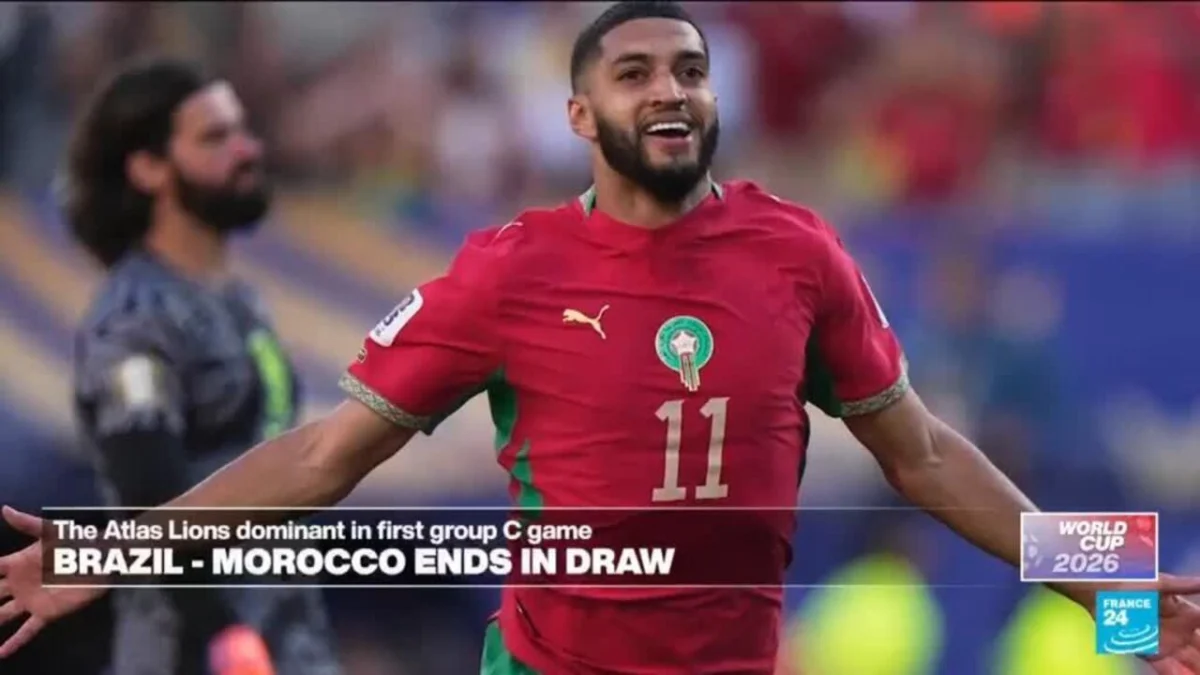
- Brazil held to a draw: In a match that was expected to be a showcase of Joga Bonito, Brazil found themselves stifled by a tactically disciplined and physically imposing Moroccan side.
- The Australian Surprise: The Socceroos delivered a tactical masterclass against Turkiye, securing a clinical 2-0 victory that has blown Group C wide open.
- Scotland’s Historic Win: In one of the most emotional scenes of the tournament, Scotland secured their first World Cup victory in 28 years. The match against Haiti was not merely a win; it was a watershed moment for a nation that has spent nearly three decades in the international wilderness.
- Switzerland’s Stagnation: Despite entering their clash against Qatar as the clear favorites to top their group, the Swiss were unable to break down the hosts’ defensive block, leading to a frustrating stalemate that complicates their path to the knockout stages.
Chronology of the Action
The Morocco-Brazil Stalemate
The day began with a high-stakes encounter between Brazil and Morocco. From the opening whistle, the Atlas Lions demonstrated the defensive organization that saw them achieve unprecedented heights in previous years. They disrupted Brazil’s rhythm, forcing the South American giants to play wide and away from the center of the pitch.
Brazil’s frustration grew as the first half concluded without a breakthrough. It was not until the second half that the individual brilliance of Vinícius Júnior illuminated the stadium. After a mesmerizing solo run, Vinícius curled a strike into the top corner, leveling the game and momentarily silencing the vocal Moroccan supporters. However, Morocco refused to buckle, holding onto the draw with a tenacity that has marked them as one of the most resilient sides in the competition.
Australia’s Clinical Dismantling of Turkiye
While the focus was on the marquee match-ups, Australia quietly dismantled the Turkish game plan. Utilizing high-intensity pressing and quick transitions, the Socceroos caught the Turkish defense out of position repeatedly. A first-half goal set the tone, and by the 70th minute, a second goal—born from a well-executed set-piece—put the result beyond doubt. The 2-0 scoreline is a testament to the growth of the Australian squad under their current management, blending discipline with opportunistic attacking football.
Scotland’s Long-Awaited Triumph
For the Scottish faithful, the match against Haiti was more than just a game; it was a chance to bury the ghosts of 28 years of tournament absence. The match was characterized by a high-energy, "vibes-based" approach, with Scotland playing with a freedom that masked the immense pressure they were under. The breakthrough arrived in the second half through a deflected strike by McGuinn. While the goal itself was fortuitous, the result was a deserved reward for a team that played with passion and relentless commitment.
Supporting Data: The Statistics of Surprise
The performance metrics from these matches tell a story of shifting tactical landscapes.
- Possession vs. Efficiency: Brazil maintained 64% possession against Morocco but managed only five shots on target, highlighting the effectiveness of a "low block" strategy in the modern game.
- The Australian Edge: Australia, often labeled as a defensive team, recorded a higher "Expected Goals" (xG) ratio than Turkiye, proving that their 2-0 victory was a result of sustained pressure rather than a one-off stroke of luck.
- Scotland’s Drought Ended: The last time Scotland tasted victory in a World Cup fixture was in 1998. The statistical weight of this victory—ending a 10,220-day wait—has shifted the momentum in their group significantly.
- Swiss Struggles: Switzerland’s failure to secure three points against Qatar has left them with a -2 goal difference relative to their expected group performance, forcing them into a "must-win" scenario for their final group match.
Official Responses and Managerial Post-Match Analysis
The mood in the aftermath of these matches ranged from cautious optimism to deep introspection.
The Brazilian Camp: Managerial staff expressed frustration over the pitch conditions and the defensive nature of their opponents, though they admitted that Brazil lacked the necessary creativity in the final third. "We knew it would be physical," said a member of the coaching staff. "We struggled to find the pockets of space that Vinícius thrives in."

The Australian Triumph: Australia’s manager was visibly emotional following the win against Turkiye. "We didn’t come here to participate; we came to compete. Today, we executed our game plan perfectly. We forced them into errors, and we punished them. This is what tournament football is all about."
Scotland’s Joy: The mood in the Scottish dressing room was described as "electric." Speaking to the media, the team captain emphasized the collective effort: "It’s not just about the goal. It’s about the 28 years of waiting. We played for the fans who traveled, and for the ones back home who have been waiting for this moment since before many of us were born."
Implications: A Tournament Wide Open
The results of this round of fixtures have profound implications for the tournament’s trajectory.
1. The Death of the "Easy" Group
The struggles of Brazil and Switzerland highlight that there are no "minnow" nations left in international football. The tactical sophistication of teams like Morocco and Haiti—even in defeat or draws—demonstrates that the gap between the traditional powers and the rest of the world has narrowed significantly.
2. The Pressure on Heavyweights
Brazil and Switzerland now face a reality check. With their final group matches looming, both teams are under immense pressure to secure three points. A failure to do so could result in an early exit, which would be one of the greatest shocks in the history of the sport.
3. Momentum as a Currency
For Australia and Scotland, these victories provide a massive morale boost. Momentum is a tangible currency in World Cup football, and teams that enter the final group stages with a sense of belief are often the ones that go on to cause deep-tournament upsets.
4. Tactical Evolution
The success of defensive, high-pressing, and transitional styles in these matches suggests that the 2026 World Cup will be defined by tactical flexibility. Teams that rely on a single style of play—even if it is technically superior—are finding themselves vulnerable to well-drilled, highly motivated opponents.
Looking Ahead
As the group stage reaches its climax, the drama is only set to increase. With the table positions shifting, every remaining fixture is now a knockout game in spirit. The world will be watching to see if the giants can recover their poise, or if the 2026 World Cup will continue to be a tournament where the established order is dismantled, match by match.
The fans in the stands, representing nations from every corner of the globe, are witnessing a tournament that has already delivered history, heartbreak, and pure, unadulterated sporting joy. Whether it is the brilliance of a Vinícius strike or the grit of a deflected goal that ends a three-decade wait, the 2026 World Cup is officially the tournament of the underdog.