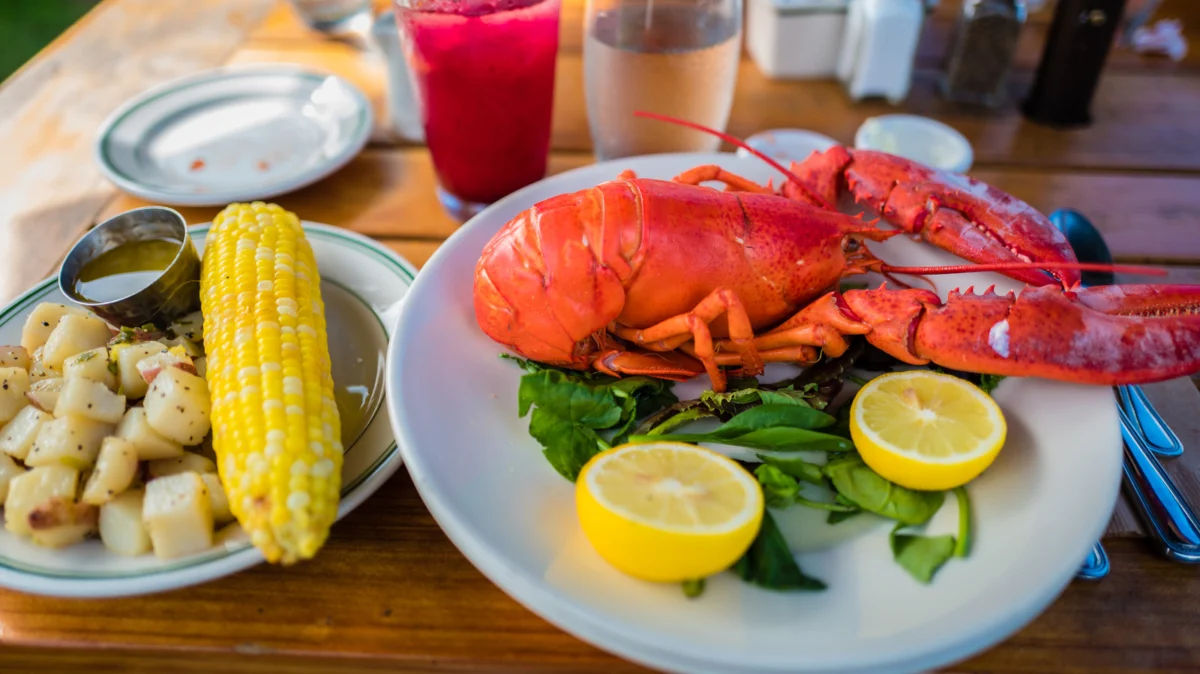
For many, lobster is the quintessential "special occasion" protein. Associated with white tablecloths, melted butter, and a premium price tag, it is a dish that sits firmly in the category of affordable luxury—or sometimes, pure luxury. But was the lobster dinner always such a high-stakes financial decision? By looking back at the restaurant menus of the 1970s—specifically the early days of the Red Lobster chain—we can uncover a fascinating economic story about inflation, the changing nature of food logistics, and the persistent myths surrounding the "poor man’s protein."
The 1970s Benchmark: Deconstructing the "Cheap" Meal
In the mid-1970s, a diner visiting a Red Lobster restaurant could order a comprehensive lobster dinner for just $6.29. On paper, that figure seems staggeringly low to a modern consumer accustomed to paying upwards of $40 for a similar meal. That $6.29 feast was not merely a single crustacean; it was a platter that included a whole Maine lobster, fried fish, and New England cod cakes.
When placed against the backdrop of the 2026 average cost of a 1.25-pound Maine lobster dinner—which fluctuates around $38—the jump seems astronomical. However, economists and food historians suggest we look closer at the purchasing power of the dollar. When adjusted for inflation, that $6.29 from 1976 translates to approximately $36.91 in 2026 currency. Suddenly, the "golden age" of cheap lobster loses some of its luster. The cost of dining out has remained remarkably consistent with the broader Consumer Price Index (CPI) over the last fifty years.
Chronology: From Colonial Fertilizer to Fine Dining
To understand why we view lobster the way we do, we must look at its long, complicated history in North America.
- The 18th Century (The Abundance Era): Historical records from the 1740s suggest that a lobster could be purchased for as little as three halfpence. Adjusted for modern inflation, that is roughly $1.47 USD. During this period, lobster was so abundant along the New England coast that it was frequently used as fertilizer for crops or served to prisoners and indentured servants. It was not necessarily "disliked," but it was undeniably common.
- The 19th Century (The Rise of Canning): As the railroad expanded, the ability to transport fresh seafood inland grew. Canneries began processing lobster, which increased demand and began to shift the perception of the crustacean from a "local staple" to a "tradeable commodity."
- The Mid-20th Century (The Culinary Elevation): As refrigeration technology improved, the supply chain became more reliable, but the demand spiked. Lobster transitioned from a common protein to a status symbol, cementing its place in the mid-century American imagination as the pinnacle of a fancy dinner.
- The 1970s (The Chain Revolution): The rise of casual dining chains like Red Lobster democratized the experience. By optimizing the supply chain and focusing on volume, these restaurants allowed the average middle-class American to access a meal that had previously been reserved for high-end coastal establishments.
Supporting Data: The Nuance of Modern Costs
While the baseline inflation-adjusted price of a lobster dinner has remained relatively stable, the experience of the meal has changed significantly.
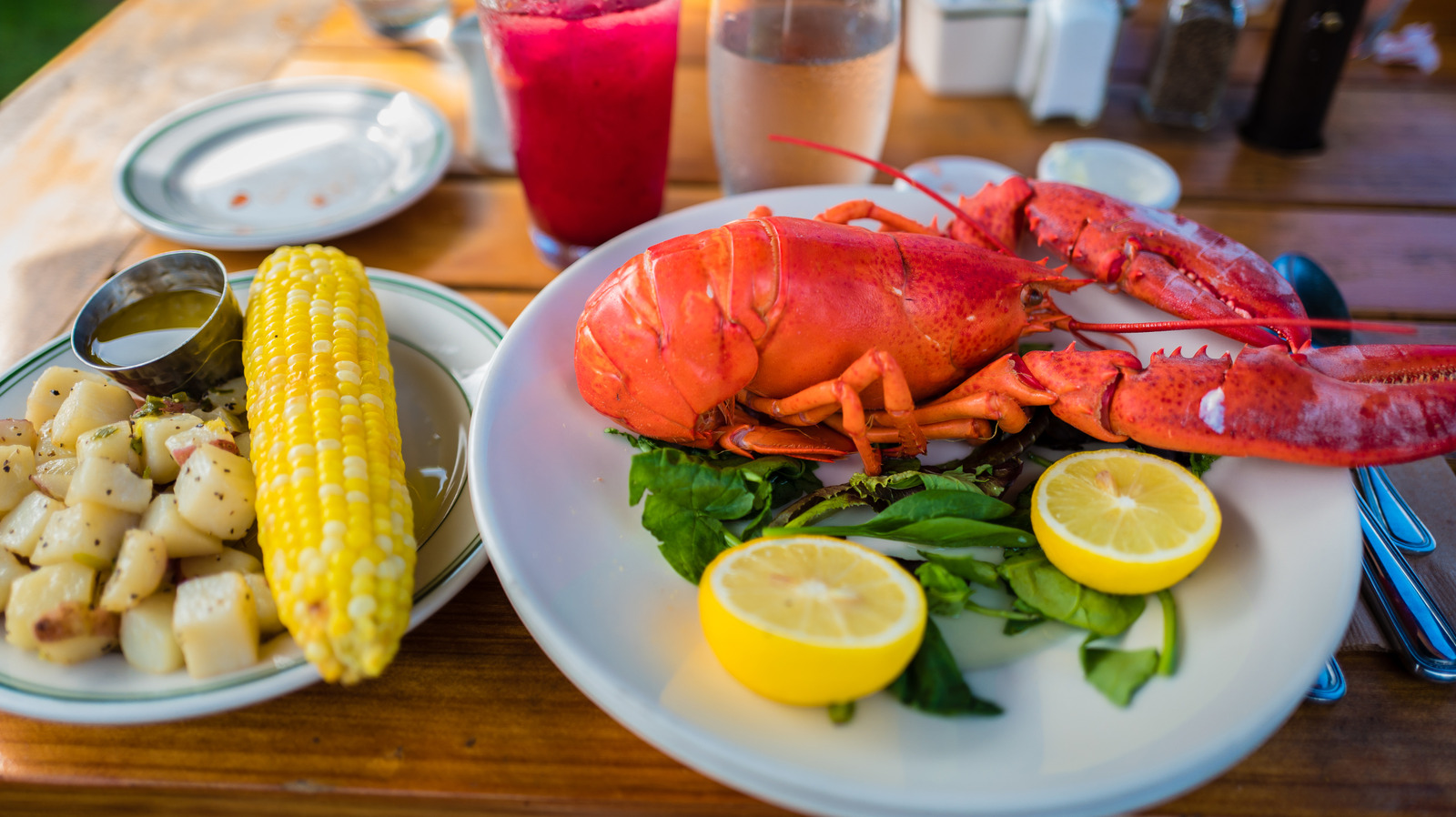
In the 1970s, a menu might have offered a broiled Florida lobster stuffed with dressing for $4.59. Today, that would be roughly $28.49. However, that vintage menu often lacked the variety of sides and the labor-intensive preparation methods seen today.
Today’s $38 price point at a modern chain includes a wide array of choices: split, steamed, and cleaned preparation, along with a selection of over 15 sides. If we look at the "hidden" costs of dining, the modern consumer is often paying for convenience. For instance, while basic sides like rice or hush puppies are included, modern diners frequently opt for "upgraded" accompaniments. Choosing Lobster Pasta Au Gratin (an $8 upcharge) or Creamy Lobster Mashed Potatoes (a $6 upcharge) can quickly inflate a bill to over $50. When we factor in the rising cost of labor, logistics, and the energy required to maintain the cold chain for live shellfish, the current price is arguably a better value than its 1970s counterpart.
The Myth of the "Poor Man’s Protein"
A persistent cultural narrative suggests that in early America, lobster was so plentiful that it was exclusively the food of the destitute. Historians are quick to clarify this: while it is true that lobster was used as bait or fertilizer, this was usually a regional reality rather than a universal class indicator.
If you lived on the coast of Maine in 1750, you ate lobster because it was there, just as you might eat dandelions if they grew in your yard. It was not a social statement; it was a matter of proximity. The myth has been romanticized over time to create a sense of nostalgia for a "simpler" culinary past that never truly existed in the way we imagine it. The abundance of the 18th century was simply a reflection of a pre-industrial ecosystem, not a secret society of gourmet eating among the poor.
Implications for the Future of Seafood
The economic stability of the lobster dinner—when accounting for inflation—brings up important questions regarding sustainability and supply. Lobster populations have shifted due to warming ocean temperatures, particularly in the Gulf of Maine. As the climate changes, the "abundance" that allowed for the low prices of the past becomes increasingly fragile.
Implications for the Restaurant Industry
For restaurant chains, the challenge is maintaining that $38-$50 price point while dealing with volatile fuel costs (which impact the boats) and the rising cost of labor. The industry has responded by pivoting toward "value-added" menu items—such as the famous Endless Shrimp or lobster-infused sides—to entice customers while maintaining profit margins on the primary protein.
Implications for the Home Cook
For those who want to avoid the "restaurant markup," the home market is thriving. However, buying lobster for home preparation requires a level of expertise that many casual diners lack. Common mistakes, such as overcooking the meat or failing to properly clean the tail, can turn an expensive investment into a disappointing meal. As prices continue to track with inflation, the home kitchen is becoming the most cost-effective place to enjoy this luxury—provided the cook knows how to handle the product.
Conclusion: A Consistent Luxury
The nostalgic view that "lobster used to be cheap" is largely a misconception when viewed through the lens of economic history. While the raw dollar amount on a 1970s menu looks like a bargain, the adjusted reality suggests that lobster has occupied a similar space in the American consumer’s budget for decades.
Whether it is the 1970s or the 2020s, lobster remains a luxury item that requires a specific set of economic conditions to be affordable. The next time you sit down for a butter-drenched lobster dinner, remember that you aren’t just paying for the meal—you are participating in a long, complex, and surprisingly consistent economic tradition that has defined the American dining experience for over fifty years. The price may have changed, but the appetite for the crustacean remains as high as ever.